Real-Time AI Video: The Next Revolution in Content Creation (2024 Guide)
Introduction
Imagine directing a movie where you can change the weather from sunny to a thunderstorm with a single text command, and see it happen instantly. Picture a live broadcast where dynamic, data-driven graphics are generated on the fly, reacting to events as they unfold. This isn’t a scene from a sci-fi blockbuster; it’s the dawn of real-time AI video generation, a technological leap poised to fundamentally reshape the landscape of content creation.
For decades, video production has been a battle against the render bar. It’s a process defined by waiting—waiting for effects to process, for scenes to compile, for final cuts to export. But what if that waiting ceased to exist? The emergence of generative AI for video has already given us a glimpse of the future with tools like OpenAI’s Sora and Luma Dream Machine. However, the next true revolution isn’t just about creating video from a prompt; it’s about doing it in real-time.
This guide explores the cutting edge of ai driven content creation. We’ll dive into the technology powering this instant video revolution, explore its game-changing applications across industries, and look ahead to what the future of video production ai holds. Get ready to move beyond rendering and into the age of instantaneous creation.
What Exactly is Real-Time AI Video Generation?
Before we dive deeper, it’s crucial to distinguish between standard AI video generation and real-time AI video generation. While both fall under the umbrella of generative ai video real time, their core functionality and impact are worlds apart.
Standard AI video generators (like the ones that have dominated headlines in early 2024) work asynchronously. You give them a prompt, they process it for several minutes (or longer), and then deliver a finished video clip. It’s an incredible feat, but it’s a one-way street.
Real-time AI video generation, on the other hand, is about interactivity and immediacy. It’s characterized by three key elements:
- Low Latency: The delay between input (a command, a data stream, a user action) and the visual output is minimal, often measured in milliseconds. This is the secret sauce that makes
low latency ai videofeel instantaneous. - Interactivity: Users can influence and alter the video as it’s being generated. It’s a continuous feedback loop, not a fire-and-forget command. This opens the door for
interactive ai videoexperiences. - Continuous Synthesis: The AI isn’t just creating one clip. It’s constantly ready to synthesize, adapt, and render new frames based on a continuous flow of information, making it perfect for
ai video streaming.
Think of it like the difference between sending an email and having a video call. One is a static message sent and received later; the other is a dynamic, live, interactive exchange. That’s the leap we’re witnessing with ai video synthesis real time.
From Hours to Seconds: The Unprecedented Speed of AI
The traditional video workflow is notoriously slow. Pre-production, shooting, editing, color grading, visual effects, and rendering form a long, sequential chain. A single complex VFX shot can take a team of artists days or weeks to perfect. This bottleneck stifles creativity and inflates budgets.
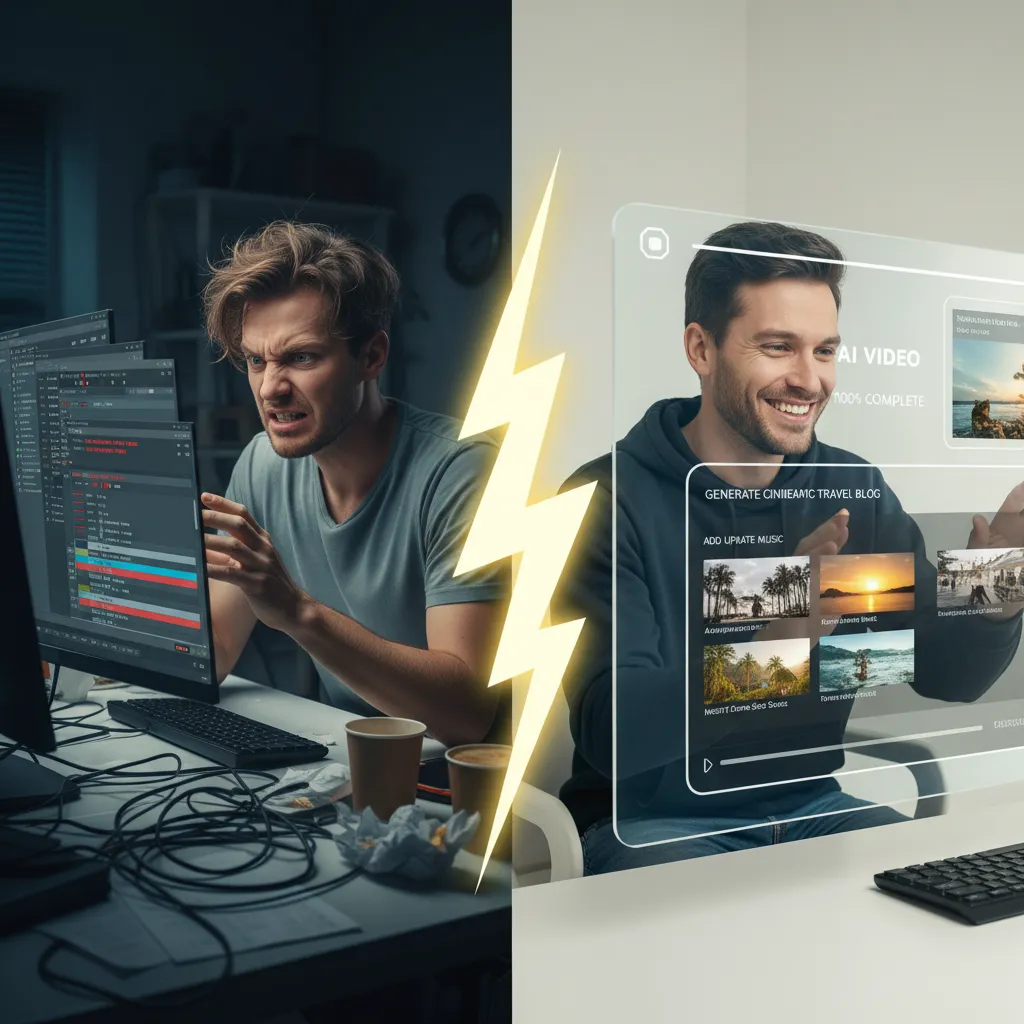
Real-time AI obliterates this paradigm. By automating and accelerating the most time-consuming parts of the process, it offers a monumental shift in efficiency.
This is more than just a time-saver; it’s a creativity-unleasher. When the friction between an idea and its execution is removed, creators can experiment more freely. They can test dozens of visual styles, camera angles, or character designs in the time it would traditionally take to render a single version. This acceleration is a core tenet of ai video workflow optimization, transforming video editing from a technical chore into a fluid, creative process. The demand for the fastest ai video generator isn’t just about impatience; it’s about enabling a more iterative and imaginative workflow.
Related: Will AI Take Your Job? The Ultimate 2024 Guide
The Tech Powering the Instant Video Revolution
This instantaneous magic isn’t born from a single breakthrough but from the convergence of several powerful technologies. Understanding these pillars is key to grasping the potential of ai video technology advancements.
Generative Models: The Creative Engine
At the heart of any AI video tool are generative models. The two most prominent types being adapted for speed are:
- Generative Adversarial Networks (GANs): For a long time, GANs were at the forefront of image synthesis. They consist of two competing neural networks—a Generator that creates images and a Discriminator that judges them—which train each other to produce photorealistic results. While powerful, they can be unstable to train.
- Diffusion Models: This newer architecture has largely surpassed GANs in quality and stability for text-to-image and text-to-video tasks. They work by starting with random noise and gradually refining it, step-by-step, into a coherent image or video that matches a prompt. The challenge for real-time use is dramatically speeding up this iterative “denoising” process.
Researchers are developing new techniques like latent consistency models and hardware-specific optimizations to make these models generate content in fractions of a second.
Real-Time Rendering and Virtual Production
The worlds of AI and gaming are colliding. Real time rendering ai often piggybacks on the hyper-efficient graphics pipelines built for video games. Engines like Unreal Engine 5 and Unity are becoming crucial platforms for ai virtual production. In this setup, AI can generate or modify assets—like virtual sets, character animations, or weather effects—that are then instantly rendered by the game engine, allowing filmmakers to see near-final shots live on set.
The Hardware Hurdle: Specialized AI Accelerators
None of this is possible without raw computational power. The machine learning video generation process is incredibly demanding. Companies like NVIDIA, with their powerful GPUs and specialized AI chips, are building the foundational hardware for this revolution. The architecture of these chips is specifically designed to handle the parallel processing required by AI models, making low-latency generation feasible. The performance of the underlying hardware is directly linked to the speed and quality of the final video output.
Related: The AI Hardware Race: Next-Gen Gadgets Changing Everything
Game-Changing Applications: Where Real-Time AI is Making an Impact
The true excitement of next gen video ai lies in its application. This technology isn’t just a research curiosity; it’s being deployed to solve real-world problems and create entirely new experiences across various sectors.
Live Events and Broadcasting
This is arguably the most fertile ground for ai video for live events. In the fast-paced world of live TV, there are no second takes.
- Dynamic Data Visualization: Imagine a live sports broadcast where player stats and trajectory analyses are rendered as augmented reality overlays on the field in real-time.
- Automated Production: AI can automatically switch camera angles based on the action, track speakers on a stage, and generate instant, broadcast-quality replays with enhanced graphics.
- Instantaneous Environmental Effects: A live concert stream could allow viewers to vote on the visual theme, with an AI instantly transforming the stage’s digital backdrop in response.
AI broadcast videobecomes a co-created experience.
Interactive Marketing and Advertising
Marketing is moving away from static, one-way messaging toward dynamic, personalized conversations. Real-time AI video is the ultimate tool for this shift.
- Personalized Video Ads: An e-commerce site could generate a video ad on the fly featuring the exact product a user was just viewing, perhaps even addressing them by name (with consent).
- Live Shopping Avatars: Brands can use AI-powered virtual influencers to host live shopping events, answering customer questions in real-time with dynamically generated video responses.
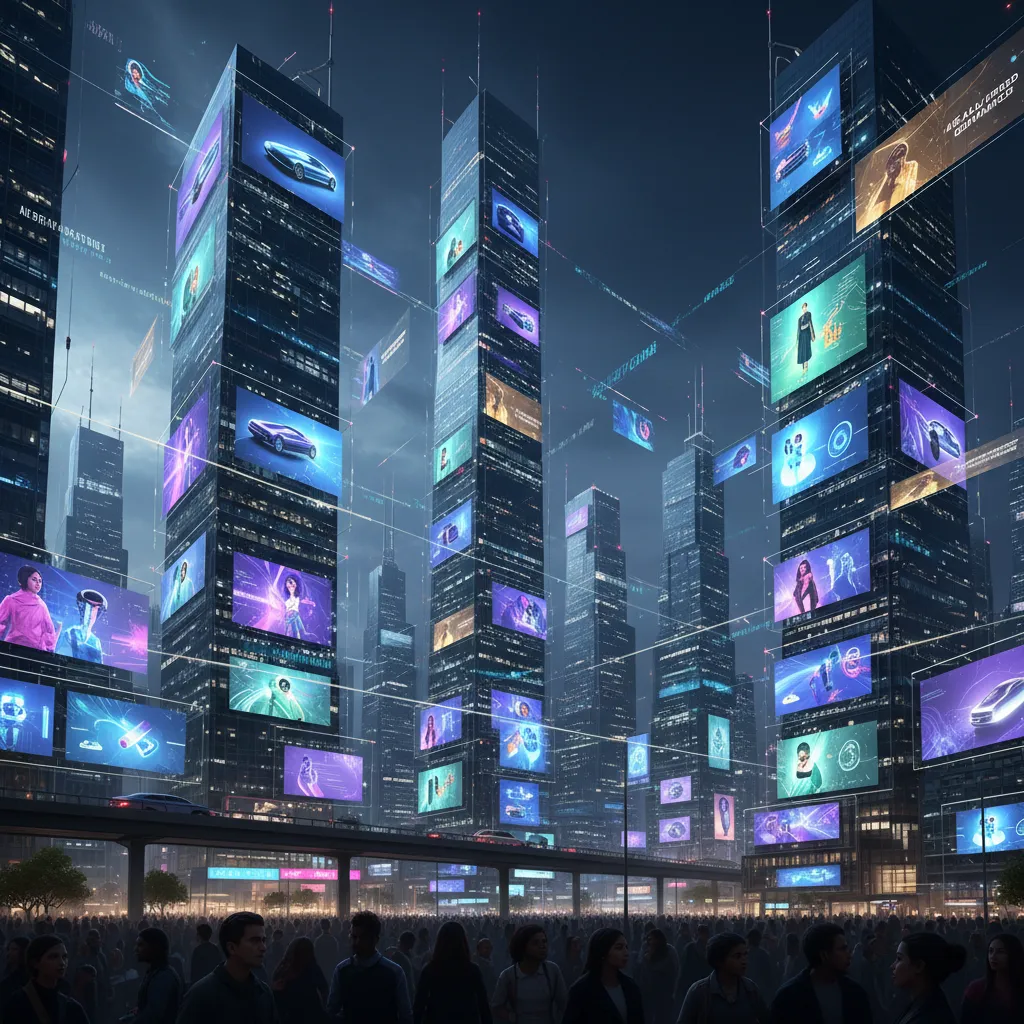
- Interactive Billboards: Imagine digital billboards in a city that react to real-world data like weather, traffic, or even the colors of clothes worn by passersby to create relevant, eye-catching
ai video for marketing live.
Film, Animation, and Virtual Production
The impact on filmmaking and animation is profound, democratizing high-end visual effects and accelerating creative workflows.
- Real-Time Pre-visualization (Previs): Directors can use
real time text to videoto storyboard scenes live on set, visualizing complex VFX shots instantly instead of relying on static drawings. - AI-Powered Real-Time Animation: Animators can use their own movements to drive a digital character’s performance in real-time, or use AI to automatically generate fluid in-between frames, making the animation process faster and more intuitive.
- Virtual Set Generation: An AI can create and modify photorealistic virtual backgrounds behind actors on a green screen, allowing for instant changes to location, lighting, and mood. This is the core of
ai for film making real time.
AI Video Streaming and Social Media
For content creators and streamers, real-time AI is a toolkit for unprecedented engagement.
- Generative Filters & Effects: Go beyond simple dog ears. Imagine filters that transform your entire room into a fantasy landscape or change your outfit based on audience suggestions during a live stream.
- Interactive Narratives: Creators can stream “choose your own adventure” style stories where the audience’s polls and comments dictate the plot, with the AI generating the corresponding video scenes on the fly.
- AI-Powered Avatars: Streamers can appear as a hyper-realistic digital avatar, protecting their privacy while offering a unique and engaging persona.
Related: The AI Symphony: Crafting Music with Artificial Intelligence
The Bleeding Edge: Current Tools and Platforms
While a single, perfect ai video software instant solution for everyone doesn’t exist yet, several companies and open-source projects are pushing the boundaries. The field of ai video innovation 2024 is moving at a breakneck pace.
- NVIDIA’s Research: Through platforms like the Maxine SDK for video conferencing and research into generative models, NVIDIA is a key player in the underlying technology.
- Startups: A wave of startups is focusing on specific niches, from real-time animation tools to AI-powered video editing plugins that dramatically speed up tasks like rotoscoping and color correction.
- Open-Source Models: Projects like Stable Diffusion have seen real-time versions (SDXL Turbo, Latent Consistency Models) emerge that can generate images in a single step, and this technology is rapidly being adapted for video.
It’s important to differentiate these from non-real-time tools. While something like Luma’s Dream Machine produces stunning results, it’s not designed for the instantaneous feedback loop that defines a true real-time system.
Related: Luma Dream Machine: Free AI Video Tool Access & Review
Hurdles on the Horizon: Challenges and Limitations
Despite the incredible promise, several significant challenges must be overcome for real-time AI video to become mainstream.
- Quality and Coherence: Maintaining high visual fidelity and temporal consistency (ensuring things don’t flicker or morph bizarrely from one frame to the next) is a major technical challenge, especially at high resolutions.
- The Latency Battle: For applications like live broadcasting, every millisecond counts. Reducing the latency from prompt to pixel to near-zero is the holy grail.
- Computational Cost: The hardware required for real-time generation is powerful and expensive, limiting accessibility for individual creators and small studios. Cloud-based solutions may help, but they introduce their own latency issues.
- Ethical Concerns: The ability to generate realistic video instantly raises serious concerns about deepfakes, misinformation, and the potential for misuse. Developing robust detection and watermarking standards is critical.
The Future of Video Production: What’s Next?
The journey of real-time ai video generation is just beginning. As the technology matures and becomes more accessible, we can expect to see a cascade of innovation.
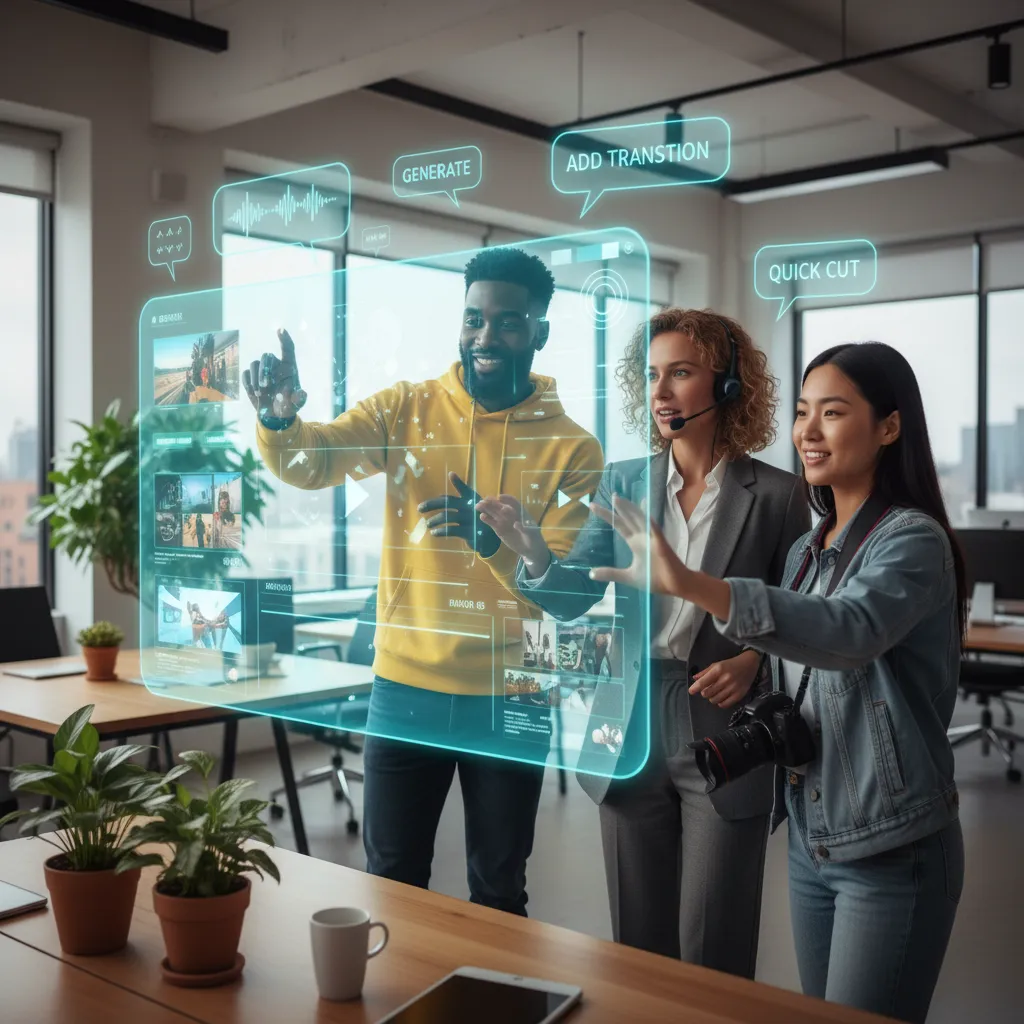
We are heading towards a future of “conversational creation,” where producing a video feels less like operating complex software and more like collaborating with a creative AI partner. You’ll simply describe your vision, and the AI will bring it to life, ready for your immediate feedback and refinement. This will democratize high-end video production, allowing anyone with an idea to become a creator.
The convergence of real-time video with other AI technologies, like advanced language models and real-time search, will unlock even more possibilities. Imagine an AI that can pull real-time data from the web to incorporate into a live video essay or a personalized news report generated just for you.
Related: The AI Search Revolution: Is This The End for Google?
Conclusion
Real-time AI video generation is not just an incremental upgrade; it is a paradigm shift. It represents the transition of video from a static, pre-rendered medium to a dynamic, interactive, and living one. The implications for ai driven content creation, from blockbuster films to your next social media post, are immense. The era of waiting for the render bar is coming to a close, replaced by an era of instant imagination.
The technology is still in its early stages, with challenges to overcome. But the pace of ai video innovation 2024 is staggering. The question is no longer if this technology will change everything, but how quickly. The revolution will be televised, streamed, and generated—all in real-time. What will you create with it?
FAQs
Q1. Can AI generate video in real time?
Yes, but it’s an emerging technology. While many popular AI video tools take minutes to render, new models and hardware optimizations are making real-time generation possible, especially for specific applications like live streaming effects, virtual production, and interactive installations. True high-resolution, photorealistic generative ai video real time is still on the cutting edge.
Q2. What is the fastest AI video generator?
The “fastest” depends on the use case. For near-instantaneous image generation that can be stitched into video, models optimized with technologies like Latent Consistency Models (LCMs) or SDXL Turbo are incredibly fast. For end-to-end real time text to video, the technology is still largely in the research and development phase, with performance varying greatly based on the complexity and quality required.
Q3. How is AI changing video production?
AI is revolutionizing video production by dramatically speeding up workflows (ai video workflow optimization), automating tedious tasks like rotoscoping and color grading, enabling realistic virtual production, and opening new creative avenues with generative video. It’s shifting the focus from technical execution to creative ideation.
Q4. What is generative AI for video?
Generative AI for video refers to artificial intelligence models that can create new, original video content from various inputs, most commonly text prompts. These models learn patterns from vast datasets of existing videos to synthesize novel footage that aligns with the user’s description.
Q5. Are there any ethical concerns with real-time AI video?
Absolutely. The primary concern is the potential for creating highly realistic and instant deepfakes, which could be used for misinformation, harassment, or fraud. Other concerns include copyright issues related to the data used to train the models, and the potential for job displacement in the creative industries.
Q6. What is the difference between real-time AI and standard AI video generation?
The key difference is latency and interactivity. Standard AI video generators work offline; you provide a prompt and wait for the final video. Real-time AI works instantly, allowing you to interact with and modify the video as it’s being created, making it suitable for live and interactive applications.
Q7. How does low latency AI video work?
Low latency ai video relies on a combination of highly efficient AI models, powerful dedicated hardware (like GPUs and AI accelerators), and optimized software pipelines. The goal is to minimize the delay between an input (like a text command or data feed) and the corresponding video output, making the interaction feel instantaneous.