Wearable AI: Your Real-time Personal Coach for Peak Performance

Imagine having a world-class coach by your side 24/7. Not just a fitness trainer, but a holistic guide who understands your body’s intricate signals, monitors your mental state, and nudges you toward peak productivity. This isn’t science fiction; it’s the reality being ushered in by Wearable AI coaching.
For years, we’ve strapped on fitness trackers to count steps and log workouts. But that was just the opening act. Today, the convergence of sophisticated biosensors for coaching, advanced AI, and sleek design is transforming these devices from passive data collectors into active, real-time personal coaching companions. They are becoming our personal analysts, strategists, and cheerleaders, all dedicated to one thing: unlocking our ultimate potential.
This article delves into the revolution of smart wearables performance. We’ll explore how these intelligent devices are moving beyond the gym to optimize our work, enhance our focus, and manage our stress, offering a truly integrated approach to well-being. Get ready to meet the future of personal development—it’s more personal, more powerful, and it’s already here.
Beyond the Pedometer: What Exactly is Wearable AI Coaching?
At its core, Wearable AI represents a monumental leap from first-generation trackers. While a basic Fitbit tells you what you did (e.g., “you took 8,000 steps”), a wearable AI coach tells you what to do next and why. It’s the difference between seeing a raw statistic and receiving a personalized, actionable insight.
This intelligence is built on three key pillars:
-
Advanced Body Sensor Technology: These aren’t your old-school pedometers. Modern wearables are packed with an array of medical-grade sensors that provide a continuous stream of biometric data.
- Photoplethysmography (PPG): Optical sensors that measure heart rate, heart rate variability (HRV), and blood oxygen levels.
- Electrocardiogram (ECG): Measures the electrical activity of the heart, offering a more detailed view of cardiac health.
- Electrodermal Activity (EDA): Tracks changes in your skin’s sweat levels, a key indicator of your body’s stress response.
- Skin Temperature Sensors: Monitor fluctuations that can signal exertion, illness, or sleep cycle phases.
- Accelerometers & Gyroscopes: Advanced motion sensors that analyze movement patterns, from running form to sleep posture.
-
The AI Brain (Machine Learning): Raw data is useless without interpretation. This is where AI comes in. Sophisticated algorithms analyze your unique data streams, learn your personal baselines, and identify patterns. This AI engine is what powers the personalized AI feedback, turning billions of data points into simple, clear guidance.
-
The Biofeedback Loop: The true magic happens when the device communicates its insights back to you in real-time. This could be a gentle vibration to remind you to take a deep breath when your stress levels are rising, or a detailed report on your readiness for a tough workout. This is the essence of wearable biofeedback: a continuous conversation between you and your body, mediated by technology.
In essence, Wearable AI coaching transforms your body’s subtle signals into a clear, actionable language, empowering you to make smarter decisions about your health, fitness, and overall performance every single day.
The Fitness Revolution: Your AI Fitness Coach on Your Wrist
The most visible impact of wearable AI has been in the world of fitness and athletics. Next-gen fitness trackers are now powerful AI fitness coach platforms, offering guidance that was once exclusive to elite athletes with a team of sports scientists.
Real-time Form Correction and Strain Optimization
Forget guessing if you’re pushing too hard or not hard enough. Performance analytics wearables analyze your exertion levels during a workout and your recovery overnight. Devices like WHOOP and Oura build a daily “Readiness” or “Recovery” score based on your sleep quality, HRV, and recent strain.
This AI-driven wellness program then provides specific advice:
- High Readiness: “Your body is primed for peak performance. Aim for a high-strain workout today.”
- Low Readiness: “You’re under-recovered. Consider a light activity like yoga or a rest day to prevent overtraining and injury.”
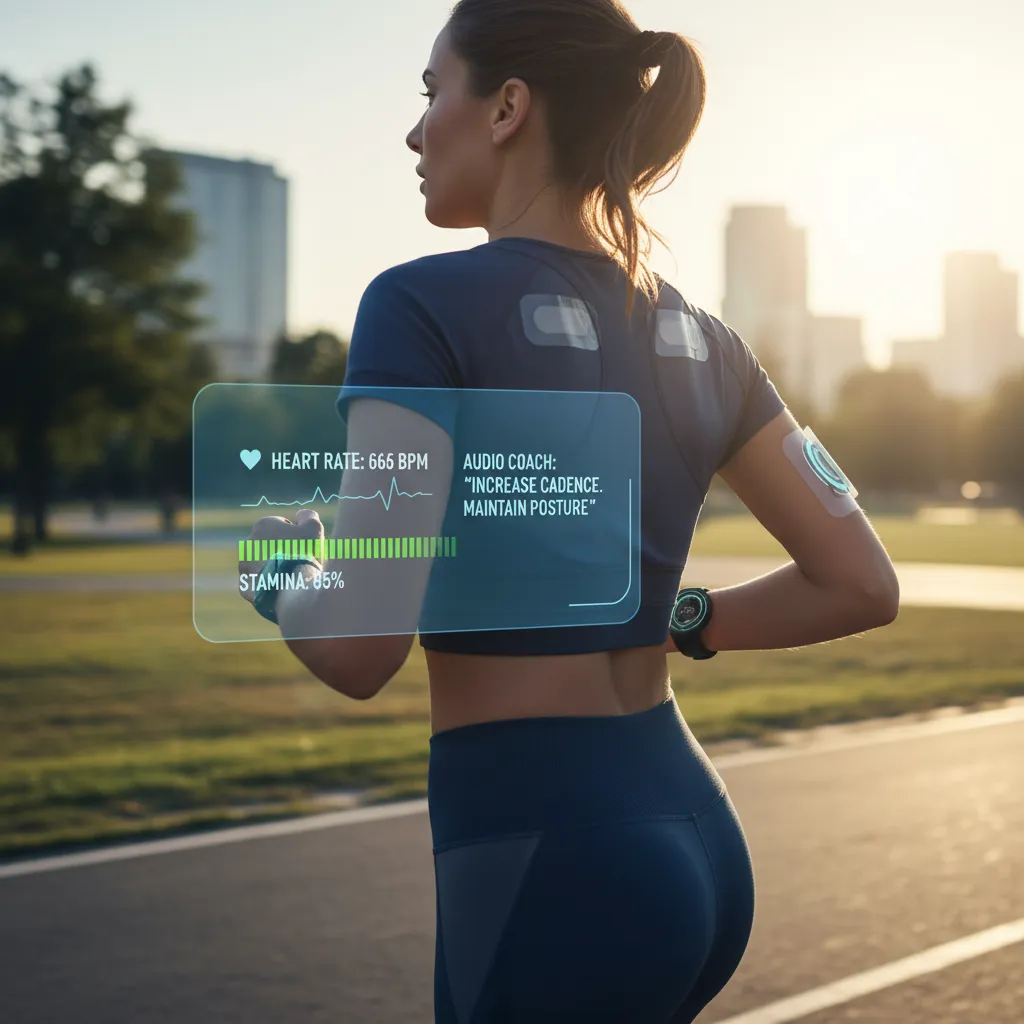
Some advanced systems can even analyze your movement during exercises like running or lifting, providing real-time feedback to improve your form and prevent injury—a true digital health coaching experience.
AI-Powered Habit Tracking and Personalized Training
The one-size-fits-all workout plan is dead. A true AI health companion learns from your progress and adapts your plan on the fly. If you consistently crush your Tuesday runs, the AI might suggest adding intensity. If your sleep suffers after late-night workouts, it will recommend shifting your schedule.
This level of personalization fosters consistency. The system isn’t just a tool; it becomes a partner in your fitness journey, making the process of AI-powered habit tracking feel less like a chore and more like a collaborative effort. Related: Pack Smart & Travel Green: Your Guide to Eco-Friendly Gear for Sustainable Adventures
The New Frontier: AI for Mental Performance and Productivity
Perhaps the most exciting evolution in wearable tech is its expansion into cognitive and professional enhancement. The same principles used to optimize the body are now being applied to optimize the mind. These AI productivity wearables are becoming indispensable tools for knowledge workers, creatives, and anyone looking to gain a mental edge.
Taming the Monkey Mind: Stress Management AI Tech
Chronic stress is a silent killer of productivity and well-being. Mental performance wearables are designed to fight it proactively. Using EDA and HRV sensors, these devices can detect the physiological onset of a stress response, often before you consciously realize it.
When stress is detected, the device can trigger a notification, prompting you to engage in a guided breathing exercise or take a short walk. This stress management AI tech helps break the cycle of spiraling stress, allowing you to reset and regain control. It’s a powerful application of behavioral AI coaching that helps you build resilience over time.

Unlocking Deep Work with AI for Sustained Focus
In our distraction-filled world, the ability to focus is a superpower. Cognitive function wearables aim to help you cultivate it. Form factors like smart rings coaching devices or headbands can monitor biometric signals related to focus and mental effort.

Imagine your smart ring subtly vibrating to let you know your focus is waning, suggesting it’s time for a 5-minute break. This is AI for sustained focus in action. By tracking your focus sessions, the AI can help you understand your unique productivity rhythms:
- When are your peak focus hours?
- How long can you maintain deep work before needing a break?
- What activities recharge your mental batteries most effectively?
This data allows you to structure your day for maximum output, transforming how you approach your work and wearable tech personal development. Related: Personal AI Agents: Your Digital Co-Pilot for Work and Life
The Unsung Hero of Performance: Sleep Optimization with AI
Every aspect of peak performance—physical and mental—is built on a foundation of quality sleep. Sleep optimization AI has become one of the most valuable features of modern wearables.
Instead of just tracking time in bed, these devices use a combination of sensors to analyze your sleep architecture:
- Light Sleep: The initial stage of sleep.
- Deep Sleep: The physically restorative stage where tissue repair and growth occur.
- REM Sleep: The mentally restorative stage crucial for memory consolidation and learning.
The morning after, you don’t just get a number; you get a story. The AI provides a detailed breakdown of your night and offers concrete advice to improve it. For example, it might correlate a late-night meal or evening alcohol consumption with a drop in Deep or REM sleep, nudging you toward better habits. This is proactive health monitoring at its finest, helping you refine your AI-enhanced daily routine for better days and nights. Related: iOS 18 Features: Apple Intelligence, RCS, and Everything New
A 360-Degree View: The Rise of Holistic Wellness AI Devices
The ultimate vision for this technology is a single, integrated system that understands the complete you. The silos between physical fitness, mental health, and productivity are breaking down. Holistic wellness AI devices are at the forefront of this movement.
They synthesize data from every part of your day to provide a comprehensive picture of your well-being. The AI understands that a poor night’s sleep will impact your ability to focus at work and your capacity for a tough workout. It sees the connection between a stressful meeting at 2 PM and an elevated resting heart rate that evening.
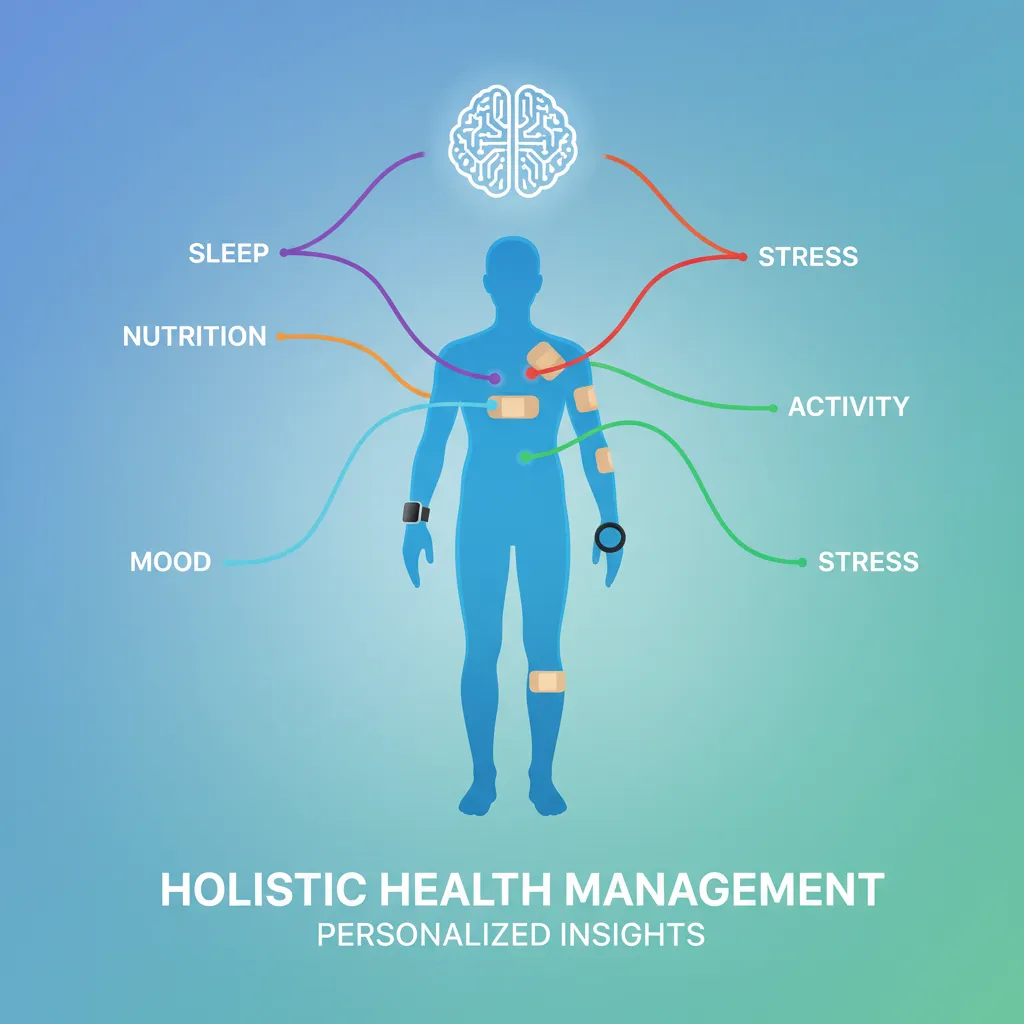
This interconnected approach is enabling a new era of hyper-personalized guidance. As wearable device innovation continues, we’re seeing this intelligence embedded in new forms, from advanced smart rings to smart textile coaching (clothing with woven-in sensors). The goal is to make the technology disappear into the background, providing seamless, context-aware coaching that enhances your life without demanding your constant attention. Related: Explainable AI (XAI): Building Trust and Transparency in a Black Box Future
The Future of Personal Coaching is Already Here
The journey of wearable AI is just beginning, but its trajectory is clear. It’s moving from a reactive data tool to a proactive life co-pilot.
Gamified Personal Growth and Sustained Motivation
To ensure long-term engagement, developers are incorporating principles of game design. Gamified personal growth uses badges, streaks, and community challenges to make self-improvement feel rewarding and fun. This approach helps build and sustain the motivation needed for lasting behavioral change.
Proactive Health Monitoring and Early Detection
One of the most profound impacts of these devices will be in preventative health. By constantly monitoring your baselines, the AI can detect subtle deviations that may be early warning signs of illness, sometimes days before you feel symptoms. This capability for proactive health monitoring could revolutionize personal and public health. Related: Is Google’s AI Search the End of SEO as We Know It?
Integration with a Wider AI Ecosystem
The future of personal coaching will be interconnected. Imagine your wearable AI communicating with your personal AI assistant. Your wearable could inform your calendar to block out focus time after a poor night’s sleep or tell your smart home to adjust the lighting and temperature for an optimal pre-sleep routine. This creates a truly ambient, intelligent environment designed around your well-being. Related: Future-Proof Your Career: 5 Essential Skills for the AI-Driven Workforce
Conclusion: Your Potential, Amplified
Wearable AI is no longer a niche for biohackers and elite athletes. It is a powerful, accessible technology that is fundamentally changing our relationship with our own bodies and minds. By translating our internal biological data into clear, actionable, real-time advice, these devices are democratizing personal optimization.
From the AI fitness coach that perfects your stride to the mental performance wearables that guard your focus, this technology offers a multi-faceted approach to peak performance. It’s a holistic system for a healthier, more productive, and more resilient you.
The era of guesswork is over. The era of the data-driven, hyper-personalized, 24/7 coach has arrived. The only question left is: Are you ready to listen?
Frequently Asked Questions (FAQs)
Q1. What is wearable AI coaching?
Wearable AI coaching uses devices like smartwatches, rings, or patches equipped with advanced biosensors to collect real-time physiological data. An artificial intelligence engine then analyzes this data to provide personalized, actionable feedback and guidance on fitness, sleep, stress, and productivity, acting as a digital personal coach.
Q2. How does an AI fitness coach work?
An AI fitness coach works by collecting data on your activity, heart rate, heart rate variability (HRV), and sleep patterns. It uses this information to assess your daily readiness and recovery, then recommends specific workout types and intensities. During exercise, it can monitor your form and exertion to optimize performance and prevent injury, creating a dynamic and personalized training plan.
Q3. Are AI-powered health companions effective?
Yes, they can be highly effective. By providing objective data, personalized insights, and consistent feedback, AI health companions help users build self-awareness and make healthier choices. They excel at fostering habit formation, optimizing workout recovery, managing stress, and improving sleep quality, which are foundational pillars of overall health.
Q4. What is the difference between a fitness tracker and a wearable AI coach?
A traditional fitness tracker primarily collects and displays data (e.g., steps taken, calories burned). A wearable AI coach goes a step further by interpreting that data in the context of your overall well-being. It provides proactive, personalized recommendations and coaching, essentially answering the question, “What should I do with this information?”
Q5. Can wearables help with stress and mental performance?
Absolutely. Modern wearables with EDA and HRV sensors can detect physiological signs of stress in real-time. They can then prompt users with guided breathing exercises or mindfulness breaks. By tracking focus periods and identifying patterns in your daily energy, they also provide insights to help you improve productivity and cognitive function.
Q6. What is the future of personal coaching with wearable technology?
The future lies in deeper integration, greater proactivity, and new form factors like smart clothing. We can expect wearables to become even better at early health detection, seamlessly integrate with other AI systems in our lives (like smart homes and personal assistants), and provide even more nuanced and holistic coaching across every facet of human performance.