AI-Powered Predictive Home Security: Smart Systems for Peace of Mind

That nagging feeling when you leave home—did I lock the back door? Is that package safe on the porch? For decades, home security has been a reactive measure. A window breaks, a sensor trips, and an alarm blares. While better than nothing, this model waits for the crisis to begin. But what if your security system could think, learn, and even anticipate a threat before it happens?
Welcome to the era of AI-powered predictive home security. This isn’t science fiction; it’s the next evolution in protecting your property and loved ones. By leveraging artificial intelligence, machine learning, and advanced sensors, these next-gen smart security systems are transforming home defense from a simple alarm into an intelligent, proactive guardian.
In this comprehensive guide, we’ll explore the world of intelligent home defense. You’ll learn how these systems work, discover the game-changing features they offer, understand the benefits of upgrading, and navigate important considerations like privacy and cost. It’s time to move beyond simple motion alerts and embrace true peace of mind.
Beyond Motion Alerts: What Exactly is AI-Powered Home Security?
Traditional security systems are fundamentally simple. They operate on a binary set of rules: if a sensor is tripped, an alarm sounds. This leads to a barrage of frustrating false alarms—a pet walking by, a tree branch swaying in the wind, or a car’s headlights sweeping across a window.
AI home security systems operate on a completely different level. They use sophisticated algorithms to analyze data from cameras and sensors, adding a layer of context and understanding. Instead of just detecting motion, they interpret it.
This is the fundamental shift from reactive to proactive and predictive security. The system’s goal isn’t just to alert you to a break-in but to identify suspicious behavior and deter a potential intruder long before they attempt to enter.
At the heart of this revolution are several key technologies:
- Machine Learning: The system continuously learns the normal patterns of your home environment. It knows your family members’ faces, recognizes your vehicles, and understands the daily rhythm of deliveries and visitors.
- Computer Vision: This allows AI security cameras to “see” and identify specific objects. It’s the technology that can tell the difference between a person, a package, an animal, and a vehicle, dramatically reducing false positives.
- Behavioral Analytics: This is where the “predictive” power comes in. The AI analyzes sequences of events to spot anomalies. A person walking down the sidewalk is normal. A person walking onto your lawn, hiding behind a bush, and peering into a window is an anomaly that triggers a high-level alert.
Related: Apple Intelligence: The Personal AI Revolution Across Devices
The Core Engine: How Predictive Security Learns and Protects
To truly appreciate the power of an AI-enhanced security system, you need to understand how it processes information. It’s a sophisticated cycle of data collection, analysis, and action that makes your home safer and smarter.
Data Collection: The Eyes and Ears of Your Smart Home
Everything starts with data. AI surveillance systems rely on a network of high-definition cameras, microphones, and sensors (door/window, motion, glass-break) to gather a constant stream of information about the environment in and around your home. Unlike older systems, the quality and type of this data are crucial for the AI to function effectively.

Machine Learning in Action: From Raw Data to Actionable Insights
This raw data is fed into the system’s machine learning models. The AI begins by establishing a baseline of normalcy for your property.
- Pattern Recognition: It learns the typical times your family comes and goes. It knows the mail carrier arrives around 2 PM and that your neighbor walks their dog past your house every morning at 7 AM. This “normal” activity is logged but doesn’t trigger alerts.
- Anomaly Detection: The system’s primary job is to spot deviations from these established patterns. A car idling in front of your house for ten minutes at 3 AM is an anomaly. A person walking up your driveway and then circling to the back of the house is an anomaly.
This is the core of machine learning home security. It’s not about pre-programmed rules; it’s about dynamic learning and adaptation. For example, it can differentiate between a delivery driver leaving a package on your porch (a normal event) and someone approaching your porch to steal that same package (an anomalous, threatening event).
The “Predictive” Leap: Anticipating Threats Before They Happen
The true magic happens when the AI combines multiple data points to assess a potential threat level. This is the essence of predictive home security.
Consider this scenario:
- A car the system doesn’t recognize parks down the street. (Low-level data point)
- A person exits the vehicle and walks past your house several times. (Interest level increases)
- The person then enters your yard and approaches a side window, partially obscured by bushes. (Threat level escalates significantly)
A traditional system would do nothing until the window was broken. An AI system, however, has already identified a high-probability threat. At this point, it can take proactive measures, such as activating floodlights, playing an audible warning like “You are currently being recorded,” and sending a priority alert to your phone with a live video feed. This is smart home crime prevention in action.
Related: The Future of Fitness: How AI is Personalizing Your Health Journey
Key Features Transforming Home Defense
The intelligence behind these systems enables a suite of AI enhanced security features that were once unimaginable. These capabilities work together to create a comprehensive and user-friendly security ecosystem.
Intelligent Video Surveillance: More Than Just a Camera
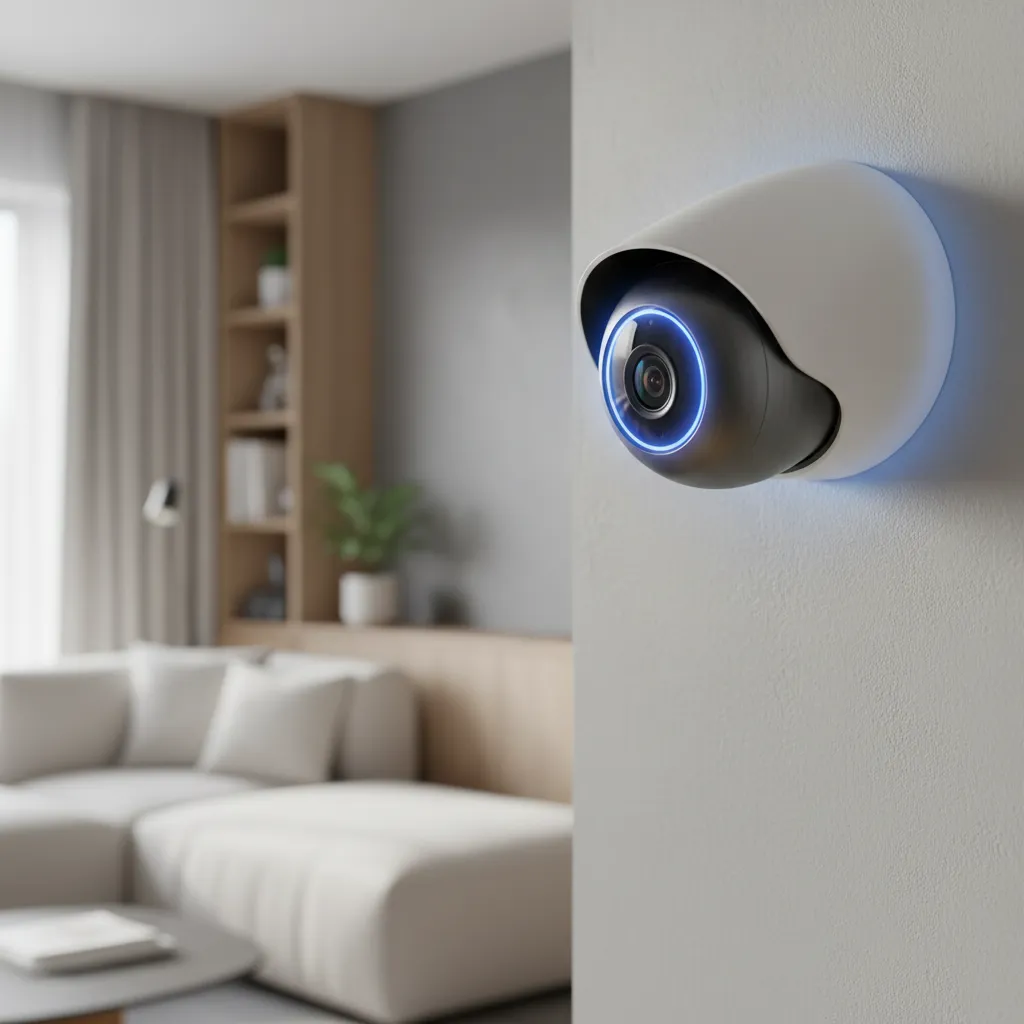
Modern AI security cameras are the frontline soldiers of your home defense. Their onboard processing power allows them to analyze video in real-time.
- Facial Recognition: Authorized users (family, friends, dog walkers) can be added to a database. The system can then send you specific notifications like, “Sarah is home from school,” or ignore alerts for familiar faces, while flagging any unrecognized person.
- Advanced Object Detection: This is a huge leap in reducing notification fatigue. You can set rules to only be alerted when a person or vehicle is detected in a specific zone, ignoring animals, blowing leaves, or rain. Some systems even offer package detection, telling you when a delivery has arrived and when it’s been picked up.
- AI Motion Detection: By understanding what objects are and how they should move, wireless AI home security cameras can filter out insignificant motion. This means no more 3 AM alerts because a spider built a web in front of the lens.
AI-Powered Alarm Systems and Smart Locks
The intelligence extends beyond cameras to your home’s entry points. AI-powered alarm systems use behavioral analytics to understand intent. For example, a door opening at a normal time is fine, but a door being tampered with or forced open triggers an immediate alarm.
Smart lock AI integration adds another layer of security and convenience. Your system can:
- Automatically lock all doors when the system is armed.
- Suggest locking a door if it’s been left unlocked for an extended period at night.
- Integrate with the video feed, so when someone uses a code to unlock the door, you can see a snapshot of who it was.
Furthermore, voice assistant home security AI allows for seamless control. Simple commands like “Hey Google, arm the security system” make managing your home’s safety effortless.
Proactive Threat Deterrence
This is a critical feature of intelligent home defense. Instead of just recording a crime, the system actively tries to prevent it. When suspicious activity is detected, the system can automatically:
- Activate smart floodlights to illuminate the area.
- Play pre-recorded messages or a loud siren.
- Enable two-way audio, allowing you to speak directly to the person through your phone, no matter where you are.
Often, the simple act of being seen and acknowledged is enough to make a potential burglar abandon their plans and seek an easier target.
Seamless Smart Home Ecosystem Integration
The true power of an integrated smart home security system is its ability to orchestrate a response across all your smart devices. This is home automation security benefits realized. If a credible threat is detected, your smart home ecosystem security can trigger a chain reaction:
- All interior and exterior lights turn on to 100% brightness.
- All smart locks engage.
- Smart speakers announce a warning.
- The thermostat might even shut off the HVAC system to prevent smoke from circulating in case of a fire.
This unified response creates a powerful and disorienting environment for any intruder, enhancing the safety of anyone inside.
Related: The Eco-Tech Revolution: Sustainable Gadgets for a Greener Tomorrow
The Tangible Benefits: Why Upgrade to an Intelligent System?
Moving to an AI-powered system is about more than just having the latest technology. It provides real, tangible benefits that enhance your daily life and security.
Unparalleled Peace of Mind and Reduced Anxiety
This is perhaps the most significant benefit. Knowing your security system is actively watching for potential threats provides a level of comfort that reactive systems can’t match. You can check in on your home from anywhere, receive intelligent alerts that matter, and trust that your home is being protected by a system that learns and adapts. This is AI for property protection at its best.

Drastically Fewer False Alarms
False alarms are not just annoying; they can lead to complacency, causing you to ignore a real alert. They can also result in fines from local law enforcement in some areas. Because AI can differentiate between real threats and mundane events, the number of false alarms plummets. This means when you do get an alert, you know it’s something you need to pay attention to.
Faster, More Accurate Emergency Response
When your AI system is connected to a professional monitoring service, the quality of information provided to first responders is vastly improved. Instead of the monitoring center reporting “a motion sensor was tripped,” they can say, “we have live video of an unidentified person breaking a rear window.” This verified, real-time intelligence ensures a faster, more appropriate police response.
Enhanced Convenience and Home Automation
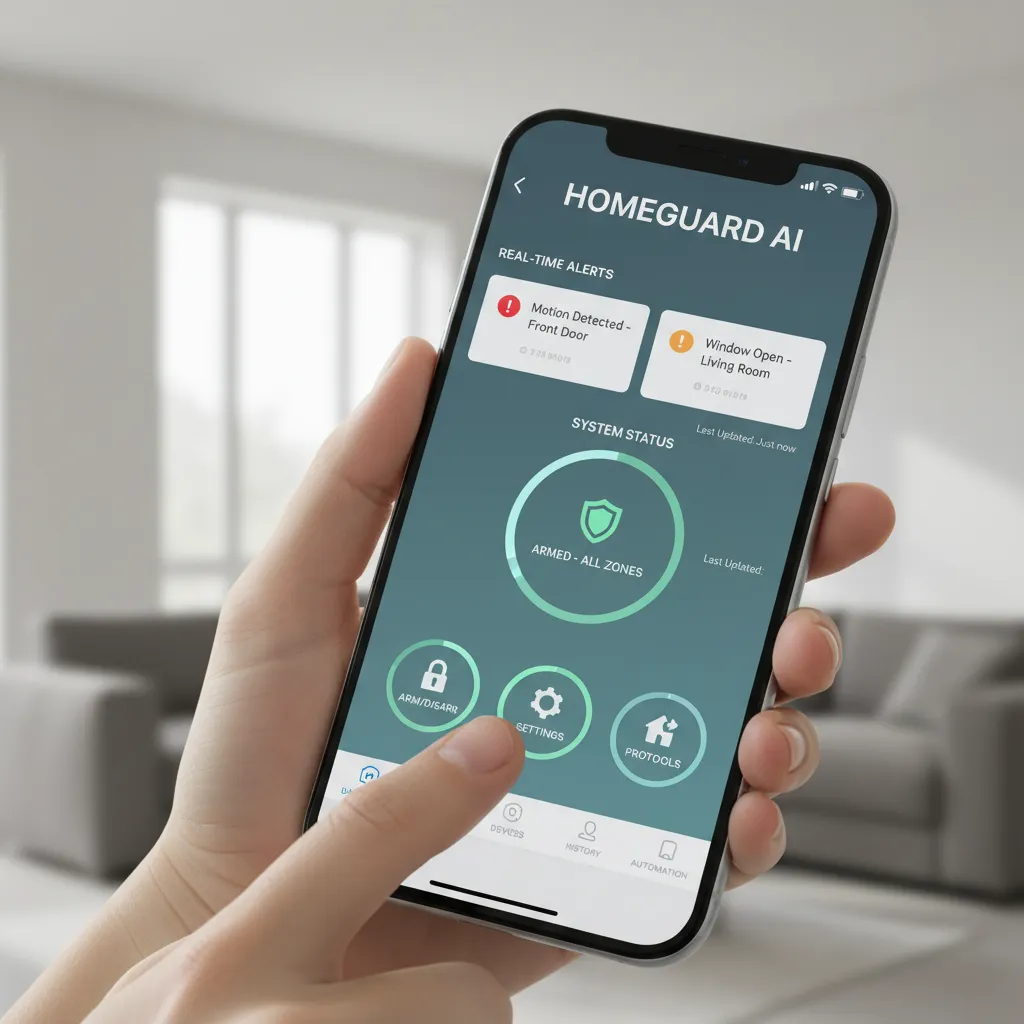
Your security system becomes a central hub for your smart home. Get a notification on your phone when your children arrive home from school, with a video clip of them walking through the door. Remotely grant access to a pet sitter with a temporary code for the smart lock. Check if you remembered to close the garage door from your office. This level of control and insight simplifies daily life.
Choosing Your System: DIY vs. Professional Installation
When it comes to implementing an AI security system, you generally have two paths: doing it yourself or hiring a professional.
The DIY AI Home Security Route
A growing number of companies offer sophisticated, easy-to-install DIY AI home security devices.
- Pros: Lower upfront cost, no long-term contracts, greater control over your data and devices, and the flexibility to expand your system over time.
- Cons: Requires some technical comfort for setup and maintenance. You are responsible for designing the system’s layout, which could leave security gaps. Monitoring is often self-monitored, meaning you are responsible for contacting emergency services.
- Best For: Tech-savvy homeowners, renters, or those on a tighter budget who want advanced features without professional installation fees.
Professional AI Security Installation
Established security companies offer complete, professionally installed and monitored systems.
- Pros: A security expert designs a custom system for your home’s specific vulnerabilities. Professional installation ensures everything works correctly from day one. Includes 24/7 professional monitoring for fire, medical, and intrusion emergencies.
- Cons: Higher upfront equipment and installation costs. Almost always requires a multi-year monitoring contract with a monthly fee.
- Best For: Homeowners who want a comprehensive, hands-off solution with the assurance of professional oversight.
| Feature | DIY AI Home Security | Professional AI Installation |
|---|---|---|
| Upfront Cost | Lower | Higher |
| Monthly Fees | Optional (for cloud storage) | Required (for monitoring) |
| Installation | Self-installed | Professional technician |
| Contracts | Typically none | Multi-year contracts common |
| Monitoring | Self-monitored | 24/7 professional monitoring |
| Flexibility | High (mix and match brands) | Lower (locked into one ecosystem) |
| Support | Community forums, online help | Dedicated customer support line |
Addressing the Elephant in the Room: Privacy and Cost
As with any technology that involves cameras and data, it’s crucial to address the valid concerns around privacy and affordability.
Navigating Privacy Concerns with AI Security
The idea of AI cameras analyzing your home can be unsettling. However, reputable manufacturers of the best AI security systems take privacy concerns AI security very seriously. Here’s what to look for:
- End-to-End Encryption: Ensure that your video feeds are encrypted both when they are stored and when they are transmitted, making them unreadable to anyone without your credentials.
- Local Storage Options: Many systems offer the ability to store video footage on a local base station or microSD card inside the camera, so your data never has to leave your home network unless you choose to access it remotely.
- Clear Privacy Policies: Choose brands that are transparent about how they handle your data. Read their privacy policies to understand what information is collected and how it’s used.
- Two-Factor Authentication (2FA): Always enable 2FA on your security account to prevent unauthorized access even if your password is compromised.
Understanding the Cost of AI Home Security
The cost of AI home security can vary widely. It’s not just a single price but a combination of factors:
- Hardware Costs: This is the upfront cost of cameras, sensors, a base station, and any other equipment. A starter DIY kit might be a few hundred dollars, while a comprehensive professionally installed system can run into thousands.
- Subscription Fees: Many systems require a monthly fee to unlock their full AI capabilities, store video footage in the cloud, or connect to professional monitoring services. These can range from $10 to over $60 per month.
- Installation Fees: For professional systems, there is often a one-time installation fee.
It’s essential to budget for both the initial purchase and the ongoing subscription costs to get a true picture of the total investment.
Related: AI and Robotics: Fueling the Next Giant Leap in Martian Colonization
The Future of Home Security is Already Here
The field of advanced smart security is evolving at a breathtaking pace. Current smart home security trends point towards an even more integrated and intelligent future. We can expect to see deeper integration with AI assistants, the use of small security drones to patrol larger properties, and hyper-personalization where the system can adjust security protocols based on who is home.
The technology is no longer a futuristic concept. It’s available, accessible, and offers a fundamental upgrade to how we protect our homes and families.
Conclusion: A Smarter Way to Stay Safe
AI-powered predictive home security represents a paradigm shift. It moves us away from alarms that simply react to a crisis and towards intelligent systems that understand their environment, deter threats, and provide unparalleled peace of mind. By intelligently filtering out noise, learning the unique patterns of your life, and leveraging proactive deterrence, this next-gen technology turns your house into a truly smart, secure home.
Whether you choose a DIY setup or a professionally installed system, investing in an AI-powered security solution is an investment in proactive protection and daily convenience. Isn’t it time your home’s security was as smart as the rest of your life?
Frequently Asked Questions
Q1. What is the difference between smart security and AI security?
Smart security generally refers to systems that are connected to the internet, allowing for remote control and basic alerts on your phone. AI security is a subset of smart security that adds a layer of intelligence. It uses machine learning and computer vision to analyze data, differentiate between real threats and false alarms (like telling a person from a pet), and even predict potential security events based on behavior.
Q2. Can AI security systems really predict crime?
While they can’t predict crime with 100% certainty, they can predict and identify high-risk situations. AI systems excel at anomaly detection—spotting behavior that deviates from the norm. By flagging a person loitering or testing a door handle, the system can alert you to a probable threat before a crime like a break-in occurs, allowing for proactive deterrence.
Q3. How does facial recognition work in home security?
Facial recognition home security systems use AI to map the unique facial features of individuals from video footage. You can create a library of “familiar faces” (family, friends). When a camera sees a person, it compares their face to the library. If it’s a match, it can ignore the event or send a custom notification (e.g., “The kids are home”). If the face is unrecognized, it can trigger a higher-level security alert.
Q4. Are AI security cameras an invasion of privacy?
This is a valid concern. To mitigate privacy risks, it’s crucial to choose reputable brands with strong security policies, such as end-to-end encryption for video streams. Many systems also offer privacy shutters, activity zones to exclude sensitive areas from recording, and options for local storage, so your data never has to be uploaded to the cloud.
Q5. Is professional monitoring necessary for AI security systems?
It is not strictly necessary but is highly recommended for comprehensive protection. Self-monitoring (where you receive the alerts) is effective if you are always available to see the alert and contact the authorities. Professional 24/7 monitoring ensures that even if you miss an alert, a trained professional is ready to verify the threat and dispatch emergency services, providing a crucial safety net.
Q6. What is the average cost of an AI-powered home security system?
The cost varies greatly. A DIY starter kit with a few cameras and sensors can range from $200 to $800 upfront. A professionally installed system can cost $1,000 or more for hardware and installation. Additionally, you must factor in optional or required monthly subscription fees, which can range from $10 for cloud storage to $60+ for professional monitoring.
Q7. Can I integrate AI security with my existing smart home devices?
Yes, most of the best AI security systems are designed to be a core part of a smart home ecosystem. They can integrate with platforms like Amazon Alexa, Google Assistant, and Apple HomeKit. This allows your security system to trigger other devices, such as turning on lights, locking doors, or making announcements on smart speakers when a security event is detected.