What is GPT-4o? The Free AI That Sees & Hears

Introduction: The Dawn of the True AI Assistant
For years, we’ve watched artificial intelligence evolve from text-only chatbots to complex, multi-layered systems. Yet, a seamless, human-like interaction—one where the AI could fluidly understand voice, sight, and text simultaneously—remained the stuff of science fiction.
That changed fundamentally with the openai gpt-4o launch.
GPT-4o, where the ‘o’ stands for “omni,” is more than just an incremental update to the venerable GPT-4. It represents a monumental architectural shift, introducing a single, natively multimodal ai model capable of processing and generating text, audio, and images faster and more intelligently than any predecessor. This isn’t just a new feature set; it’s the chatgpt new model that redefines what a truly intelligent digital ai assistant can be.
This breakthrough is especially significant because the core functionality of gpt-4o has been made widely accessible. A crucial part of the story is the answer to the pressing question: is gpt-4o free? The short answer is yes—OpenAI has rolled out much of its enhanced capability, including the highly-anticipated voice mode chatgpt features, to all users, even those on the free chatgpt access tier.
In this comprehensive guide, we will unpack exactly what is gpt-4o, explore its groundbreaking gpt-4o features like real-time voice ai and advanced ai vision capabilities, and conduct a detailed gpt-4o vs gpt-4 comparison. If you’re looking to understand the next great leap in artificial intelligence and how to leverage the best ai model 2024, you’ve come to the right place.
The Architectural Revolution: Deconstructing the GPT-4o Omnimodel
The defining characteristic of GPT-4o is not its individual capabilities, but how it integrates them. To understand why this model is so revolutionary, we must look under the hood at the concept of the “omnimodel.”
What Does the “o” Stand For? Omni.
The “o” in GPT-4o stands for Omni, signifying its comprehensive ability to handle all input and output modalities—text, audio, and vision—through a unified network.
Prior generations of ChatGPT, including GPT-4, processed different modalities by chaining together several specialized models. For example, when you used voice mode with GPT-4:
- Speech-to-Text: An initial model transcribed your voice into text.
- Core Intelligence: GPT-4 processed the text input and generated a text response.
- Text-to-Speech: A final model synthesized the text response back into an artificial voice.
This handoff created friction, lag, and lost nuance. If your tone was urgent or questioning, those subtle audio cues were often lost during the transcription phase, leading to less empathetic or contextual responses.
The Fundamental Shift: From Chained Models to a Single Unified Network
The gpt-4 omni model eliminates this chaining. GPT-4o was trained from the ground up as a single, large neural network that operates natively across text, audio, and vision.
This means:
- The model receives audio input, for example, directly from the microphone and understands both the words spoken and the emotion, tone, and pacing of the voice, all within the same computational framework.
- It can generate text, a visual output (like an image or chart), or synthetic speech that retains the conversational flow and tone of the input.
This architectural efficiency is the key driver behind the incredible speed and responsiveness demonstrated in every gpt-4o demo. The average response time for voice input has dropped from 5.4 seconds (GPT-4) to as low as 232 milliseconds (GPT-4o), nearly instantaneous and on par with human conversation latency. This shift makes true conversational ai possible.
[Related: AI in Healthcare: Revolutionizing Personalized Medicine]
GPT-4o Features: Seeing, Hearing, and Feeling AI
The theoretical advancements translate directly into features that feel genuinely futuristic. GPT-4o moves beyond being a sophisticated database query tool to becoming a perceptive, real-time partner.
1. Real-Time Conversational AI: The New Voice Mode
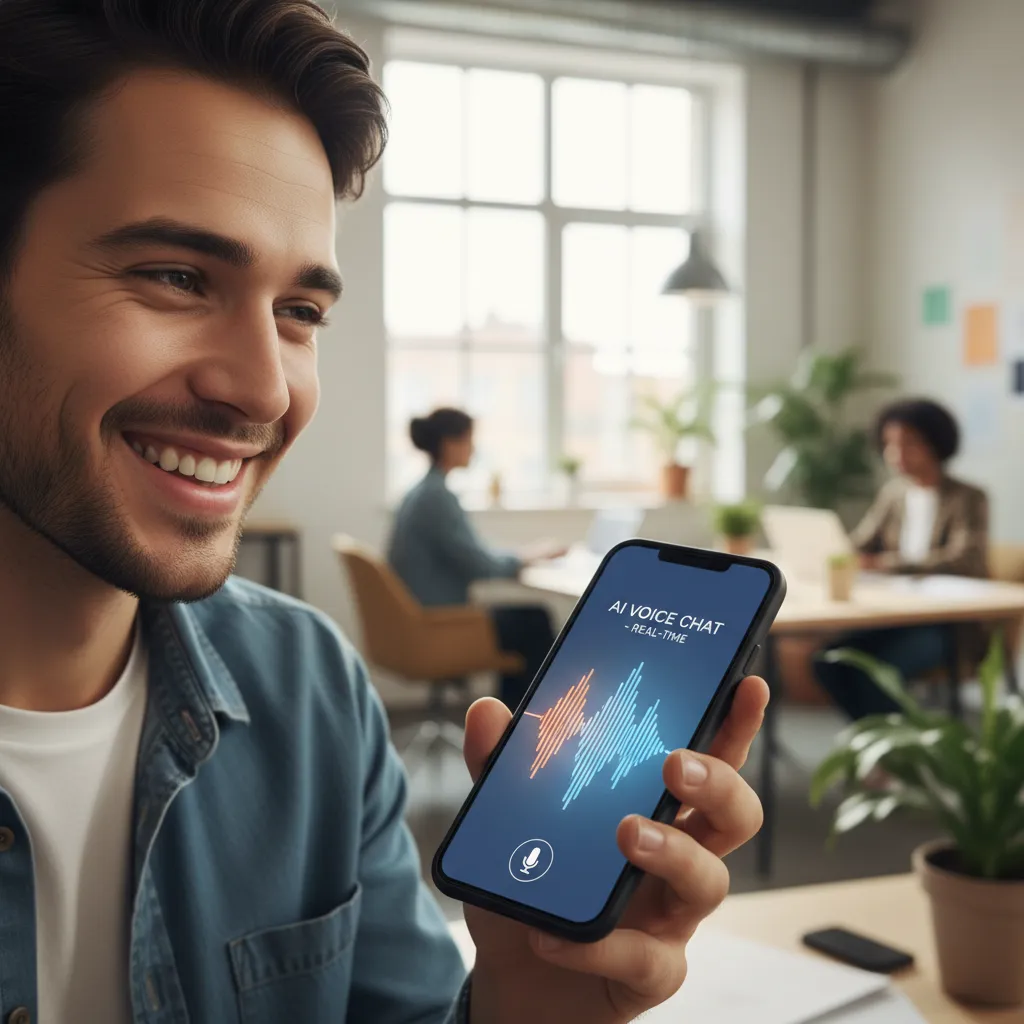
The real-time voice ai in GPT-4o is perhaps its most arresting feature. It fundamentally changes the user experience, transforming the static voice assistant into a dynamic conversational agent.
The key differences observed in the new voice mode:
- Interruption Capability: Unlike previous models that required you to finish speaking before they began processing, GPT-4o can be naturally interrupted mid-sentence, just like a human.
- Tonal Understanding: The model can listen to the user’s tone—whether they sound excited, sad, or confused—and adjust its response delivery and word choice accordingly.
- Emotional Range in Output: GPT-4o can respond in various styles and even sing or express specific emotions in its output voice, dramatically improving the perceived humanity of the interaction.
Imagine using your ai assistant to rehearse a job interview. GPT-4o doesn’t just evaluate your answers; it evaluates your cadence and emotional delivery, offering coaching based on nuance, not just content.
2. Superior AI Vision Capabilities
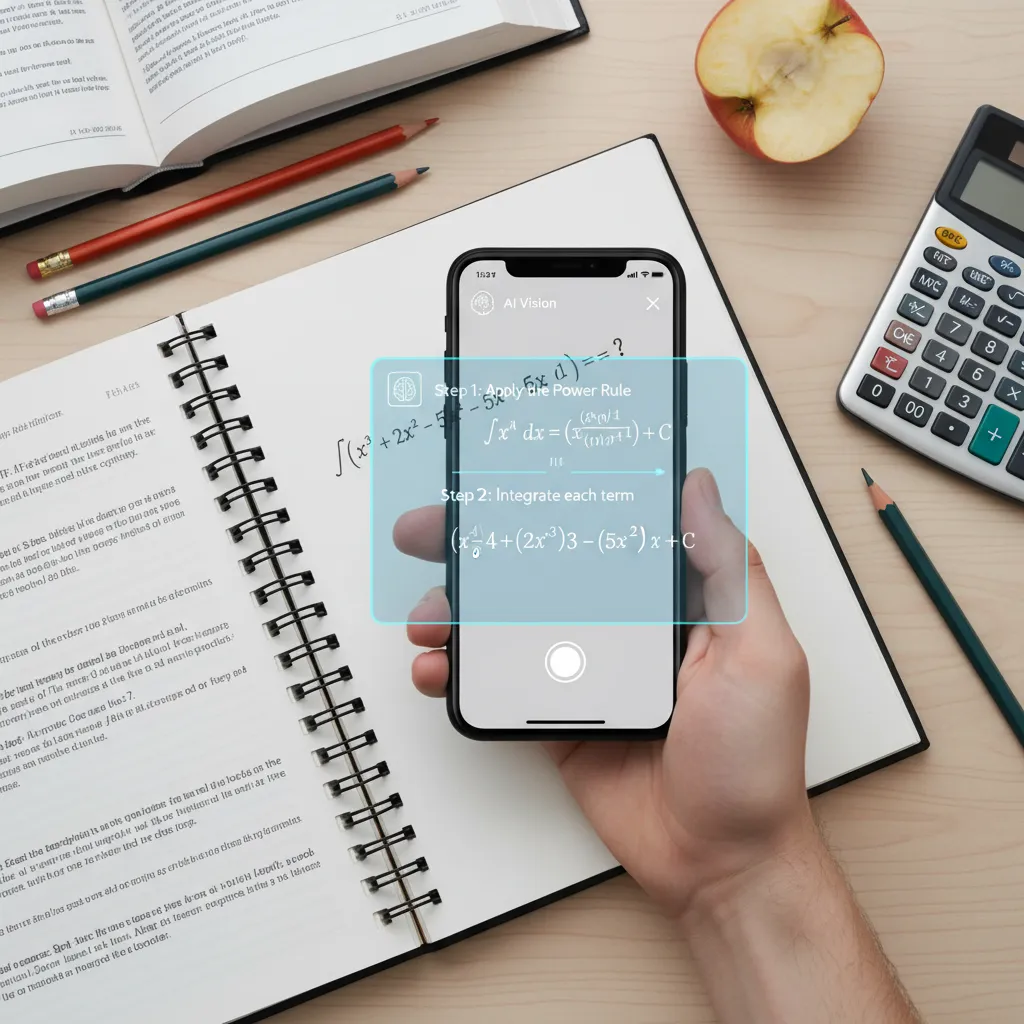
The model’s visual processing power sets a new benchmark for ai vision capabilities. Using your device’s camera, GPT-4o can instantly analyze complex visual information and engage in a real-time dialogue about what it sees.
This transcends simple image captioning. GPT-4o can process live video streams and analyze data, making it a potentially invaluable tool for daily tasks and specialized professional scenarios.
| GPT-4o Vision Use Case | Description | Advantage over Previous Models |
|---|---|---|
| Solving Math Problems | Analyzing handwritten equations or complex diagrams and explaining the solution step-by-step verbally. | Instant, interactive interpretation of physical input. |
| Real-Time Translation | Reading text on a sign in a foreign language (e.g., Japanese) and translating it out loud into English instantly, even maintaining the sign’s context. | Zero latency translation of visual data. |
| Coding Assistance | Looking at a poorly functioning physical setup (e.g., cables plugged into a router) and troubleshooting based on visual recognition of hardware. | Seamless integration of visual and technical knowledge. |
3. Unprecedented Speed and Low Latency
The sheer speed is the most immediate, tangible benefit for users. The dramatic reduction in latency is what makes the conversational ai feel truly real.
For text-based interactions, GPT-4o is significantly faster than GPT-4 Turbo, offering high-quality results at a brisk pace. For API consumers, this translates to lower costs and faster application performance, making it the superior choice for building responsive applications. The underlying improvement in natural language processing efficiency is staggering, positioning GPT-4o as a major highlight in current ai technology trends.
4. Code Generation and UI Recognition
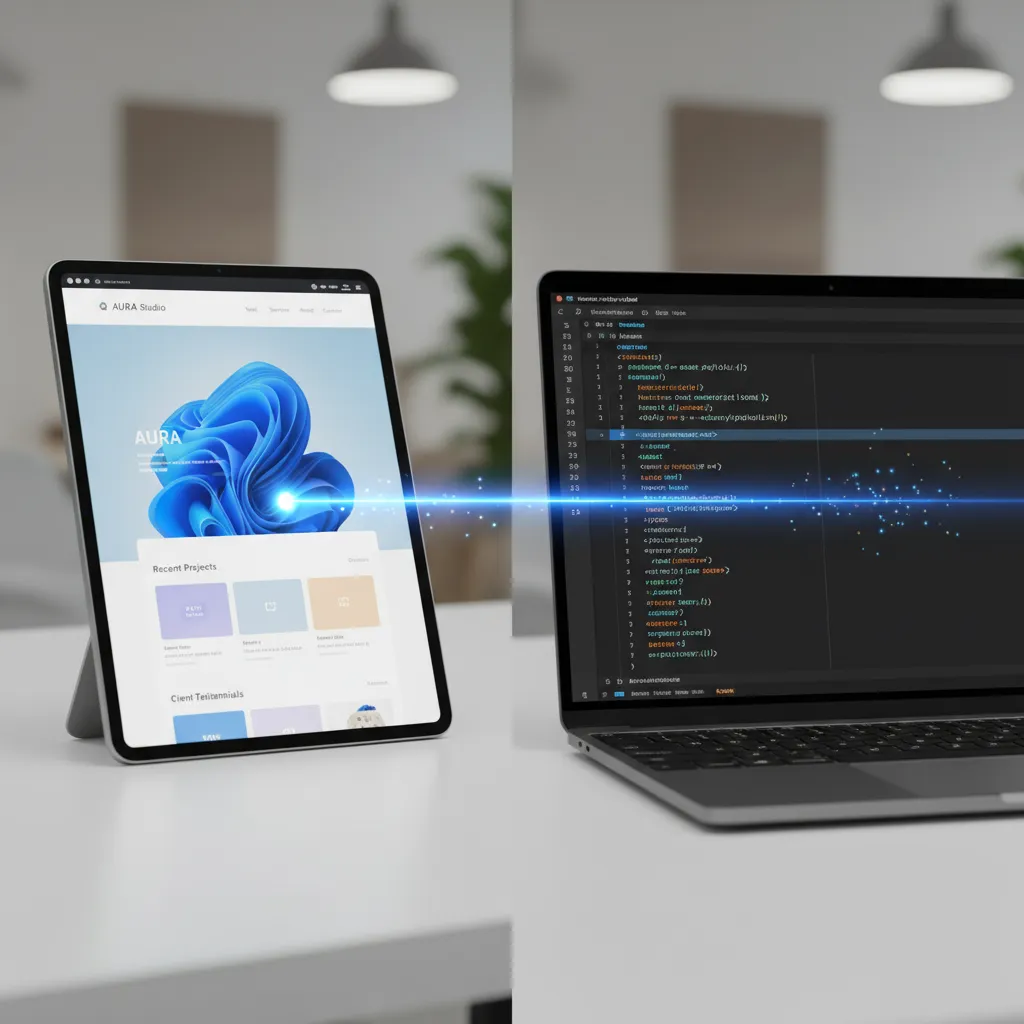
For developers, GPT-4o offers powerful, rapid coding capabilities. It can interpret visual mockups or descriptions of user interfaces and generate corresponding code (HTML, CSS, JavaScript) almost instantly.
This ability to transform static or dynamic visual input into functional code accelerates the development pipeline dramatically. It’s an ideal tool for rapid prototyping and generating boilerplate code, allowing human gpt-4o for developers to focus on complex logic and architecture.
[Related: Best AI Tools for Personal Productivity and Daily Life]
5. Emotion and Tone Detection
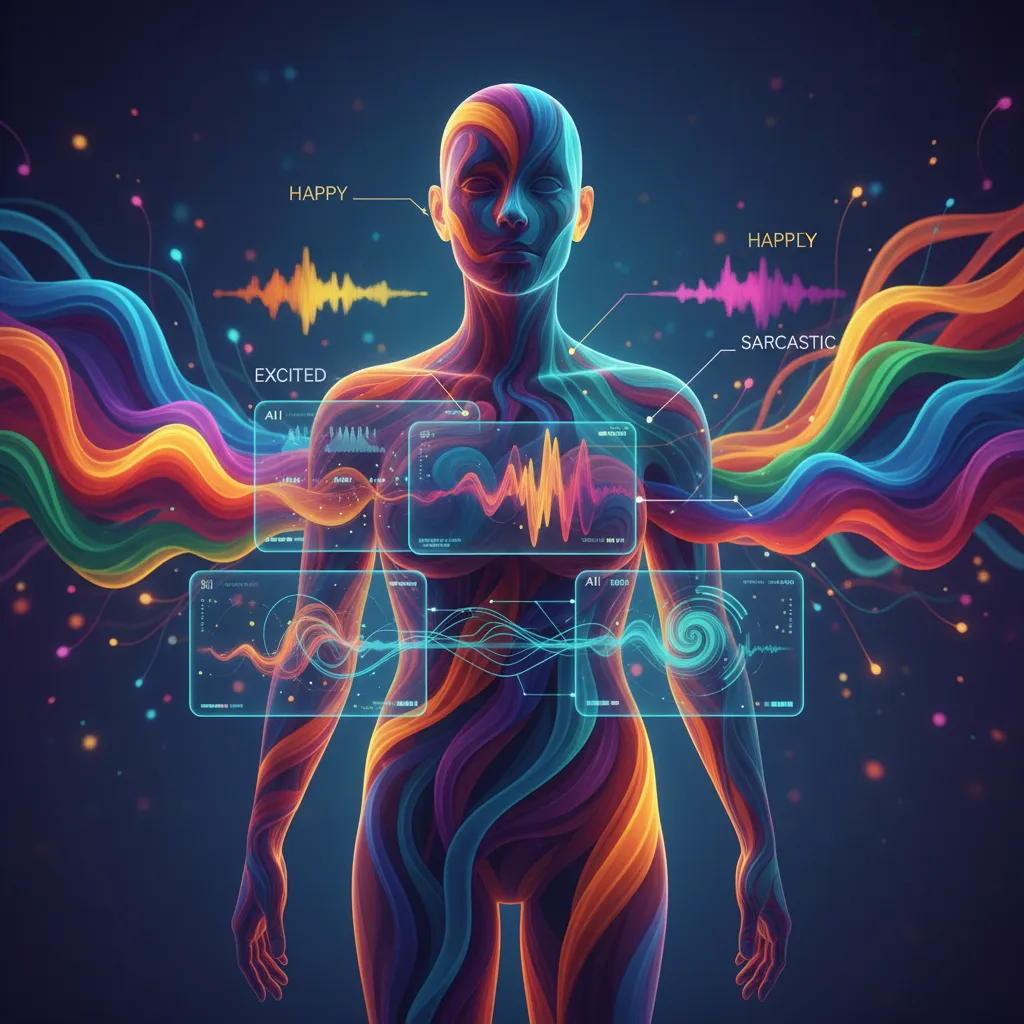
One of the most human-like gpt-4o capabilities is its ability to interpret subtle cues. When analyzing audio, the model can detect the user’s emotional state—frustration, excitement, hesitation—and tailor its response accordingly.
This feature moves the ai assistant from being purely informational to being emotionally intelligent.
- If a user sounds frustrated trying to debug code, the AI might respond with a calming, empathetic tone and simplify the explanation.
- If a user sounds excited about a new idea, the AI can match that enthusiasm, enhancing the collaborative feel.
This nuanced multimodal ai model understanding is vital for applications in areas like education, customer service, and mental health assistance.
[Related: AI in Mental Health: Revolutionizing Care and Well-Being]
Is GPT-4o Free? Breaking Down the Access Model
One of the most talked-about aspects of the openai spring update was the dramatic increase in accessibility for the general public. OpenAI has made a significant portion of the GPT-4o functionality available to all users, addressing the query: is gpt-4o free?
Access for Free Users vs. Paid Subscribers
Yes, GPT-4o is largely accessible to free users of ChatGPT, but with certain limitations compared to Plus subscribers.
| Feature/Metric | Free Users (Basic Access) | ChatGPT Plus ($20/month) |
|---|---|---|
| Model Access | GPT-4o is the default model. | Unlimited access to GPT-4o, with higher priority. |
| Usage Limit | Strict usage caps and rate limits. Once limits are hit, users are downgraded to GPT-3.5. | 5x higher message caps for GPT-4o. |
| Vision & Voice | Available, but priority given to paid users during peak times. | Full, guaranteed access to all multimodal features. |
| Advanced Tools | Limited data analysis, file uploads, memory, and custom GPTs. | Full access to advanced data analysis, file handling, web browsing, and custom GPT features. |
This strategy ensures that the power of the gpt-4 omni model can be experienced by everyone, driving adoption and gathering feedback, while incentivizing heavy or professional users to upgrade. It’s a powerful move that positions GPT-4o as a truly universal ai assistant.
Understanding Rate Limits and Usage Tiers
For users on the free chatgpt access plan, the primary limitation is the usage cap. During high-demand periods, especially immediately following the gpt-4o release date, free users may find their access to the model temporarily throttled, forcing a temporary fallback to GPT-3.5, which is notably less capable in reasoning and multimodality.
Paid subscribers (Plus, Team, Enterprise) benefit from substantially higher message limits, ensuring continuous access to the full gpt-4o capabilities even during peak operational times. For any serious student, professional, or gpt-4o for developers using the API, the paid tiers offer necessary reliability and capacity.
GPT-4o vs. GPT-4: Why the Upgrade Matters
Comparing gpt-4o vs gpt-4 reveals a distinction between two generations of AI. While GPT-4 set the standard for powerful large language models (LLMs), GPT-4o establishes the new standard for the integrated, multimodal ai model.
| Metric | GPT-4 (Traditional) | GPT-4o (Omnimodel) | Significant Change |
|---|---|---|---|
| Core Architecture | Chained models (Text LLM + separate Speech/Vision models) | Single, unified neural network | Unified processing eliminates latency. |
| Speed (Text) | High, but noticeable processing time. | Extremely fast. Up to 2x faster than GPT-4 Turbo. | Substantial improvement for rapid iteration. |
| Latency (Audio) | Average 5.4 seconds to respond. | Average 320ms, dropping as low as 232ms. | Near real-time, human-level conversation flow. |
| Multimodality | Sequential; requires modality conversion steps. | Native; processes audio/vision/text simultaneously. | Enables natural interruption and tonal understanding. |
| Cost (API) | High, especially for multimodal tasks. | 50% cheaper than GPT-4 Turbo. | Dramatic cost reduction for large-scale applications. |
| Accessibility | Primarily paid tier (Plus). | Widely available to free users. | Democratization of high-tier AI. |
Performance Metrics: Speed, Cost, and Token Context
The performance gains in GPT-4o are not minor; they represent massive efficiencies:
- Cost Reduction: The API cost for gpt-4o price is half that of GPT-4 Turbo for both input and output tokens. This economic advantage is crucial for startups and large enterprises running high-volume applications, making high-quality AI inference drastically more affordable.
- Increased Capacity: GPT-4o generally maintains the same robust context window as GPT-4 Turbo, allowing it to remember and process vast amounts of preceding text in a single conversation.
- Benchmark Superiority: According to OpenAI’s internal testing and external gpt-4o review benchmarks (such as MMLU and HumanEval), GPT-4o meets or exceeds GPT-4 Turbo’s performance across traditional text and reasoning tasks, even while being faster and cheaper.
Multimodality Integration: True End-to-End Processing
This technical improvement is the heart of the matter. Because GPT-4o can process multimodal inputs directly, it avoids the information loss inherent in converting one modality to another. When you show GPT-4o a complex graph, it doesn’t describe the image after it has been described to it by a vision model; it processes the image’s data points and visual layout directly, leading to more accurate, contextual, and insightful answers.
This end-to-end integration is why many consider GPT-4o the true start of the next phase of AI development, significantly impacting ai technology trends.
Revolutionary GPT-4o Use Cases Across Industries
The versatile nature of the gpt-4 omni model means its potential applications span virtually every sector, moving beyond simple content generation to real-world assistance.
1. Education and Personalized Tutoring
GPT-4o is poised to revolutionize learning by offering a truly personalized, patient, and immediate tutor.
- Solving and Explaining: A student can show a photo of a textbook problem to the AI, which will verbally walk them through the solution, pausing for questions and adjusting the complexity of the explanation based on the student’s vocal feedback.
- Language Practice: Using the low-latency voice mode, GPT-4o can serve as an immersive, conversational language partner, correcting pronunciation and grammar in real time.
[Related: AI in Education: Transforming Learning for the Future]
2. Enhancing Personal Productivity
For the average user, GPT-4o acts as a highly effective productivity booster and scheduler.
- Digital Organization: You can hold up your whiteboard covered in meeting notes and tasks, and GPT-4o will instantly transcribe, categorize, and schedule action items in your calendar while you talk to it about which items are priorities.
- Brainstorming and Drafting: The rapid response time makes brainstorming sessions feel fluid, allowing you to rapidly iterate on ideas for emails, marketing copy, or project outlines, significantly reducing the “wait time” friction of older models.
3. Real-Time Translation and Global Communication
GPT-4o can listen to two people speaking different languages and translate in real-time between them, acting as a flawless universal translator.
In a professional setting, two parties speaking, for instance, Spanish and Mandarin, could use the AI on a conference call to mediate the conversation instantly. The low latency ensures the conversation maintains a natural, rapid pace, dissolving linguistic barriers for seamless communication.
4. Advanced Data Analysis and Visualization
While GPT-4 and GPT-4 Turbo introduced basic data analysis, GPT-4o expands this capacity with faster processing and deeper visual understanding. Users can upload massive datasets, ask complex questions about trends, and then ask the AI to generate a specific chart or graph (visual output) to illustrate its findings. If the user finds the resulting graph confusing, they can point to a section on the screen and verbally ask for clarification, all processed within the same unified model.
[Related: Master Money Abroad: Digital Nomad Finance Guide]
5. Specialized Use Cases for Developers
The API enhancements and multimodal inputs make gpt-4o for developers an unmatched tool:
- API Efficiency: The 50% cost reduction makes high-throughput, generative applications financially viable at scale.
- Vision-to-Code: A developer can take a picture of a diagram sketched on a napkin, and the model can immediately interpret the components and generate placeholder code structure for a specific framework (e.g., React or Python).
How to Start Using GPT-4o Today
If you have used ChatGPT before, accessing the enhanced capabilities of GPT-4o is straightforward, regardless of whether you have free chatgpt access or a paid subscription.
Accessing the New Voice and Vision Modes
- Mobile App is Key: The most powerful, real-time voice and vision capabilities are best experienced through the official ChatGPT mobile application (iOS and Android), as this utilizes your phone’s camera and microphone most effectively.
- Selecting the Model: In the web interface or the mobile app, ensure “GPT-4o” is selected from the model drop-down menu. OpenAI has made this the default for many users.
- Initiating Voice Conversation: In the mobile app, tap the headphone icon to start a conversation. You can talk freely, interrupt the AI, and experience the full range of emotional tonality.
- Using Vision: When in a chat, look for the camera/image upload icon. You can upload an image or start a live camera feed. Once the image is processed, you can immediately begin asking questions about what the AI sees.
Tips for Optimizing GPT-4o Prompts
While GPT-4o is incredibly intelligent, clear prompting still yields the best results.
- Specify the Modality: When possible, tell the AI how to behave. Example: “I need you to answer this question with the enthusiasm of a motivational speaker,” or “Analyze this image and provide a concise, bulleted list of potential problems.”
- Utilize the Context Window: GPT-4o excels at retaining complex context. Don’t be afraid to give it lengthy background information before asking the critical question.
- Focus on Real-Time Feedback: During voice mode, actively utilize the interrupt function. The model is designed to react to your input immediately, guiding the conversation more efficiently than older, turn-based models.
The Future of AI Assistants: What Comes After GPT-4o?
The introduction of the gpt-4 omni model is more than a product release; it’s a statement about the direction of artificial intelligence. The primary trend moving forward will be the continued integration of modalities, leading to more contextual, ambient, and genuinely supportive AI experiences.
The next generation of AI will likely focus on:
- Ambient Intelligence: Integrating AI into daily life so seamlessly that it anticipates needs, often without explicit prompting. Think of an ai assistant that notices you staring intently at a broken appliance and proactively suggests troubleshooting steps or even orders a replacement part.
- Long-Term Memory and Personalization: While current models have a short-term memory (the context window), future models will build a robust, persistent understanding of your preferences, history, and goals, making interactions even more hyper-personalized.
- Embodiment: The fusion of models like GPT-4o with physical robots or advanced wearable technology. Imagine conversing with an AI that can physically interact with the world around you, viewing it through its own sensor array. This accelerates the trend toward AI-integrated devices. [Related: AI Wearable Tech Revolutionizing Health and Wellness]
GPT-4o is not the end goal; it’s the definitive proof that the path to truly integrated, human-level digital intelligence is achievable, cementing its status as the best ai model 2024 and a foundational stepping stone for the true future of ai.
Conclusion: The New Standard for Conversational Intelligence
GPT-4o marks an unprecedented moment in the development of consumer artificial intelligence. By unifying text, voice, and vision into a single, highly efficient architecture, OpenAI has delivered an omnimodel that significantly outperforms its predecessors in speed, intelligence, and accessibility.
The immediate access, largely free of charge for core functions, ensures that the power of the gpt-4 omni model will rapidly infiltrate personal and professional workflows. Whether you are a developer leveraging the cheaper, faster API or a student using the real-time voice and vision to solve complex problems, GPT-4o offers a tangible leap toward a more intuitive, conversational digital future.
If you haven’t yet tried the new voice mode chatgpt, now is the time to experience the low-latency, emotionally aware ai assistant that has redefined what we expect from machine intelligence.
[Related: The Canvas Awakens: AI Art Redefining Creativity]
FAQs: Your Top Questions About GPT-4o
Q1. What is GPT-4o?
GPT-4o (the ‘o’ stands for omni) is OpenAI’s latest flagship multimodal ai model. It is unique because it was trained as a single neural network to natively process and generate text, audio, and visual information in a unified way, resulting in unprecedented speed, low latency, and enhanced intelligence.
Q2. How is GPT-4o different from GPT-4?
The primary difference lies in the architecture. GPT-4 used separate, chained models for different modalities (e.g., one model for speech-to-text, one for reasoning, one for text-to-speech). GPT-4o processes all modalities end-to-end within a single model. This architectural shift makes GPT-4o significantly faster (especially in voice mode), cheaper via API, and capable of interpreting complex inputs like tone and emotion.
Q3. Is GPT-4o available for free users of ChatGPT?
Yes, a significant amount of the gpt-4o capabilities are available to users on the free chatgpt access tier. Free users get access to the high-quality text, vision, and voice features, though they are subject to strict usage caps and rate limits, potentially falling back to GPT-3.5 during high demand. Paid subscribers receive 5x higher limits and guaranteed priority access.
Q4. When was the GPT-4o release date?
GPT-4o was announced during the openai spring update event on May 13, 2024. The model began rolling out immediately after the announcement, with the most advanced voice mode chatgpt features becoming widely available in the subsequent weeks.
Q5. Can GPT-4o truly understand human emotions?
GPT-4o’s integration of native audio processing allows it to analyze the acoustic features of a speaker’s voice, enabling it to detect nuances in tone, pitch, and pacing. While it doesn’t “feel” emotions, its ability to interpret these vocal cues and tailor its response (a capability known as emotion detection ai) makes its interactions far more contextual and human-like than previous models.
Q6. Can GPT-4o be used for real-time translation?
Yes. One of the powerful gpt-4o features is its ability to perform highly accurate, low-latency, real-time translation between multiple languages. Because of its speed (sub-350ms response time), it can mediate a conversation between two speakers of different languages almost instantly, acting as a seamless universal translator.
Q7. How can developers use GPT-4o?
GPT-4o for developers offers several advantages, primarily through its API. It is 50% cheaper and significantly faster than GPT-4 Turbo, making it economical for large-scale deployments. Furthermore, its advanced ai vision capabilities allow developers to build applications that interpret and generate code from visual inputs (like diagrams or mockups) or incorporate real-time audio analysis into their products.
Q8. What does “multimodal AI model” mean in the context of GPT-4o?
A multimodal ai model means the AI can process and generate information across different sensory modalities (text, audio, images). In GPT-4o’s case, it is an omnimodel, meaning it handles these modalities natively and simultaneously within a single system, rather than relying on separate modules to convert the input (e.g., converting audio to text before processing). This makes its understanding deeper and its interactions far more fluid.