Unleash Your Imagination: Top AI Art & Content Creation Tools for 2024
Introduction: The Dawn of a New Creative Era
In an age where digital content reigns supreme, the ability to generate stunning visuals, compelling narratives, and engaging media quickly and efficiently has become paramount. Enter Artificial Intelligence—a transformative force that is not just assisting but actively shaping the landscape of creativity. From sophisticated AI art generators that breathe life into textual prompts to intelligent writing assistants that streamline complex content creation, AI content creation tools are revolutionizing how artists, writers, marketers, and designers work.
This comprehensive guide delves into the best AI art tools and AI creative tools available in 2024, exploring how generative AI art is empowering individuals and businesses alike. Whether you’re an artist looking to explore new mediums, a writer battling creative blocks, or a marketer striving for unique campaigns, understanding and leveraging these technologies is no longer a luxury but a necessity. We’ll cover everything from free AI image generator options to advanced platforms, discuss how to use AI for art, analyze key AI art trends 2024, and touch upon the ethical implications of this powerful technology. Prepare to unleash your imagination as we navigate the exciting world of AI-powered creativity.
The AI Art Revolution: From Pixels to Masterpieces
The field of AI art has exploded, making it possible for anyone to create breathtaking visuals with just a few words. Text to image AI is at the forefront, turning descriptive prompts into intricate artworks, photorealistic images, or fantastical landscapes. This section explores the leading AI image creation online platforms and what makes them stand out.
Leading AI Art Generators: Powering Visual Innovation
When it comes to generating high-quality AI art, a few names consistently rise to the top. These platforms have defined the capabilities of modern AI art generators, offering unparalleled control, style variety, and output quality.
Midjourney: The Artistic Maverick
Midjourney has carved out a niche for itself as a favorite among digital artists for its distinct, often painterly, aesthetic and incredible ability to interpret complex prompts. It excels at creating evocative and imaginative images, making it a go-to for conceptual art, fantasy illustrations, and unique visual storytelling. While not a free AI image generator for extensive use, its subscription tiers offer access to powerful features and a vibrant community. For those seeking Midjourney alternatives, platforms like DALL-E 3 and Stable Diffusion offer different strengths and artistic leanings.
DALL-E 3: Precision and Versatility with ChatGPT Integration
OpenAI’s DALL-E 3, especially with its integration into ChatGPT, has become a powerhouse for both intricate detail and broad versatility. It boasts an impressive understanding of natural language, meaning your prompts are interpreted with remarkable accuracy, leading to outputs that closely match your vision. It’s particularly strong for more literal interpretations and commercial applications. Learning DALL-E 3 prompts can significantly enhance your results, often requiring descriptive language focusing on style, subject, and composition.
Stable Diffusion: Open-Source Powerhouse and Customization King
Stable Diffusion stands out for its open-source nature, allowing for immense customization and local installation. This makes it a popular choice for developers, hobbyists, and professional artists who want to fine-tune models, create specific styles, or integrate AI into their existing workflows. While it might have a steeper learning curve than browser-based tools, the creative freedom it offers is unmatched. Users can generate diverse Stable Diffusion art by experimenting with checkpoints, LoRAs (Low-Rank Adaptation), and various prompting techniques, making it a true AI creative tool for those who love to tinker.
 Caption: AI generating images from text prompts, transforming text descriptions into diverse visual art forms.
Beyond the Big Three: Exploring Other AI Art Tools
The landscape of AI art tools is vast and ever-expanding. Beyond the giants, several other platforms offer unique features and cater to specific needs.
- Adobe Firefly: Integrated directly into Adobe Creative Cloud applications, Firefly is designed to enhance existing creative workflows for graphic designers and illustrators. It offers features like text-to-image, generative fill, and text effects, providing a seamless experience for those already in the Adobe ecosystem. It’s a powerful AI design software that complements traditional tools.
- Canva’s Magic Media: For quick and easy image generation, Canva’s integrated AI offers a user-friendly experience perfect for social media content creators and small businesses. It functions as a straightforward free AI image generator for basic needs.
- Lexica Art: Specializes in prompt exploration and offers a vast library of AI-generated images and their corresponding prompts, making it an excellent resource for learning and inspiration for AI art for beginners.
- RunwayML: While often associated with AI video creation, RunwayML also offers powerful image generation capabilities, along with tools for editing and manipulating media.
AI for Artists and Designers: Enhancing Human Creativity
AI for artists and AI for graphic designers isn’t about replacement; it’s about augmentation. These tools act as digital assistants, accelerating ideation, refining concepts, and automating repetitive tasks.
- Concept Generation: AI can rapidly generate hundreds of visual ideas based on a brief, providing a rich starting point for human artists.
- Style Transfer: AI models can apply the stylistic elements of one image to another, opening up new artistic possibilities.
- Image Upscaling and Restoration: AI photo editor tools can enhance resolution, remove noise, and even restore old photographs with incredible detail.
- 3D Model Generation: Emerging AI design software can generate 3D assets from text prompts or 2D images, revolutionizing game design and architectural visualization.
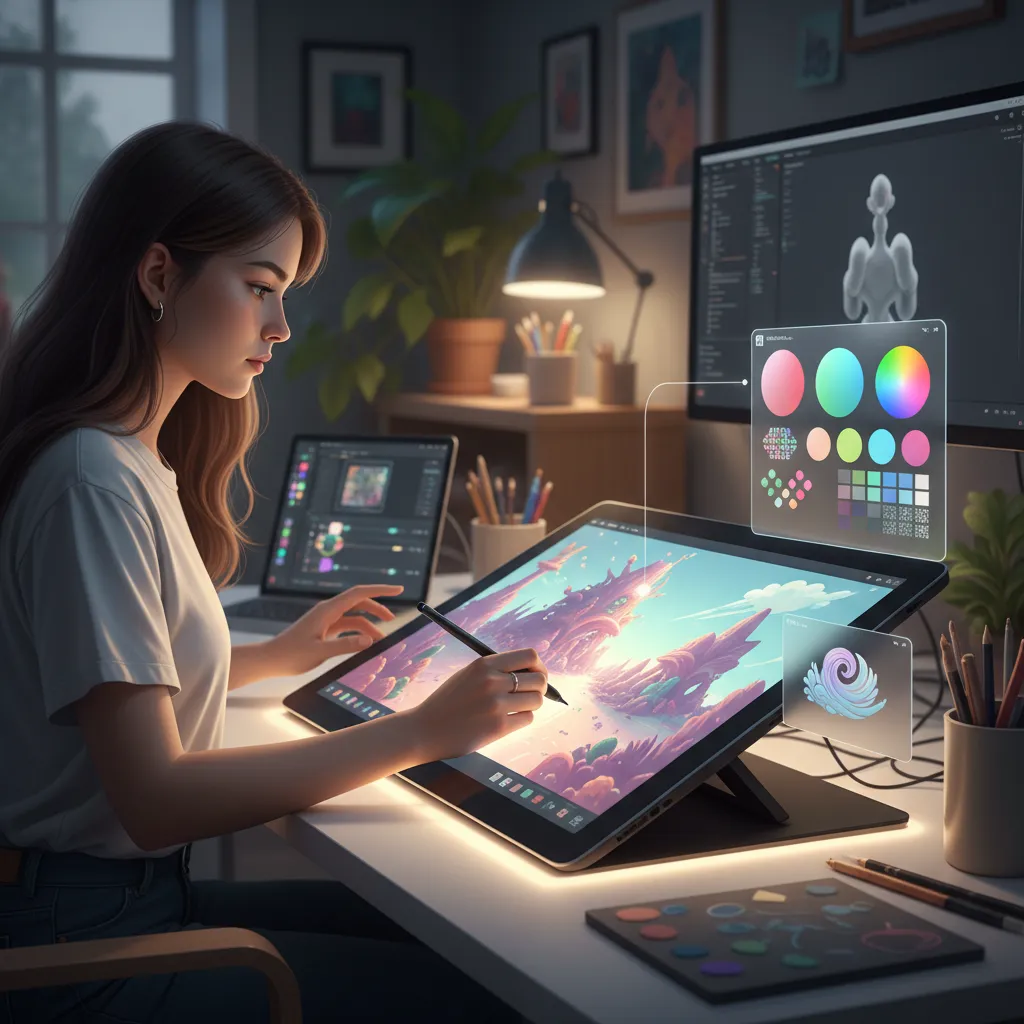 Caption: AI tools helping artists and designers create, offering new avenues for expression and efficiency.
The Content Creation Frontier: AI for Writers, Marketers, and Storytellers
Beyond visuals, AI has become an indispensable asset in content generation across various mediums. From crafting compelling ad copy to composing original music, AI content creation tools are redefining productivity and creative output. Check out our in-depth guide to Top AI Tools for Content Creation in 2024.
AI for Writers and Storytelling
For writers, the blank page can be an intimidating adversary. AI for writers offers a robust solution, acting as a brainstorming partner, an editor, and even a co-author.
- Generating Drafts and Outlines: Tools like Jasper, Copy.ai, and ChatGPT can create initial blog post drafts, article outlines, marketing copy, and even creative fiction.
- Overcoming Writer’s Block: By providing prompts, ideas, or alternative phrasings, AI can help writers break through creative impasses.
- SEO Optimization: AI can analyze keywords and optimize content for search engines, improving visibility.
- AI Storytelling Tools: These advanced platforms can assist in developing characters, plot points, and dialogue, or even generate entire short stories based on user inputs, pushing the boundaries of narrative creativity.
AI for Marketing and Branding
In the fast-paced world of marketing, generating fresh, engaging content is crucial. AI marketing content tools are invaluable for creating campaigns that resonate with target audiences and drive engagement.
- AI Social Media Content: Tools can generate captions, hashtags, and even image ideas tailored for different platforms like Instagram, Twitter, and LinkedIn, helping manage a consistent online presence.
- Ad Copy Generation: AI can produce multiple variations of ad headlines and body copy, allowing marketers to quickly A/B test and optimize campaigns for higher conversion rates.
- AI Branding Tools: From generating brand names and slogans to designing logos and creating brand voice guidelines, AI can streamline the initial stages of brand development.
- Personalized Content: AI can analyze user data to create highly personalized email marketing campaigns, product recommendations, and website content, enhancing customer experience. This aligns with the broader trend of AI revolutionizing personalization, as discussed in The Future is Now: AI Revolutionizing Personalized Learning and Education.
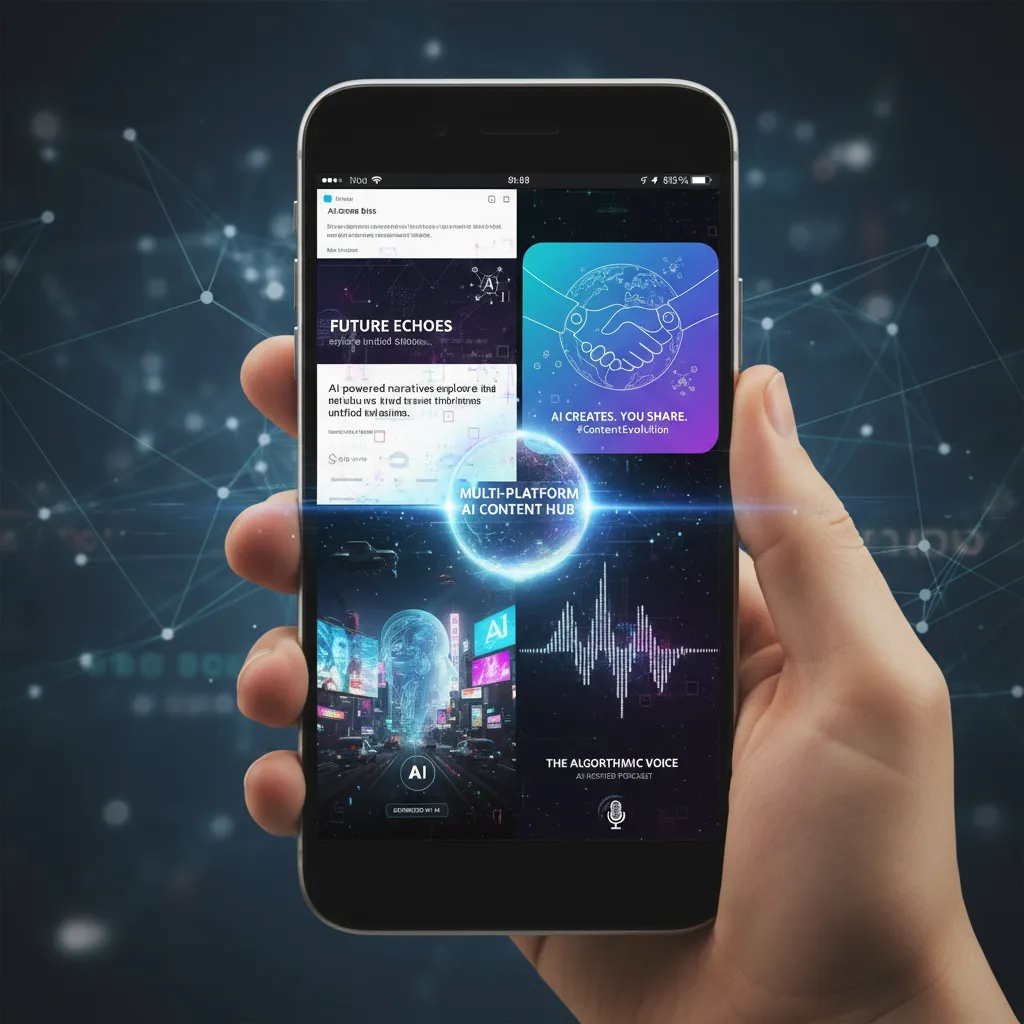 Caption: AI for creating diverse marketing and social media content, enabling efficient and targeted outreach across platforms.
AI in Multimedia Content Creation
Creativity isn’t limited to text and images. AI is also making significant strides in video and music production.
- AI Video Creation: Platforms like RunwayML, Synthesia, and Pictory allow users to generate video clips from text, create realistic AI avatars, and automate video editing tasks. This includes generating entire marketing videos, explainer videos, or social media shorts with minimal effort.
- AI Music Generation: Tools like AIVA, Amper Music, and Soundraw can compose original soundtracks, background music, and jingles based on genre, mood, and instrumentation preferences. This opens up new possibilities for content creators who need custom audio without the need for extensive musical training or expensive licensing.
Mastering AI Creative Tools: Tips and Techniques for Optimal Results
While AI tools are powerful, their effectiveness largely depends on how you use them. Understanding the nuances of prompting, refining, and iterating is key to unlocking their full potential.
The Art of Prompt Engineering
Prompt engineering is the new skill for the digital age. It’s the process of crafting specific, detailed instructions for AI models to generate the desired output.
- Be Specific: Instead of “a cat,” try “a fluffy ginger cat with emerald eyes sitting on a velvet cushion in a sunlit room, highly detailed, photorealistic.”
- Define Style and Mood: Specify artistic styles (e.g., “impressionistic painting,” “cyberpunk aesthetic,” “minimalist vector art”) or emotional tones (e.g., “ominous atmosphere,” “joyful celebration”).
- Use Negative Prompts: Many AI art generators allow you to specify what you don’t want to see (e.g., “no blurry edges,” “avoid cartoonish style”).
- Experiment and Iterate: Don’t expect perfect results on the first try. Tweak your prompts, regenerate, and learn what works best with each specific tool. This is particularly relevant for achieving specific DALL-E 3 prompts or refined Stable Diffusion art.
Integrating AI into Your Workflow
How to use AI for art and content creation effectively involves seamless integration into your existing processes.
- Ideation Phase: Use AI to brainstorm concepts, generate mood boards, or create initial sketches.
- Drafting and Outlining: For writers, use AI to create first drafts, then refine and add your unique voice.
- Asset Creation: Generate background images, textures, or placeholder assets using AI image creation online tools.
- Enhancement and Refinement: Utilize AI photo editor tools for touch-ups, color correction, or upscaling, and AI writing tools for grammar checks and style improvements.
- Repurposing Content: AI can help transform a long-form article into social media snippets, video scripts, or podcast outlines, maximizing your content’s reach. This contributes to overall AI productivity for creators. For more on general AI productivity tools, you can explore AI Productivity Tools 2024.
AI Art Trends 2024: Shaping the Creative Horizon
The world of AI is dynamic, with new trends constantly emerging. In 2024, several key trends are defining the direction of AI in digital art and content creation.
Hyper-Personalization and Custom Models
Creators are moving beyond generic outputs, seeking highly personalized AI models trained on their specific styles or datasets. This allows for truly unique generative AI art that reflects an individual artist’s touch or a brand’s specific aesthetic.
Multimodal AI and Collaborative Creation
The convergence of different AI capabilities—text, image, video, audio—into single, cohesive platforms is a major trend. Multimodal AI allows for more complex creative tasks, such as generating a video with accompanying music from a simple text description. Furthermore, human-AI collaboration is becoming more sophisticated, with AI acting as an intelligent partner rather than just a tool.
Ethical AI Art and Ownership Debates
As AI-generated content becomes indistinguishable from human-made work, discussions around ethical AI art, copyright, and data provenance are intensifying. Transparency in AI usage and fair compensation for artists whose work is used to train models are critical concerns that will shape the future of the industry.
Accessibility and Democratization of Creativity
AI art for beginners is a growing segment. User-friendly interfaces, more intuitive prompting, and affordable or free AI image generator options are making advanced creative tools accessible to a broader audience, democratizing art and content creation.
The Ethical Landscape and Future of AI Creativity
The rapid advancements in AI present both immense opportunities and significant challenges. Ethical AI art is not just a buzzword; it’s a fundamental consideration for the responsible development and deployment of these technologies.
Addressing Bias and Copyright Concerns
AI models are trained on vast datasets, and if these datasets contain biases, the AI-generated outputs will reflect them. Ensuring diversity and fairness in training data is crucial. Furthermore, the question of copyright ownership for AI-generated works, especially when trained on existing artistic creations, is a complex legal and ethical debate that is still unfolding. Fair use, attribution, and compensation mechanisms need to be established to protect human creators while fostering innovation.
The Role of Human Creativity
While AI can generate incredible art and content, it lacks true consciousness, intent, and the lived experiences that imbue human creativity with profound meaning. The future of AI creativity lies not in replacing human artists but in augmenting their abilities, freeing them from mundane tasks, and inspiring them to explore new creative frontiers. The unique blend of human intuition and AI efficiency promises a flourishing ecosystem where collaboration leads to unprecedented levels of innovation. This partnership will be crucial as we navigate the evolving digital landscape.
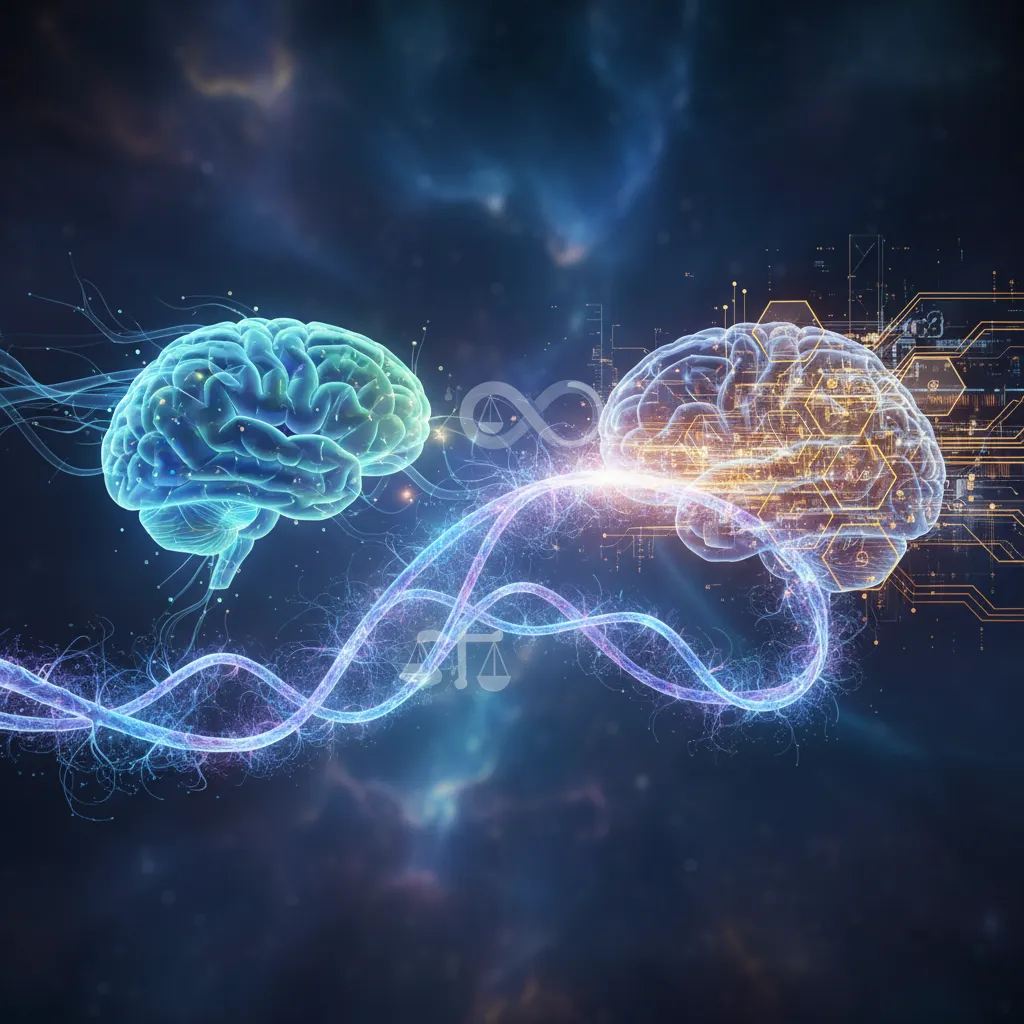 Caption: Conceptual image of human-AI creative collaboration and ethics, highlighting the balance between technological advancement and responsible innovation.
Conclusion: Empowering the Next Generation of Creators
The year 2024 marks a pivotal moment in the evolution of creative technology. AI art generators and AI content creation tools are no longer niche curiosities but essential instruments in the modern creator’s toolkit. From artists harnessing generative AI art to marketers leveraging AI marketing content and writers finding their voice with AI for writers, the potential is limitless. We’ve explored the best AI art tools, dissected the nuances of text to image AI, and understood the significance of AI creative tools in various industries.
As these technologies continue to advance, embracing them with a critical and imaginative mindset will be key. The blend of human ingenuity and artificial intelligence promises a future where creativity is more accessible, more efficient, and more astounding than ever before. So, whether you’re looking for a free AI image generator to kickstart a project, exploring Midjourney alternatives for a new artistic style, or strategizing your next viral campaign with AI social media content, the tools are at your fingertips. Now is the time to experiment, learn, and truly unleash your imagination.
Ready to take your creativity to the next level? Explore the vast potential of these AI tools and transform your ideas into reality. Dive deeper into the world of technology and innovation by visiting the HiFi Studio Blog for more insights!
FAQs
Q1. What are the best AI art tools for beginners in 2024?
For beginners, user-friendly AI art generators like Canva’s Magic Media (for basic needs), Lexica Art (for inspiration and learning prompts), and simpler interfaces of DALL-E 3 (via ChatGPT) or Midjourney (with guided prompts) are excellent starting points. These tools offer intuitive experiences for those new to AI image creation online.
Q2. How can AI content creation tools benefit small businesses and marketers?
AI content creation tools can significantly benefit small businesses and marketers by automating tasks like generating AI marketing content, creating diverse AI social media content, drafting ad copy, and even assisting with AI branding tools. This saves time, reduces costs, and enables consistent, high-quality output, even with limited resources.
Q3. Is there a truly free AI image generator that offers high-quality results?
While many powerful AI art generators have subscription tiers, some offer free trials or limited free usage. Stable Diffusion can be used freely if installed locally, and various online platforms provide a certain number of free credits or daily generations. Quality varies, but for basic needs, several free AI image generator options can produce decent results, especially for AI art for beginners.
Q4. What are the main ethical considerations surrounding AI art?
Key ethical concerns around ethical AI art include copyright infringement (when AI is trained on copyrighted material without consent), potential biases in AI-generated content (reflecting biases in training data), the devaluation of human artistry, and the lack of transparency regarding AI usage. These issues are actively being debated and addressed by policymakers and the AI community.
Q5. Can AI really replace human artists and writers?
No, AI is unlikely to fully replace human artists and writers. Instead, it serves as a powerful augmentation tool. While AI can automate repetitive tasks and generate creative ideas, it lacks the unique human elements of genuine emotion, lived experience, critical thinking, and the nuanced understanding of culture and context that define truly impactful art and literature. The future of AI creativity lies in human-AI collaboration.
Q6. How do I get good results using text-to-image AI?
To get good results with text to image AI, practice “prompt engineering.” Be specific, descriptive, and detailed in your prompts. Specify style, mood, colors, lighting, and composition. Utilize negative prompts to exclude unwanted elements, and iterate by tweaking your prompts and regenerating images to refine the output. Learning from examples of effective DALL-E 3 prompts or Stable Diffusion art prompts can be very helpful.
Q7. What are some emerging AI art trends to watch in 2024?
Emerging AI art trends 2024 include hyper-personalization of AI models, the rise of multimodal AI (combining text, image, video, audio generation), increased focus on ethical AI art and provenance, greater accessibility for AI art for beginners, and more sophisticated human-AI collaborative workflows, especially with AI design software and AI creative tools.