The Rise of Humanoid Robots: Shaping Our Future & Daily Lives

Introduction
For decades, humanoid robots were the stuff of science fiction—characters like C-3PO or the Terminator that seemed impossibly distant. But in the last couple of years, something has shifted dramatically. Viral videos show robots performing parkour, sorting objects with human-like dexterity, and even brewing a cup of coffee. This isn’t CGI; it’s the dawn of a new era. We are standing at a pivotal moment where the robotics future is rapidly converging with our present reality.
The recent surge in humanoid robot advancements is no accident. It’s the direct result of a powerful partnership: the ai and robotics convergence. Breakthroughs in artificial intelligence, particularly large language models (LLMs) and computer vision, are providing the “brains” for these increasingly sophisticated mechanical “bodies.” This potent combination is accelerating humanoid robot development at an unprecedented pace, transforming them from clumsy curiosities into capable, autonomous agents.
In this comprehensive guide, we’ll explore the rise of humanoid robots and their profound impact on humanoid robots on society. We will delve into the leading humanoid robot companies like Boston Dynamics, Figure AI, and Tesla, examine their real-world applications from factory floors to our homes, and navigate the complex humanoid robot challenges and ethical questions that come with this powerful technology. Get ready to discover how these machines are poised to reshape the future of work automation and our daily lives.
What Are Humanoid Robots, Really? Beyond the Sci-Fi Hype
At its core, a humanoid robot is a machine built to resemble the human body, typically with a torso, head, two arms, and two legs. But why mimic the human form? The answer is brilliantly simple: our world is designed for us. From staircases and doorways to tools and vehicle controls, the environment we’ve built is optimized for the bipedal, two-armed form. By creating robots that can navigate and interact with this world seamlessly, we eliminate the need to redesign our entire infrastructure for automation.
This design philosophy is a key driver of their potential. Unlike a specialized robotic arm on an assembly line or a wheeled delivery drone, a single humanoid robot has the potential to perform a vast range of tasks in multiple environments. This general-purpose capability is what makes the current humanoid robot innovation so exciting and potentially disruptive.
The journey to this point has been long. Early automatons were simple mechanical novelties. For much of the 20th century, robotics focused on industrial arms fixed in one place. But the dream of a truly autonomous, mobile, human-like robot persisted, leading to decades of research in balance, locomotion, and sensory perception. Today, thanks to the explosion in AI, that dream is finally materializing.
The New Titans: Key Companies Forging the Humanoid Robot Future
The humanoid robot market is heating up, with a handful of key players leading the charge. These companies, backed by significant humanoid robot investment from tech giants, are locked in a race to build the first commercially viable, general-purpose humanoid robot.
Boston Dynamics: The Parkour Pioneer with Atlas
For years, Boston Dynamics has been the undisputed king of captivating robot videos. Their Atlas robot has been seen running, jumping, doing backflips, and even “dancing.” This incredible agility demonstrated what was mechanically possible, pushing the boundaries of dynamic balancing and locomotion.
Recently, Boston Dynamics retired its hydraulic Atlas and unveiled a new, fully electric version. This next-generation Atlas is stronger, more dexterous, and designed with real-world applications in mind, not just research. Their focus is now shifting from awe-inspiring demos to creating a robot that can perform meaningful work in industrial settings, signaling a new chapter for the next gen robotics leader.
Figure AI: The Pragmatic Workforce Multiplier
Bursting onto the scene with remarkable speed, Figure AI has positioned itself as a serious contender. Their robot, Figure 01, has demonstrated impressive capabilities, including making coffee using end-to-end AI after watching human videos.
What truly sets Figure AI apart is its strategic partnerships and clear focus. Backed by OpenAI, Microsoft, NVIDIA, and Jeff Bezos, the company has immense resources. Their collaboration with BMW to deploy humanoid robots in industry, specifically in automotive manufacturing, is a landmark moment. It’s one of the first major commercial agreements for humanoid robots, aiming to tackle jobs that are dull, dirty, or dangerous, augmenting the human workforce rather than replacing it.
Tesla: Optimus and the Vision of Mass Production
When Elon Musk first unveiled the Tesla Bot Optimus, many were skeptical. However, leveraging its world-class expertise in AI (from its Full Self-Driving program), battery technology, and mass manufacturing, Tesla is a formidable player.
Tesla’s advantage lies in its vision for scale. Musk’s goal isn’t just to build a capable robot, but to build millions of them affordably. By designing Optimus with manufacturability in mind from day one, Tesla aims to solve the cost challenge that has historically plagued robotics. The future of humanoid robots may well be shaped by which company can crack the code of producing them efficiently and cheaply. Related: Top AI Tools for Creativity and Productivity in 2024
Other Notable Innovators
The field is broader than just these three titans. Companies like Sanctuary AI with their Phoenix robot, Apptronik with Apollo (partnered with NASA), and Agility Robotics with Digit (focused on logistics) are all making significant strides, each with a unique approach to solving the complex challenges of humanoid robot development.
The AI and Robotics Convergence: The Brains Behind the Brawn
The recent explosion in humanoid robot capabilities isn’t just about better motors or batteries; it’s about smarter software. The true game-changer is the integration of advanced Artificial Intelligence.
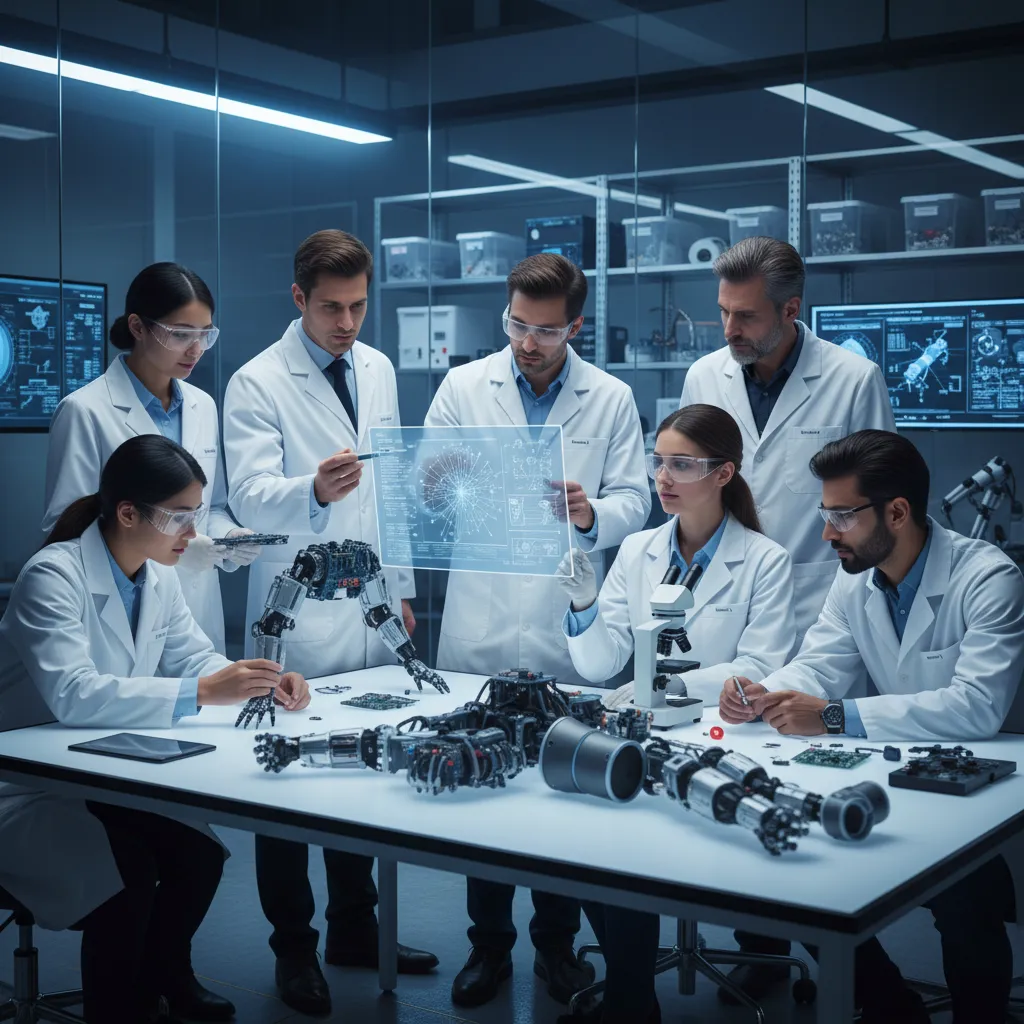
For the first time, robots can move beyond pre-programmed, repetitive tasks. Thanks to the ai and robotics convergence, they are beginning to perceive, understand, and interact with the world in a fundamentally new way.
- Vision-Language Models (VLMs): These models allow a robot to “see” its environment through cameras and understand natural language commands. You can tell it, “Please pick up the red apple from the bowl,” and it can parse the sentence, identify the objects, and execute the action.
- End-to-End Learning: Instead of programming every single joint movement, developers can now train robots by showing them videos of humans performing a task. The AI learns the necessary actions through observation, dramatically speeding up the training process. Figure AI’s coffee-making demo is a prime example of this.
- Simulation and Reinforcement Learning: Companies run millions of hours of simulations where the robot’s AI can practice tasks, fail, and learn in a virtual environment without risking damage to a physical prototype. This trial-and-error process builds a robust understanding of physics and motion. Related: How Generative AI is Revolutionizing Personalized Learning
This “AI brain” is what elevates a humanoid robot from a complex puppet to a truly autonomous agent, capable of general-purpose work.
From Factory Floors to Living Rooms: Humanoid Robot Applications
The potential applications for capable humanoid robots are vast, promising to enhance productivity and improve quality of life across numerous sectors.
Revolutionizing Manufacturing and Logistics
The most immediate impact will be felt in industrial settings. Humanoid robots in manufacturing can work alongside humans on assembly lines, performing strenuous and repetitive tasks. They can handle material transport, machine tending, and quality inspection, freeing up human workers for more complex problem-solving.
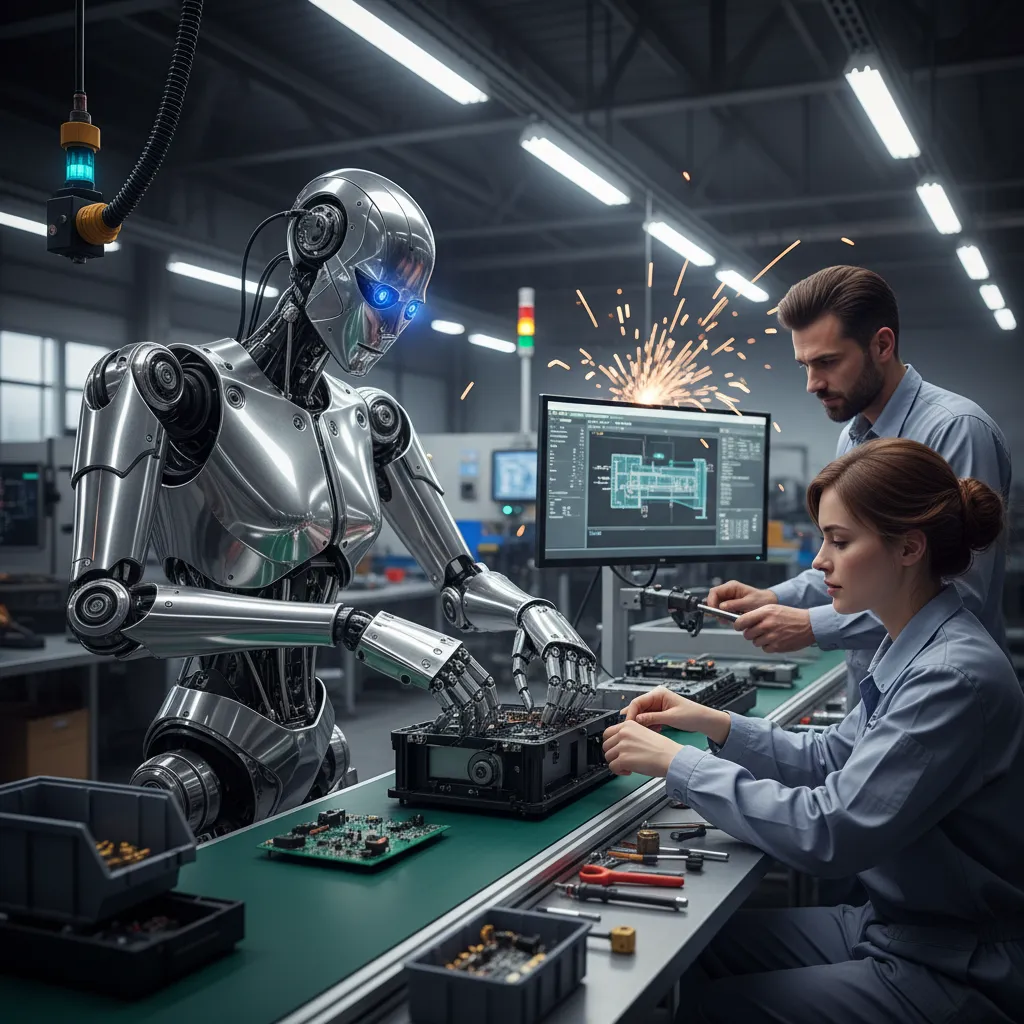
In warehouses and distribution centers, humanoid robots for logistics can unload trucks, sort packages, and manage inventory. Their ability to navigate spaces designed for humans makes them more flexible than traditional, specialized automation systems. This represents one of the biggest humanoid robot benefits: adaptability.
The Future of Healthcare and Assisted Living
The potential for humanoid robots in daily life, particularly in healthcare, is profound. These robots could assist with patient mobility, deliver supplies in hospitals, and sanitize rooms.
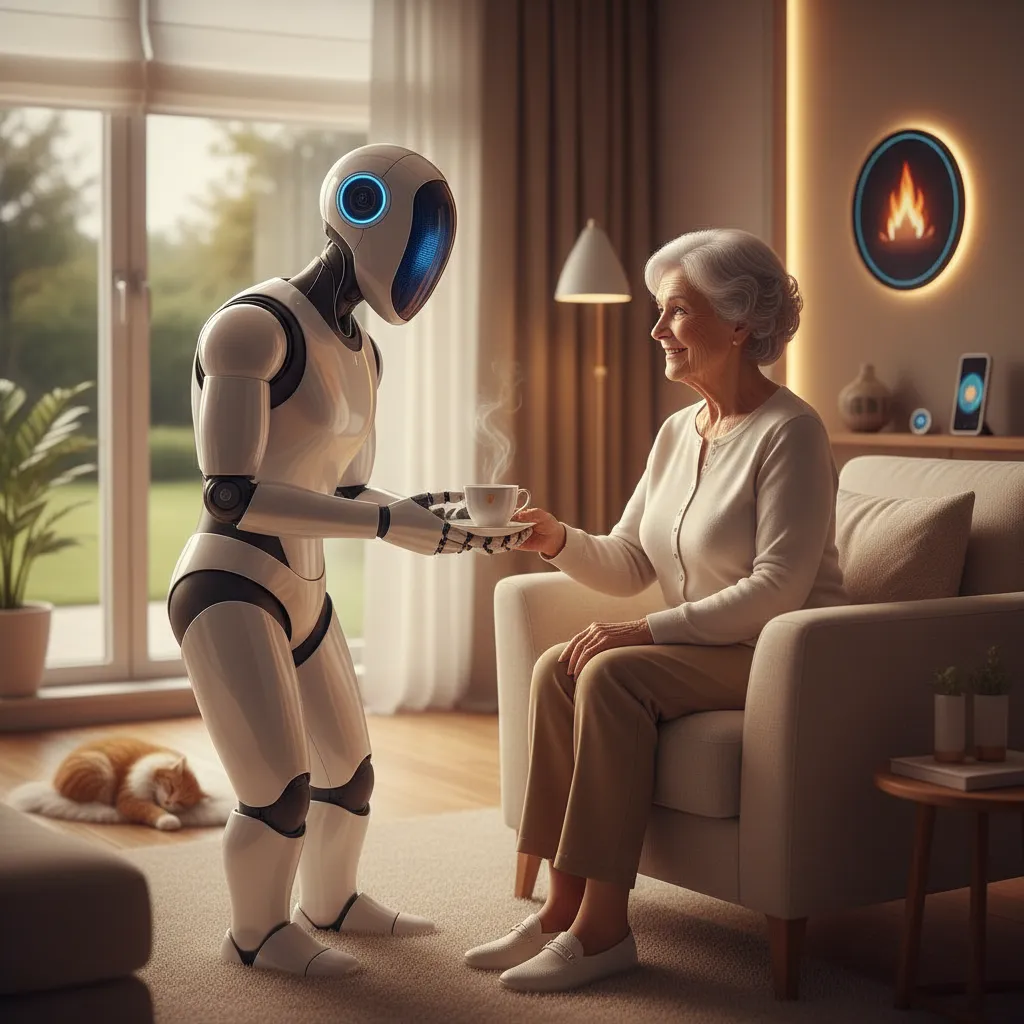
For an aging global population, social humanoid robots could provide crucial support for in-home elder care. They could help with daily chores, offer medication reminders, and provide a form of companionship, enabling people to maintain their independence for longer. The quality of human-robot interaction will be paramount in these sensitive roles. Related: AI Unleashed: Revolutionizing Drug Discovery for Medical Breakthroughs
Exploring Dangerous and Uncharted Territories
Humanoids are perfectly suited for jobs that are too dangerous for people. This includes disaster response (searching for survivors in collapsed buildings), maintaining nuclear power plants, or even performing maintenance on offshore oil rigs. Furthermore, space agencies like NASA are actively developing humanoid robots to assist astronauts on missions to the Moon and Mars, performing tasks on the exterior of spacecraft or habitats.
The Rise of the Personal Humanoid Robot
While still a decade or more away, the dream of the personal humanoid robot is becoming more plausible. A robot that can fold laundry, cook a meal, or help with home repairs could fundamentally change domestic life. Achieving the level of safety, reliability, and cost-effectiveness for this market remains a significant hurdle, but it is the ultimate long-term goal for many in the field.
Navigating the Hurdles: The Challenges of Humanoid Robot Development
Despite the rapid progress, the path to widespread adoption is filled with significant challenges.
- Power and Efficiency: Batteries remain a major bottleneck. A robot performing physically demanding tasks needs a powerful, long-lasting, yet lightweight power source—a classic engineering trade-off.
- Dexterity and Manipulation: While gross motor skills have improved dramatically, fine motor skills—the ability to handle delicate or complex objects with the dexterity of a human hand—are still incredibly difficult to replicate.
- Cost of Production: Currently, advanced humanoid robots cost hundreds of thousands, if not millions, of dollars. Getting the price down to an accessible level (Tesla aims for under $20,000) is crucial for mass adoption.
- Safety and Reliability: For robots to work alongside humans, they must be exceptionally safe and predictable. Developing software that can navigate the chaos of the real world without error is a monumental software engineering challenge. Related: Apple Intelligence Explained: A Guide to iOS 18’s New AI Features
The Big Questions: Unpacking Humanoid Robot Ethics and Societal Impact
The rise of humanoid robots forces us to confront deep questions about our society, our economy, and what it means to be human. These humanoid robot ethics discussions are not just academic; they are essential for responsible innovation.
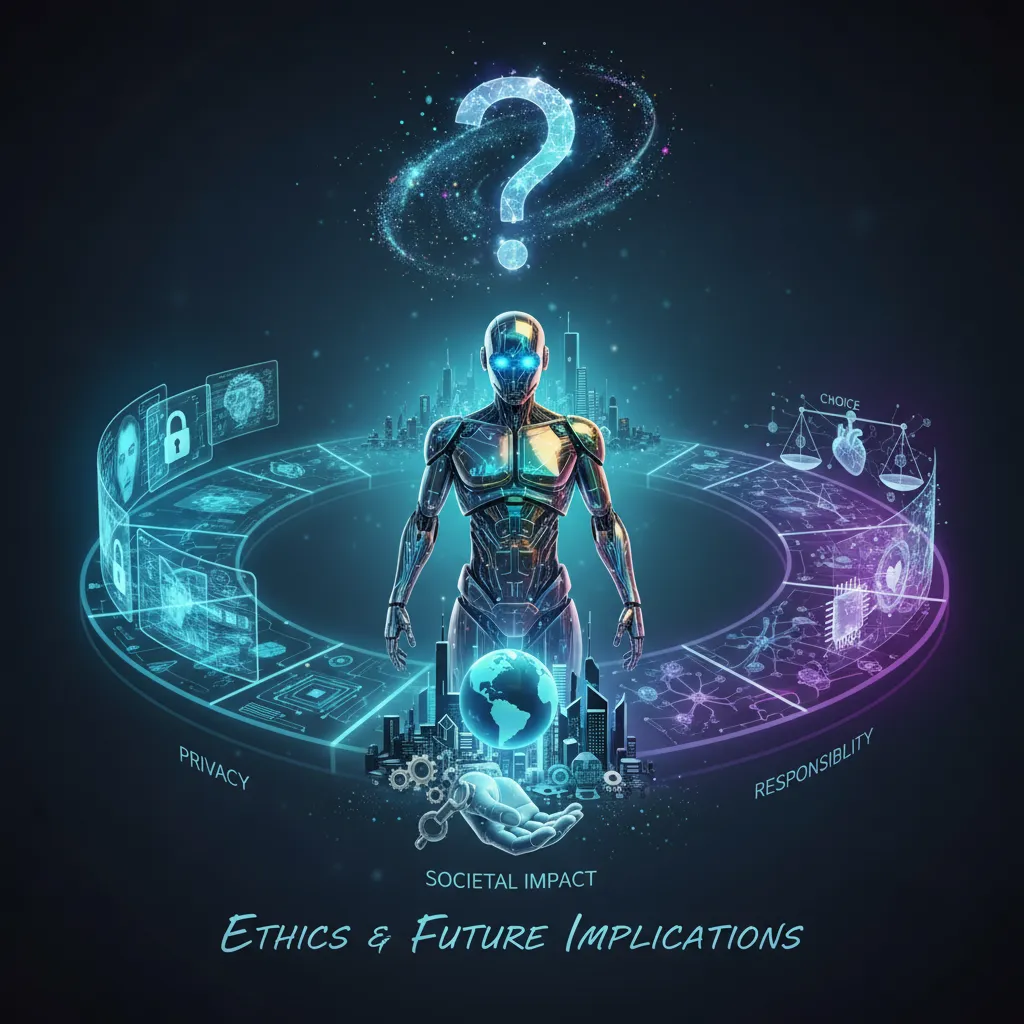
The Robot Workforce Future: Job Displacement vs. Augmentation
The most common fear is mass job displacement. While it’s true that the future of work automation will see robots taking over many manual and repetitive jobs, history shows that technology also creates new roles. The goal of many developers is not to replace humans, but to augment them. By handling the most physically demanding and dangerous tasks, robots can free up human workers to focus on roles requiring creativity, critical thinking, and social intelligence. This will require a societal commitment to retraining and education. Related: AI for the People: How AI is Reshaping Corporate Training and Upskilling
Safety, Security, and Control
The question of control is paramount. How do we ensure these powerful machines always act in humanity’s best interest? This involves creating robust safety protocols to prevent physical harm and cybersecurity measures to protect them from being hacked and used for malicious purposes. The ethical frameworks we build today will shape the safety of the robotics future.
The Uncanny Valley and Social Acceptance
How we design robots matters. The “uncanny valley” is the feeling of unease people experience when a robot looks and acts almost, but not perfectly, like a human. Navigating this is key to social acceptance. Successful human-robot interaction depends on creating machines that are helpful and approachable, not unsettling.
Conclusion
We are witnessing the beginning of a technological revolution. The convergence of advanced AI and sophisticated hardware is breathing life into the long-held dream of the humanoid robot. Companies like Boston Dynamics, Figure AI, and Tesla are no longer just building lab experiments; they are creating the foundation for a new workforce and a new way of life.
The journey ahead is complex, filled with immense technical, economic, and ethical challenges. However, the potential humanoid robot benefits—from enhancing productivity and safety in our industries to providing care and assistance in our homes—are undeniable. The rise of humanoid robots is not about replacing humanity, but about extending our capabilities and allowing us to focus on what we do best: creating, innovating, and connecting with one another. The future is taking shape, and it walks on two legs.
Frequently Asked Questions About Humanoid Robots
Q1. What is the main purpose of a humanoid robot?
The main purpose is to create a general-purpose machine that can perform a wide range of tasks in environments designed for humans. Their human-like form allows them to use the same tools, navigate the same spaces (like stairs and doorways), and perform tasks that would otherwise require a human, especially those that are dull, dirty, or dangerous.
Q2. Which company is leading the humanoid robot race?
There isn’t one clear leader, as different companies excel in different areas. Boston Dynamics is a pioneer in dynamic mobility (Atlas), Figure AI is leading in commercial partnerships (BMW) and AI integration (with OpenAI), and Tesla (Optimus) is focused on solving mass manufacturing and cost-efficiency. The “leader” depends on whether you prioritize agility, AI intelligence, or scalability.
Q3. Will humanoid robots take all our jobs?
It’s unlikely they will take all jobs. The robot workforce future will likely involve a shift in the labor market. Humanoid robots will automate many manual and repetitive tasks, but this will also create new jobs in robot management, maintenance, software development, and roles that require high-level creativity, strategy, and emotional intelligence. The focus is on augmenting human capabilities, not outright replacement.
Q4. How much will a personal humanoid robot cost?
Currently, advanced humanoid robots cost hundreds of thousands to over a million dollars. However, a primary goal for companies like Tesla is to drastically reduce this cost through mass production. Elon Musk has stated a target price for the Tesla Bot Optimus of under $20,000, but it will likely take several years to reach that level of affordability.
Q5. What is the most advanced humanoid robot today?
“Most advanced” is subjective. Boston Dynamics’ new electric Atlas is arguably the most advanced in terms of raw physical agility and dynamic motion. Figure AI’s Figure 01 might be considered the most advanced in terms of its rapid AI learning and real-world application focus. The technology is advancing so quickly that the “most advanced” robot changes every few months.
Q6. What are the biggest challenges facing humanoid robot development?
The biggest challenges are multifaceted. On the hardware side, they include creating long-lasting, efficient power sources (batteries) and replicating the fine motor skills of the human hand. On the software side, the challenge is building a general-purpose AI that can safely and reliably navigate the unpredictability of the real world, moving beyond scripted tasks to true autonomous problem-solving.
Q7. How does AI influence humanoid robots?
AI is the “brain” that makes humanoid robots useful. Modern AI humanoid robots use computer vision to see and understand their surroundings, natural language processing to understand spoken or typed commands, and reinforcement learning to learn complex tasks through trial and error. Without AI, a humanoid robot is just a complex machine; with AI, it becomes an autonomous agent.
Q8. What are the ethical concerns surrounding humanoid robots?
The primary humanoid robot ethics concerns include job displacement and economic inequality, the potential for misuse (e.g., weaponization or surveillance), ensuring the physical safety of humans interacting with them, data privacy (what the robot’s sensors collect), and the psychological and social impact of widespread human-robot interaction.