The Future of Retail: AI-Powered Personalized Shopping Experiences

Introduction
Remember the days when shopping meant a one-size-fits-all approach? You walked into a store, browsed aisles, and hoped to stumble upon something you liked. In the digital age, that experience has already evolved dramatically, but the future of retail is set to transcend even our current expectations. We’re on the cusp of a revolutionary shift, driven primarily by artificial intelligence, transforming how we discover, interact with, and purchase products. Welcome to the era of AI-powered personalized shopping experiences.
This isn’t just about simple product recommendations anymore. This is about a retail landscape where every interaction, every suggestion, and every touchpoint is uniquely tailored to you. Imagine a digital storefront that understands your style, predicts your needs before you even realize them, and offers a seamless, intuitive journey whether you’re online or in a physical store. This is the promise of AI shopping, and it’s rapidly becoming the standard for an enhanced shopping experience.
In this comprehensive guide, we’ll dive deep into how AI is fundamentally reshaping retail personalization. We’ll explore the cutting-edge technologies, tangible benefits for both consumers and businesses, the challenges on the horizon, and what the future of retail tech truly looks like. Prepare to uncover the secrets behind AI in e-commerce and how it’s crafting a retail world that feels crafted just for you.
The Dawn of Hyper-Personalization: Why AI is Reshaping Retail
The retail industry has always been about understanding the customer. From local shopkeepers who knew their regulars by name to modern data analytics trying to decipher buying patterns, the goal remains constant: provide what the customer wants, when they want it, and how they want it. AI, however, elevates this understanding to an unprecedented level, ushering in an era of hyper-personalization e-commerce.
Understanding the Shift: From Mass Marketing to Individual Experiences
For decades, retail relied on broad demographic segmentation and mass marketing. Campaigns were designed for large groups, hoping to capture a fraction of their attention. While effective to a degree, this approach often felt impersonal and inefficient. The rise of e-commerce brought with it vast amounts of data, hinting at the potential for more targeted approaches.
However, it was the advent of advanced AI and machine learning that truly unlocked the capability to analyze this data at scale and extract individual insights. Instead of guessing, retailers can now predict. Instead of reacting, they can proact. This fundamental shift moves us from a reactive, generalized approach to a proactive, AI customer experience that is tailored down to the individual shopper. Every click, every view, every purchase, and even every abandoned cart becomes a data point, feeding algorithms that refine and perfect the shopping journey for each user.
The Data Advantage: How AI Fuels Personalization
At the heart of AI-driven personalization lies data. Mountains of it. From browsing history and purchase records to wish lists, search queries, and even interactions on social media, consumers generate an incredible volume of digital footprints. Manually sifting through this information to find meaningful patterns for millions of customers would be impossible. This is where AI excels.
Data driven retail AI systems can ingest and process colossal datasets in real-time. They identify subtle correlations, predict future behaviors, and categorize preferences with remarkable accuracy. These insights power everything from dynamic website layouts that adapt to individual users to personalized marketing campaigns that hit just the right note. It’s about creating a relevant and timely experience that resonates with each shopper, making them feel seen and understood. This capability is not just a competitive edge; it’s becoming a foundational requirement for any retailer looking to thrive in the modern landscape.
Key Pillars of AI-Powered Personalized Shopping
The realization of personalized retail isn’t a single technology but a symphony of interconnected AI applications working in harmony. Let’s explore some of the most impactful pillars driving this transformation.
Intelligent Recommendation Engines: Beyond “Customers Also Bought”
The “Customers Also Bought” section has been a staple of e-commerce for years, but today’s AI recommendations engine goes far beyond simple collaborative filtering. These advanced systems leverage sophisticated algorithms to understand not just what you’ve purchased, but your browsing behavior, items you’ve viewed, categories you prefer, and even implicit signals like how long you dwell on a product page.
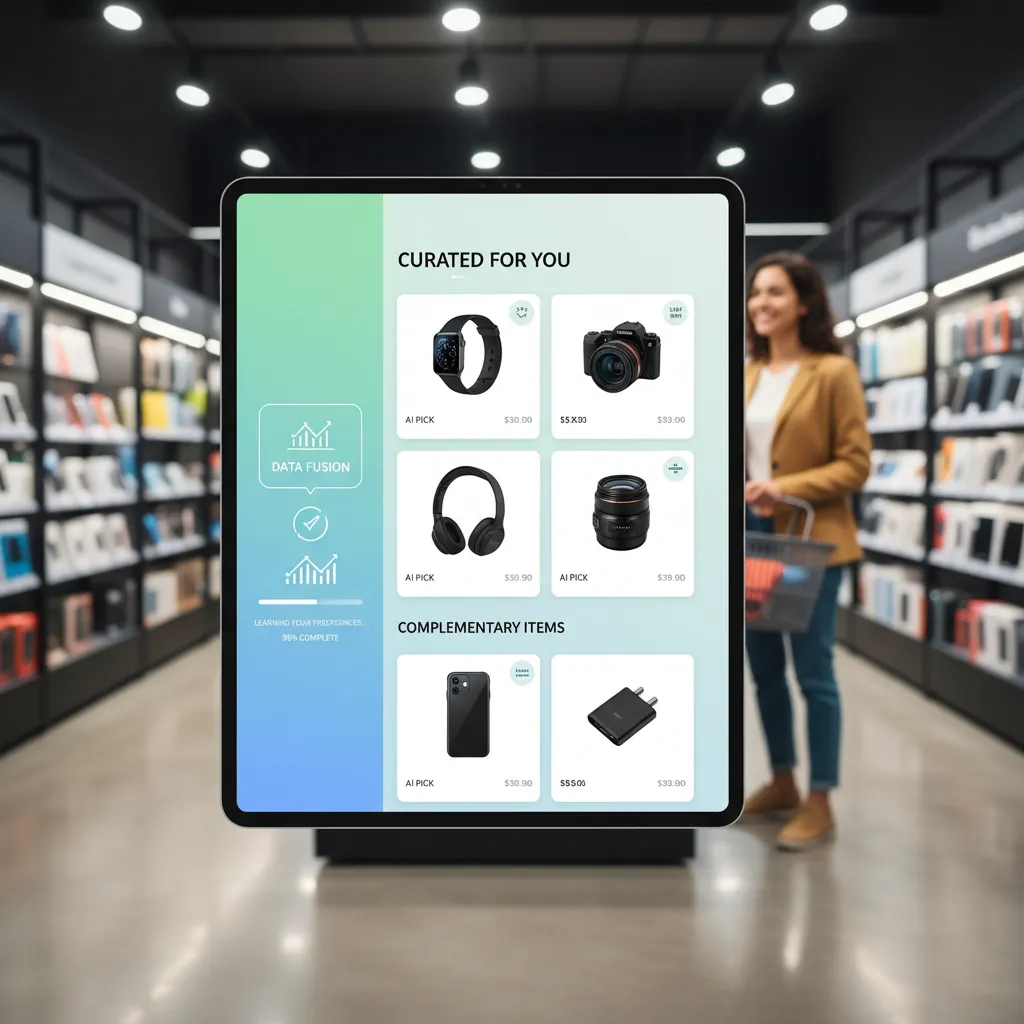
Modern AI engines can recommend products based on:
- Contextual relevance: What you’re currently looking at.
- Sequential patterns: What you’re likely to buy next based on previous purchases.
- Personal style/preference: Learning your aesthetic from past interactions.
- Real-time behavior: Adapting recommendations as you browse the site.
Companies like Amazon, Netflix, and Spotify are pioneers in this space, demonstrating how powerful and addictive highly accurate recommendations can be. In retail, this translates to higher conversion rates, increased average order value, and a truly enhanced shopping experience where customers effortlessly discover products they genuinely love. This is AI product discovery at its finest.
Conversational AI & Virtual Assistants: Your Personal Shopper in the Digital Age
Imagine having a knowledgeable sales assistant available 24/7, ready to answer questions, offer style advice, or help you find the perfect gift. This is the reality brought by conversational AI shopping. Chatbots and virtual assistants, powered by natural language processing (NLP), are becoming increasingly sophisticated. They can understand complex queries, engage in natural dialogues, and provide assistance that mimics human interaction.
These AI tools can:
- Guide shoppers: Help navigate vast product catalogs.
- Answer FAQs: Instantly provide information about products, shipping, returns, etc.
- Offer personalized advice: Suggest products based on preferences expressed during the conversation.
- Handle basic customer service: Freeing up human agents for more complex issues.
For many, these personal shopper AI assistants are becoming the first point of contact, providing immediate gratification and a highly accessible form of support. They not only improve customer satisfaction but also gather valuable data on customer intent and common pain points, feeding back into the broader personalization strategy.
Predictive Analytics for Proactive Retail
The ability to look into the future is a superpower for retailers, and predictive retail analytics powered by AI is making it a reality. By analyzing historical data and current trends, AI can forecast everything from demand fluctuations to individual customer churn risk.
This allows retailers to:
- Optimize inventory: AI inventory management retail prevents overstocking or stockouts, reducing waste and lost sales.
- Personalize promotions: Offer discounts on items a customer is predicted to buy.
- Dynamic pricing: Implement AI driven pricing strategies that adjust prices in real-time based on demand, competition, and customer segments.
- Identify at-risk customers: Proactively engage customers showing signs of disengagement with tailored offers or outreach.
This proactive approach minimizes guesswork, maximizes efficiency, and significantly boosts profitability. It’s a cornerstone of effective AI driven shopping.
Immersive Experiences: Virtual Try-On and Augmented Reality
One of the biggest hurdles in online shopping has always been the inability to physically interact with a product. AI, combined with augmented reality (AR) and virtual reality (VR), is bridging this gap, creating truly immersive and personalized experiences.

- Virtual Try-On AI: Imagine trying on clothes, makeup, or glasses digitally, seeing exactly how they look on your body or face using your smartphone camera. This technology is revolutionizing fashion retail, significantly reducing return rates and boosting buyer confidence.
- Augmented Reality (AR): For furniture, home decor, or even cars, AR apps allow customers to place virtual products in their real-world environment. See how that sofa fits in your living room before you buy it, or visualize a new car in your driveway.
These applications transform the online shopping experience into something engaging and tangible, making it a truly smart shopping technology and a game-changer for AI in fashion retail. [Related: Spatial Computing Unveiled: Next Frontier of Immersive Technology]
Optimizing the Omnichannel Journey with AI
Modern consumers don’t shop in a single channel. They might browse on their phone, add to a cart on their laptop, visit a physical store to see an item, and then complete the purchase back online. This complex customer journey AI retail requires a seamless, integrated approach – omnichannel retail AI.
AI connects these disparate touchpoints, ensuring a consistent and personalized experience across all channels.
- Unified customer profiles: AI aggregates data from online and offline interactions to create a holistic view of each customer.
- Consistent recommendations: Recommendations follow the customer whether they’re on the website, mobile app, or interacting with an in-store kiosk.
- Personalized in-store experiences: AI can alert sales associates to a customer’s online browsing history as they enter a store, enabling tailored assistance.
- Click-and-collect optimization: Streamlining the process for online purchases picked up in-store.
This integrated approach not only boosts customer satisfaction but also provides retailers with a complete picture of customer behavior, leading to better strategic decisions.
The Tangible Benefits: Why Retailers Are Embracing AI Personalization
The adoption of AI in e-commerce and retail is not merely a trend; it’s a strategic imperative driven by significant, measurable benefits that impact every facet of a retail business.
Increased Customer Satisfaction and Loyalty
When shopping feels tailored and effortless, customers are happier. Personalized recommendations save time, relevant offers feel more valuable, and seamless service reduces frustration. This leads directly to higher customer satisfaction. Satisfied customers are more likely to return, become loyal patrons, and advocate for the brand. This long-term relationship building is invaluable in a competitive market. AI customer experience isn’t just a buzzword; it’s a foundation for enduring customer relationships.
Boosted Sales and Conversion Rates
The most direct and compelling benefit of AI driven shopping is its impact on the bottom line. By presenting highly relevant products and offers, AI significantly increases the likelihood of a purchase.
- Higher conversion rates: Personalized product pages and targeted promotions convert browsers into buyers more effectively.
- Increased average order value (AOV): Smart recommendations for complementary items encourage customers to add more to their carts.
- Reduced cart abandonment: AI can trigger personalized reminders or offers to customers who leave items in their cart, enticing them to complete the purchase.
Retailers leveraging AI powered marketing retail see tangible improvements in their sales figures, making the investment in AI a clear financial winner.
Streamlined Operations and Efficiency
Beyond the customer-facing benefits, AI also delivers substantial operational advantages, leading to greater efficiency and cost savings.
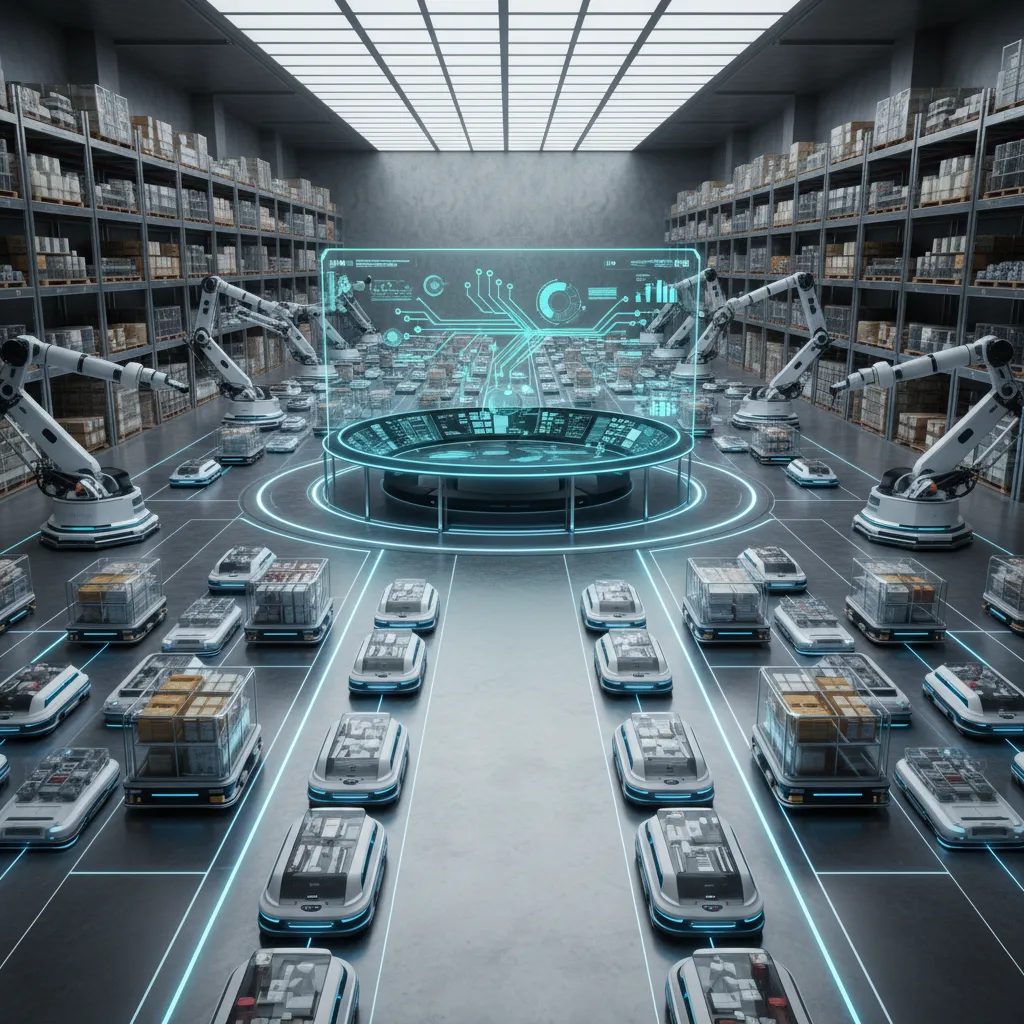
- Automated tasks: AI can automate repetitive tasks like customer service inquiries (via chatbots), basic data entry, and even aspects of marketing campaign management.
- Optimized inventory and supply chain: As mentioned with predictive analytics, AI inventory management retail minimizes waste, reduces storage costs, and ensures products are available when and where they’re needed.
- Improved fraud detection: AI algorithms can quickly identify suspicious patterns in transactions, protecting both retailers and customers from fraud.
These operational efficiencies contribute directly to the overall AI benefits for retailers, enhancing productivity and reducing human error. This paves the way for greater retail automation AI.
Deeper Insights for Strategic Decision-Making
AI doesn’t just process data; it provides actionable intelligence. By analyzing vast datasets, AI platforms offer retailers a granular understanding of market trends, customer segments, product performance, and operational bottlenecks. These insights empower decision-makers to:
- Develop more effective marketing strategies: Understand which campaigns resonate with specific customer groups.
- Optimize product assortments: Identify gaps in product offerings or underperforming items.
- Refine business models: Adapt to evolving market conditions and customer preferences with agility.
This strategic advantage, driven by sophisticated analytics, ensures that businesses are not just reacting to the market but actively shaping their future based on concrete, data-backed foresight.
Navigating the Future: Challenges and Ethical Considerations
While the promise of AI in e-commerce is immense, its implementation is not without challenges and important ethical considerations that retailers must address to maintain trust and ensure responsible innovation.
Data Privacy and Security
The bedrock of personalized experiences is data. However, collecting and utilizing vast amounts of personal customer data raises significant privacy concerns. Customers are increasingly aware of their digital footprint and demand transparency and control over their information. Retailers must:
- Adhere to regulations: Comply with stringent data protection laws like GDPR and CCPA.
- Prioritize security: Implement robust cybersecurity measures to protect sensitive customer data from breaches.
- Be transparent: Clearly communicate how customer data is collected, used, and protected.
- Offer control: Provide customers with options to manage their data preferences and opt-out of certain personalization features.
Building trust through responsible data practices is paramount for the long-term success of any retail personalization strategy.
Algorithmic Bias
AI systems learn from the data they are fed. If this data contains historical biases (e.g., in purchasing patterns across different demographics), the AI can inadvertently perpetuate or even amplify those biases. This can lead to unfair or discriminatory outcomes, such as:
- Limited product recommendations: Excluding certain groups from seeing relevant products.
- Discriminatory pricing: Offering different prices based on factors like perceived income or location.
- Exclusion from promotions: Overlooking specific customer segments for valuable offers.
Retailers must actively work to audit their AI algorithms for bias, ensure diverse and representative training data, and implement safeguards to prevent discriminatory practices. Fairness must be a core principle of AI driven shopping.
The Human Touch: Balancing AI with Personal Interaction
While AI can automate, personalize, and optimize, it cannot fully replace the nuanced empathy and creativity of human interaction. Customers still value human connection, especially for complex issues, high-value purchases, or when seeking genuine advice.

The challenge for retail innovation AI is to strike the right balance:
- Augment, not replace: Use AI to empower human sales associates with information, allowing them to provide more informed and efficient service.
- Seamless handoffs: Ensure smooth transitions between AI chatbots and human agents when a customer needs more in-depth assistance.
- Maintain authenticity: Even with personalized messaging, ensure brand communication feels authentic and not overly robotic.
The future e-commerce trends AI suggests a collaborative environment where AI handles the data-driven heavy lifting, freeing up humans to focus on relationship building, complex problem-solving, and delivering truly exceptional, personalized service. This blend of technology and humanity defines the optimal AI customer experience.
Implementing AI: A Roadmap for Retailers
For retailers looking to embark on their AI personalization journey, the path might seem daunting. However, a strategic, phased approach can yield significant results without overwhelming resources.
Starting Small: Pilot Projects and Data Collection
The journey doesn’t require a complete overhaul overnight. Begin with smaller, manageable pilot projects. This could involve:
- Implementing a basic recommendation engine: Start with on-site product suggestions.
- Deploying a simple chatbot for FAQs: Address common customer queries.
- Analyzing specific data sets: Focus on understanding a particular customer segment’s behavior.
Crucially, data driven retail AI starts with robust data collection and clean data. Ensure your existing systems are capable of capturing relevant customer interactions and that this data is standardized and accessible. As you gain experience and see initial successes, you can gradually expand your AI initiatives.
Choosing the Right AI Partners and Solutions
The AI landscape is vast and complex. Most retailers will benefit from partnering with specialized AI solution providers rather than trying to build everything in-house. When selecting partners for your E-commerce AI solutions, consider:
- Industry expertise: Do they understand the nuances of retail?
- Scalability: Can their solutions grow with your business?
- Integration capabilities: Will their AI seamlessly integrate with your existing e-commerce platforms, CRM, and inventory systems?
- Support and training: Do they offer adequate support for implementation and ongoing optimization?
A well-chosen partner can provide the expertise, technology, and support needed to navigate the complexities of AI adoption. [Related: Top AI Productivity Tools 2024]
Continuous Optimization and Adaptation
AI is not a “set it and forget it” solution. The retail landscape, customer preferences, and technological capabilities are constantly evolving. Therefore, continuous optimization and adaptation are crucial.
- Monitor performance: Regularly track key metrics related to your AI initiatives (e.g., conversion rates from recommendations, chatbot resolution rates).
- A/B test: Experiment with different AI models, algorithms, and personalization strategies to identify what works best for your audience.
- Stay updated: Keep abreast of new AI advancements and emerging smart shopping technology to continually refine and enhance your offerings.
- Gather feedback: Actively solicit feedback from customers and employees about their experiences with AI-powered features.
This iterative approach ensures that your retail innovation AI strategies remain effective, relevant, and continually drive value for both your business and your customers.
Conclusion
The transformation of retail by artificial intelligence is not merely a forecast; it is a present reality rapidly accelerating into the future. From the intelligent algorithms powering a sophisticated AI recommendations engine to the immersive possibilities of virtual try-on AI, every aspect of the shopping journey is being reimagined. This shift towards AI-powered personalized shopping experiences signifies more than just technological advancement; it represents a profound change in how businesses connect with their customers.
For consumers, this means a more relevant, efficient, and enjoyable shopping environment. For retailers, it unlocks unprecedented opportunities for growth, operational efficiency, and deeper customer loyalty through data driven retail AI. While challenges like data privacy and algorithmic bias require careful navigation, the AI benefits for retailers far outweigh the hurdles, paving the way for a dynamic and responsive marketplace.
As we look towards the future of retail tech, it’s clear that AI will continue to be the driving force behind this evolution. Businesses that embrace AI in e-commerce and commit to continuous innovation will be the ones that thrive, crafting a retail experience that is not just personalized, but truly exceptional. The era of generic shopping is over; the future is brilliantly, uniquely yours.
FAQs
Q1. What are AI-powered personalized shopping experiences?
AI-powered personalized shopping experiences use artificial intelligence and machine learning to tailor every aspect of a customer’s retail journey. This includes personalized product recommendations, dynamic pricing, custom marketing messages, and interactive tools like virtual try-ons, all based on individual customer data and behavior.
Q2. How does AI improve the customer journey in retail?
AI significantly improves the customer journey by making it more intuitive, efficient, and relevant. It provides tailored product discovery, offers instant support through conversational AI, anticipates customer needs with predictive analytics, and creates seamless transitions across different shopping channels, leading to a truly enhanced shopping experience.
Q3. What are some specific examples of AI in e-commerce today?
Today, AI in e-commerce manifests in various ways:
- Recommendation engines: Suggesting products based on browsing history and similar users (e.g., Amazon’s “customers who viewed this also viewed”).
- Chatbots and virtual assistants: Providing 24/7 customer support and product guidance.
- Virtual try-on tools: Allowing customers to digitally “try on” clothes, glasses, or makeup.
- Dynamic pricing: Adjusting product prices in real-time based on demand, inventory, and competitor pricing.
- Personalized search results: Displaying search outcomes tailored to an individual’s past preferences.
Q4. How does AI help with inventory management in retail?
AI inventory management retail uses predictive analytics to forecast demand with high accuracy. By analyzing historical sales data, seasonal trends, promotions, and external factors, AI can optimize stock levels, minimize overstocking or stockouts, reduce waste, and improve supply chain efficiency, directly impacting profitability.
Q5. What is hyper-personalization in e-commerce?
Hyper-personalization in e-commerce is an advanced form of personalization that goes beyond basic segmentation. It leverages AI to create truly one-to-one experiences for each customer, adapting content, recommendations, and interactions in real-time based on their specific behavior, preferences, and context, making the experience feel uniquely tailored.
Q6. Are there any downsides or ethical concerns with AI in retail?
Yes, key concerns include data privacy and security, as AI relies on extensive customer data. There’s also the risk of algorithmic bias if AI models are trained on unrepresentative data, potentially leading to unfair or discriminatory outcomes. Retailers must also balance AI’s efficiency with maintaining a human touch in customer interactions.
Q7. What is the future of retail with AI?
The future of retail with AI involves increasingly immersive, seamless, and proactive shopping experiences. Expect more widespread adoption of conversational AI shopping, advanced virtual try-on AI, highly accurate predictive retail analytics, and fully integrated omnichannel retail AI that anticipates customer needs and provides hyper-personalized journeys across all touchpoints.