The AI Revolution in Personalized Healthcare: Innovations & Future Trends

For centuries, medicine has largely operated on a one-size-fits-all model. A diagnosis led to a standard treatment protocol, a proven path that works for the average person. But as we all know, no one is truly “average.” Our genetic makeup, lifestyle, and environment create a unique biological fingerprint. What if healthcare could be tailored precisely to your individual fingerprint? This is the promise of personalized medicine, and artificial intelligence is the key that’s finally unlocking its potential.
The convergence of AI and healthcare is not a distant sci-fi concept; it’s a rapidly unfolding reality. We’re witnessing an unprecedented shift from reactive, generalized treatments to proactive, hyper-personalized care. This AI revolution is empowering doctors with superhuman insights, accelerating the discovery of new cures, and giving patients more control over their health than ever before.
This deep dive explores the transformative impact of AI in healthcare. We’ll journey through the core innovations driving this change—from AI medical diagnostics that see the invisible to AI drug discovery that’s cutting down development time from decades to months. You’ll discover how smart healthcare solutions are creating truly personalized treatment plans and what the future of medicine AI holds for us all.
The Dawn of a New Era: What is AI-Driven Personalized Healthcare?
At its core, personalized healthcare—also known as precision medicine—is an approach that customizes medical decisions, practices, and treatments to the individual patient. Instead of a broad-stroke approach, it considers your unique genetic profile, environment, and lifestyle. The challenge has always been the sheer volume and complexity of this data. How can a human doctor possibly process a person’s entire genome, proteome, metabolome, and years of lifestyle data to make a single treatment decision?
This is where AI, specifically machine learning healthcare and deep learning medical algorithms, enters the picture. These systems are designed to analyze massive, complex datasets at speeds unimaginable for humans. They can identify subtle patterns, correlations, and risk factors that would otherwise go unnoticed.
Think of AI as the ultimate medical research assistant. It can read and synthesize millions of medical studies, patient records, and genetic databases to provide clinicians with evidence-based recommendations tailored to the person sitting in front of them. This is the essence of precision medicine AI: using computational power to deliver the right treatment, to the right patient, at the right time.
Revolutionizing Diagnostics: Seeing the Unseen with AI
One of the most significant impacts of AI is in the realm of diagnostics. Early and accurate diagnosis is the cornerstone of effective treatment, and AI is augmenting the capabilities of radiologists, pathologists, and other specialists in profound ways.
AI in Medical Imaging Analysis
Medical images like X-rays, CT scans, and MRIs contain a wealth of information, but some critical details can be too subtle for the human eye to detect. AI medical imaging models, trained on millions of annotated scans, are becoming incredibly adept at spotting anomalies.
- Oncology: Deep learning algorithms can detect cancerous tumors in mammograms or lung CT scans with a level of accuracy that often meets or exceeds that of human radiologists. They can also help classify tumor types and predict their aggressiveness.
- Neurology: AI can analyze brain scans to identify early signs of Alzheimer’s disease, strokes, or multiple sclerosis, enabling earlier intervention.
- Cardiology: AI tools can automatically measure cardiac function from echocardiograms, helping to diagnose heart disease more quickly and consistently.
This technology isn’t about replacing doctors; it’s about providing them with a powerful second opinion, reducing the risk of error, and freeing up their time to focus on more complex aspects of patient care. Related: AI Revolutionizes Content Creation: The Ultimate Guide
The Power of AI in Genomics and Bioinformatics
Our DNA holds the blueprint for our health. AI genomics and AI bioinformatics are the fields dedicated to deciphering this complex code. AI algorithms can sift through a person’s genetic sequence to:
- Identify Genetic Mutations: Pinpoint specific genes linked to diseases like cystic fibrosis, Huntington’s disease, or certain cancers.
- Predict Disease Risk: Analyze genetic markers to calculate an individual’s predisposition to developing conditions like heart disease or type 2 diabetes.
- Guide Pharmacogenomics: Determine how a person’s genetic makeup will affect their response to a particular drug, preventing adverse reactions and ensuring the most effective medication is chosen from the start.

This level of insight allows for truly preventative medicine, moving beyond just treating sickness to actively maintaining wellness based on your unique biological code.
Accelerating Cures: AI’s Role in Drug Discovery
Developing a new drug is a notoriously long and expensive process, often taking over a decade and costing billions of dollars. AI drug discovery is poised to dramatically overhaul this pipeline, making it faster, cheaper, and more effective.
Traditional methods are like searching for a needle in a haystack. Scientists screen thousands of chemical compounds, hoping to find one that has the desired effect on a disease. AI flips this model on its head.
- Predictive Modeling: AI can analyze the molecular structure of a disease-causing protein and then design or identify molecules that are most likely to bind to it and neutralize it. This eliminates much of the initial trial-and-error.
- Repurposing Existing Drugs: AI can scan databases of existing, approved drugs to see if they could be effective against different diseases, a much faster path to treatment than starting from scratch.
- Optimizing Clinical Trials: A major bottleneck in drug development is recruiting the right patients for clinical trials. AI in clinical trials can analyze patient data to identify the ideal candidates, predict who is most likely to respond to a treatment, and monitor trial progress in real-time for better AI for health outcomes.
Crafting the Perfect Regimen: AI-Powered Personalized Treatment Plans
Once a diagnosis is made, the next step is treatment. Personalized treatment plans AI systems act as a clinical decision support tool, integrating a vast array of patient data to recommend the optimal course of action.
This data includes:
- The patient’s genetic profile
- Lab results and imaging data
- Electronic health records (EHR)
- Lifestyle information from wearables
- The latest medical research and clinical guidelines
The AI synthesizes this information to suggest treatment protocols, medication dosages, and lifestyle changes tailored to the individual. For example, in oncology, AI can analyze a tumor’s specific genetic mutations and recommend a targeted therapy that is most likely to be effective, moving away from broad-spectrum chemotherapy. This is a core part of creating an effective AI driven treatment strategy.
Dynamic Treatment for Chronic Diseases
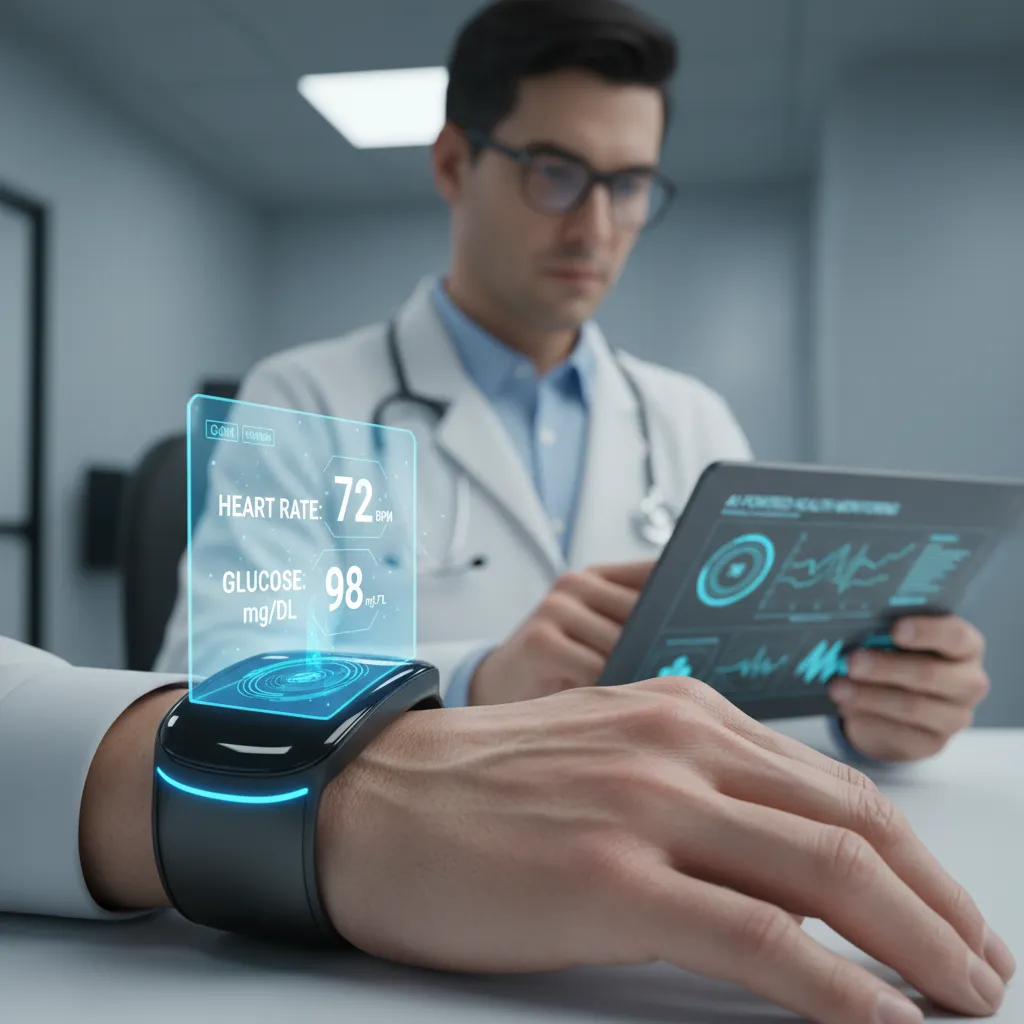
For the millions living with chronic conditions like diabetes or hypertension, management is a daily challenge. AI for chronic disease management is a game-changer. AI-powered apps and devices can monitor a patient’s vitals, glucose levels, and activity in real-time, providing instant feedback and adjusting recommendations. If a diabetic’s blood sugar spikes, the AI can suggest a specific dietary adjustment or a change in insulin dosage, all in consultation with their healthcare provider.
The Shift to Proactive Health: Predictive and Preventative Care
The ultimate goal of modern medicine is to prevent disease before it even starts. Predictive healthcare AI is making this possible by identifying at-risk individuals and populations long before symptoms appear.
By analyzing population-level health data, social determinants of health, and individual risk factors, AI models can forecast disease outbreaks or identify patients who are on a trajectory toward developing a chronic illness. This allows healthcare systems to intervene early with AI in preventative care programs, such as targeted health screenings, wellness coaching, and lifestyle interventions.
The Rise of AI Wearable Health Tech
Smartwatches, fitness trackers, and continuous glucose monitors are no longer just gadgets; they are powerful digital health AI tools. AI wearable health devices collect a continuous stream of data about our heart rate, sleep patterns, activity levels, and more.
AI algorithms running on these devices or in the cloud can analyze this data to:
- Detect irregularities like atrial fibrillation (AFib).
- Monitor sleep quality and its impact on overall health.
- Provide personalized fitness and wellness recommendations.
- Enable remote patient monitoring AI, allowing doctors to keep an eye on patients with chronic conditions from afar.
These technologies are transforming our relationship with our own health, empowering us with the data we need to make smarter, healthier choices every day. Related: AI for Stress Relief: Top Mindfulness Apps & Techniques for Calm

The Smart Hospital: AI in Patient Care and Management
Beyond individual treatment, AI is also optimizing the entire healthcare ecosystem. Smart healthcare solutions are streamlining hospital operations, reducing administrative burdens, and improving the patient experience.
- Healthcare Automation AI: Mundane but critical tasks like scheduling appointments, managing medical records, and processing billing can be automated by AI, freeing up healthcare professionals to focus on patient care.
- Virtual Health Assistants AI: AI-powered chatbots and voice assistants can handle patient queries, provide medication reminders, help triage symptoms to direct patients to the right level of care, and offer 24/7 support.
- AI in Hospital Management: AI can optimize bed allocation, predict patient flow to reduce wait times in emergency rooms, and manage supply chains to prevent shortages of critical medical supplies.
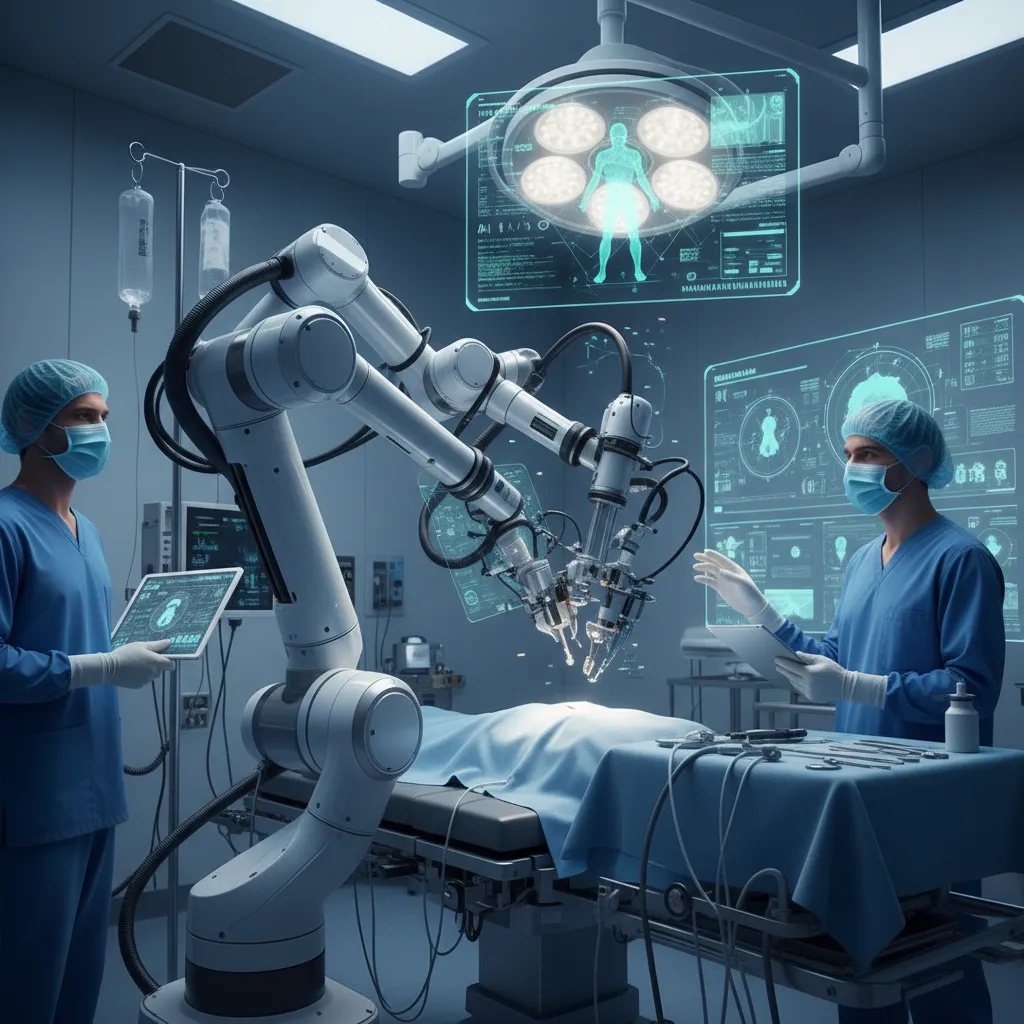
Advanced applications even include AI-assisted robotic surgery, where AI provides surgeons with enhanced precision, stability, and visualization during complex procedures, representing the cutting edge of the future of medicine AI.
Navigating the Challenges: The Ethical and Practical Hurdles
The promise of AI in healthcare is immense, but it’s not without its challenges. For this revolution to succeed, we must navigate significant ethical and practical hurdles.
- Algorithm Bias: AI models are trained on data. If that data reflects existing biases in healthcare (e.g., underrepresentation of certain demographics), the AI can perpetuate and even amplify those biases. Ensuring fairness and equity in AI algorithms is paramount.
- Medical AI Ethics and Data Privacy: Personalized medicine relies on access to highly sensitive personal health information. Robust regulations and security measures are essential to protect patient privacy and ensure data is used ethically and with consent. Related: Ethical AI for Financial Wellness: Smart Money Habits for a Secure Future
- The “Black Box” Problem: Some complex deep learning models can be “black boxes,” meaning even their creators don’t fully understand how they arrive at a specific conclusion. For high-stakes medical decisions, transparency and explainability are crucial for building trust with doctors and patients.
- Integration and Cost: Implementing sophisticated AI systems into existing hospital IT infrastructure can be complex and expensive, posing a barrier for smaller or less-resourced healthcare facilities.
The Future is Now: AI Healthcare Trends in 2024 and Beyond
The pace of innovation is staggering. Looking at AI healthcare trends 2024, we see a clear trajectory toward even more integrated and intelligent systems. We can expect to see the rise of “digital twins”—virtual models of a patient that can be used to simulate the effects of different treatments before they are administered. Ambient clinical intelligence, where AI listens in the background of a doctor-patient conversation to automatically document the visit, will reduce physician burnout.
The AI health tech landscape is vibrant and dynamic. From AI powered wellness apps on our phones to sophisticated diagnostic algorithms in our hospitals, AI is weaving itself into the fabric of our health journey.
Conclusion
The AI revolution in personalized healthcare is not about replacing the human element of medicine. It’s about augmenting it. By equipping clinicians with powerful tools to analyze complex data, predict disease, and tailor treatments, AI is paving the way for a future where healthcare is more precise, proactive, preventative, and participatory.
We are moving from an era of treating diseases to an era of managing health, with AI patient care at the center. This transformation promises not only better health outcomes for individuals but also a more efficient, equitable, and sustainable healthcare system for all. The journey is just beginning, and the potential to improve and save lives is limitless.
Frequently Asked Questions (FAQs)
Q1. How is AI transforming personalized medicine?
AI is the engine driving personalized medicine. It processes vast amounts of individual data—including genetics, lifestyle, and clinical records—to identify patterns that humans cannot. This allows for the creation of highly customized personalized treatment plans AI, predictive risk assessments, and preventative strategies tailored to each person’s unique biological makeup.
Q2. What are some real-world examples of AI in healthcare?
Real-world examples are already widespread. They include AI medical imaging systems that help radiologists detect cancer on scans, AI drug discovery platforms that identify new drug candidates in record time, wearable devices with AI wearable health features that detect irregular heart rhythms, and virtual health assistants AI that answer patient questions.
Q3. What are the main benefits of using AI in medical diagnostics?
The main benefits of AI medical diagnostics are increased accuracy, speed, and efficiency. AI can detect subtle signs of disease that might be missed by the human eye, reduce the time it takes to get a diagnosis, and automate routine analyses, allowing medical professionals to focus on the most complex cases and improve overall AI for health outcomes.
Q4. What are the ethical concerns surrounding AI in healthcare?
Key medical AI ethics concerns include data privacy and security, algorithmic bias that could worsen health disparities, the “black box” problem of not knowing how an AI reached a decision, and questions of accountability when an AI makes an error. Addressing these issues is critical for the responsible deployment of AI in healthcare.
Q5. Can AI create truly personalized treatment plans?
Yes, this is one of AI’s most powerful applications. By analyzing a patient’s unique combination of genetic data, tumor characteristics, metabolic profile, and lifestyle, AI driven treatment models can recommend therapies and dosages that are most likely to be effective for that specific individual, minimizing side effects and maximizing efficacy.
Q6. How does AI help in preventative care?
AI in preventative care works by shifting the focus from reaction to proaction. Predictive healthcare AI models can analyze health records and population data to identify individuals at high risk for developing conditions like diabetes or heart disease. This enables healthcare providers to intervene early with personalized lifestyle recommendations and monitoring, preventing the disease from ever taking hold.
Q7. What is the future of medicine with AI?
The future of medicine AI points toward a system that is deeply integrated, proactive, and patient-centric. We can expect technologies like “digital twins” for simulating treatments, ambient AI that automates clinical documentation, and widespread use of remote patient monitoring AI to manage health from home. Ultimately, AI will continue to augment doctors, making healthcare more efficient, accessible, and personalized for everyone.