Sustainable Smart Homes: Eco-Friendly Tech for a Greener Future

Introduction
In an era where environmental consciousness is no longer an option but a necessity, our homes stand at the forefront of the sustainability revolution. We’re increasingly aware that the way we live and consume impacts our planet, prompting a collective shift towards more responsible practices. This is where the concept of a sustainable smart home steps in – a fusion of cutting-edge technology and eco-friendly principles designed to minimize our ecological footprint while maximizing comfort and efficiency.
Imagine a home that intuitively manages its energy consumption, conserves water, purifies the air, and even reminds you to recycle, all while seamlessly integrating into your daily life. This isn’t a futuristic fantasy; it’s the tangible reality offered by eco-friendly smart home technology. This comprehensive guide will explore how green smart home technology is transforming our living spaces, from energy efficient smart home devices that dramatically cut down utility bills to innovative systems that promote smart home sustainable living. We’ll delve into the benefits, explore the core technologies, and provide a roadmap for building your own intelligent sustainable home for a greener, more conscious future. Prepare to discover how eco-conscious home tech can empower you to make a significant difference, one smart decision at a time.
The Urgent Need for Green Homes: Understanding Our Impact
Our homes, while havens of comfort, are also significant contributors to global resource consumption and carbon emissions. From the energy powering our appliances to the water flowing through our pipes, every aspect of domestic life leaves an environmental mark. As environmental concerns escalate, understanding and mitigating our smart home carbon footprint has become critical. The global push for sustainable building technology smart home integration reflects a growing awareness that our living spaces must evolve to meet ecological imperatives.
The challenge is clear: how can we maintain our modern lifestyles without compromising the planet’s health? The answer lies in leveraging innovation. By embracing green tech for homes, we can transform traditional houses into powerhouses of efficiency and sustainability. This isn’t just about saving money; it’s about actively participating in a global effort to create a more resilient and sustainable future.
Core Pillars of a Sustainable Smart Home
Building a truly sustainable smart home involves more than just installing a few gadgets. It’s about a holistic approach that integrates technology with conscious design and everyday habits. The foundation of such a home rests on several key pillars:
Energy Efficiency and Management
Energy consumption is often the largest environmental impact of a home. A zero energy smart home aims to produce as much energy as it consumes, a lofty but achievable goal with current technologies. Central to this is smart home energy saving through devices that monitor, manage, and optimize power use.
Water Conservation
Freshwater is a finite resource, and smart homes play a crucial role in conserving it. From intelligent irrigation to leak detection, water saving smart home solutions are essential for responsible living.
Air Quality and Healthy Indoor Environments
Beyond energy and water, the quality of our indoor environment directly impacts our health. Air quality monitoring smart home systems ensure that the air we breathe at home is clean and free from pollutants, contributing to overall well-being.
Resource Management and Waste Reduction
A truly sustainable home also considers its inputs and outputs, from sustainable materials used in construction to efficient waste management systems.
Powering Down Wisely: Smart Home Energy Saving Solutions
Energy is the lifeblood of any home, and intelligent management is paramount for sustainability. Modern energy efficient smart home devices offer unprecedented control, allowing us to dramatically reduce our environmental impact and utility bills.
Smart Thermostats: The Brains of Climate Control
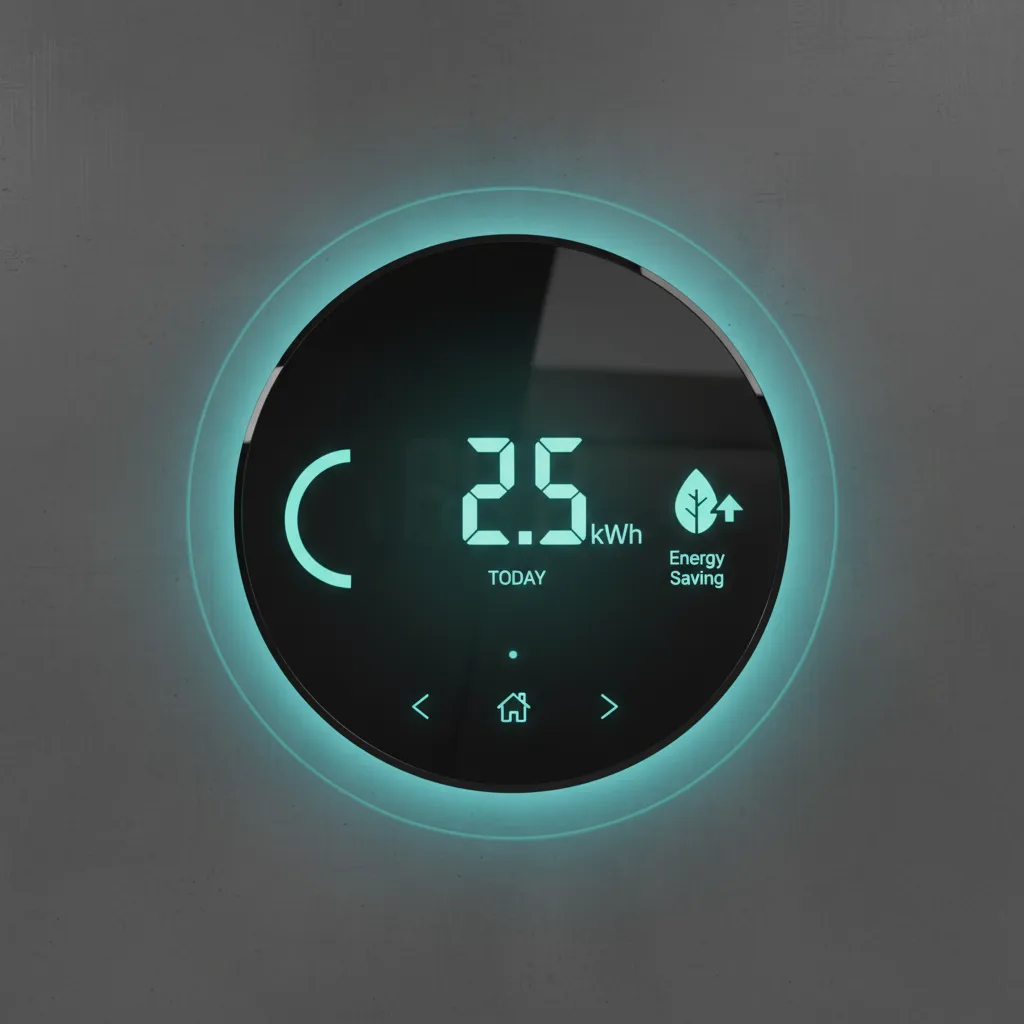
At the heart of smart home energy saving lies the smart thermostat energy efficiency revolution. These intelligent devices learn your preferences, adapt to seasonal changes, and optimize heating and cooling based on occupancy and external weather data. Instead of blindly maintaining a set temperature, smart thermostats like Nest or Ecobee can:
- Learn your schedule: Automatically adjust temperatures when you’re away and pre-cool/heat before you arrive.
- Integrate with weather data: Anticipate external conditions to fine-tune indoor climate.
- Zone control: Manage different temperatures in various parts of your home, avoiding wasted energy in unused rooms.
- Provide insights: Offer detailed reports on energy usage, empowering you to make smarter choices.
Investing in a smart thermostat is one of the most impactful steps you can take towards a more energy efficient smart home.
Sustainable Smart Lighting: Illuminating with Purpose
Traditional lighting can be a huge energy drain. Sustainable smart lighting solutions, primarily using LED technology, offer significant energy savings and enhanced control.
- LEDs (Light Emitting Diodes): Consume up to 90% less energy than incandescent bulbs and last much longer.
- Smart Bulbs and Switches: Allow you to control lights remotely, set schedules, dim brightness, and even change color temperature.
- Occupancy Sensors: Lights turn on only when a room is occupied and off when empty, eliminating wasted energy.
- Daylight Harvesting: Systems that automatically dim artificial lights when sufficient natural light is available, a key aspect of green smart home technology.
By implementing sustainable smart lighting, you’re not just saving energy; you’re creating an adaptable, mood-enhancing environment that respects the planet.
Smart Plugs and Energy Monitoring: Unmasking Phantom Power
Even when turned off, many electronics draw “phantom power.” Smart plugs put an end to this invisible drain, allowing you to cut power to devices when not in use.
- Remote Control: Turn off energy-guzzling devices from anywhere.
- Scheduling: Set plugs to automatically power down devices overnight or during work hours.
- Energy Monitoring: Some smart plugs and advanced smart home energy management systems provide real-time data on individual device consumption, revealing hidden energy hogs. This empowers you to make informed decisions about your power usage, moving you closer to smart home sustainable living.
Renewable Energy Smart Home Integration: Harnessing Nature’s Power
The ultimate goal for many eco-friendly smart homes is to generate their own power. Renewable energy smart home systems, particularly solar powered smart home setups, are becoming increasingly accessible and efficient.
- Solar Panels: Convert sunlight into electricity, significantly reducing or even eliminating reliance on the grid.
- Battery Storage: Store excess solar energy for use at night or during cloudy days, enhancing energy independence and resilience.
- Smart Inverters: Optimize power flow between solar panels, batteries, and the grid, ensuring maximum efficiency.
For those aiming for a zero energy smart home, combining solar power with advanced smart home energy management systems is the gold standard. [Related: Eco-Tech Revolution: Sustainable Gadgets for a Greener Tomorrow]
Smart Home Appliances: Efficiency Built-In
Modern appliances are increasingly designed with energy efficiency in mind, and many now feature smart capabilities that further optimize their performance.
- Smart Refrigerators: Can adjust cooling based on inventory, send alerts for open doors, and even manage grocery lists.
- Smart Washing Machines and Dryers: Detect load size and fabric type to use the optimal amount of water and energy, often connecting to renewable energy sources for timing.
- Smart Dishwashers: Utilize sensors to determine how dirty dishes are, adjusting water and cycle length accordingly.
Choosing smart home appliances energy efficient models is a straightforward way to reduce consumption without sacrificing convenience.
Conserving Every Drop: Water Saving Smart Home Solutions
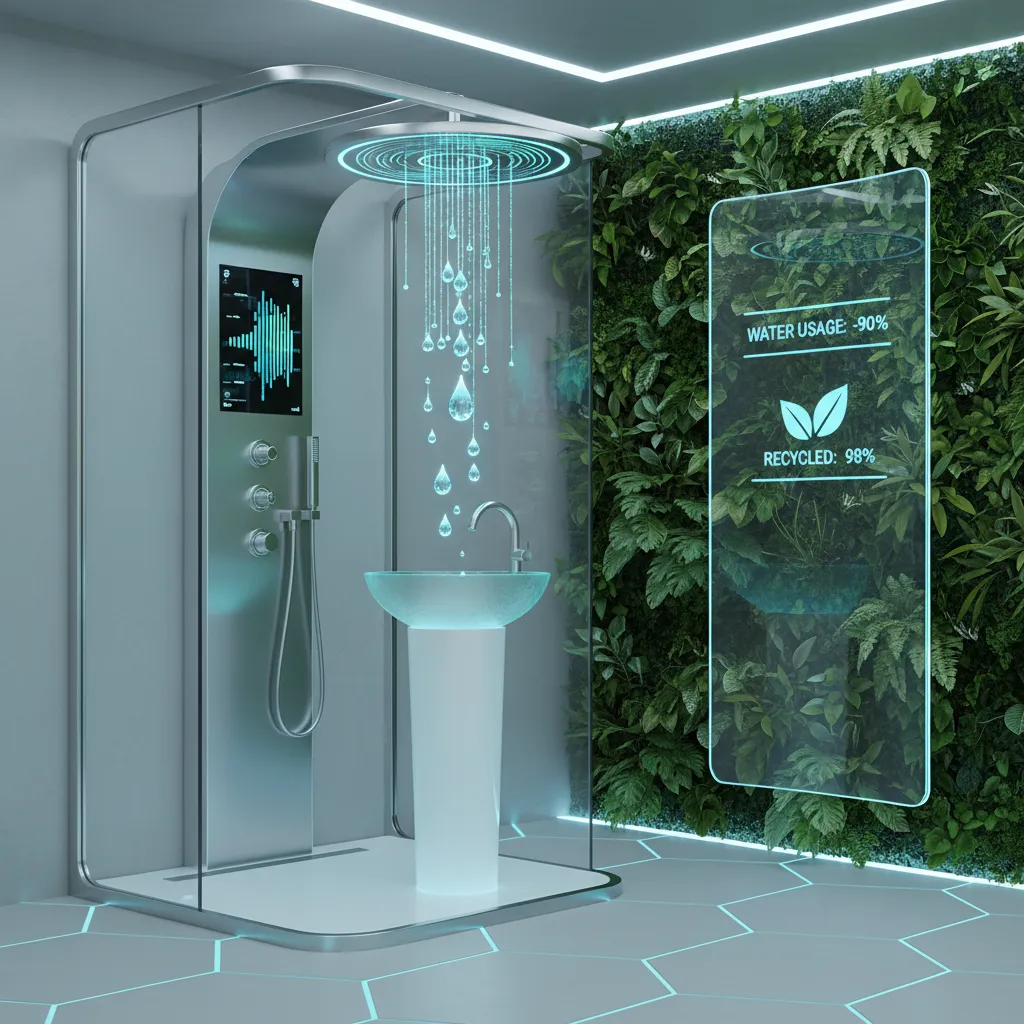
Water is a precious resource, and smart home water management is vital for environmental stewardship. Water saving smart home technology empowers us to monitor, manage, and reduce our water footprint significantly.
Smart Leak Detectors: Early Warning, Big Savings
A tiny leak can waste thousands of gallons of water annually. Smart leak detectors sense moisture and immediately alert you via your smartphone, preventing costly damage and substantial water loss. Placed under sinks, near water heaters, or in basements, these devices are silent guardians of your home’s water integrity.
Smart Irrigation Systems: Watering Smarter, Not Harder
Gone are the days of rigid sprinkler schedules that water your lawn even in the rain. Smart irrigation systems use local weather forecasts, soil moisture sensors, and plant-specific needs to deliver precisely the right amount of water, exactly when it’s needed. This intelligent approach can reduce outdoor water use by up to 50%.
Water-Saving Smart Fixtures: Elegance Meets Efficiency
The latest generation of bathroom and kitchen fixtures incorporates smart technology to minimize water use without compromising performance or aesthetics.
- Smart Shower Heads: Monitor water usage in real-time and provide feedback, or even automatically pause water flow when you’re soaping up.
- Low-Flow Smart Toilets: Use significantly less water per flush, often with dual-flush options for liquid and solid waste.
- Smart Faucets: Can be set to dispense precise amounts of water or feature touchless activation to prevent continuous running.
Embracing these water saving smart home solutions is a powerful way to contribute to water conservation efforts.
Breathing Easy: Enhancing Indoor Air Quality and Comfort
Beyond utilities, a truly sustainable home prioritizes the health and well-being of its occupants. Air quality monitoring smart home systems and thoughtful design choices create healthier, more comfortable living environments.
Smart Air Purifiers and Monitors: Your Indoor Climate Guardians
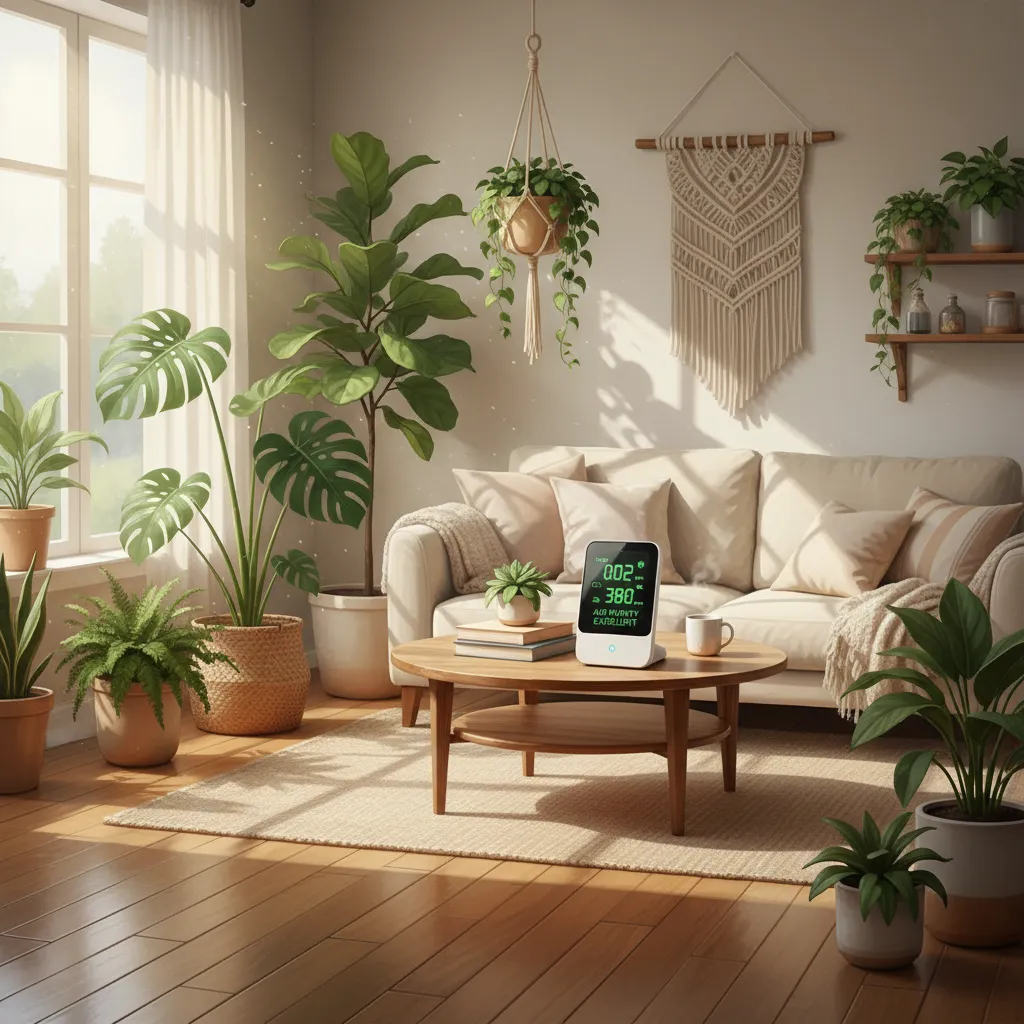
Indoor air can often be more polluted than outdoor air, laden with allergens, VOCs (Volatile Organic Compounds), and particulate matter. Air quality monitoring smart home devices provide real-time data on these pollutants, triggering smart air purifiers to filter the air automatically.
- Sensors: Detect dust, pollen, pet dander, mold spores, and harmful chemicals.
- Automated Purification: Integrated smart purifiers activate when pollutant levels rise, ensuring clean air.
- Ventilation Control: Smart systems can also manage ventilation, bringing in fresh air when outdoor conditions are optimal and sealing off against pollutants when they are not.
This proactive approach ensures a healthier living space, essential for smart home sustainable living.
Biophilic Design Integration: Connecting with Nature Indoors
Beyond technology, incorporating elements of nature into your home, known as biophilic design, enhances air quality and psychological well-being. Smart homes can support this by:
- Automated Plant Care: Smart planters monitor soil moisture, light, and nutrient levels, reminding you to water or even self-watering.
- Dynamic Lighting: Mimic natural daylight cycles, supporting circadian rhythms and plant growth.
Resourcefulness at Home: Waste Management and Sustainable Habits
A comprehensive eco-friendly smart home extends its reach to waste management, fostering responsible consumption and disposal habits.
Smart Composting Solutions: Turning Waste into Gold
Food waste is a significant contributor to landfill emissions. Smart composting bins can accelerate the composting process, reduce odors, and even send notifications when your compost is ready or needs attention. This transforms kitchen scraps into nutrient-rich soil for your garden.
Automated Recycling Assistance: Making it Easier to Do Good
Smart waste bins with sensors can identify and sort recyclable materials, or simply remind you which items go where, simplifying the recycling process and increasing compliance. Some even compact waste to reduce bin volume.
Building from the Ground Up: Sustainable Foundations and Materials
For those undertaking new construction or major renovations, integrating sustainable building technology smart home principles from the outset offers the greatest potential for impact.
Passive House Smart Technology: Design for Efficiency
The “Passive House” standard is a rigorous, voluntary standard for energy efficiency in buildings, reducing a building’s ecological footprint. When combined with smart technology, a passive house smart technology home becomes incredibly efficient.
- Superior Insulation and Air-Tightness: Minimizes heat loss or gain.
- High-Performance Windows: Optimize natural light and reduce thermal transfer.
- Ventilation with Heat Recovery: Recovers heat from outgoing air to warm incoming fresh air, significantly saving energy.
Smart sensors and automation can monitor these passive systems, ensuring they operate at peak efficiency.
Choosing Eco-Conscious Materials: The Foundation of Sustainability
The materials we build with have a profound impact on the environment, from extraction to disposal. An eco-friendly smart home considers:
- Recycled and Reclaimed Materials: Utilizing materials with a lower embodied energy (energy used in production).
- Locally Sourced Materials: Reduces transportation emissions.
- Non-Toxic and Renewable Materials: Avoiding materials that off-gas harmful chemicals or are unsustainably harvested.
Smart home systems can help track the provenance of materials, offering transparency and supporting informed choices.

The Compelling Benefits of Green Smart Homes
Adopting smart home solutions for eco living isn’t just about environmental responsibility; it brings a wealth of tangible benefits that enhance quality of life and financial well-being.
Drastically Reduced Carbon Footprint
The most direct benefit of an eco-friendly smart home is its positive impact on the environment. By optimizing energy and water use, integrating renewables, and managing waste, you significantly lower your smart home carbon footprint, contributing to the fight against climate change. This is the cornerstone of smart home sustainable living.
Significant Savings on Utility Bills
When devices are working smarter, not harder, your wallet feels the difference. Energy efficient smart home devices and water saving smart home systems can lead to substantial reductions in electricity, heating, cooling, and water bills over time. The initial investment in green smart home technology often pays for itself through these recurring savings.
Improved Health and Well-being
A home designed with sustainability in mind is often a healthier home. Better air quality monitoring smart home systems, natural lighting, and reduced exposure to toxins from sustainable materials contribute to a more comfortable and salubrious living environment.
Enhanced Convenience and Comfort
While the primary focus is sustainability, the “smart” aspect of these homes offers unparalleled convenience. Automation, remote control, and intelligent systems simplify daily tasks, allowing you more time to enjoy your home and life.
Increased Home Value
As environmental awareness grows, homes equipped with green smart home technology and sustainable features are becoming increasingly attractive to buyers. A sustainable smart home is not just a trend; it’s an investment that enhances both liveability and market value.
How to Build a Sustainable Smart Home: A Step-by-Step Guide
Embarking on the journey to create an intelligent sustainable home might seem daunting, but it’s a process that can be tailored to any budget and pace. Here’s how to build a sustainable smart home.
1. Assess Your Current Consumption
Before making changes, understand your baseline. Review past utility bills to identify your biggest energy and water drains. This will help prioritize your investments in energy efficient smart home devices and water saving smart home solutions.
2. Start Small and Prioritize Impact
You don’t need to overhaul your entire home at once. Begin with high-impact, easy-to-implement changes:
- Smart Thermostat: A foundational step for smart thermostat energy efficiency.
- Sustainable Smart Lighting: Replace incandescent bulbs with smart LEDs.
- Smart Plugs: Target phantom load devices.
These initial steps offer quick returns and build momentum.
3. Focus on Energy and Water Efficiency
These two areas offer the most significant environmental and financial benefits.
- Explore renewable energy smart home options like solar power if feasible.
- Consider smart home energy management systems for comprehensive oversight.
- Implement smart home water management systems, from leak detectors to smart irrigation.
4. Integrate with a Central Hub and Automate
For true smart home automation sustainability, choose a compatible smart home hub (e.g., Apple HomeKit, Google Home, Amazon Alexa, or a dedicated Z-Wave/Zigbee hub). This allows your various eco-friendly smart home devices to communicate and work together, creating automated routines that optimize efficiency. This is where the IoT for sustainable homes truly shines, connecting diverse devices into a cohesive ecosystem.
5. Consider the Lifecycle: From Purchase to Disposal
When acquiring new devices, look for products with good eco-ratings, durable designs, and clear end-of-life recycling programs. This aligns with the principles of eco-conscious home tech and responsible consumption.
6. Continuous Monitoring and Optimization
The journey to a sustainable smart home is ongoing. Regularly monitor your energy and water consumption data, adjust settings, and explore new technologies as they emerge. The goal is continuous improvement towards smart home sustainable living. [Related: Unlock Potential: AI Tools for Productivity & Creativity 2024]
Best Eco Smart Home Gadgets and Solutions
The market for green smart home technology is booming, offering a wide array of best eco smart home gadgets to help you achieve your sustainability goals.
- Ecobee Smart Thermostat: Known for its robust features and energy-saving capabilities.
- Philips Hue Smart Lighting: Offers unparalleled control, energy efficiency, and ambiance customization.
- Eve Energy Smart Plug with Energy Monitoring: Provides insights into device consumption.
- Flo by Moen Smart Water Monitor and Leak Detector: Offers comprehensive water management and leak protection.
- Rachio Smart Sprinkler Controller: Intelligently manages garden irrigation.
- Awair Element Indoor Air Quality Monitor: Provides detailed data on indoor air pollutants.
- CompostNow Smart Composting: Local services with smart bin options for food waste.
These are just a few examples; thorough research based on your specific needs and existing smart home ecosystem is always recommended.
The Future of Green Homes: Intelligent Sustainable Living
The evolution of the sustainable smart home is accelerating, driven by advancements in AI, IoT, and renewable energy. The future of green homes envisions living spaces that are not just efficient but truly regenerative – actively contributing to a healthier planet.
- Hyper-Personalized Efficiency: AI will learn occupant habits with even greater precision, predicting needs and optimizing systems before you even realize them.
- Grid Integration and Microgrids: Homes will become active participants in smart grids, buying and selling energy, and potentially forming local microgrids for enhanced resilience.
- Biometric and Health Integration: Smart homes will integrate with wearable tech and health data to dynamically adjust environmental factors (lighting, air quality, temperature) for optimal well-being.
- Self-Healing Materials: Smart materials that can repair themselves or adapt to environmental changes will become more common, further reducing maintenance and waste.
- Urban Farming Integration: Vertical gardens and hydroponic systems, managed by smart technology, could turn homes into miniature food production hubs, enhancing food security and reducing carbon footprints from transportation.
This vision points towards truly intelligent sustainable homes where technology, nature, and human well-being are inextricably linked, fostering a deeper connection to our environment and a more resilient way of life. [Related: AI Revolutionizing Healthcare: Innovations & Future Trends]
Conclusion
The journey towards a sustainable smart home is an exciting and impactful one. By thoughtfully integrating eco-friendly smart home technology into our living spaces, we gain the power to significantly reduce our environmental footprint, save money, and enhance our overall quality of life. From the subtle efficiencies of a smart thermostat energy efficiency to the profound impact of a solar powered smart home, every step contributes to a greener, more sustainable future.
This isn’t just about adopting new gadgets; it’s about embracing a mindset of smart home sustainable living – one that values resourcefulness, efficiency, and harmony with nature. As we’ve explored the diverse array of green smart home technology, from water saving smart home systems to advanced air quality monitoring smart home solutions, it’s clear that the tools for change are readily available.
So, whether you’re starting small with a single smart plug or envisioning a complete zero energy smart home, now is the time to act. Let’s collectively build homes that are not only intelligent but also profoundly wise, paving the way for a more regenerative and thriving planet for generations to come. Your home, transformed by eco-conscious home tech, can be a beacon of sustainability in a world that desperately needs it.
FAQs
Q1. What is a sustainable smart home?
A sustainable smart home integrates eco-friendly technology and practices to minimize its environmental impact. It focuses on optimizing energy and water consumption, improving indoor air quality, and promoting sustainable living habits through intelligent automation and connected devices.
Q2. How do smart homes contribute to sustainability?
Smart homes contribute to sustainability primarily by reducing resource consumption. They use energy efficient smart home devices like smart thermostats and lighting to cut electricity use, implement water saving smart home systems to conserve water, and often integrate renewable energy smart home sources like solar power. This significantly lowers a home’s smart home carbon footprint.
Q3. What are the key technologies for an eco-friendly smart home?
Key technologies include smart thermostats energy efficiency, sustainable smart lighting, smart plugs, smart home energy management systems, solar powered smart home solutions, smart leak detectors, smart irrigation systems, water saving smart home fixtures, and air quality monitoring smart home devices. These devices, connected via the IoT for sustainable homes, work together to optimize resource use.
Q4. Is building a sustainable smart home expensive?
The initial investment in green smart home technology can vary. While some high-end systems or full zero energy smart home builds might require a substantial upfront cost, many solutions like smart thermostats and smart lighting are relatively affordable and offer quick returns through utility bill savings. You can start small and gradually expand your sustainable tech infrastructure.
Q5. What are the benefits of green smart homes beyond environmental impact?
Beyond reducing environmental impact, benefits of green smart homes include significant savings on utility bills, enhanced convenience and comfort through automation, improved indoor air quality and occupant well-being, and increased home value. They foster a more mindful and comfortable living experience.
Q6. Can existing homes be converted into sustainable smart homes?
Yes, absolutely! Many eco-friendly smart home devices are designed for easy integration into existing homes. You can start with simple upgrades like smart thermostats and lighting, then gradually add more complex systems like smart irrigation or solar panels. It’s a scalable process that allows you to transform your home at your own pace.
Q7. What role does IoT play in sustainable smart homes?
The IoT for sustainable homes (Internet of Things) connects various smart devices, allowing them to communicate and work together seamlessly. This interconnectedness enables comprehensive smart home energy management systems, automated water conservation, and integrated environmental monitoring, all crucial for maximizing the sustainability of a home.