Smart Home Security: Protecting Your Privacy in a Connected World

Introduction
The allure of a smart home is undeniable. Imagine lights that dim automatically as you settle in for a movie, thermostats that learn your preferences, and security systems you can arm from halfway across the globe. Our homes are becoming increasingly intelligent, weaving a tapestry of convenience, efficiency, and interconnectedness. This revolution, driven by the Internet of Things (IoT), has transformed how we interact with our living spaces, making connected home safety and home automation security more accessible than ever.
However, beneath the gleaming surface of innovation lies a critical concern: privacy. Every smart device, from your video doorbell to your voice assistant, collects data. This data, if not adequately protected, can expose intimate details about your life, habits, and even vulnerabilities. The promise of secure connected living hinges on our ability to safeguard this digital footprint.
In this comprehensive guide, we’ll dive deep into the world of smart home security and smart home privacy. We’ll explore the evolving landscape of threats, demystify IoT security for homes, and provide actionable strategies to ensure your smart devices enhance, rather than compromise, your personal sanctuary. You’ll learn how to choose the best smart home security systems, implement robust smart home data protection, and navigate the complexities of smart device privacy to achieve true peace of mind in your connected world.
The Promise and Peril of a Connected Home
Smart homes are no longer futuristic concepts; they are a present reality, offering unparalleled comfort and control. But as our homes become “smarter,” they also become more complex, introducing new layers of potential vulnerability.
What is Smart Home Security?
Smart home security encompasses the technologies, practices, and systems designed to protect your home and its occupants from physical intrusions, environmental hazards, and, crucially, digital threats. Beyond traditional alarms and sensors, modern home automation security integrates smart locks, smart home security cameras, video doorbells, motion detectors, and even smart lighting, all controlled and monitored through a centralized system or app. The goal is to provide comprehensive protection, often with remote access and real-time alerts.
However, the definition has expanded. True smart home security now also inherently includes smart home privacy – safeguarding the data generated by your devices and ensuring your digital life within your home remains private. It’s about securing not just your front door, but also the digital gateways to your personal information.
The Double-Edged Sword: Convenience vs. Vulnerability
The convenience of smart devices is undeniable. Adjusting your thermostat from your office, seeing who’s at the door while you’re away, or having your lights turn on automatically when you arrive home are fantastic benefits. This ease of use, however, can sometimes come at a cost if smart home vulnerabilities are not addressed.
Every connected device is a potential entry point for malicious actors. A poorly secured smart bulb might seem innocuous, but it could be part of a network that a hacker exploits to gain access to more sensitive devices, like your wireless home security system or personal computer. The sheer number and variety of devices in a modern smart home—from smart locks security to smart doorbells privacy settings, voice assistant security, and even smart refrigerators—create a vast attack surface that requires vigilant smart home data protection.
The challenge lies in balancing the desire for seamless integration and automation with the critical need for robust smart home cybersecurity. It’s a dance between innovation and caution, where understanding the risks is the first step toward a secure smart home setup.
Unmasking the Threats: Smart Home Vulnerabilities and Privacy Risks
To truly protect your connected home, you must first understand the threats lurking in the digital shadows. These range from basic security lapses to sophisticated cyberattacks aimed at your smart device privacy.
Common Smart Home Vulnerabilities
Many smart home vulnerabilities stem from basic, often overlooked, security practices:
- Weak or Default Passwords: The easiest entry point for hackers. Many devices come with default credentials that users often forget to change.
- Outdated Firmware: Like any software, smart device firmware contains bugs and security flaws. Manufacturers release updates to patch these, but if ignored, they remain open doors.
- Insecure Networks: A weak Wi-Fi password or an unencrypted network is an invitation for anyone to snoop on your
smart home network security. - Lack of Encryption: Data transmitted between devices and cloud servers without
end-to-end encryption smart homeis vulnerable to interception. - Insufficient Device Authentication: Devices that don’t require strong authentication or have easily guessable credentials are at high risk.
The Prying Eyes: Data Collection and Privacy Concerns
Beyond direct hacking, a significant smart home privacy concern is the sheer volume of data collected by your devices. Voice assistants record commands, smart home security cameras capture video, and smart thermostats track your presence and temperature preferences. This data, while often used to improve user experience, also paints a detailed picture of your life.
Companies collect this data, store it, and sometimes share or sell it to third parties. While often anonymized, the potential for re-identification or misuse remains a concern. The implications for privacy in smart homes are vast:
- Behavioral Profiling: Data can be used to infer your habits, routines, and even sensitive personal information.
- Targeted Advertising: Your smart home data could influence the ads you see.
- Third-Party Access: Who else has access to your data? Law enforcement, advertisers, or even cybercriminals could potentially gain access through
smart home data breaches. - Lack of Transparency: Many users are unaware of exactly what data their devices collect and how it’s used.
Understanding Smart Home Data Breaches
A smart home data breach occurs when unauthorized individuals gain access to the data collected by your smart devices. This could range from gaining control of your smart locks security to accessing video feeds from your smart home security cameras or intercepting communications with your voice assistant security. Such breaches can have severe consequences, impacting not only your privacy but also your physical safety and financial well-being. Keeping informed about potential smart home vulnerabilities and implementing robust smart home data protection measures is crucial.
Building a Digital Fortress: Essential Smart Home Security Strategies
Securing your smart home doesn’t have to be an overwhelming task. By adopting a multi-layered approach and understanding fundamental IoT security for homes principles, you can significantly enhance your connected home safety.
Secure Your Network: The Foundation of Connected Home Safety
Your home Wi-Fi network is the backbone of your smart home. If it’s compromised, your entire digital fortress is at risk. A robust smart home network security strategy is paramount.
- Change Default Router Credentials: Immediately change the default username and password for your Wi-Fi router.
- Strong Wi-Fi Password: Use a long, complex password with a mix of uppercase and lowercase letters, numbers, and symbols. WPA2 or WPA3 encryption should be enabled.
- Enable a Guest Network: Isolate your smart devices on a separate guest network if your router supports it. This prevents them from directly communicating with your main computers and sensitive data, enhancing
smart home network security. - Consider Network Segmentation (VLANs): For advanced users, creating a separate VLAN (Virtual Local Area Network) specifically for your IoT devices can provide an even greater layer of isolation and
smart home data protection. - Keep Router Firmware Updated: Regularly check for and install firmware updates for your router, just like any other smart device.
- Use a VPN: While a VPN primarily secures your outgoing internet traffic, using a VPN on your router (if supported) can add an extra layer of encryption for all connected devices.
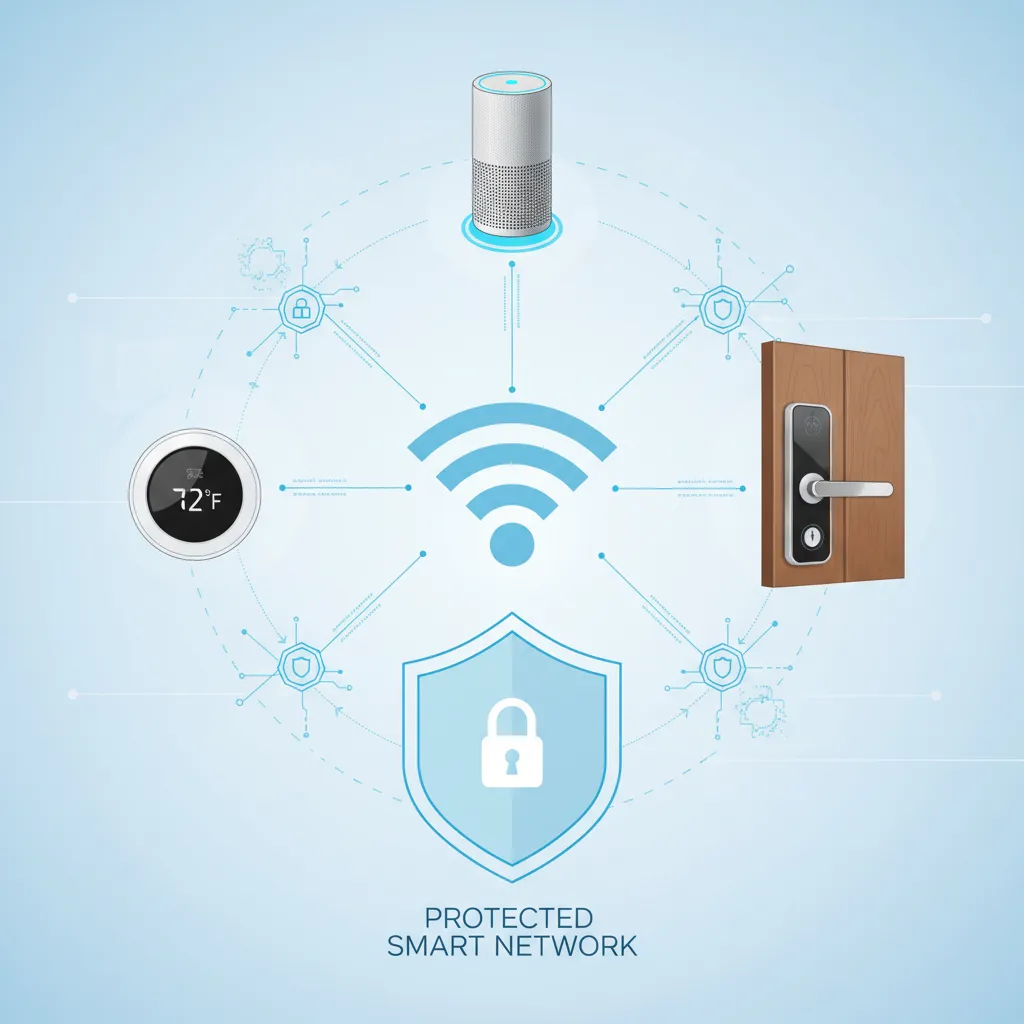 Image: Diagram of secure smart home device network
Choosing Secure Smart Devices: What to Look For
Not all smart devices are created equal when it comes to security and smart device privacy. Being an informed consumer is a crucial aspect of a secure smart home setup.
- Reputable Brands: Opt for established manufacturers known for their commitment to security and privacy, rather than unknown brands with suspiciously low prices.
- Strong Encryption: Look for devices that support
end-to-end encryption smart homefor data transmission, especially for cameras, doorbells, and locks. This ensures that only you and the intended recipient can read your data. - Regular Software Updates: Choose brands that consistently provide firmware and software updates to patch
smart home vulnerabilities. Check their website or product reviews for their update history. - Transparent Privacy Policies: Read the privacy policy. Does it clearly explain what data is collected, how it’s used, and whether it’s shared with third parties? Devices with
local processing smart devicescapabilities can sometimes offer bettersmart home data protectionas data might not need to leave your home network. - Support for Multi-Factor Authentication (MFA): Ensure the device’s companion app supports MFA for
smart home authentication. - Certifications: While not always available, look for security certifications if they exist for specific product categories.
- Consider Local Processing: Devices that perform data processing locally on the device itself, rather than sending everything to the cloud, can offer enhanced
smart home privacy. This reduces the risk of cloud-basedsmart home data breaches.
Smart Device Privacy Settings: Your Control Center
Many smart devices come with a host of configurable privacy settings, yet many users never explore them. These settings are your primary tools for protecting smart home data.
- Review App Permissions: When setting up a new device, carefully examine the permissions requested by its companion app. Does a smart light bulb truly need access to your contacts or location?
- Minimize Data Sharing: Look for options within the app to limit data collection or sharing with third parties. Opt-out of non-essential data collection where possible.
- Adjust Mic and Camera Access: For
smart home security cameras,smart doorbells privacysettings, andvoice assistant security, configure motion detection zones to exclude public areas, and only enable microphones when necessary. Some devices allow you to physically cover lenses or mute microphones. - Understand Data Retention: Check how long the company retains your data (e.g., video recordings). Opt for shorter retention periods if available and sufficient for your needs.
- Disable Unnecessary Features: If you don’t use a particular smart feature, disable it. Less active functionality often means less data collection and fewer potential
smart home vulnerabilities.
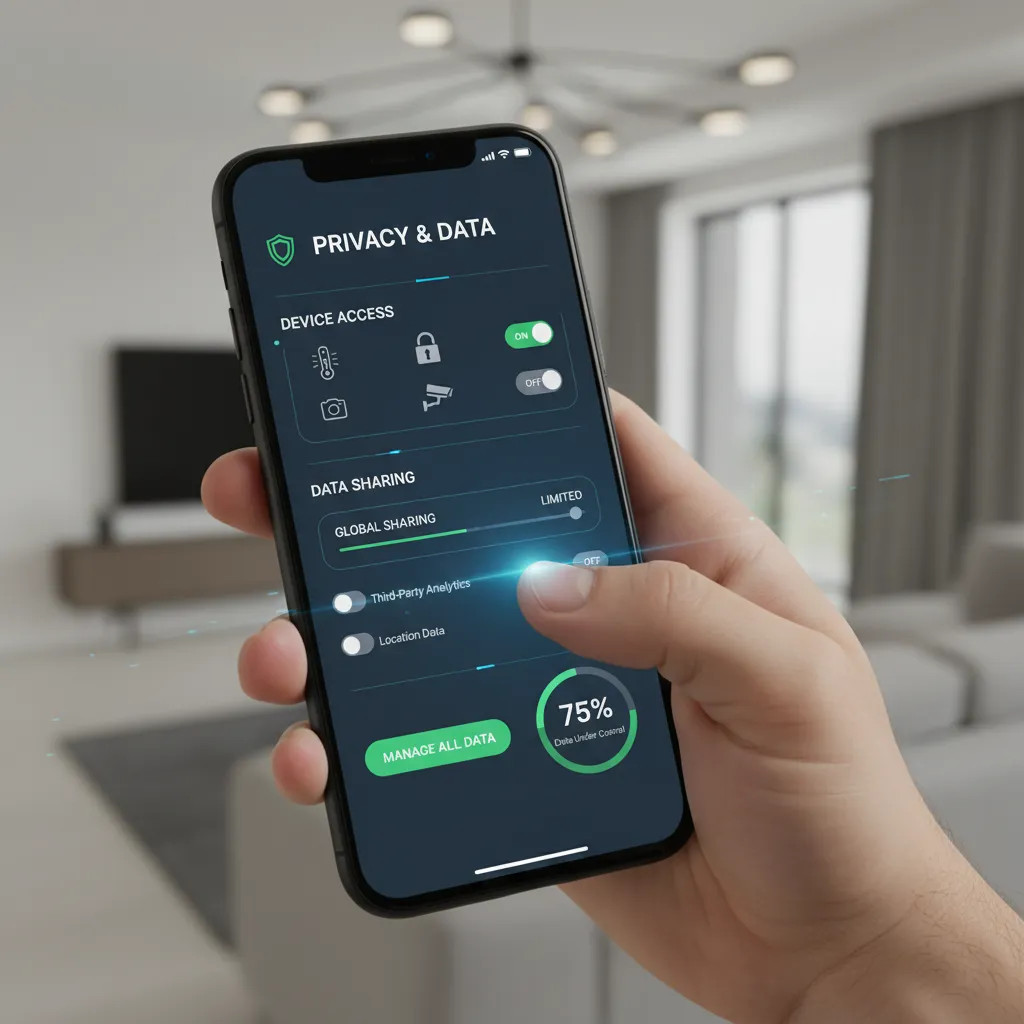 Image: Smartphone app displaying smart home privacy controls
Strong Authentication and Access Control
Your smart home authentication is the gatekeeper to your devices and data.
- Multi-Factor Authentication (MFA): Enable MFA on all smart home accounts and devices that support it. This adds an extra layer of security, typically requiring a code from your phone in addition to your password.
- Unique, Complex Passwords: Use a unique, strong password for every smart home device and service. A password manager can help you manage these. Never reuse passwords.
- Grant Access Judiciously: Be careful who you share access with. When sharing access to your
best smart home security systemsorsmart locks security, ensure each user has their own credentials and revoke access immediately if it’s no longer needed.
Securing Specific Smart Home Devices
Certain smart devices, due to their nature, require extra attention regarding both security and privacy.
Smart Home Security Cameras: Balancing Surveillance and Secrecy
Smart home security cameras are powerful tools for monitoring your property, but they are also a significant smart device privacy concern.
- Strategic Placement: Position cameras carefully to monitor only your property, avoiding neighbors’ yards or public spaces.
- Privacy Zones: Utilize privacy zone features available in many cameras to digitally black out areas you don’t want recorded.
- Local Storage Options: Prioritize cameras with
local processing smart devicesor local storage (SD card, NVR) to reduce reliance on cloud storage and enhanceprotecting smart home data. - End-to-End Encryption: Ensure your camera uses
end-to-end encryption smart homefor video feeds to prevent unauthorized viewing. - Two-Factor Authentication (2FA): Always enable 2FA for your camera’s app and cloud account.
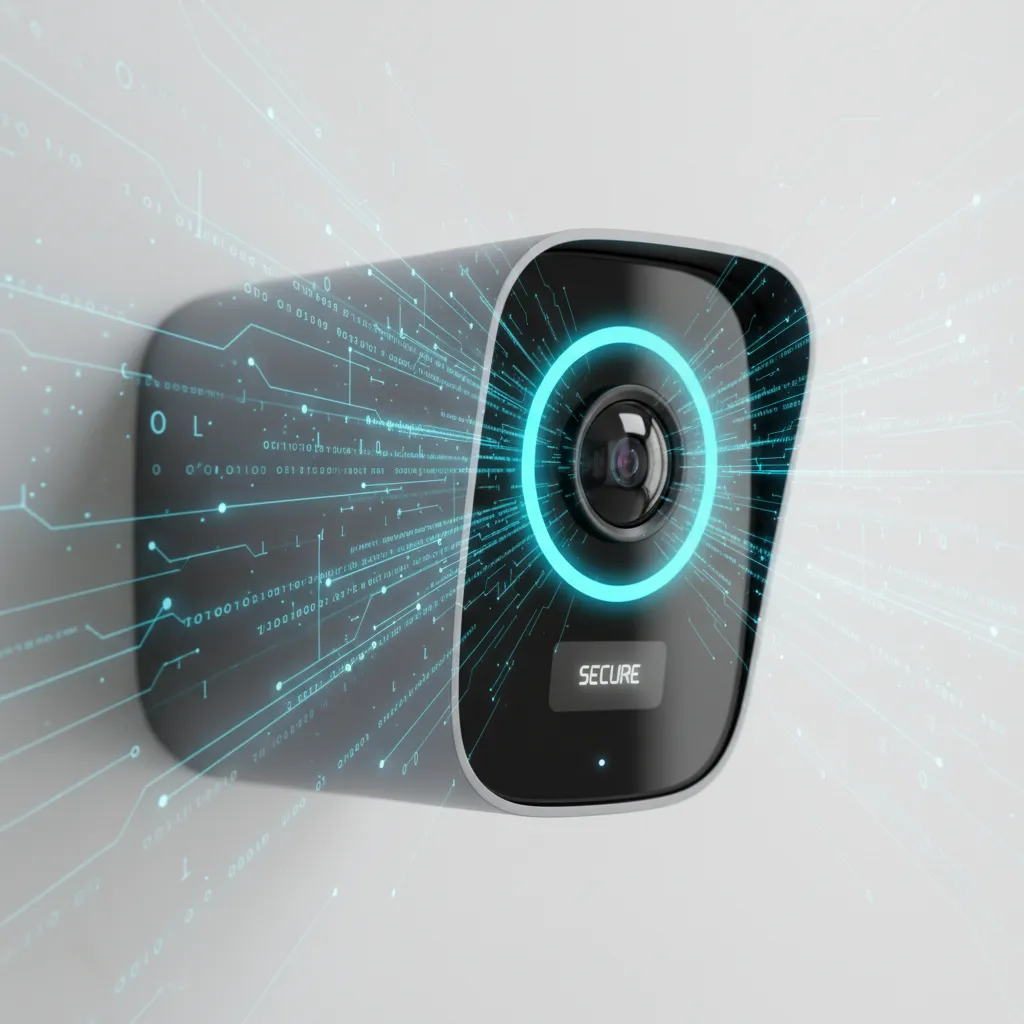 Image: Smart security camera with encryption glow
Smart Doorbells and Voice Assistants: Minimizing Eavesdropping
Smart doorbells privacy and voice assistant security are common concerns due to their audio and visual recording capabilities.
- Adjust Motion Detection: Configure motion detection zones on your smart doorbell to focus only on your property, not the street or sidewalk.
- Mute Microphone: If possible, mute the microphone on your smart doorbell or voice assistant when not actively needed.
- Review Recordings: Regularly review
smart doorbells privacysettings and voice assistant interaction logs. Delete recordings you don’t want stored. - Understand Wake Words: Be aware of how your
voice assistant securitysettings handle wake words and always confirm what data is being collected.
Smart Locks and Access Control
Smart locks security is paramount as they directly control physical access to your home.
- Strong Encryption: Ensure your smart lock uses robust encryption for all communications.
- Audit Trails: Many smart locks provide an audit trail of who has entered and when. Regularly review these logs.
- Physical Security: Don’t forget the physical aspect. Ensure your door itself is secure and resistant to forced entry.
- Backup Power: Smart locks should have a reliable power source and a manual override option in case of power failure.
Proactive Measures: Maintaining Your Smart Home’s Integrity
A secure smart home setup isn’t a one-time task; it’s an ongoing commitment. Regular maintenance and awareness are key to smart home device management and long-term IoT security for homes.
Regular Updates and Patches
Just like your computer or smartphone, your smart devices receive firmware updates. These updates often contain critical security patches that address newly discovered smart home vulnerabilities. Make it a habit to:
- Enable Automatic Updates: If available, enable automatic updates for your devices.
- Manual Checks: Periodically check the manufacturer’s website or the device app for available updates.
- Don’t Postpone Updates: Install updates promptly. Delaying them leaves your devices exposed.
Smart Home Network Security Audits
Consider performing a DIY smart home security audit regularly. This can involve:
- Device Inventory: Keep a list of all your smart devices.
- Network Scan: Use network scanning tools (available online or via some routers) to identify all connected devices and check for open ports.
- Password Review: Periodically change your Wi-Fi password and review all device passwords.
- Privacy Settings Check: Revisit
smart home privacy settingson all devices, especially after firmware updates or app changes.
Understanding Data Retention Policies
Most cloud-connected smart devices store some of your data on remote servers. Familiarize yourself with the data retention policies of your device manufacturers. For protecting smart home data, consider:
- How long is video footage stored?
- Are voice recordings kept indefinitely?
- Can you manually delete data?
- What happens to your data if you stop using the service or sell the device?
Smart Home Cybersecurity Best Practices
Beyond technical configurations, adopting a smart home cybersecurity mindset is essential for secure connected living.
- Be Skeptical of “Smart” Features: Only enable features you genuinely need and understand their privacy implications.
- Strong, Unique Passwords: This cannot be stressed enough. Use a password manager.
- Phishing Awareness: Be wary of suspicious emails or messages purporting to be from your smart device manufacturer, asking for login details.
- Educate Your Family: Ensure everyone in your household understands the basics of
smart home privacyand security. - Backup Important Data: While less common for smart home data, ensure any critical information processed by your smart home is backed up securely if necessary.
- Monitor Activity: Keep an eye on device logs or notifications for unusual activity.
- Disconnect When Not In Use: For some less critical devices, consider disconnecting them from the network when not in use.
 Image: Digital shield protecting smart home icon with binary code
The Future of Smart Home Security and Privacy
The landscape of smart home security is constantly evolving. As technology advances, so too do the methods of attack and defense. Looking ahead, we can anticipate several key trends that will shape the future of smart home security.
One major shift is towards greater emphasis on local processing smart devices. As chips become more powerful, more data analysis and decision-making can happen directly on the device, reducing the need to send sensitive information to the cloud. This significantly enhances smart home data protection and privacy in smart homes. We might see more devices offering edge computing capabilities, where data is processed closer to its source, leading to faster responses and reduced privacy risks.
Another vital area of development is enhanced smart home authentication. Beyond passwords and MFA, biometrics (fingerprint, facial recognition) will become more seamlessly integrated and secure. Decentralized identity solutions and blockchain-based authentication could also play a role, giving users more control over their digital identities and access permissions.
Regulatory frameworks, such as GDPR in Europe and evolving privacy laws globally, are also pushing manufacturers to prioritize smart device privacy by design. We can expect clearer privacy policies, easier ways to manage data, and greater transparency about data collection practices. This will empower consumers to make more informed choices when choosing secure smart devices.
Artificial intelligence (AI) will play a dual role. On one hand, AI will power more sophisticated security systems capable of detecting unusual patterns and smart home vulnerabilities in real-time. On the other, AI itself could introduce new privacy challenges, requiring robust ethical guidelines and transparency. [Related: AI Personal Assistants: Revolutionizing Productivity] or [Related: The AI Revolution in Your Wallet: How AI is Reshaping Personal Finance]
Finally, standardization across IoT security for homes is crucial. Currently, a fragmented market often leads to inconsistencies in security levels. Industry initiatives and government regulations will likely push for common security standards, making it easier for consumers to identify truly secure connected living products and services. [Related: Boost Productivity: 10 Essential AI Tools for Work and Life]
Conclusion
The promise of a smart home – one that anticipates your needs and simplifies your life – is truly exciting. But this convenience must never come at the expense of your privacy and security. The connected home safety landscape demands vigilance, informed choices, and proactive management.
By understanding the smart home vulnerabilities, prioritizing robust smart home network security, diligently configuring smart home privacy settings, and choosing secure smart devices from reputable brands, you can build a digital fortress around your personal sanctuary. Remember to embrace end-to-end encryption smart home where available, prioritize local processing smart devices, and always enable smart home authentication like multi-factor authentication.
Your smart home should be a source of comfort and control, not anxiety about smart home data breaches or IoT security for homes. By taking these steps and staying informed about smart home cybersecurity best practices, you empower yourself to enjoy the benefits of secure connected living without compromising what matters most: your peace of mind and your privacy in this increasingly connected world.
Embrace the future of living, but do so with open eyes and a secure strategy. Your smart home, secured and private, awaits.
FAQs
Q1. What are the biggest privacy concerns with smart home devices?
The biggest smart home privacy concerns revolve around excessive data collection, the potential for smart home data breaches, and the lack of transparency regarding how collected data is used and shared by manufacturers and third parties. Devices like smart home security cameras and voice assistants are particularly sensitive due to their audio and visual recording capabilities.
Q2. How can I make my smart home more secure?
To make your smart home more secure, prioritize smart home network security by using strong Wi-Fi passwords and enabling a guest network for IoT devices. Always change default device passwords, enable smart home authentication like multi-factor authentication, and regularly install firmware updates. Choosing secure smart devices from reputable brands that offer end-to-end encryption smart home is also crucial.
Q3. Is end-to-end encryption important for smart home security cameras?
Yes, end-to-end encryption smart home is critically important for smart home security cameras. It ensures that video feeds and audio transmissions are encrypted from the moment they leave your device until they reach your viewing app, preventing unauthorized interception and enhancing smart device privacy. Without it, your video stream could be vulnerable to smart home vulnerabilities.
Q4. Do smart home devices always listen or record?
Most voice assistant security devices are designed to “listen” for a specific “wake word” before actively recording and sending audio to the cloud for processing. However, the precise duration and storage of these recordings vary by device and smart home privacy settings. Smart home security cameras typically record based on motion detection or continuous recording settings. Reviewing and configuring smart home privacy settings for each device is essential to understand and control this behavior.
Q5. What is the role of a secure Wi-Fi network in smart home security?
A secure Wi-Fi network is the foundation of connected home safety. It acts as the primary gateway for all your smart devices to the internet and each other. A weak or compromised smart home network security can expose all your wireless home security devices to unauthorized access, allowing hackers to potentially control them, intercept data, or launch attacks on other devices within your network, leading to smart home data breaches.
Q6. Can I use smart home devices without an internet connection for better privacy?
Some local processing smart devices can operate without a constant internet connection, performing tasks locally. This can indeed enhance smart home privacy by limiting data transmission to the cloud. However, many smart devices rely heavily on cloud services for full functionality, remote access, and updates. For these, a strong secure smart home setup with robust smart home network security and smart home data protection measures is necessary.
Q7. What should I look for when choosing secure smart devices?
When choosing secure smart devices, look for reputable brands with a track record of security, devices that support end-to-end encryption smart home, offer local processing smart devices options, provide regular firmware updates, and have transparent privacy policies. Also, prioritize devices that support smart home authentication methods like multi-factor authentication.
Q8. How often should I update my smart home devices?
You should update your smart home devices as soon as new firmware or software updates are available. These updates often include critical smart home vulnerabilities patches and security enhancements. Enabling automatic updates or regularly checking for them manually (at least monthly) is a key aspect of smart home device management and maintaining smart home cybersecurity.