Quantum Computing’s Real Impact: Transformative Tech & Future Industries

Introduction
Imagine a world where the most complex problems, currently intractable even for the most powerful supercomputers, can be solved in a blink. This isn’t science fiction; it’s the promise of quantum computing. This revolutionary field of computation harnesses the peculiar principles of quantum mechanics—superposition, entanglement, and interference—to process information in ways fundamentally different from classical computers. While still in its nascent stages, the quantum technology impact is already being felt, signaling a paradigm shift across virtually every sector.
From accelerating drug discovery and optimizing global logistics to fortifying cybersecurity and revolutionizing financial markets, quantum computing applications are vast and varied. But what exactly is quantum computing, and how will it reshape our industries and daily lives? This article will dive deep into quantum computing explained, exploring its core concepts, delving into its most promising quantum computing use cases, and analyzing the future of quantum computing. We’ll uncover the quantum computing benefits, acknowledge the quantum computing challenges, and examine the burgeoning quantum computing market, including key quantum computing startups and the implications for quantum computing investing. Prepare to journey into a future where the impossible becomes possible, driven by the power of the quantum realm.
What is Quantum Computing? A Paradigm Shift in Computation
At its heart, quantum computing represents a radical departure from the binary “0s” and “1s” of classical computing. Instead, quantum computers utilize “qubits” (quantum bits). Unlike classical bits that can only be 0 or 1 at any given time, qubits can exist in a superposition of both states simultaneously. This means a single qubit can represent 0, 1, or a combination of both.
When multiple qubits are entangled, their states become interdependent, even when physically separated. This phenomenon allows quantum computers to process an exponential amount of information compared to classical computers. For instance, two classical bits can be in one of four states (00, 01, 10, 11). Two qubits, however, can be in all four states simultaneously due to superposition and entanglement, allowing for parallel computations that far exceed classical capabilities.
This unique ability to explore vast computational spaces concurrently is what gives quantum computers their immense potential for solving problems that are currently beyond the reach of even the most powerful supercomputers. It’s not about being “faster” in the classical sense, but about being able to tackle entirely different kinds of problems.
Quantum Computing Applications: Unlocking New Frontiers
The potential quantum computing applications span a breathtaking array of industries, promising solutions to some of humanity’s most complex problems. As quantum computing advancements continue, its practical uses are moving from theoretical possibility to tangible reality.
Healthcare and Drug Discovery: A Revolution in Medicine
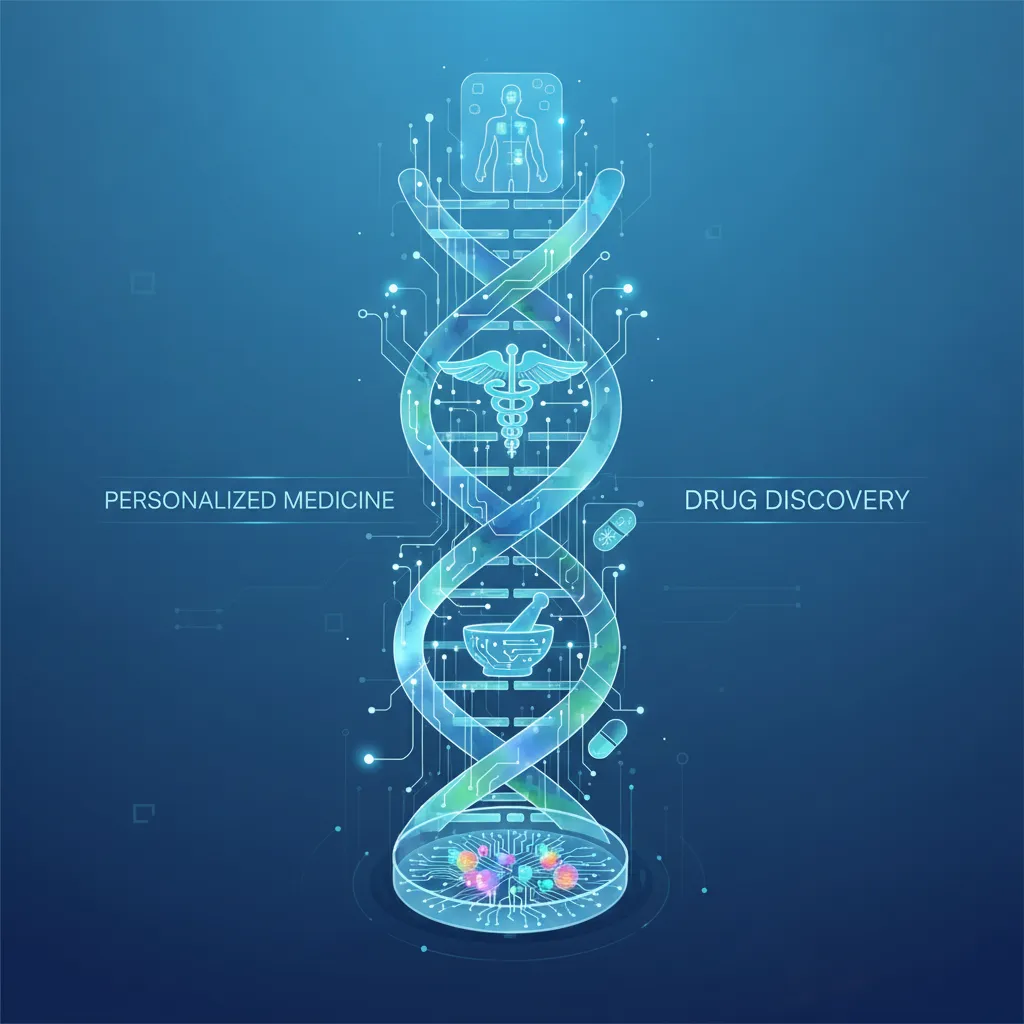
One of the most profound quantum computing industries poised for transformation is healthcare. Quantum computing healthcare promises to accelerate drug discovery and development by simulating molecular interactions with unprecedented accuracy. Classical computers struggle to model complex molecules and their reactions at an atomic level, a bottleneck in creating new pharmaceuticals. Quantum computers, with their ability to handle quantum mechanical calculations directly, can precisely simulate molecular structures, protein folding, and chemical reactions.
This capability will drastically reduce the time and cost associated with bringing new drugs to market, enabling the creation of more effective treatments for diseases like cancer, Alzheimer’s, and Parkinson’s. Beyond drug discovery, quantum computing could personalize medicine, tailoring treatments based on an individual’s unique genetic makeup. It could also enhance medical imaging and diagnostics, leading to earlier and more accurate disease detection.
Financial Services: Enhancing Security and Optimization
The financial sector, constantly seeking an edge in efficiency and security, stands to gain immensely from quantum computing finance. Quantum algorithms could revolutionize risk management, portfolio optimization, and fraud detection. For instance, in portfolio optimization, quantum computers can analyze a myriad of investment scenarios and constraints simultaneously, identifying optimal portfolios that maximize returns while minimizing risk far more efficiently than classical methods.
In fraud detection, quantum machine learning algorithms could process vast datasets of transactional data at speeds that would make real-time detection of anomalies more feasible, thwarting sophisticated fraudulent activities. Furthermore, the advent of quantum cryptography promises a new era of secure communications, safeguarding sensitive financial transactions from advanced cyber threats. While quantum computers pose a theoretical threat to current encryption standards, quantum-resistant algorithms are being developed concurrently.

Logistics and Supply Chain: Optimizing Global Networks
Global supply chains are incredibly complex, with countless variables affecting efficiency, cost, and delivery times. Quantum computing logistics offers the potential to optimize these intricate networks like never before. From optimizing shipping routes and managing warehouse inventory to scheduling deliveries and allocating resources, quantum algorithms can solve complex combinatorial optimization problems that overwhelm classical computers.
Imagine a world where every package, every container, and every vehicle in a global supply chain is routed with near-perfect efficiency, minimizing fuel consumption, reducing delivery times, and lowering operational costs. This has massive implications for reducing environmental impact and improving consumer satisfaction. Companies like FedEx, UPS, and Amazon could leverage quantum optimization to achieve unprecedented levels of operational excellence.

Cybersecurity: The Quantum Encryption Frontier
The development of quantum computers presents a dual challenge and opportunity for cybersecurity. On one hand, a sufficiently powerful quantum computer could theoretically break many of the public-key encryption standards that secure our digital world today, including RSA and ECC. This is a significant concern for quantum computing security and data protection.
On the other hand, quantum cryptography offers a robust solution: quantum key distribution (QKD). QKD leverages the laws of quantum mechanics to create unhackable encryption keys. Any attempt to eavesdrop on a quantum key transmission would inherently alter the quantum state, immediately alerting the communicating parties. This ensures unprecedented levels of data security, making quantum computing breakthroughs essential for future cybersecurity. [Related: AI Cybersecurity Revolutionizing Defense Threat Detection]

Artificial Intelligence and Machine Learning: Quantum-Enhanced Intelligence
The intersection of quantum machine learning and artificial intelligence is another incredibly promising area. Quantum computers can process and analyze vast datasets in ways classical algorithms cannot, potentially leading to breakthroughs in AI. Quantum algorithms could enhance existing machine learning techniques, making them more powerful and efficient.
Imagine quantum neural networks capable of recognizing patterns in data with far greater subtlety, leading to more accurate predictions in areas like weather forecasting, financial modeling, and even personalized content recommendations. Quantum machine learning could accelerate the training of complex AI models, unlock new forms of data analysis, and even contribute to the development of true artificial general intelligence. [Related: AI Productivity Tools 2024]
The Quantum Computing Market and Investing Landscape
The quantum computing market is still in its early stages but is rapidly expanding. Governments, tech giants, and venture capitalists are pouring billions into research and development, recognizing the immense quantum computing future potential.
Key Players and Startups
Major tech companies like IBM, Google, Microsoft, and Amazon (AWS) are leading the charge, developing their own quantum hardware and software platforms. IBM, for example, has made its quantum computers accessible through the cloud, fostering a vibrant ecosystem of developers and researchers. Google’s Sycamore processor demonstrated “quantum supremacy” (though debated), showcasing the ability of a quantum computer to solve a problem intractable for classical supercomputers.
Beyond these giants, a thriving ecosystem of quantum computing startups is emerging. Companies like Rigetti Computing, D-Wave Systems, IonQ, and Quantinuum are pushing the boundaries of quantum hardware and software development, specializing in various quantum computing devices and architectures. These startups are attracting significant quantum computing investing as their innovations promise to bring quantum solutions closer to commercial viability.
Quantum Computing for Business: Adoption and Commercialization
While full-scale commercial quantum computing adoption is still some years away for most businesses, early adopters are already exploring its potential. Industries dealing with complex optimization, simulation, and data analysis problems are natural candidates. This includes sectors like aerospace, automotive, energy, and materials science, where the ability to model complex systems at a fundamental level can lead to significant competitive advantages.
The current focus for many businesses is on understanding the technology, experimenting with quantum algorithms on cloud-based quantum platforms, and building the necessary expertise within their organizations. The quantum computing commercial rollout will likely happen incrementally, starting with hybrid classical-quantum solutions that leverage the strengths of both architectures.
Quantum Computing Challenges: Hurdles on the Path to Transformation
Despite its immense promise, the road to widespread quantum computing real world impact is fraught with significant quantum computing challenges.
Technical Hurdles: Stability and Error Correction
One of the primary challenges lies in the inherent fragility of qubits. Quantum states are incredibly delicate and susceptible to “decoherence,” where they lose their quantum properties due to interaction with their environment. This environmental noise introduces errors into computations. Building stable, scalable quantum computers that can maintain coherence for long enough to perform complex calculations is a monumental engineering feat.
Quantum computing devices require extremely cold temperatures (near absolute zero) or vacuum environments to minimize interference, making them expensive and difficult to maintain. Developing robust quantum error correction techniques is crucial, as current error rates are still too high for many practical applications.
Scalability and Hardware Development
Another significant hurdle is scalability. While researchers have built quantum computers with dozens or even hundreds of qubits, scaling these systems to thousands or even millions of stable, interconnected qubits, as would be required for truly transformative applications, remains a grand challenge. Different quantum computing devices (superconducting qubits, trapped ions, photonic qubits, topological qubits) each have their own advantages and disadvantages in terms of stability, connectivity, and scalability.
Software and Algorithm Development
Beyond hardware, the development of quantum software and algorithms is equally critical. Writing code for quantum computers requires a fundamentally different way of thinking compared to classical programming. There’s a need for more quantum programmers, quantum algorithm developers, and specialized software tools to unlock the full potential of these machines.
Cost and Accessibility
Currently, quantum computing hardware is extremely expensive to build and operate, limiting its accessibility to a handful of research institutions and tech giants. While cloud-based access is making it more available, the sheer cost remains a barrier to broader experimentation and development. As quantum computing advancements continue, efforts are being made to reduce costs and improve accessibility, but this will take time.
Quantum Computing Benefits: Why the Investment Matters
Despite the challenges, the potential quantum computing benefits are so profound that continued investment is not just justified, but essential for future innovation and global competitiveness.
- Solving Intractable Problems: The ability to tackle problems currently beyond the reach of classical computers could unlock solutions to grand scientific and societal challenges in medicine, materials science, energy, and environmental modeling.
- Accelerated Research and Development: Quantum simulations can significantly speed up the R&D cycle in many industries, from drug discovery to battery design, leading to faster innovation and economic growth.
- Enhanced Optimization: Industries facing complex optimization problems (logistics, finance, manufacturing) can achieve unprecedented efficiencies, leading to cost savings, resource optimization, and improved decision-making.
- New Security Paradigms: While a threat to current encryption, quantum cryptography offers the promise of truly unbreakable communication, fundamentally reshaping the landscape of digital security.
- Advancements in AI: Quantum-enhanced machine learning could lead to more powerful, efficient, and insightful artificial intelligence, driving progress across all sectors where AI is applied. [Related: AI Personal Assistants Revolutionizing Productivity]
- Creation of New Industries and Jobs: The emergence of quantum technology will undoubtedly spawn new industries, services, and job roles, driving economic expansion and technological leadership.
The Future of Quantum Computing: A Transformative Horizon
The future of quantum computing is not a question of if but when its full impact will be realized. While a universally fault-tolerant quantum computer is likely still a decade or more away, the near-term future holds significant promise. We are in the era of Noisy Intermediate-Scale Quantum (NISQ) devices, which, despite their limitations, can already be used to explore and test quantum algorithms for specific problems.
Over the next few years, we can expect:
- Continued Hardware Advancements: Improvements in qubit stability, connectivity, and coherence times across various quantum computing devices.
- More Accessible Cloud Platforms: Expanded access to quantum hardware and software through cloud services, lowering the barrier to entry for researchers and businesses.
- Development of Hybrid Algorithms: The rise of algorithms that combine classical and quantum computing to tackle complex problems, leveraging the strengths of both.
- Niche Commercial Applications: Early quantum computing commercial applications in highly specialized areas where even NISQ devices can offer an advantage.
- Increased Education and Talent Development: A growing focus on training a new generation of quantum scientists, engineers, and programmers to meet the demands of this emerging field.
The journey towards widespread quantum computing adoption will be a collaborative effort involving academia, industry, and government. It will require continued innovation, significant investment, and a willingness to explore new computational paradigms. The quantum computing real world impact will unfold incrementally, but its ultimate transformative power will reshape industries and redefine the boundaries of what’s possible.
Conclusion
Quantum computing is not just an incremental technological improvement; it’s a foundational shift that promises to unlock solutions to problems previously thought unsolvable. From accelerating drug discovery and fortifying cybersecurity with quantum cryptography to optimizing global logistics and revolutionizing financial services, the quantum technology impact will be profound and far-reaching.
While significant quantum computing challenges remain in hardware stability, scalability, and software development, the rapid pace of quantum computing advancements suggests that these hurdles are not insurmountable. The burgeoning quantum computing market, fueled by quantum computing investing and the innovation of quantum computing startups, is a testament to the recognized quantum computing benefits and the transformative future of quantum computing.
As we move forward, understanding what is quantum computing and its practical uses will be crucial for businesses, governments, and individuals alike. The quantum era is dawning, and with it, the potential to redefine innovation, solve humanity’s greatest challenges, and usher in an unprecedented era of technological capability. The question is no longer if quantum computing will have a real impact, but how quickly we can harness its power to build a better future.
FAQs
Q1. What is quantum computing?
Quantum computing is a new type of computation that uses quantum-mechanical phenomena like superposition, entanglement, and interference to perform calculations. Unlike classical computers that use bits (0s or 1s), quantum computers use qubits, which can exist in multiple states simultaneously, allowing them to solve certain complex problems far more efficiently.
Q2. How will quantum computing impact industries?
Quantum computing is poised to transform various industries by solving complex optimization, simulation, and data analysis problems. For example, it can accelerate drug discovery, optimize financial portfolios, streamline supply chains, enhance cybersecurity through quantum cryptography, and power advanced AI and machine learning algorithms.
Q3. What are some real-world examples of quantum computing applications?
Real-world quantum computing examples include simulating complex molecular structures for new drug development, optimizing logistical routes for delivery services, detecting fraud in financial transactions, creating ultra-secure communication channels, and developing more sophisticated artificial intelligence models.
Q4. What are the main challenges facing quantum computing?
Key challenges for quantum computing include maintaining qubit stability (decoherence), scaling quantum processors to a large number of qubits, developing robust quantum error correction techniques, and creating accessible quantum software and algorithms. These technical hurdles require significant research and engineering breakthroughs.
Q5. Is quantum cryptography secure against quantum computers?
Yes, quantum cryptography, particularly Quantum Key Distribution (QKD), is designed to be secure even against future quantum computers. It leverages quantum mechanics to detect any eavesdropping attempts during key exchange, ensuring theoretically unbreakable communication. It’s a proactive solution to the potential threat quantum computers pose to current encryption methods.
Q6. When will quantum computing be widely available?
While quantum computers are currently available through cloud platforms for research and specific problem-solving, widespread commercial quantum computing adoption for everyday tasks is still years away. Many experts predict that truly fault-tolerant quantum computers, capable of solving a broad range of complex problems, will emerge in the next 10-20 years.
Q7. How can businesses prepare for quantum computing?
Businesses can prepare for quantum computing for business by investing in understanding the technology, exploring potential use cases relevant to their industry, experimenting with quantum algorithms on cloud-based quantum platforms, and beginning to build in-house expertise in quantum science and engineering. This proactive approach will position them to leverage quantum advancements as they become more mature.