Beyond the Wrist: Next-Gen Wearable Tech for Holistic Health

Introduction
For the better part of a decade, the conversation around wearable health technology has been dominated by the device on our wrist. Smartwatches and fitness trackers have done a phenomenal job of getting us to move more, tracking our runs, and counting our steps. But as our understanding of health evolves, we’re realizing that true wellness is far more than just physical activity. It’s a complex interplay of our sleep quality, metabolic health, stress levels, and mental state—a concept known as holistic wellness tech.
The era of basic activity tracking is giving way to a more profound technological revolution. We’re moving beyond the wrist to a new ecosystem of next gen wearables designed for continuous health monitoring. These devices—from discreet smart rings and intelligent bio-sensing patches to smart apparel—are making proactive health management not just a possibility, but a daily reality.
This article delves into this exciting frontier. We’ll explore the cutting-edge form factors, the powerful sensors driving them, and how artificial intelligence is turning streams of real-time health data into personalized health insights. Get ready to discover how these digital health solutions are empowering us to move from a reactive “sick care” model to a future of truly preventive, data-driven wellness.
The Great Health Shift: From Fitness Tracking to Continuous Monitoring
The first wave of wearables successfully gamified fitness. Closing your rings or hitting 10,000 steps became a daily goal for millions. While valuable, this approach provides only a snapshot of your overall health, primarily centered on conscious physical exertion.
What about the other 23 hours of the day? What happens to your body when you’re sleeping, working, or stressed? This is where the concept of continuous health monitoring changes the game.
Unlike periodic check-ins, continuous monitoring involves body-worn sensors that collect physiological data 24/7. This creates a rich, longitudinal dataset of your personal baseline, allowing you and sophisticated AI algorithms to spot subtle deviations that could signal stress, fatigue, illness, or the onset of a chronic condition. It’s the ultimate engine for preventive health technology.
This shift represents a fundamental change in our relationship with our health:
- Reactive to Proactive: Instead of waiting for symptoms to appear before seeing a doctor, you can identify negative trends and make lifestyle adjustments to prevent issues before they escalate.
- Generic to Personalized: Your unique data stream allows for tailored recommendations on diet, sleep hygiene, and stress management, moving beyond one-size-fits-all advice.
- Episodic to Continuous: Health is no longer something you only think about at the doctor’s office. It becomes an integrated, conscious part of your daily life, powered by a constant flow of information.
Related: The AI Wearable Tech Revolution: How It’s Reshaping Health & Wellness
The New Form Factors: Unpacking the Next-Gen Wearables
The most exciting developments in health tech trends 2024 are happening in devices that break free from the smartwatch mold. Each form factor offers unique advantages for comfort, data accuracy, and specific use cases.
Smart Rings: The Discreet Powerhouses of Wellness
Smart rings, like the Oura Ring and Ultrahuman Ring AIR, are the poster children for the “beyond the wrist” movement. These sleek, screen-less devices are designed to be worn 24/7, making them particularly adept at capturing high-fidelity data during sleep—a time when wrist-based devices can be cumbersome.
What They Excel At:
- Sleep Tracking Innovation: By measuring body temperature, resting heart rate, and Heart Rate Variability (HRV) directly from the finger’s arteries, they provide some of the most accurate and detailed sleep stage analysis available to consumers.
- Readiness & Recovery: They synthesize sleep, activity, and HRV data to generate a daily “Readiness Score,” helping you decide whether to push hard in a workout or prioritize rest.
- Subtle Health Trend Detection: Continuous temperature monitoring can provide early warnings of impending illness or track menstrual cycles with incredible precision.
Smart Patches: The Future of Medical-Grade Monitoring
Smart patches health technology represents a leap toward clinical-grade, non-invasive monitoring. These are small, adhesive bio-sensing wearables that stick to your skin for days or weeks to track specific biomarkers.
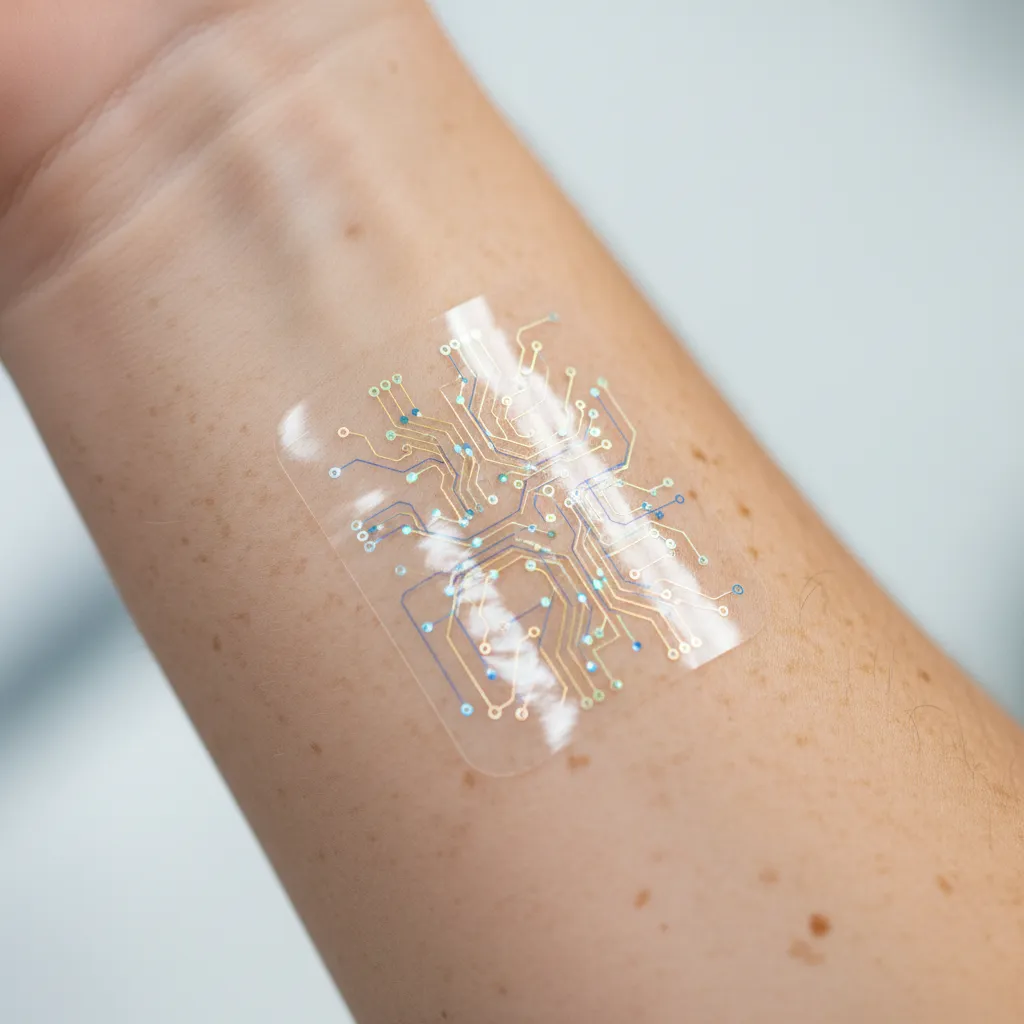
Initially popularized by glucose monitoring wearables like the Dexcom G6 and Abbott FreeStyle Libre for diabetes management, the applications for smart patches are exploding.
Key Use Cases:
- Continuous Glucose Monitoring (CGM): Now being adopted by wellness enthusiasts to understand how diet and exercise impact their metabolic health in real-time.
- ECG & Cardiac Monitoring: Patches that provide continuous electrocardiogram (ECG) data are crucial for remote patient monitoring of individuals with cardiac conditions.
- Vital Sign Monitoring: Companies are developing patches that can track temperature, hydration levels, and even electrolyte loss through sweat, offering huge potential for athletics and occupational safety.
Smart Rings vs. Patches: Which Is Right for You?
The choice between these connected health devices depends entirely on your goals. One focuses on general wellness, the other on specific biomarker tracking.
| Feature | Smart Rings (e.g., Oura, Ultrahuman) | Smart Patches (e.g., CGM, ECG Patch) |
|---|---|---|
| Primary Goal | Holistic wellness, sleep, and recovery | Specific medical or metabolic monitoring |
| Data Focus | Temperature, HRV, Sleep Stages, Activity | Glucose, ECG, Heart Rhythm, Temperature |
| Duration of Use | Continuous (years), charge every 4-7 days | Disposable/Replaceable (7-14 days) |
| Intrusiveness | Low (like regular jewelry) | Low-to-Moderate (adhesive on skin) |
| Best For | Biohackers, athletes, anyone prioritizing sleep | Diabetics, cardiac patients, performance athletes |
Smart Apparel: Your Clothes as a Health Sensor
Imagine your gym shirt analyzing your breathing patterns or your socks tracking your running form. This is the promise of smart apparel health. By embedding sensors and conductive smart fabrics for health directly into clothing, this technology offers the most integrated and seamless health monitoring experience possible.
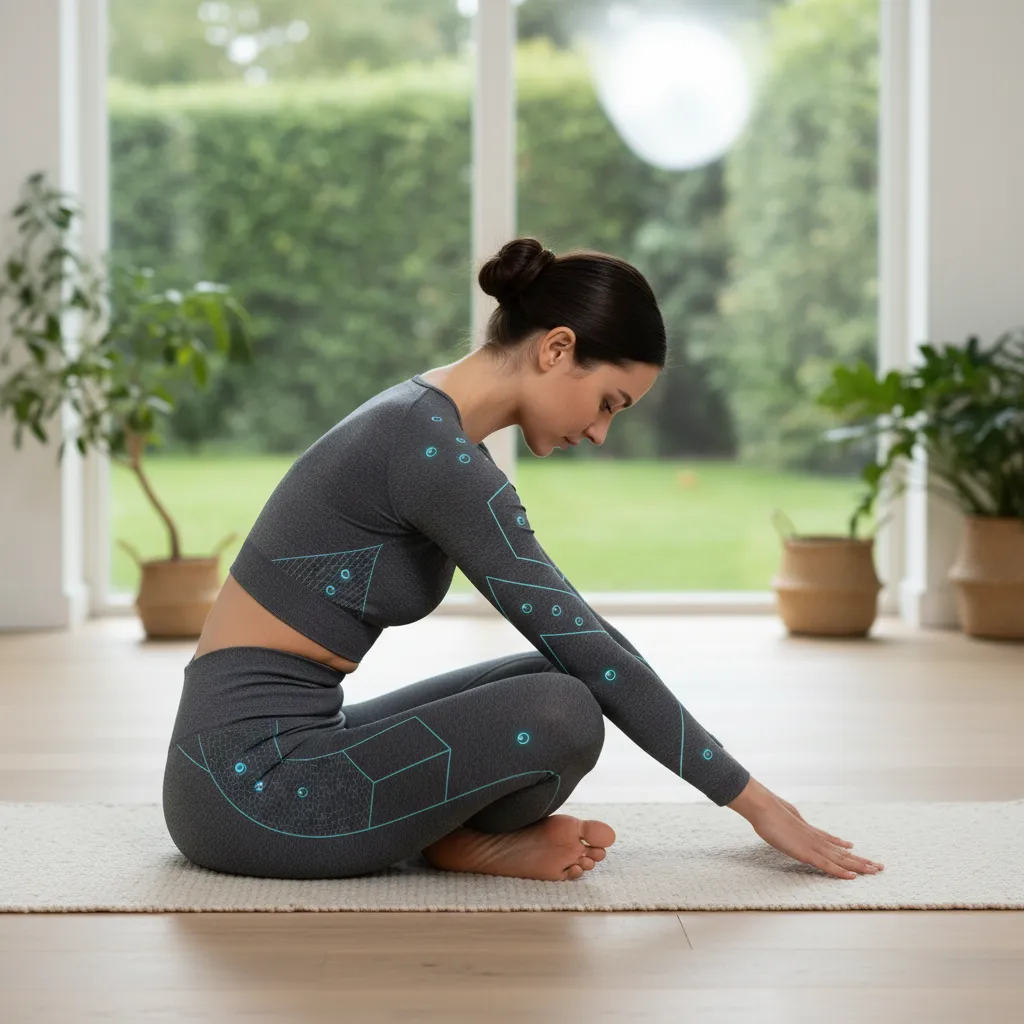
While still an emerging market, the potential is enormous. Companies like Hexoskin and Sensoria are pioneers, creating garments that can capture a wealth of data:
- Full-body ECG: More comprehensive than a single-lead watch.
- Respiration Rate & Volume: Critical data for endurance athletes and respiratory therapy.
- Muscle Activation (EMG): Providing feedback on workout form and muscle imbalance.
- Gait Analysis: Smart socks can help runners improve efficiency and prevent injury.
This technology turns your everyday clothing into powerful wearable medical devices, blurring the line between apparel and advanced health tech.
The Bio-Sensing Revolution: Technologies Powering the Change
The magic of these next gen wearables isn’t just their form factor; it’s the sophisticated bio-sensing wearables packed inside. These miniature marvels of engineering translate your body’s subtle signals into digital data.
Key metrics that are becoming consumer-accessible include:
- Heart Rate Variability (HRV): The variation in time between each heartbeat. A higher HRV is a strong indicator of a well-rested, recovered, and low-stress nervous system. It’s a cornerstone metric for many stress monitoring devices.
- Electrodermal Activity (EDA): These sensors detect minute changes in your skin’s sweat levels, which are directly tied to your sympathetic nervous system’s response to emotional or cognitive stress.
- SpO2 (Blood Oxygen): Measures the oxygen saturation in your blood, a key indicator of respiratory and cardiovascular health, especially during sleep.
- Continuous Glucose Monitoring (CGM): Using a tiny filament to read glucose levels in the interstitial fluid just under the skin, this technology is revolutionizing metabolic health awareness.
- Non-Invasive Blood Pressure: The holy grail for many wearable companies. While still in development, companies like Valencell are making significant strides in cuffless blood pressure wearables, which could transform hypertension management.
Related: How AI is Revolutionizing Healthcare: Innovations and Future Trends
From Raw Data to Actionable Insights: The Power of AI and Personalization
Collecting terabytes of real-time health data is useless if you can’t understand it. This is where Artificial Intelligence becomes the crucial co-pilot on your wellness journey. AI and machine learning algorithms are the engines that transform raw sensor readings into personalized health insights.
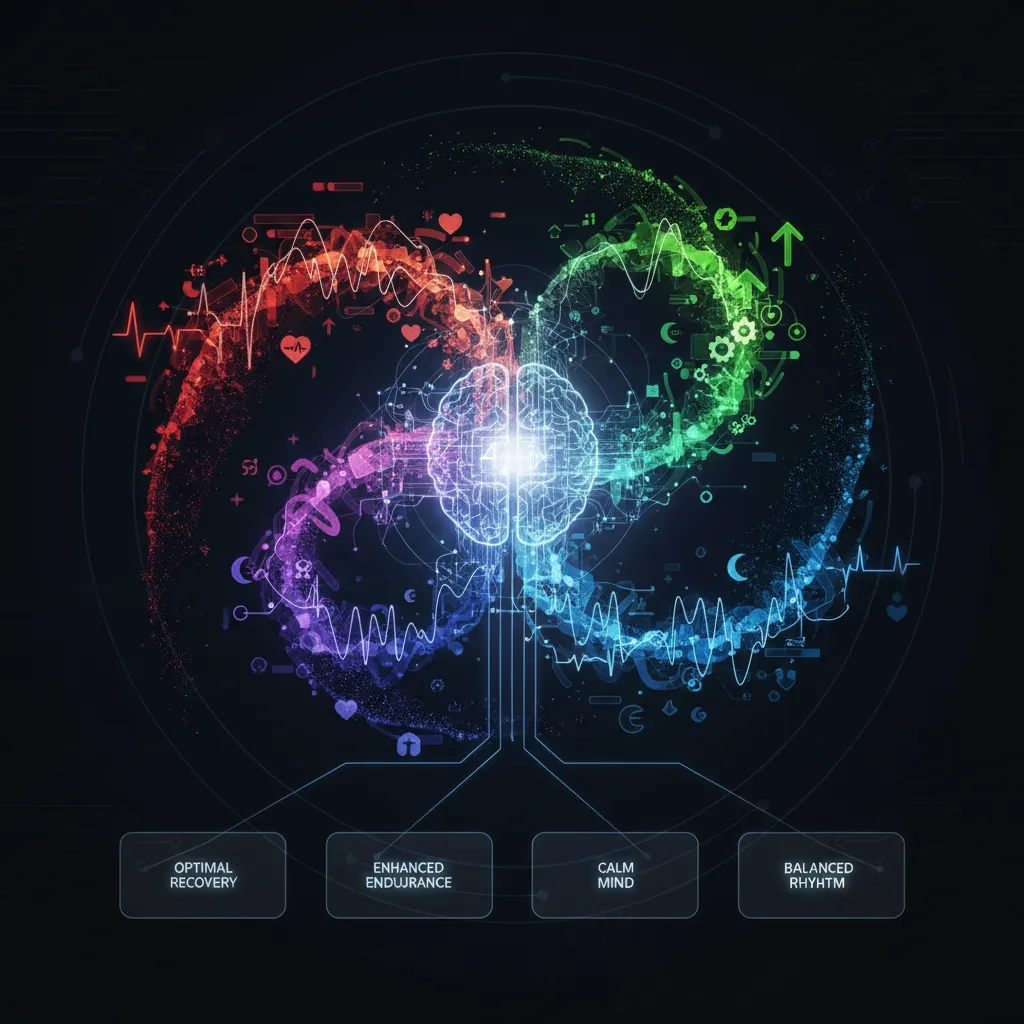
Here’s how AI is changing the game:
- Pattern Recognition: AI can analyze months of your data to establish your unique physiological baseline. It can then flag deviations—like a consistently elevated resting heart rate or suppressed HRV—that might indicate overtraining, stress, or an oncoming illness long before you feel symptoms.
- Personalized Recommendations: Instead of generic advice, AI can offer specific suggestions. It might say, “Your deep sleep was 20% lower last night after your late-night meal. Try eating 3 hours before bed.” This is the essence of data-driven wellness.
- Predictive Analytics: The future of preventive health technology lies in prediction. By correlating data from millions of users, AI models will be able to assess an individual’s risk for certain conditions and recommend proactive interventions.
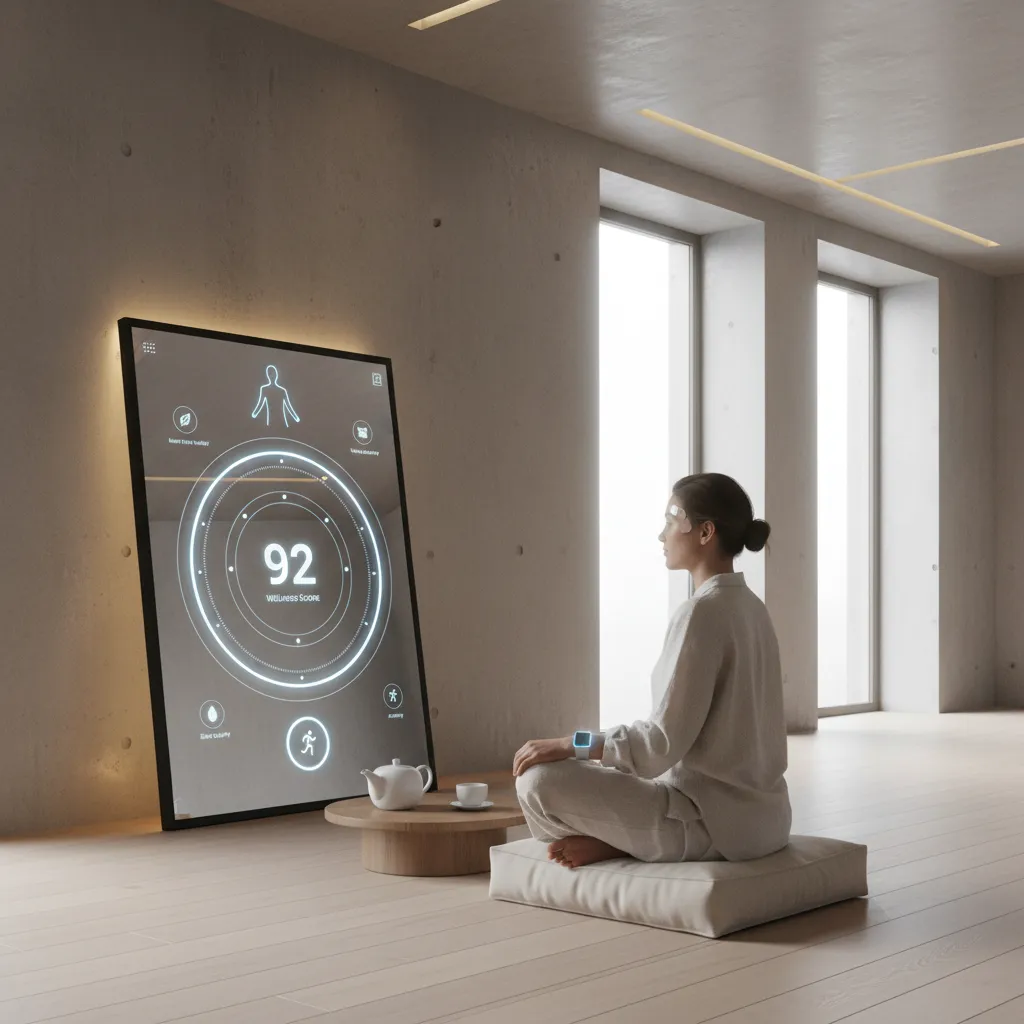
These insights are delivered through intuitive dashboards and mobile apps, turning your phone into a central command for your health.
Related: The Nvidia Blackwell AI Chip is Here to Change Everything
Beyond the Physical: Wearables for Mental and Emotional Wellbeing
A truly holistic approach to health must include mental and emotional wellness, and this is a rapidly growing focus for the wearables industry. Mental health wearables aim to provide objective data for what has historically been a purely subjective experience.
Devices are using a combination of metrics like HRV, skin temperature, and EDA to quantify stress responses in real-time. This can help users:
- Identify Stress Triggers: See exactly how that stressful meeting or argument impacted your nervous system.
- Practice Mindfulness: Devices like the Muse headband use neuro-sensing technology to provide real-time feedback during meditation, helping you train your focus.
- Improve Emotional Regulation: Some devices provide gentle haptic feedback (vibrations) as a reminder to take a deep breath when they detect a spike in stress indicators.
This objective data can be an invaluable tool for individuals and their therapists, providing a more complete picture of one’s mental state between sessions.
Related: The AI Mental Health Revolution: Personalized Care for the Future of Wellbeing
The Future is Now (And Next): What’s on the Horizon?
The pace of innovation in wearable health technology is breathtaking. As we look toward the near future, several exciting trends are emerging:
- Personalized Nutrition Sensors: Imagine a patch that analyzes your sweat or breath to tell you exactly which nutrients you’re deficient in after a workout. This technology is in active development and will close the loop between biometrics and diet.
- “Hearables”: Earbuds are becoming powerful health devices, capable of accurately measuring core body temperature, heart rate, and even brain activity (EEG).
- Implantable Health Tech: While more invasive and further from the mainstream, tiny implantable sensors that can monitor blood chemistry or organ function for years at a time are on the horizon, primarily for managing serious chronic diseases.
- The Digital Twin: The ultimate endgame is the integration of all this data—from your ring, patch, clothes, and even your genomic data—into a comprehensive, living digital model of your body. This “digital twin” would allow for incredibly precise predictions and personalized interventions, revolutionizing medicine as we know it.
Conclusion
We are standing at the dawn of a new era of personal health. The move beyond the wrist is more than just a change in device location; it’s a philosophical shift toward a more complete and proactive understanding of our bodies. Next gen wearables, from smart rings and patches to intelligent fabrics, are the tools enabling this revolution.
By embracing continuous health monitoring and leveraging the power of AI to generate personalized health insights, we are gaining an unprecedented ability to manage our own wellbeing. This is the future of holistic wellness tech: a seamlessly integrated ecosystem of body-worn sensors that empower us to live healthier, more informed lives. The journey to proactive health is underway, and it’s being measured one heartbeat, one breath, and one data point at a time.
Frequently Asked Questions (FAQs)
Q1. What is next-gen wearable technology?
Next-gen wearable technology refers to advanced health and fitness monitoring devices that go beyond the capabilities of traditional smartwatches. This includes new form factors like smart rings, adhesive smart patches, and smart clothing, which are designed for more comfortable, continuous, and specific types of health data collection, such as sleep analysis, continuous glucose monitoring, and stress level tracking.
Q2. What is the difference between a smart ring and a smartwatch?
The primary differences are form factor and focus. A smartwatch is a multi-purpose device with a screen for notifications, apps, and active fitness tracking. A smart ring is a screen-less, discreet device focused on passive, 24/7 health monitoring, excelling at tracking sleep, recovery, and subtle body changes like temperature and HRV due to its comfortable, continuous wear.
Q3. What can smart patches monitor?
Smart patches are versatile bio-sensing wearables that can monitor a wide range of specific health metrics. The most common use is for continuous glucose monitoring (CGM) in diabetics. Other patches can provide clinical-grade ECG for cardiac health, track body temperature, monitor hydration levels, and even analyze biomarkers in sweat.
Q4. How do wearables help with mental health?
Mental health wearables help by providing objective data on the body’s physiological response to stress and emotions. By continuously tracking metrics like Heart Rate Variability (HRV) and Electrodermal Activity (EDA), they can identify when you’re in a stressed state, help you recognize triggers, and prompt you to engage in mindfulness exercises like deep breathing to regulate your nervous system.
Q5. Can wearables replace a doctor?
No, absolutely not. Wearable devices are powerful tools for personal health awareness and proactive wellness management. They can provide valuable data and early warnings about potential health trends. However, they are not diagnostic medical devices, and any health concerns identified by a wearable should always be discussed with a qualified healthcare professional for proper diagnosis and treatment.
Q6. What is holistic wellness tech?
Holistic wellness tech is a category of technology, including next-gen wearables and software, that focuses on monitoring the whole person, not just one aspect like physical activity. It integrates data on physical health, sleep quality, metabolic function, stress levels, and mental state to provide a comprehensive, 360-degree view of an individual’s wellbeing.
Q7. Is my health data from wearables secure?
Data security is a critical concern and a major focus for reputable wearable technology companies. They typically use encryption for data both on the device and in transit to the cloud. However, it’s essential for users to read the privacy policy of any device they use, understand how their data is being stored and utilized, and use strong, unique passwords to protect their accounts.