Neurotech Revolution: Unlocking the Future with Brain-Computer Interfaces

Introduction
Imagine a world where your thoughts alone can control devices, where a paralyzed individual can move a robotic arm with the same ease as a natural limb, or where cognitive functions can be enhanced beyond human limits. This isn’t science fiction; it’s the promise of the neurotech revolution, spearheaded by brain-computer interface (BCI) technology. For decades, the concept of a direct link between the human brain and external technology has captivated scientists and futurists alike. Today, that vision is rapidly transforming into reality, ushering in an era of unprecedented possibilities for medicine, communication, and even human augmentation.
The field of neurotech innovations is burgeoning, with researchers and neurotechnology startups worldwide pushing the boundaries of what’s possible. From restoring lost senses to enabling mind control technology for everyday devices, BCIs are poised to redefine our interaction with the digital and physical worlds. This article will serve as your comprehensive guide to understanding this transformative field. We’ll delve into the fundamental principles of BCI technology, explore the diverse types of neural interface systems, examine their groundbreaking applications, and critically discuss the ethical implications that accompany such powerful advancements. Prepare to unlock the future of neurotech and discover how these thought-controlled devices are not just changing lives, but perhaps, the very definition of what it means to be human.
What Exactly is a Brain-Computer Interface (BCI)?
At its core, a brain-computer interface (BCI), sometimes referred to as a brain-machine interface, is a direct communication pathway between the brain’s electrical activity and an external device. Think of it as a translator: it interprets the intricate language of our neurons and converts those signals into commands that a computer or robotic system can understand and execute. This bypasses the traditional neural pathways of the peripheral nervous system and muscles, offering a revolutionary means of interaction.
The journey of BCI technology began in earnest in the 1970s with early research funded by the U.S. Advanced Research Projects Agency (ARPA), though foundational concepts trace back even further. These early experiments demonstrated the feasibility of detecting and decoding brain signals. The principle relies on the fact that every thought, movement, and sensation is accompanied by electrical activity in the brain. Different types of brain activity generate distinct patterns, or “brain waves,” which can be measured.
A typical BCI system involves several key components:
- Signal Acquisition: Sensors are used to detect electrical signals from the brain. These can be placed on the scalp, on the surface of the brain, or even implanted within the brain tissue itself.
- Signal Processing: Raw brain signals are often noisy and complex. Advanced algorithms are employed to filter out artifacts, amplify relevant signals, and extract specific features (like those associated with imagined movement or cognitive states).
- Feature Translation/Decoding: This is where the magic happens. Machine learning models are trained to translate these processed brain signals into specific commands or intentions. For example, a pattern associated with “move cursor left” would be translated into a “left” command for a computer.
- Output Device: The translated commands are then sent to an external device, which could be a computer cursor, a robotic arm, a prosthetic limb, or even a virtual avatar.
The overarching goal of a neural interface is to restore, replace, or enhance human functions. For individuals with severe motor impairments, it offers a voice, independence, and a connection to the world. For others, it promises a novel way to interact with technology, opening doors to new forms of entertainment, communication, and even cognitive enhancement.
The Two Main Pathways: Invasive vs. Non-Invasive BCIs
The method by which a BCI system acquires brain signals is a critical differentiator, leading to two primary categories: non-invasive and invasive BCIs. Each approach comes with its own set of advantages, limitations, and specific applications, shaping the landscape of BCI technology.
Non-Invasive BCIs: The Accessible Frontier
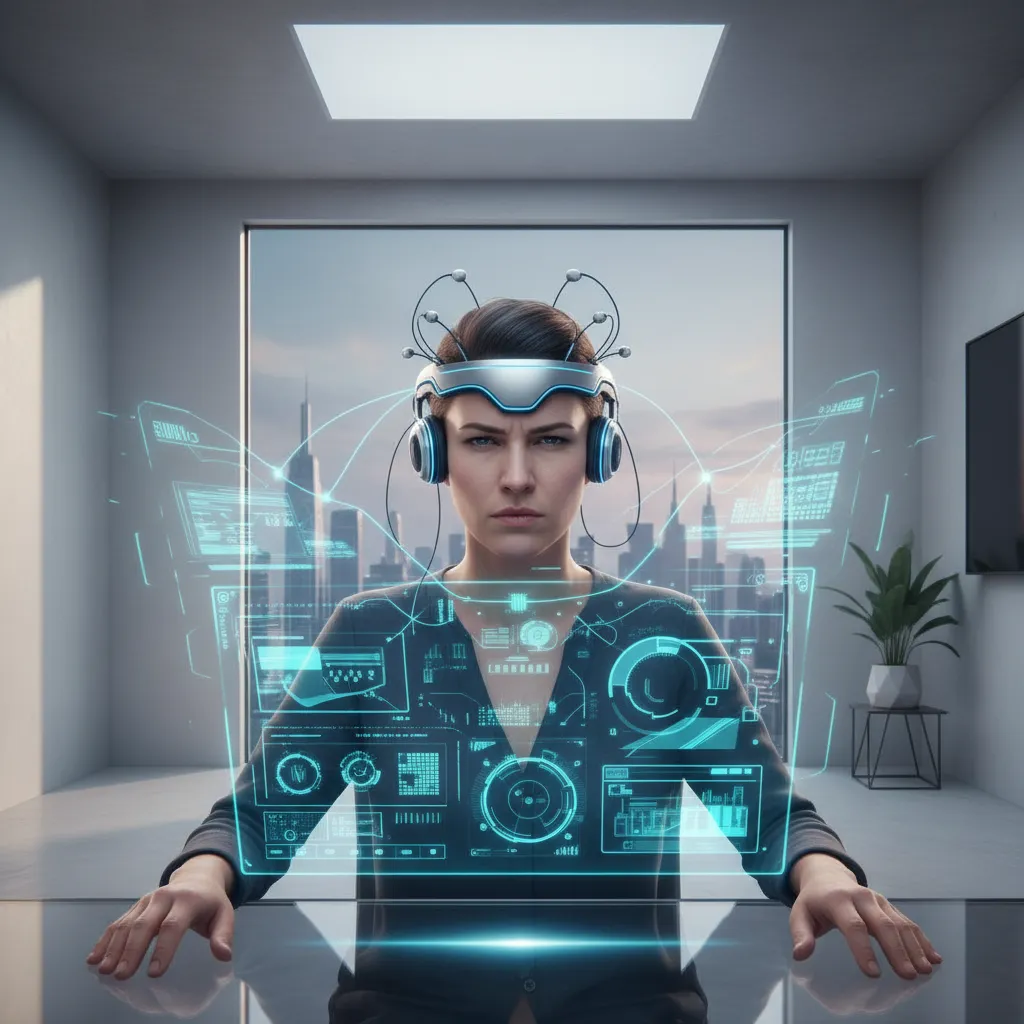
Non-invasive brain-computer interface systems are those that do not require any surgical implantation. Instead, they detect brain activity from outside the skull, making them the most accessible and widely explored type of BCI for consumer and research applications.
The most common form of non-invasive BCI utilizes Electroencephalography (EEG). EEG headsets, often resembling sophisticated headbands or caps, are fitted with electrodes that sit on the scalp. These electrodes measure the electrical potentials generated by the collective firing of neurons beneath them. Other non-invasive techniques include:
- Magnetoencephalography (MEG): Measures the magnetic fields produced by electrical currents in the brain. While offering higher spatial resolution than EEG, MEG systems are bulky, expensive, and require magnetically shielded rooms, limiting their practicality for widespread use.
- Functional Near-Infrared Spectroscopy (fNIRS): Uses near-infrared light to measure changes in blood oxygenation in the brain, which correlates with neural activity. It’s more resistant to electrical noise than EEG but has lower spatial resolution and only measures activity in superficial cortical layers.
Pros of Non-Invasive BCIs:
- Safety: No surgical risks, infection, or tissue damage.
- Ease of Use: Relatively quick setup and removal.
- Cost-Effectiveness: Generally much cheaper to produce and acquire.
- Accessibility: Suitable for widespread consumer adoption and research.
Cons of Non-Invasive BCIs:
- Lower Signal Resolution: The skull, skin, and hair attenuate and distort brain signals, leading to poorer spatial and temporal resolution compared to invasive methods.
- Susceptibility to Noise: External electrical interference, muscle movements (e.g., blinking, jaw clenching), and environmental factors can introduce noise, making signal interpretation challenging.
- Limited Bandwidth: Can only detect broad patterns of brain wave control, making fine-grained control or complex command generation difficult.
Despite their limitations, non-invasive BCIs are seeing significant traction in areas like neurofeedback training, where individuals learn to consciously alter their brainwave patterns for relaxation or improved focus. They are also paving the way for early forms of BCI gaming and thought-controlled devices for basic interactions with smart home systems or educational tools. Companies like Emotiv and NeuroSky are at the forefront of developing these user-friendly devices, pushing the boundaries of what’s possible without surgery.
Invasive BCIs: Precision at a Price
Invasive brain-computer interface systems require surgical implantation of electrodes directly into or onto the brain tissue. This direct access provides a much clearer, higher-resolution signal, but at the cost of surgical risk and long-term biological considerations.
The most common types of invasive BCIs include:
- Electrocorticography (ECoG): Involves placing an array of electrodes on the surface of the brain, beneath the dura mater. ECoG offers a better signal-to-noise ratio and higher spatial resolution than EEG, with lower risk than intracortical implants. It’s often used in patients undergoing brain surgery for other conditions (e.g., epilepsy) where temporary electrode placement is already necessary.
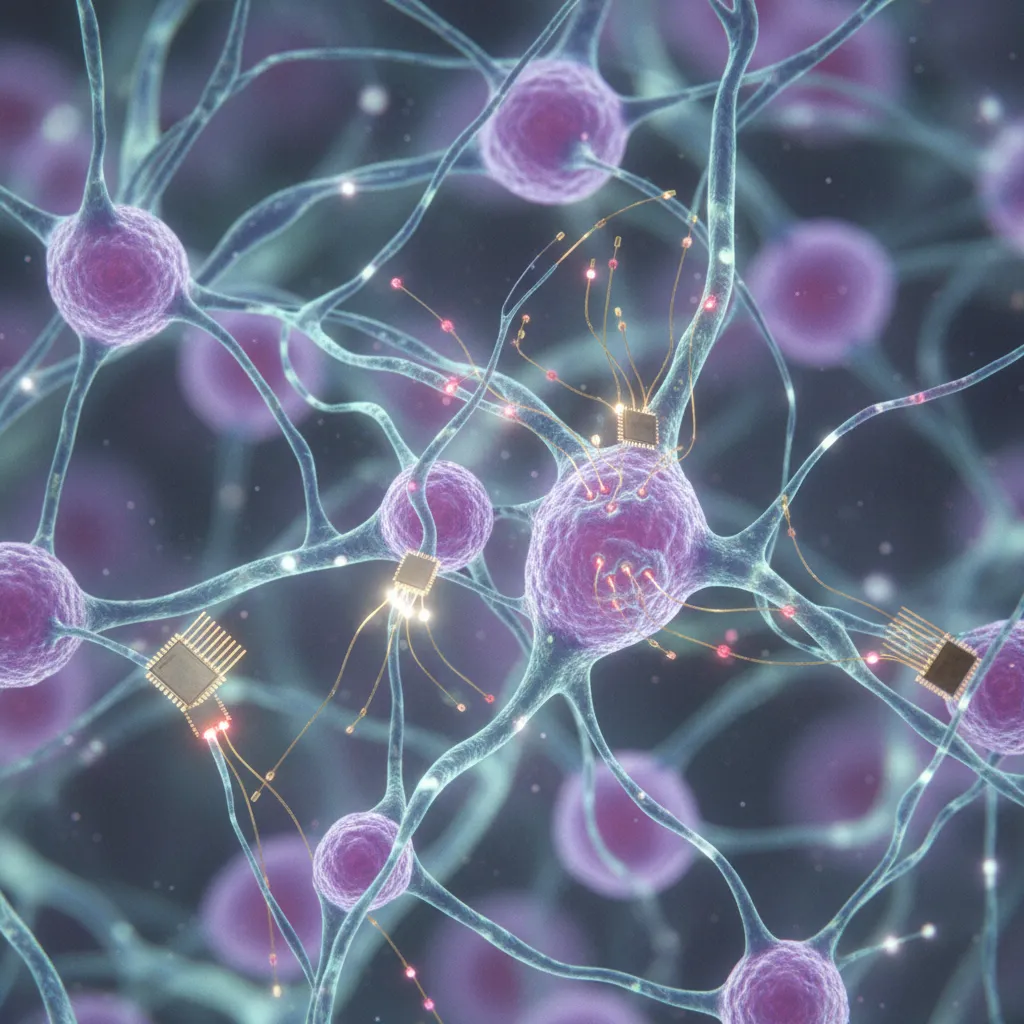
- Intracortical Arrays (e.g., Utah Array, microelectrode arrays): These are tiny electrodes, often hair-thin, implanted directly into the gray matter of the brain. They can record the activity of individual neurons or small groups of neurons, providing the highest spatial and temporal resolution. This direct brain interface allows for very precise decoding of neural intentions. Neuralink, Elon Musk’s neurotechnology startup, is famously pursuing this avenue with its ultra-fine thread electrodes designed for high-bandwidth data transmission.
Pros of Invasive BCIs:
- High Signal Resolution: Direct contact with neurons yields much clearer, more precise signals, allowing for finer control and a broader range of commands.
- High Bandwidth: Can extract more complex information from brain activity, enabling more sophisticated mind control technology for devices.
- Reduced Noise: Less susceptible to interference from muscles or external sources.
Cons of Invasive BCIs:
- Surgical Risks: Involves brain surgery, carrying risks of infection, bleeding, and tissue damage.
- Biocompatibility Issues: The body’s immune system can react to implanted foreign objects, leading to scarring (gliosis) that degrades signal quality over time.
- Longevity Concerns: The long-term stability and functionality of implants are ongoing research challenges.
- Ethical Considerations: Greater ethical concerns regarding direct brain modification and long-term implications.
Despite these significant hurdles, invasive BCIs have demonstrated remarkable success in medical neurotech. They have enabled individuals with severe paralysis to control robotic prosthetic limbs, operate computer cursors, and even communicate through “locked-in” states. The promise of restoring mobility, communication, and independence for those with debilitating neurological conditions is a powerful driving force behind the continued development of these advanced brain implants.
Transformative Applications of Neurotech: A Glimpse into the Future
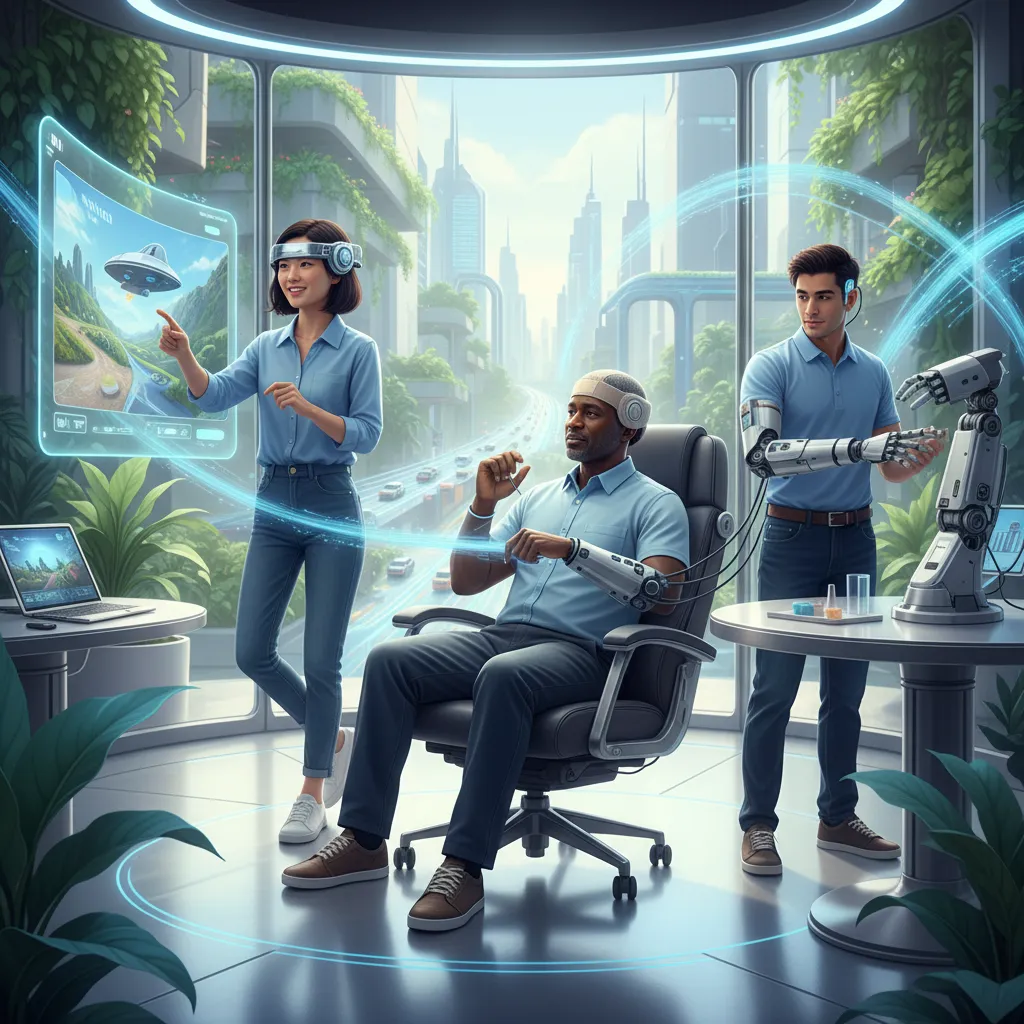
The potential BCI applications are vast and diverse, spanning from critical medical interventions to enhancing everyday human capabilities. The neurotech innovations emerging from labs and startups are painting a vivid picture of a future where the brain’s direct interaction with technology is not just possible, but potentially commonplace.
Medical Miracles: Restoring Function and Hope
Perhaps the most profound and immediate impact of BCI technology is in the medical field. For individuals suffering from severe neurological disorders, spinal cord injuries, or amputations, medical neurotech offers a pathway to regaining lost function and significantly improving quality of life.
- Neuroprosthetics: This is one of the most well-known and impactful applications. BCIs enable individuals with paralysis or limb loss to control sophisticated neuroprosthetics—robotic arms, legs, or even exoskeletons—with their thoughts. By decoding the brain signals associated with intended movement, these devices can restore a remarkable degree of autonomy. Projects like BrainGate have famously demonstrated this, allowing paralyzed individuals to manipulate robotic arms to drink coffee or even feel sensations through sensory feedback loops.
- Neuro-rehabilitation: BCIs are revolutionizing neuro-rehabilitation strategies. Stroke patients, for instance, can use BCIs to train their brains to control affected limbs, promoting neural plasticity and recovery. By providing real-time feedback on brain activity, patients can learn to “rewire” their brains more effectively.
- Paralyzed Patient Solutions: Beyond prosthetics, BCIs offer solutions for communication for paralyzed patient solutions in “locked-in” syndrome. Patients who cannot speak or move can communicate by selecting letters or words on a screen purely through thought, using systems like the P300 speller. This gives a voice to those who were once completely isolated.
- Epilepsy and Parkinson’s Treatment: Neurostimulation is another critical area. Implantable BCIs can detect the onset of epileptic seizures and deliver electrical stimulation to interrupt them. Similarly, for Parkinson’s disease, deep brain stimulation (DBS) controlled by BCI-like systems can help alleviate tremors and motor symptoms by regulating abnormal brain activity. The ability to monitor and modulate brain activity in real-time opens up new therapeutic avenues for a wide range of neurological conditions.
Beyond Therapy: Consumer, Gaming, and Human Augmentation
While medical applications are life-changing, the future of neurotech extends far beyond the clinic. Consumer neurotech is rapidly gaining traction, promising new ways to interact with our digital world and even enhance our natural abilities.
- BCI Gaming: Imagine controlling your video game character not with a joystick or keyboard, but directly with your mind. BCI gaming is already a nascent reality, with non-invasive EEG headsets allowing for basic controls like moving objects or initiating simple actions based on focus levels or specific brain states. As the technology matures, more complex and immersive gaming experiences, truly blurring the lines between thought and action, are anticipated.
- Cognitive Computing and Productivity: Beyond entertainment, BCIs could transform how we work and learn. Cognitive computing powered by neurotech could allow us to interact with computers more intuitively, perform tasks with greater focus, or even filter out distractions. Imagine a future where you can compose emails, navigate complex software, or even project your thoughts onto a screen without touching a keyboard.
- Human Augmentation: This is perhaps the most ambitious and ethically complex area. Human augmentation with BCIs aims to enhance natural human capabilities. This could involve improving memory recall, boosting concentration, learning new skills faster, or even enabling direct sensory input from machines. While still largely in the realm of research and early-stage development, the concept of a “superhuman” mind linked to AI is a powerful, if controversial, vision of the future. The seamless integration of biological and artificial intelligence represents the ultimate future of human-computer interaction. [Related: The Canvas Awakens: AI Art Redefining Creativity]
Emerging Concepts: Neural Dust and Brain Mapping
The horizon of neurotech innovations constantly expands with cutting-edge concepts that push the boundaries even further:
- Neural Dust: This futuristic concept involves minuscule, wireless, implantable sensors – essentially microscopic motes – that could be injected into the brain. These “neural dust” particles would record neuronal activity and transmit data wirelessly, offering unprecedented resolution and coverage without bulky wires. While still highly experimental, it represents a potential leap in long-term, high-fidelity brain monitoring and interface.
- Brain Mapping: Advanced BCI technologies are crucial tools for high-resolution brain mapping. By recording neural activity across vast networks, scientists can gain deeper insights into how the brain processes information, forms memories, and generates consciousness. This understanding is not only vital for BCI development but also for unlocking the mysteries of neurological diseases and the very nature of thought.
The Ecosystem of Innovation: Neurotech Startups and Investment
The burgeoning field of neurotech innovations is attracting significant attention from investors and entrepreneurs, fostering a vibrant ecosystem of neurotechnology startups. With the promise of groundbreaking medical solutions and transformative consumer products, venture capital is flowing into companies aiming to redefine human capabilities.
Leading the charge are companies like Neuralink, Kernel, Synchron, and Blackrock Neurotech, each approaching the brain-computer interface challenge from different angles. Neuralink, founded by Elon Musk, aims for high-bandwidth, invasive brain implants to enable seamless direct brain interface and human augmentation. Synchron, on the other hand, focuses on less invasive stent-based implants for communication in paralyzed patients. Kernel is exploring non-invasive and minimally invasive neuroimaging for cognitive enhancement, while Blackrock Neurotech has a long track record in developing arrays for motor prosthetics.
This surge in activity reflects growing confidence in the commercial viability of BCI technology. Investment trends show a significant uptick in funding rounds for neurotech startups, particularly those focused on medical applications, which have clearer regulatory pathways and immediate patient needs. However, consumer neurotech and BCI gaming segments are also beginning to see substantial investment as the technology becomes more robust and user-friendly.
The market for neurotech is projected to grow exponentially, driven by advancements in miniaturization, machine learning algorithms for signal decoding, and increasing demand for solutions to neurological disorders. This fertile ground for neurotech investment suggests that the pace of innovation will only accelerate, bringing the future of neurotech closer to everyday reality. As with any emerging technology, there are risks, but the potential rewards—both humanitarian and financial—are immense. [Related: AI Investing: Smart Strategies for Wealth Growth in 2024]
Navigating the Ethical Labyrinth: Challenges and Responsible Development
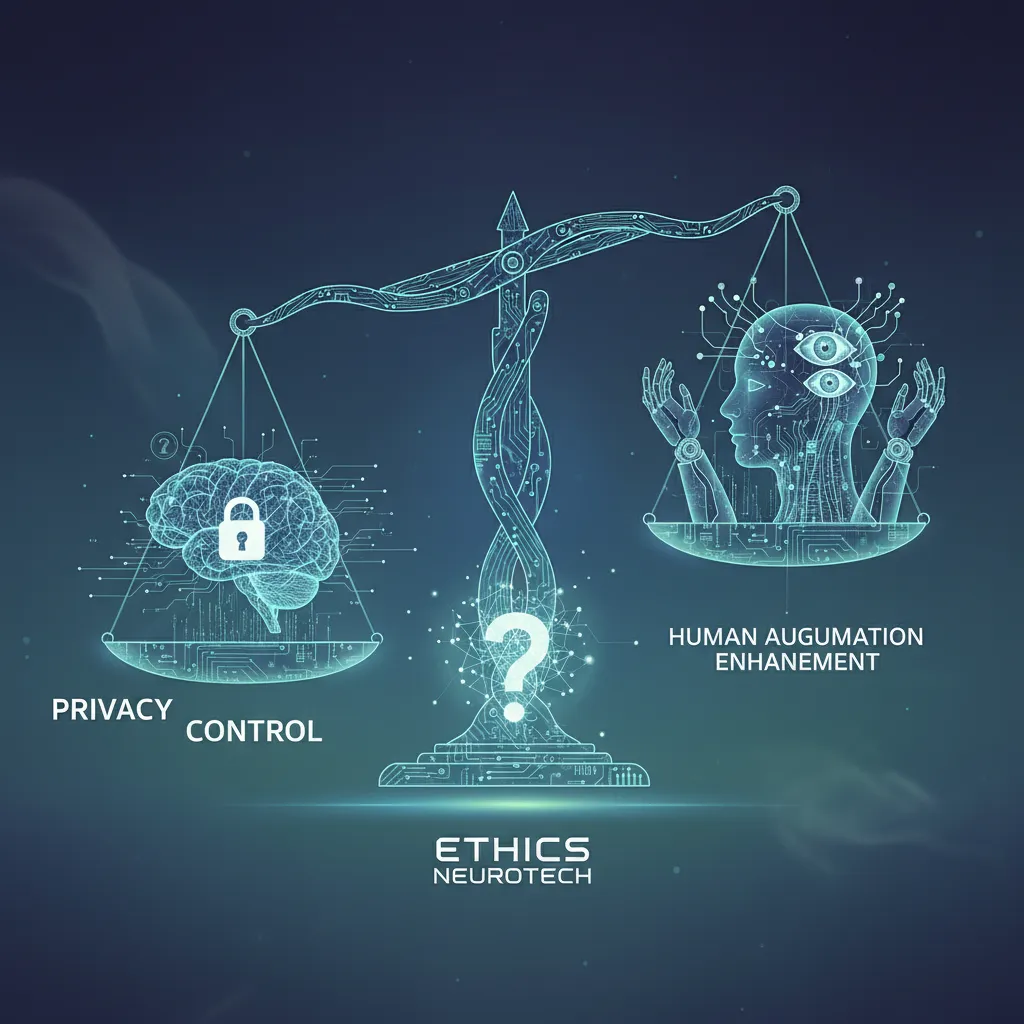
As with any technology that touches the very essence of human experience, the neurotech revolution comes with a complex set of ethical considerations. While the potential benefits of brain-computer interface technology are undeniable, particularly in medical neurotech, the power to directly interface with and potentially alter the human brain raises profound questions that demand careful deliberation. Ensuring the ethical implications BCI technology are addressed responsibly is paramount to its long-term success and public acceptance.
One of the most immediate concerns is privacy and data security. BCI devices, especially those with high resolution, can potentially record an individual’s thoughts, intentions, and even emotional states. Who owns this neural data? How will it be stored, accessed, and protected from misuse or hacking? The prospect of companies or governments gaining access to such intimate information raises serious red flags regarding individual autonomy and mental privacy. Safeguarding this highly sensitive information will require robust regulatory frameworks and advanced encryption technologies.
Another critical ethical dimension revolves around autonomy and control. If BCIs can influence thoughts or emotions, or if external entities can gain control over a user’s thought-controlled devices or even their neural processes, it could fundamentally undermine personal agency. The concept of “mind control technology” evokes dystopian fears, and while current BCIs are far from such capabilities, the trajectory of neurotech innovations necessitates proactive discussions about safeguards against coercion or manipulation. Ensuring users retain ultimate control over their neural data and BCI functions is crucial. [Related: AI Ethics: Responsible Development for a Better Future]
Furthermore, the issue of equity and access looms large. If advanced brain implants or human augmentation technologies become prohibitively expensive, it could exacerbate existing social inequalities, creating a “neuro-divide” between those who can afford cognitive enhancements and those who cannot. This could lead to new forms of discrimination and an unfair advantage in education, employment, and overall societal participation. Policies must be developed to ensure that the life-changing benefits of neurotech are accessible to all who need them, not just an elite few.
The concept of identity and personhood also comes into play. If BCIs can significantly alter cognitive abilities or provide new sensory experiences, how might this change an individual’s sense of self? What are the psychological impacts of constantly being connected to a machine? These philosophical questions require ongoing dialogue between neuroscientists, ethicists, legal scholars, and the public.
To navigate this ethical labyrinth, a framework for responsible development is essential. This includes:
- Transparency: Openly communicating the capabilities and limitations of BCI technology.
- User Consent: Ensuring fully informed and ongoing consent for data collection and usage.
- Robust Security: Implementing state-of-the-art cybersecurity measures for neural data.
- Regulatory Oversight: Developing clear guidelines and regulations for research, development, and deployment.
- Public Engagement: Fostering widespread public discussion and education about neurotech’s potential and risks.
Only through careful consideration and proactive measures can society harness the immense potential of the neurotech revolution while safeguarding fundamental human rights and values.
The Road Ahead: Future of Neurotech
The neurotech revolution is still in its nascent stages, yet its trajectory suggests a future more integrated and intuitive than we can currently fully grasp. The future of neurotech promises to reshape human experience in ways that were once confined to the realm of science fiction.
One of the most exciting frontiers lies in the deeper integration with AI. As brain-computer interface systems become more sophisticated, their ability to decode complex neural signals will be significantly enhanced by advanced artificial intelligence and machine learning algorithms. AI can learn to adapt to individual brain patterns, improve signal translation accuracy, and even anticipate user intentions, leading to more fluid and responsive thought-controlled devices. This symbiotic relationship between human intelligence and artificial intelligence, mediated by BCIs, could unlock unprecedented problem-solving capabilities and creative output, pushing the boundaries of cognitive computing.
Imagine a future where the future of human-computer interaction moves beyond screens and keyboards to a direct mental connection. This could manifest as seamless control over virtual reality environments, augmented reality overlays that respond to your gaze and thoughts, or even direct mental communication, breaking down language barriers. Wearable, non-invasive BCI devices could become as common as smartwatches, offering personalized mental fitness training, stress reduction, and enhanced focus through real-time neurofeedback.
However, the widespread adoption of BCI technology faces significant challenges. Miniaturization of hardware, improving signal stability and longevity for implants, and developing wireless power solutions are critical engineering hurdles. For non-invasive systems, overcoming the signal-to-noise ratio issue remains a key focus to achieve finer control. Cost reduction and ensuring ease of use are also vital for making neurotech accessible to a broader population.
Beyond the technical, societal acceptance is crucial. Addressing the ethical concerns around privacy, autonomy, and equity will be paramount. Public education and transparent dialogue about the benefits and risks will build trust and foster responsible innovation. The journey from groundbreaking research to mainstream adoption will be long and complex, but the seeds of a truly transformative future have been sown.
Ultimately, the neurotech revolution offers a profound opportunity to alleviate suffering, restore independence, and potentially expand the very definition of human potential. As we move forward, the collective responsibility of scientists, policymakers, and society at large will be to ensure that this incredible power is harnessed wisely, ethically, and for the benefit of all humanity. The direct connection between brain and machine is no longer a dream but an evolving reality, poised to unlock an extraordinary chapter in human history.
Conclusion
The neurotech revolution, driven by advancements in brain-computer interface (BCI) technology, is fundamentally transforming our understanding of the brain and our interaction with the digital world. We’ve journeyed from the foundational concepts of a neural interface to exploring the distinct pathways of non-invasive BCI and invasive BCI, each offering unique advantages and applications. From restoring mobility and communication for those with severe impairments through neuroprosthetics and neuro-rehabilitation, to emerging frontiers in BCI gaming, human augmentation, and cognitive computing, the potential of mind control technology is truly breathtaking.
As neurotechnology startups attract significant neurotech investment, accelerating neurotech innovations, it becomes increasingly clear that the future of neurotech is not just about medical breakthroughs but also about redefining the very nature of human-computer interaction. However, this immense power comes with critical responsibilities. The ethical implications BCI technology presents—around privacy, autonomy, equity, and the very concept of identity—demand vigilant and proactive discourse to ensure responsible development.
The path ahead for BCIs will be shaped by ongoing research, collaborative innovation, and a commitment to addressing the complex societal questions they raise. As we stand on the cusp of truly integrating our minds with machines, the neurotech revolution invites us to envision a future where technology serves to amplify our capabilities, connect us in new ways, and unlock profound solutions for some of humanity’s most pressing challenges. The future is thinking, and it’s communicating directly.
FAQs
Q1. What is a Brain-Computer Interface (BCI)?
A Brain-Computer Interface (BCI) is a direct communication pathway between the human brain’s electrical activity and an external device. It decodes brain signals into commands that a computer or machine can understand and execute, bypassing traditional muscle and nerve pathways.
Q2. How do BCIs work?
BCIs work by acquiring electrical signals from the brain (via sensors on the scalp or implanted electrodes), processing and filtering these signals, translating specific patterns into digital commands using algorithms, and then sending these commands to an output device like a computer cursor, prosthetic limb, or robotic arm.
Q3. Are brain implants (invasive BCIs) safe?
Invasive BCIs involve brain surgery, which carries inherent risks like infection, bleeding, and tissue damage. While ongoing research aims to improve safety and biocompatibility, these systems are primarily used in cases of severe neurological impairment where potential benefits outweigh the risks. Non-invasive BCIs are generally considered safe as they do not require surgery.
Q4. What are the main applications of BCI technology?
The main applications include medical uses such as controlling neuroprosthetics for individuals with paralysis, aiding in neuro-rehabilitation, enabling communication for “locked-in” patients, and treating neurological disorders like epilepsy. Beyond medicine, emerging applications are in consumer neurotech, BCI gaming, and potentially human augmentation.
Q5. What are the ethical concerns surrounding neurotech?
Ethical concerns include mental privacy (who owns neural data?), autonomy and potential for manipulation, equitable access to advanced BCI technology, and the impact on human identity and personhood. Responsible development requires addressing these issues through robust regulation, transparency, and public dialogue.
Q6. Will BCIs make us smarter?
The concept of “human augmentation” through BCIs explores enhancing cognitive functions like memory, focus, and learning speed. While still largely experimental and ethically complex, future neurotech could potentially boost certain cognitive abilities by directly interfacing with neural processes or by providing more intuitive ways to interact with information.
Q7. When will BCI technology be widely available for consumers?
Basic non-invasive BCI devices for neurofeedback, meditation, and simple gaming are already available. However, advanced BCIs for complex control or significant human augmentation are still largely in research and clinical trials. Widespread consumer adoption of sophisticated, seamless BCI technology is likely several decades away, pending significant advancements in safety, reliability, and miniaturization, as well as addressing ethical and regulatory challenges.