The Metaverse Economy: Unlocking Web3 Gaming & Digital Riches

Introduction: Stepping into the Digital Frontier of Wealth
Imagine a world where your digital efforts translate directly into real-world value, where the hours you spend gaming or socializing in a virtual space aren’t just leisure but a tangible investment. This isn’t science fiction anymore; it’s the burgeoning reality of the metaverse economy. This revolutionary paradigm is redefining how we interact with digital content, particularly within the vibrant landscape of Web3 gaming.
The metaverse, a persistent, shared, 3D virtual space, is rapidly evolving from a conceptual idea into a digital realm brimming with economic potential. At its heart lies the blockchain, powering decentralized gaming and introducing concepts like NFT gaming and play-to-earn games. These innovations are fundamentally shifting the ownership model from centralized entities to individual users, granting them true digital asset ownership.
In this comprehensive guide, we’ll journey into the depths of the metaverse economy, exploring how Web3 gaming is not just entertainment but a lucrative avenue for earning. We’ll uncover the mechanics of blockchain games, the allure of virtual land ownership, the dynamics of metaverse investments, and the transformative impact of GameFi. Whether you’re a seasoned crypto enthusiast, a curious gamer, or an investor looking for the next big wave, prepare to unlock the secrets to digital riches in the metaverse.
The Foundation: Understanding the Metaverse Economy
The metaverse economy is a complex ecosystem built on blockchain technology, facilitating the creation, ownership, and exchange of digital assets and services within virtual worlds. Unlike traditional digital economies, which are typically controlled by a single company, the metaverse aims for decentralization, transparency, and user empowerment.
At its core, this economy thrives on the principles of Web3 – a decentralized internet built on blockchain. This enables users to own their data and digital possessions, fostering a truly user-centric digital realm.
What Drives the Metaverse Economy?
Several key pillars support the burgeoning metaverse economy:
- Digital Asset Ownership (NFTs): Non-Fungible Tokens (NFTs) are central. They represent unique digital items like avatars, virtual fashion, in-game assets, and even virtual land ownership. Unlike traditional in-game items, NFTs are provably scarce, cannot be replicated, and can be freely traded or sold on secondary markets, giving players true ownership.
- Cryptocurrencies: Digital currencies like Ethereum, Solana, and various game-specific tokens serve as the medium of exchange within the metaverse. They facilitate transactions, rewards in play-to-earn games, and even governance voting in some decentralized autonomous organizations (DAOs).
- Decentralized Platforms: Metaverse platforms and virtual worlds are often built on decentralized infrastructures, meaning no single entity has absolute control. This fosters a more open and equitable environment for creators and users alike.
- User-Generated Content (UGC): The economy thrives on creativity. Users can create and monetize their own experiences, games, items, and services, driving innovation and diversity within the virtual space.
Web3 Gaming: A Paradigm Shift in Entertainment and Earning
Web3 gaming, often synonymous with blockchain games and crypto gaming, represents a seismic shift from the traditional “pay-to-play” or “free-to-play” models. Here, players are not just consumers; they are participants, owners, and beneficiaries of the game’s success.
From Play-to-Play to Play-to-Earn (P2E)
The most prominent innovation in Web3 gaming is the play-to-earn games model. Instead of simply consuming content, players actively earn cryptocurrencies or NFTs through gameplay. This could involve:
- Completing quests or challenges: Earning in-game tokens as rewards.
- Competing in tournaments: Winning valuable NFTs or crypto prizes.
- Breeding or crafting digital assets: Creating new NFTs that can be sold.
- Lending out NFTs: Allowing others to use your assets for a fee.
- Providing liquidity or staking tokens: Contributing to the game’s ecosystem.
This model provides tangible financial incentives, turning gaming into a potential source of income. It’s a powerful draw that has attracted millions, especially in regions where traditional economic opportunities are limited.
The Rise of NFT Gaming
NFT gaming integrates Non-Fungible Tokens directly into gameplay. These aren’t just cosmetic items; they can be characters, weapons, armor, pets, or even entire plots of virtual land. The key difference is that players truly own these NFTs, which are stored on a blockchain, independent of the game developer.
This ownership allows for:
- Resale Value: Players can sell their hard-earned or purchased NFTs on open marketplaces, potentially for significant profit.
- Interoperability (Future): The vision for interoperable metaverses suggests that one day, an NFT avatar or item might be usable across different games and virtual worlds.
- Investment Potential: Rare or powerful NFTs can appreciate in value, turning a game item into a digital investment.
GameFi: The Fusion of Gaming and Finance
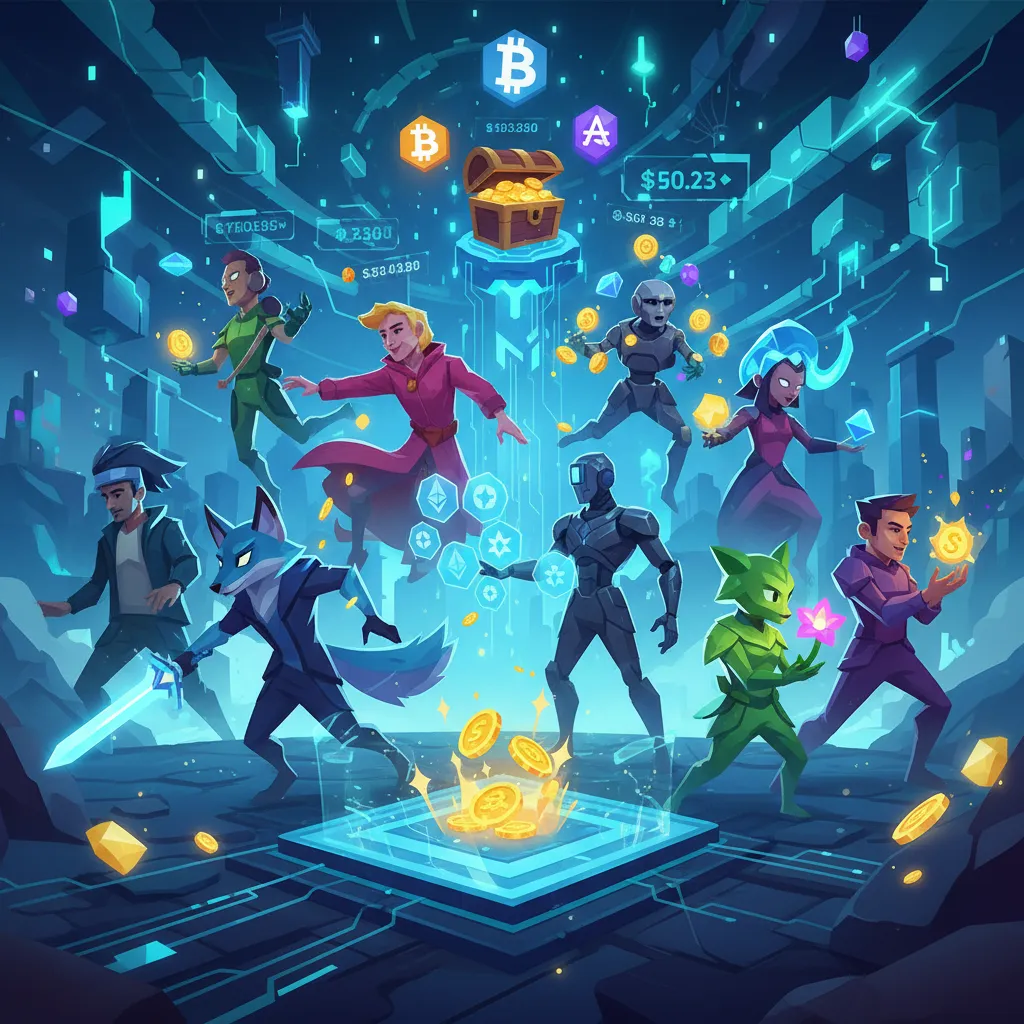
GameFi is the portmanteau for “gaming” and “decentralized finance” (DeFi). It encompasses the entire spectrum of financialization within blockchain games, bringing sophisticated economic models into the casual gaming experience.
Key Elements of GameFi:
- Tokenomics: The economic structure of a GameFi project, including how in-game tokens are minted, distributed, earned, and burned. Sustainable tokenomics are crucial for the long-term health of any play to earn crypto game.
- Staking: Players can lock up their game tokens or NFTs to earn rewards, often contributing to the game’s security or governance.
- Yield Farming: Players can earn additional crypto by providing liquidity to decentralized exchanges that facilitate trading of game tokens.
- Lending & Borrowing: Specialized platforms allow players to lend their high-value NFTs or tokens to other players (e.g., scholars in web3 gaming guilds) for a share of their earnings.
GameFi projects are often at the forefront of innovation in the metaverse economy, constantly experimenting with new ways to reward players and create robust internal economies.
Virtual Land & Real Estate: The New Frontier of Digital Assets
One of the most captivating aspects of the metaverse economy is virtual land ownership and the booming market for metaverse real estate. Just like in the physical world, prime digital parcels in popular metaverse platforms like Decentraland, The Sandbox, or Axie Infinity’s Lunacia can command significant prices.
Why Buy Virtual Land?
- Development Potential: Owners can develop their land with experiences, games, virtual stores, or advertising spaces, generating income.
- Scarcity and Location: Limited supply and strategic locations within popular virtual worlds drive up value.
- Social Hubs: Virtual land can become social gathering points, hosting events, concerts, or art galleries.
- Investment: Many view virtual land as a long-term investment, speculating on its appreciation as the metaverse grows.
The concept of digital ownership here is profound. When you buy a parcel of metaverse real estate, you receive an NFT that represents your immutable ownership on the blockchain. This contrasts sharply with traditional online games where virtual property is ultimately controlled by the game developer.
[Related: AI Revolutionizes Gaming: The Future of Immersive Play]
Metaverse Investments and Market Trends
The rapid expansion of the metaverse economy has opened up entirely new avenues for investment. From individual speculators to institutional investors, capital is flowing into various segments of this digital frontier.
Key Investment Areas:
- Metaverse Platforms & Infrastructure: Investing in the underlying technology and platforms that host virtual worlds (e.g., token of a metaverse platform, or equity in a development company).
- Web3 Game Development Studios: Backing startups and established companies that are building the next generation of blockchain games.
- NFTs & Digital Assets: Investing directly in valuable in-game NFTs, virtual land, or rare digital collectibles. This requires a keen eye for market trends and community engagement.
- Cryptocurrencies: Investing in the native tokens of promising metaverse platforms or play-to-earn games.
- Web3 Gaming Guilds: Investing in or partnering with guilds that pool resources (NFTs) and rent them out to players (scholars) in exchange for a share of their earnings.
Metaverse Market Trends to Watch:
- Increased Institutional Adoption: More large corporations and investment firms are entering the metaverse space, validating its long-term potential.
- Focus on Interoperability: The drive to connect different virtual worlds and allow assets to move seamlessly between them will be a major trend, creating a more cohesive metaverse user experience.
- Sustainability Concerns: As the metaverse grows, discussions around energy consumption for blockchain transactions and ethical development practices will become more prominent.
- Regulatory Scrutiny: Governments worldwide are beginning to grapple with how to regulate digital assets and virtual economies, which could impact metaverse business models.
Building the Future: Web3 Game Development and Innovation
The growth of the metaverse economy is intrinsically linked to the innovation happening in web3 game development and NFT game development. Building these next-generation experiences requires a blend of traditional game design principles with blockchain expertise.
Challenges and Opportunities in Development:
- Scalability: Blockchain networks need to handle a massive number of transactions and users without becoming slow or expensive. Layer 2 solutions and new blockchain architectures are crucial.
- User Experience (UX): Onboarding new players into Web3 games can be complex due to wallet setup, gas fees, and understanding tokenomics. Streamlining the metaverse user experience is vital.
- Game Design: Balancing economic incentives with engaging gameplay is a delicate act. Purely “earning-focused” games often lack long-term appeal.
- Security: Protecting digital assets from hacks and scams is paramount in an environment where real value is at stake.
Despite these challenges, the opportunities for web3 game development are immense. Developers can create truly community-driven games, where players have a say in governance and genuinely benefit from the game’s success. This model fosters loyalty and creates powerful network effects. Web3 gaming startups are emerging rapidly, attracting significant venture capital and talent.
[Related: Top AI Tools for Content Creation 2024]
Economic Models in the Metaverse: Beyond Play-to-Earn
While “play-to-earn” is the most famous economic model in metaverse contexts, the reality is far more diverse. A healthy metaverse economy incorporates various models to create a sustainable ecosystem.
Diverse Economic Models:
- Create-to-Earn: Users earn by creating content – be it virtual fashion, architectural designs for virtual land, or even entire mini-games. Platforms like The Sandbox exemplify this.
- Socialize-to-Earn: While less defined, future metaverses might reward users for active participation, networking, and community building within virtual spaces.
- Learn-to-Earn: Educational platforms within the metaverse could reward users with tokens or NFTs for acquiring new skills or completing courses.
- Stake-to-Play: Some games require players to stake a certain amount of tokens to access exclusive content or higher-tier competitive play, aligning player incentives with the game’s success.
- Advertising & Sponsorships: As virtual worlds attract larger audiences, traditional advertising models will adapt, with brands paying to place virtual billboards or sponsor in-game events.
The most successful metaverse business models will likely integrate several of these approaches, creating a rich tapestry of ways for users to engage and earn value.
The Future of Gaming: VR, AR, and Interoperable Metaverses
The future of gaming is inextricably linked with the evolution of the metaverse. Technologies like VR gaming metaverse and augmented reality gaming are set to blur the lines between physical and digital, enhancing immersion and opening up new possibilities for interaction and monetization.
Immersive Experiences:
- VR Gaming Metaverse: Virtual reality headsets offer unparalleled immersion, transporting players fully into digital worlds. As VR tech advances, the feeling of “presence” in the metaverse will become indistinguishable from reality, making virtual worlds feel truly alive.
- Augmented Reality Gaming: AR overlays digital elements onto the real world. Imagine Pokémon GO evolving into a full-fledged AR metaverse where digital assets are tied to real-world locations, creating a truly hybrid economy.
Interoperable Metaverses: The Holy Grail
A truly open metaverse would be one where assets, identities, and experiences are interoperable metaverses – meaning they can seamlessly transfer between different virtual worlds and platforms. While technically challenging, this vision is critical for unlocking the full potential of the metaverse economy. Imagine using the same NFT avatar across Fortnite, Decentraland, and a VR social hub. This level of interconnectedness would greatly enhance the metaverse user experience and bolster the value of digital assets.
Navigating Challenges and Embracing Opportunities
The path to a fully realized metaverse economy is not without its hurdles. Web3 gaming challenges include regulatory uncertainty, security risks, scalability issues, and the need for greater accessibility. However, the metaverse opportunities far outweigh these difficulties.
Key Opportunities:
- New Revenue Streams: For developers, creators, and players, the metaverse offers unprecedented ways to monetize skills, time, and creativity.
- Global Access: Play-to-earn crypto models can provide economic opportunities to individuals in developing countries, leveling the playing field.
- Community Building: Web3 gaming guilds and decentralized autonomous organizations (DAOs) empower communities to collectively own and govern virtual spaces, fostering a strong sense of belonging and shared purpose.
- Innovation & Creativity: The open nature of the metaverse encourages continuous innovation, leading to new forms of entertainment, art, and social interaction.
As we move forward, the focus will be on addressing the technical and regulatory challenges while fostering an inclusive and innovative environment that truly benefits its users.
Conclusion: The Horizon of Digital Riches
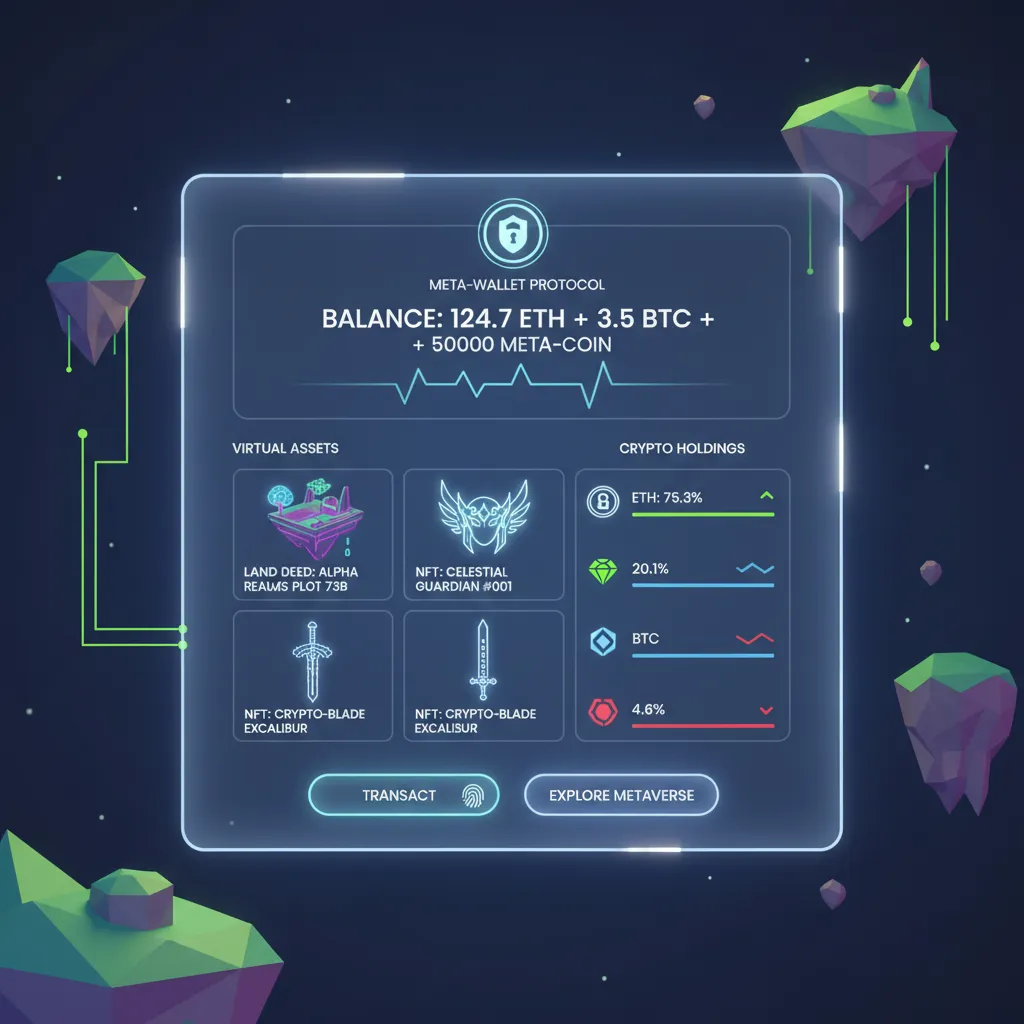
The metaverse economy, powered by Web3 gaming, is not just a passing trend; it’s a foundational shift in how we perceive and interact with digital value. From the immersive experiences of VR gaming metaverse to the tangible ownership enabled by NFT gaming and virtual land ownership, we are witnessing the birth of a new economic frontier.
The principles of decentralized gaming and digital asset ownership are empowering players and creators, turning leisure into legitimate earning potential through play-to-earn games and the broader framework of GameFi. While challenges remain in areas like web3 game development and ensuring interoperable metaverses, the trajectory is clear: the metaverse is evolving into a rich, complex, and potentially highly rewarding digital realm.
For those willing to learn, adapt, and innovate, the metaverse economy offers unparalleled metaverse opportunities to participate in the creation of a truly user-owned internet. Embrace the future, explore these virtual worlds, and discover how your digital contributions can unlock unprecedented riches.
Are you ready to build, play, and earn in the metaverse? The future is now, and it’s calling.
FAQs
Q1. What exactly is the metaverse economy?
The metaverse economy is a digital economic system operating within persistent, shared, 3D virtual worlds, primarily powered by blockchain technology. It enables the creation, ownership, and exchange of digital assets (like NFTs), cryptocurrencies, and services, allowing users to earn real-world value from their digital activities.
Q2. How do Web3 games differ from traditional video games?
Web3 games differ fundamentally from traditional games by leveraging blockchain technology to provide true digital asset ownership to players, primarily through NFTs. This enables play-to-earn games models where players can earn cryptocurrencies and sell in-game assets, something generally not possible in traditional gaming where developers retain ultimate control.
Q3. What are “play-to-earn” games and how do they work?
Play-to-earn games (P2E) are blockchain games that reward players with tangible value, typically in the form of cryptocurrencies or NFTs, for their in-game activities. Players earn these rewards by completing quests, battling other players, breeding digital creatures, or contributing to the game’s ecosystem, which they can then trade or sell on open markets.
Q4. Can I really own virtual land in the metaverse?
Yes, through virtual land ownership facilitated by NFTs, you can truly own parcels of digital land in various metaverse platforms. These land plots are unique digital assets recorded on a blockchain, giving you verifiable ownership and the ability to develop, monetize, or sell your property within the virtual world.
Q5. What is GameFi and why is it important for the metaverse economy?
GameFi is a portmanteau of “gaming” and “decentralized finance” (DeFi), representing the financialization of blockchain games. It’s important for the metaverse economy because it integrates sophisticated financial mechanisms like staking, yield farming, and lending within games, creating robust internal economies and new ways for players to earn and participate financially beyond simple gameplay.
Q6. Are metaverse investments risky?
Like any emerging market, metaverse investments carry significant risks due to market volatility, regulatory uncertainty, and the nascent stage of the technology. While there are metaverse opportunities for high returns, it’s crucial to conduct thorough research, understand the metaverse market trends, and only invest what you can afford to lose.
Q7. What are the main challenges facing Web3 gaming?
Key web3 gaming challenges include scalability issues on blockchain networks, complex metaverse user experience for newcomers, the need for sustainable economic models in metaverse projects, security vulnerabilities, and evolving regulatory landscapes. Overcoming these will be crucial for widespread adoption.
[Related: AI-Powered Wearables: Enhanced Living & Future Tech] [Related: The Rise of Edge AI: Unleashing Intelligence at the Device Frontier] [Related: Best AI Personal Assistants for Productivity]