Gen Z’s Guide to Impact Investing: Grow Wealth with Purpose

Introduction
You organize, you protest, you advocate, and you make conscious choices every day—from the clothes you wear to the coffee you buy. You’re part of a generation that demands more than just a product; you demand purpose. So why should your money be any different? Welcome to the world of impact investing, where your financial portfolio can become one of your most powerful tools for change.
For Gen Z and millennials, the old model of finance—a system seemingly detached from the real-world consequences of its investments—is losing its appeal. The rise of conscious consumer investing isn’t just a trend; it’s a fundamental shift in how young adults approach their financial future. This isn’t about charity; it’s about smart, strategic investing that targets measurable social and environmental benefits alongside competitive financial returns.
This guide is designed for you. Whether you’re just starting to explore your Gen Z financial goals or looking for ways to align your existing investments with your values, you’ve come to the right place. We’ll demystify the jargon, show you how to start impact investing with any amount of money, and explore the best impact investing platforms built for a digital-native generation. Get ready to learn how to grow your wealth with purpose and become a key player in the future of finance Gen Z is building today.
Why Gen Z is the Driving Force Behind the Impact Investing Revolution
It’s no secret that Gen Z has a different worldview. Having grown up in an era of unprecedented digital connectivity, social upheaval, and climate urgency, your generation possesses a unique blend of pragmatism and idealism. This combination is radically reshaping the landscape of personal finance and wealth management.
Key Drivers for Gen Z’s Embrace of Impact Investing:
- Values-Driven Decisions: According to a 2022 Bank of America study, 75% of Gen Z investors state that a company’s environmental, social, and governance (ESG) performance is an important factor in their investment decisions. You don’t just want to avoid harm; you want your money to actively contribute to solutions.
- Digital Fluency: As digital natives, you’re comfortable with the innovative digital investment platforms Gen Z has access to. Fintech apps that offer thematic investing, fractional shares, and transparent impact reporting make it easier than ever to get started with small amounts.
- Demand for Transparency and Authenticity: Gen Z has a finely tuned radar for “greenwashing” and inauthentic corporate messaging. You demand accountability and measurable results, pushing companies and funds to provide clear data on their real-world impact.
- Long-Term Perspective: Facing long-term challenges like climate change and social inequality, you understand that sustainable business practices are not just ethical—they’re essential for long-term profitability and resilience. This perspective makes long-term investing for youth a natural fit for impact strategies. [Related: AI’s Cosmic Leap: Revolutionizing Space Exploration for Humanity]
This isn’t just about feeling good. It’s about a sophisticated understanding that the companies solving the world’s biggest problems are also the ones poised for significant growth. You’re not just investing with your conscience; you’re making a strategic bet on the future.
Decoding the Alphabet Soup: SRI, ESG, and Impact Investing Explained
The world of sustainable finance is filled with acronyms. Understanding the nuances is key to finding the approach that best fits your goals. Think of them as different shades of green on a spectrum of investing with a conscience.
H3: Socially Responsible Investing (SRI): The “Do No Harm” Approach
SRI is the original ethical investing strategy. It primarily uses negative screening, meaning it excludes companies or entire industries that don’t align with specific ethical values.
- How it works: An SRI fund might exclude stocks of companies involved in tobacco, firearms, fossil fuels, or predatory lending.
- Think of it as: Creating a “don’t invest” list based on your moral or ethical principles. It’s the foundation of ethical personal finance.
H3: ESG Investing: The Data-Driven Method
ESG investing takes a more analytical approach. Instead of just excluding “bad” companies, it actively seeks out companies that perform well on key metrics across three categories. It’s about using data to find well-managed, forward-thinking companies.
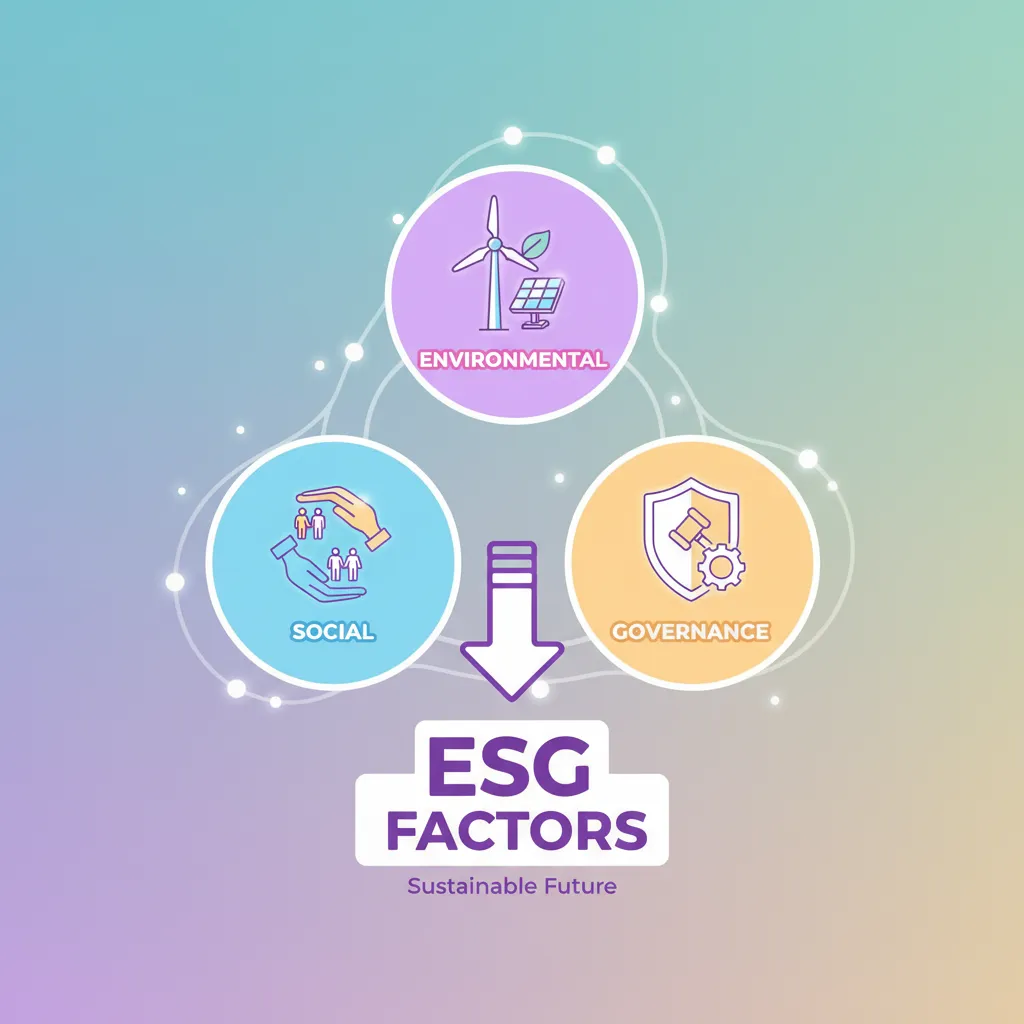
- Environmental (E): How does a company manage its impact on the planet? This includes its carbon footprint, water usage, pollution, and commitment to renewable energy.
- Social (S): How does a company treat people? This covers labor practices, employee diversity and inclusion, data privacy, and community relations.
- Governance (G): How is the company run? This looks at executive pay, board diversity, shareholder rights, and transparency in its accounting practices.
- Think of it as: Using a company’s sustainability report card to predict its long-term health and mitigate risk. ESG investing Gen Z style often focuses on tech companies with strong data privacy (S) or apparel brands with transparent supply chains (G).
H3: Impact Investing: The Proactive and Measurable Approach
Impact investing Gen Z is where the movement truly becomes proactive. This strategy goes beyond screening and data analysis to actively fund solutions. The key difference is the requirement of measurability and intentionality.
- How it works: An impact investor intentionally seeks out companies whose core business model is designed to create a specific, positive, and measurable outcome.
- Example: Instead of just investing in a tech company with a good ESG score, an impact investor might fund a startup that develops affordable solar-powered lamps for off-grid communities in developing nations. The impact—number of homes powered, carbon emissions reduced—is a key performance indicator (KPI) right alongside financial return.
- Think of it as: Investing with a specific mission to generate a “double bottom line” (financial return + social/environmental return).
| Strategy | Primary Goal | Key Method | Example |
|---|---|---|---|
| SRI | Align investments with personal values | Negative Screening (Exclusion) | A fund that avoids all fossil fuel and tobacco stocks. |
| ESG | Mitigate risk and find quality companies | Data Integration & Positive Screening | A fund that prefers companies with high scores for diversity and low carbon emissions. |
| Impact Investing | Generate measurable positive change | Intentional & Direct Investment | Funding a company that builds clean water infrastructure. |
Your Step-by-Step Guide to Starting Your Impact Investing Journey
Ready to turn your values into assets? Getting started is more accessible than ever. Here’s a practical, four-step plan for sustainable investing for young adults.
Step 1: Define Your “Why” — What Impact Matters Most to You?
Before you invest a single dollar, take a moment for introspection. What issues keep you up at night? What future do you want to help build? Your passions will guide your impact investing strategies.
Actionable Tip: Grab a notebook and brainstorm. Do you care most about:
- Climate Action: Investing in renewable energy, sustainable agriculture, or electric vehicles.
- Social Equity: Supporting companies with strong gender and racial diversity, or funding affordable housing projects.
- Health & Wellness: Backing businesses in mental healthcare, accessible medicine, or healthy food production. [Related: The AI Mental Health Revolution: Personalized Care and the Future of Wellbeing]
- Education: Funding ed-tech startups that broaden access to learning.
Pinpointing your core values is the crucial first step. It transforms you from a passive investor into an active participant in the solutions you believe in.
Step 2: Set Your Financial Goals (Yes, You Can Do Both!)
Impact investing benefits both your portfolio and the world, but it’s still an investment. You need a clear financial plan.
- Establish Your Budget: How much can you comfortably invest per month? Thanks to micro-investing apps, you can start with as little as $5. Consistency is more important than the initial amount.
- Define Your Timeline: Are you investing for a goal 5 years away (like a down payment) or 40 years away (retirement)? Your timeline will influence your risk tolerance and the types of investments you choose.
- Embrace the Long Game: Financial independence Gen Z is a marathon, not a sprint. Impact investing is a powerful strategy for long-term investing for youth, as the positive changes you’re funding often take time to mature and generate significant returns.
Step 3: Choose the Right Digital Investment Platform
The days of needing a stuffy financial advisor in a suit are over. The best tools for green investing youth are likely already on your phone.
- Robo-Advisors with a Conscience: Platforms like Betterment and Wealthfront offer socially responsible and ESG-focused portfolios. You answer a few questions, and they automatically build and manage a diversified portfolio based on your values and risk tolerance.
- Micro-Investing Apps: Apps like Acorns and Stash allow you to invest spare change and offer ESG and SRI-themed ETFs, making it incredibly easy to start small.
- Brokerage Platforms: For more hands-on control, platforms like Fidelity and Charles Schwab have robust screening tools that let you find and compare thousands of ESG funds for beginners and individual stocks based on their impact ratings.
- Specialized Impact Platforms: Companies like OpenInvest and Swell Investing (though now closed, it was a pioneer) are dedicated solely to impact themes, giving you granular control over the specific causes you want to support.
Step 4: Do Your Homework and Avoid “Greenwashing”
“Greenwashing” is when a company spends more time and money marketing itself as sustainable than it does on minimizing its environmental impact. It’s a real risk, but one you can mitigate with research.
- Look Under the Hood: Don’t just trust a fund’s name (e.g., “Clean Energy Fund”). Look at its top 10 holdings. Are the companies genuinely leading the charge, or are they legacy businesses with a small green division?
- Use Third-Party Ratings: Check independent resources like MSCI ESG Ratings or Sustainalytics to see how a company or fund is scored by experts.
- Read the Impact Report: Legitimate impact funds will publish annual reports detailing the tangible outcomes of their investments. Look for concrete metrics, not vague promises. For example, a good report will say “financed the installation of 50 megawatts of solar capacity” instead of just “supported clean energy.”
Where Your Money Can Make a Real Difference: Types of Impact Investments
Your impact investment journey can take many forms, from publicly traded stocks to community-based projects. Here’s a breakdown of the most common eco-friendly investment options.

Public Markets: ETFs, Mutual Funds, and Stocks
This is the most accessible starting point for most young investors.
- Thematic ETFs and Mutual Funds: These are baskets of stocks centered around a specific impact theme. You can find ESG funds for beginners focused on everything from clean water (e.g., Invesco Water Resources ETF - PHO) to gender diversity (e.g., SPDR SSGA Gender Diversity Index ETF - SHE). They offer instant diversification and are easy to buy and sell.
- Individual Stocks: If you’re passionate about a specific company’s mission—like Tesla’s push for electric vehicles or Patagonia’s commitment to environmental sustainability—you can invest in them directly. This requires more research but offers a direct connection to a company you believe in.
Private Markets: A Deeper Dive into Positive Impact Investing
While more complex, private market investments can offer a more direct and profound impact.
- Community Investing: This involves putting money into Community Development Financial Institutions (CDFIs). These are local banks and credit unions that provide fair and affordable loans to underserved communities for small businesses, affordable housing, and community facilities. Your investment directly fuels local economic growth.
- Social Impact Bonds (SIBs): Also known as “Pay for Success” models, these are unique partnerships. Private investors fund a social program (e.g., a workforce reentry program for formerly incarcerated individuals). If the program achieves its pre-agreed-upon positive outcomes, the government repays the investors with a return. It’s a powerful tool for funding preventative social services.
- Venture Capital & Private Equity: For accredited investors, impact-focused VC funds invest in early-stage startups that have solutions to major social or environmental problems baked into their business models.
Beyond the Portfolio: Careers, Community, and the Future of Finance
The impact investing movement is bigger than just your brokerage account. It’s creating a new ecosystem of opportunities and communities.

Millennial impact investing trends have paved the way for Gen Z to take the lead, and this is creating a massive demand for new skills. A new wave of sustainable finance careers is emerging in roles like:
- ESG Analyst
- Impact Investment Manager
- Corporate Sustainability Strategist
- Sustainable Product Developer
These roles are appearing in both legacy financial institutions and innovative startups. If you’re passionate about this space, your career can have as much impact as your portfolio. Furthermore, the conversation around money is changing. Discussing socially conscious investing with friends, sharing research on ethical brands, and building community around financial wellness and purpose are becoming the new norm. [Related: Dress Consciously: A Sustainable Fashion & Ethical Style Guide]
The Million-Dollar Question: Does Impact Investing Hurt Your Returns?
Let’s tackle the biggest myth head-on: the idea that you have to sacrifice profit for purpose. This is an outdated belief that modern data consistently debunks.
A landmark meta-study by the Morgan Stanley Institute for Sustainable Investing found that sustainable funds performed in line with or better than their traditional counterparts, and showed significantly lower downside risk, especially during periods of market volatility.
Why? It’s simple:
- Risk Mitigation: Companies with strong ESG practices are generally better managed. They face fewer risks from environmental regulations, labor strikes, or corruption scandals.
- Innovation and Efficiency: The companies solving problems like energy waste or resource scarcity are inherently innovative and efficient, positioning them for future growth.
- Brand Loyalty and Talent Attraction: Strong values attract loyal customers and top talent—two key drivers of long-term success.
The bottom line is that impact investing benefits are twofold. You’re not just choosing between doing good and doing well; you’re leveraging one to achieve the other. It’s a core principle of modern wealth management Gen Z is championing.
Conclusion: Your Money is Your Voice—Make it Heard
Impact investing is more than a financial strategy; it’s a declaration of your values. It’s the understanding that every dollar you invest has a ripple effect, shaping the world we will inhabit tomorrow. For a generation defined by its activism and drive for authenticity, it represents the ultimate alignment of Gen Z money habits with their vision for a more equitable and sustainable future.
You don’t need to be wealthy to start. You just need to be intentional. By defining what matters to you, choosing the right platforms, and committing to a long-term vision, you can build a portfolio that not only achieves your financial independence Gen Z goals but also funds the change you want to see in the world.
Start small. Start today. Your first dollar invested with purpose is a powerful vote for the future.
Frequently Asked Questions (FAQs)
Q1. What is a real-world example of impact investing?
A real-world example is investing in a green bond issued by a municipality to finance the construction of a new light-rail system. This investment provides a financial return to the bondholder while also delivering a measurable environmental impact by reducing traffic congestion and carbon emissions. Another example is investing in a venture capital fund that supports startups developing plant-based protein alternatives to reduce the environmental footprint of the food industry.
Q2. Can you lose money in impact investing?
Yes, like any investment, impact investing carries risk, and you can lose money. The value of stocks, bonds, and other assets can fluctuate based on market conditions, company performance, and economic factors. However, many studies suggest that funds integrating ESG and impact criteria may have lower downside risk over the long term, as the companies they hold are often better managed and more resilient to systemic challenges.
Q3. How much money do I need to start impact investing?
You can start impact investing with as little as $1 to $5. Modern digital investment platforms Gen Z uses, such as Acorns, Stash, or Public, allow for fractional shares and micro-investing. This means you can buy a small piece of an expensive stock or an ESG-focused ETF, making it incredibly accessible for young adults to begin their socially responsible investing guide journey without significant capital.
Q4. What’s the main difference between ESG and impact investing?
The main difference is intentionality. ESG investing typically uses data to screen and select publicly traded companies that are performing well on environmental, social, and governance metrics, often with the goal of mitigating risk and identifying high-quality companies. Impact investing is more proactive; it specifically seeks to fund organizations or projects with the intention of generating a positive, measurable social or environmental impact alongside a financial return. Impact investments are often, but not always, in private markets.
Q5. How can I avoid “greenwashing” in my investments?
To avoid greenwashing, look for transparency and data. Don’t just rely on a fund’s name. Instead, examine its top holdings to see if the companies genuinely align with the stated mission. Look for funds that publish detailed annual impact reports with concrete metrics (e.g., tons of CO2 reduced, number of people provided with clean water). Finally, consult third-party rating agencies like MSCI, Sustainalytics, or As You Sow to get an unbiased view of a company’s or fund’s true impact.
Q6. Are there specific apps for sustainable investing for young adults?
Yes, many apps are tailored for sustainable investing for young adults. Betterment offers socially responsible portfolios. Acorns has an ESG portfolio option composed of sustainable ETFs. Stash allows you to choose from various mission-driven thematic investments. These platforms are user-friendly, have low minimums, and provide the educational resources needed to get started.
Q7. Is impact investing only about the environment?
No, impact investing is much broader than just environmental issues. While green investing youth focuses on areas like renewable energy and conservation, impact investing also covers a wide range of social issues. These include promoting gender and racial equity, funding affordable housing, supporting ethical supply chains, improving access to healthcare and education, and fostering community development. You can tailor your portfolio to the specific social or environmental causes you care about most.