Galaxy Ring vs. Oura: The Ultimate Smart Ring Showdown
Introduction: The Battle for Your Finger
The world of wearable tech is undergoing a profound transformation. For years, the wrist reigned supreme with bulky smartwatches, but 2024 marks the true arrival of the subtle, powerful smart ring 2024. These devices offer robust health monitoring in a minimalist package, serving as an advanced activity tracker no screen for those who prefer discretion and comfort.
At the heart of this revolution are two giants: the established leader, the Oura Ring 3, and the colossal newcomer, the Samsung Galaxy Ring.
The Oura Ring has defined the niche, pioneering accurate sleep tracking ring capabilities and sophisticated readiness metrics. It has long been synonymous with the best smart ring. However, Samsung’s entry with the highly anticipated Galaxy Ring changes the competitive landscape entirely. This isn’t just about a new product; it’s about a major tech ecosystem challenging a startup for dominance in the future of subtle, continuous health monitoring.
Our mission is to conduct the definitive Galaxy Ring vs Oura comparison. We will dive deep into the rumors and official announcements surrounding the Samsung Galaxy Ring and stack them against the proven performance of the Oura Ring Gen 3. We’ll explore everything from sensor technology and design to compatibility and the all-important question of the smart ring price and subscription model.
If you’re deciding on the best fitness tracker 2024 or simply curious about the future of wearables, read on. This showdown will reveal which ring is poised to be the champion of your health data.
The New Era of Wearable Technology: Why Rings Are Winning
For many users, the smartwatch experience is a compromise. Notifications are distracting, and the bulkiness often interferes with accurate sleep tracking ring data, especially for side sleepers or those seeking comfort. The smart ring solves these issues, offering continuous, passive data collection from a unique body location—the finger—which often provides a more consistent signal for metrics like heart rate variability (HRV) and skin temperature.
Smart rings fall squarely into the category of sophisticated health monitoring devices. They appeal equally to users seeking a discreet smart ring for women or a robust smart ring for men, bridging the gap between high-tech health tools and stylish smart jewelry.
The sheer convenience of a device you barely notice, yet which gathers hundreds of data points every night and day, explains why the smart ring market is exploding, and why the Oura Gen 3 vs Galaxy Ring rivalry is so critical to wearable technology trends.
[Related: neurotech-revolution-unlocking-future-brain-computer-interfaces/]
Design, Comfort, and Aesthetics Showdown
In the realm of personal wearables, if a device isn’t comfortable, it won’t be worn. If it’s not worn continuously, the data is worthless. This makes design and comfort paramount in any smart ring comparison.
Form Factor and Materials
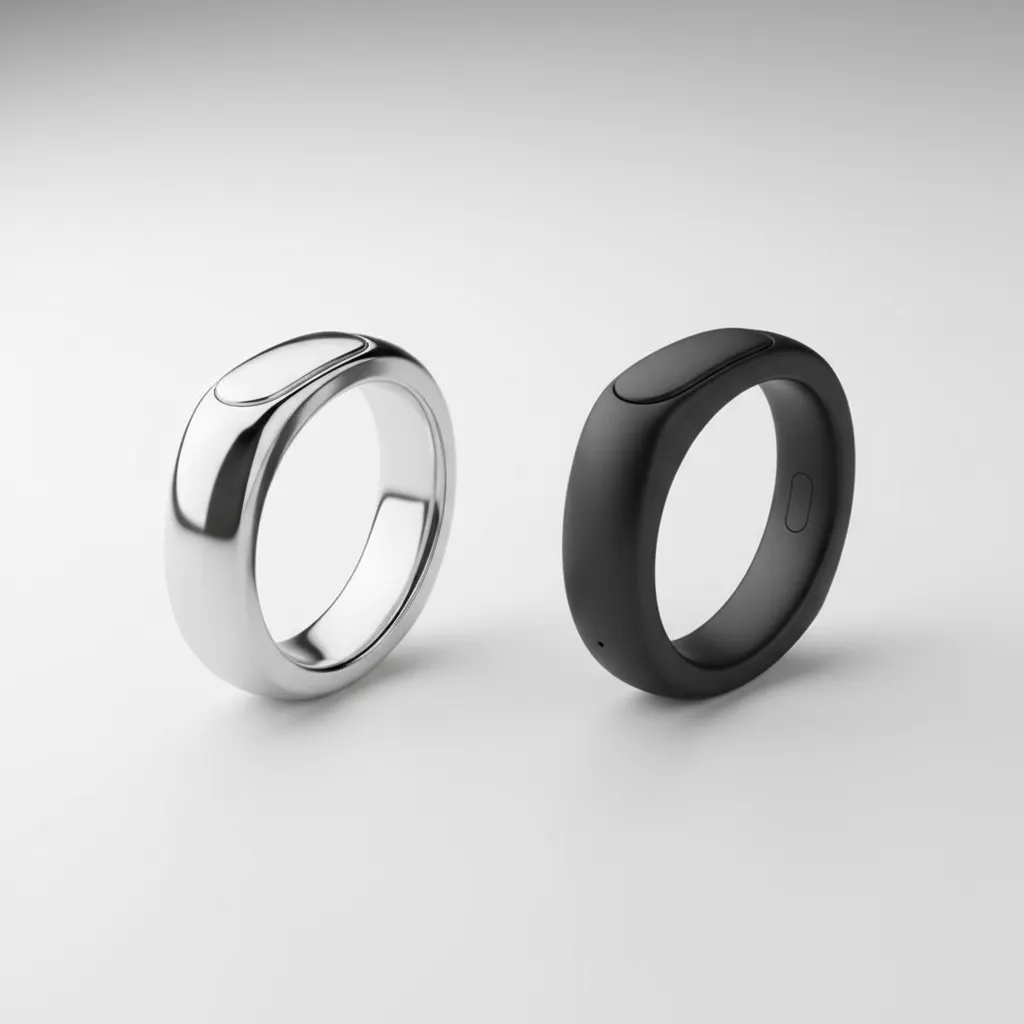
The Oura Ring 3 set the standard for elegance. It utilizes lightweight, durable titanium, offering a slim, seamless look. It’s available in multiple finishes (Silver, Black, Stealth, Gold), allowing it to truly function as smart jewelry. Oura focuses on a rounded, minimalist aesthetic, crucial for avoiding snags and maximizing comfort during sleep.
The Samsung Galaxy Ring, while still based on early glimpses and patents, appears to feature a slightly more concave inner surface. This design choice is likely deliberate, aimed at keeping the sensors closer to the skin for improved contact and better readings, particularly for heart rate tracking ring data and potential ECG capabilities (if implemented). Samsung has emphasized its lightweight build and sleek, ergonomic shape, expected to leverage modern, durable polymers and metals. The size and thickness relative to the Oura Ring will be a critical point of review when the final product is released.
The Comfort Factor: Measuring Success Where it Matters
Both companies understand that fit is everything. Oura famously sends out a sizing kit before purchase, ensuring the user finds the perfect fit—essential for maximizing SpO2 sensor ring accuracy.
The challenge for Samsung is matching Oura’s established reputation for all-day and all-night comfort. Smart rings, unlike watches, must fit snugly without feeling restrictive, particularly during hand movement. If the Galaxy Ring can manage to pack advanced sensor tech into a form factor as comfortable or better than Oura’s, it wins a huge initial victory in this smart ring comparison.
| Feature | Oura Ring 3 (Gen 3) | Samsung Galaxy Ring (Rumored) | Winner (Initial Assessment) |
|---|---|---|---|
| Material | Lightweight, durable Titanium | Durable metals/polymers (TBD) | Oura (Proven Titanium Build) |
| Profile | Rounded, seamless, minimalist | Concave sensor side, potentially slimmer | TBD (Depends on final weight) |
| Colors | Multiple metallic finishes (Silver, Stealth, Gold) | Expected to align with Samsung Galaxy colorways | Tie |
| Sizing Method | Essential Sizing Kit provided | Expected sizing kit or in-store measurement | Oura (Established Process) |
Core Health Tracking Features: Where Data Accuracy Counts
The primary function of a health tracker ring is to deliver precise, actionable data. Both the Oura Ring 3 and the Samsung Galaxy Ring are equipped with advanced sensors, but their approaches to interpreting that data diverge slightly due to their respective platform ecosystems.
Sleep Tracking Supremacy
Oura has built its brand almost entirely on sleep tracker reviews and its reputation as the gold standard for non-medical sleep analysis.
-
Oura’s Edge: The Oura Ring uses infrared photoplethysmography (PPG) sensors to measure heart rate, heart rate variability (HRV), respiratory rate, and movement. Crucially, its superior skin temperature tracking (3rd generation) uses seven temperature sensors, offering highly accurate nightly deviations, which are vital for tracking illness onset, menstrual cycles, and recovery. The Oura Readiness Score—a proprietary metric blending sleep, activity, and vitals—is highly regarded for providing actionable insights.
-
Galaxy Ring’s Potential: Samsung is expected to bring the full weight of its R&D into sleep tracking. The Galaxy Ring will certainly feature advanced sensors for SpO2 sensor ring monitoring, HRV, and temperature. Its key advantage will be integration with Samsung Health, potentially allowing for seamless cross-referencing with other Galaxy devices and creating a more holistic digital health profile. Furthermore, Samsung is rumored to be aiming for deeper integration with clinical applications, possibly securing specific medical device certifications that could elevate its authority beyond Oura’s current consumer focus.
Activity and Fitness Ring Performance
While rings are less effective than smartwatches for real-time, intense workout tracking (due to lack of a screen and potential movement), they are excellent fitness ring devices for long-term trend analysis and recovery measurement.
The Oura Ring 3 tracks steps, calorie burn, and offers guided workouts. However, it requires manual input or integration with services like Apple Health and Google Fit to accurately log complex exercise sessions.
The Samsung Galaxy Ring is expected to leverage its ecosystem for seamless activity tracking. It could potentially integrate better with Samsung’s existing workout routines and GPS data from paired Galaxy phones or watches. This deeper native integration could make the Galaxy Ring a more capable overall best fitness tracker 2024 alternative, especially for those already deep within the Samsung universe.
Advanced Vitals: SpO2, Heart Rate, and Temperature
Both devices feature capabilities critical for modern health monitoring:
- Heart Rate Tracking: Both rings use PPG for continuous, precise heart rate tracking ring data, which is essential for determining sleep stages, recovery, and overall cardiovascular health.
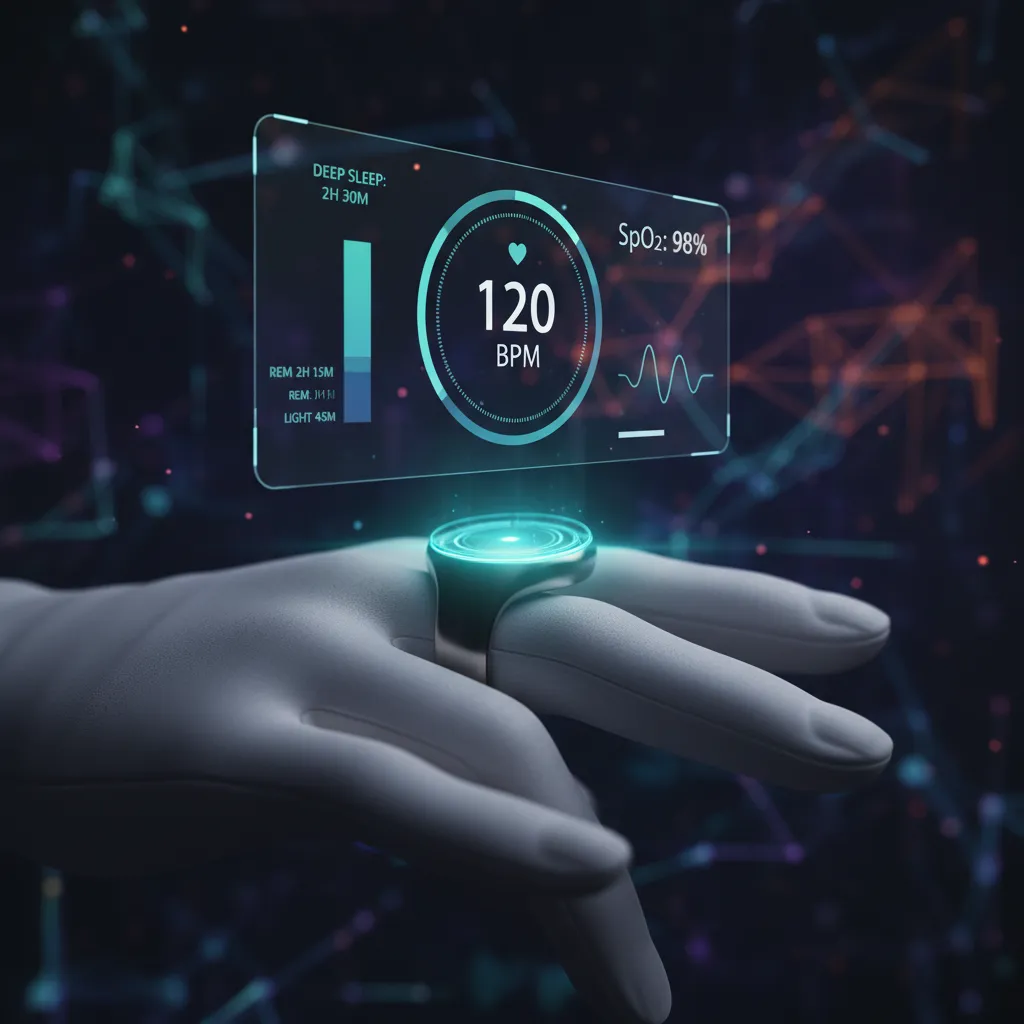
- SpO2 Monitoring: The Oura Gen 3 introduced the SpO2 sensor ring feature for blood oxygen saturation monitoring during sleep, a critical metric for detecting potential breathing disturbances. The Galaxy Ring is highly likely to include an advanced version of this sensor, given Samsung’s push in medical-grade wearables.
- Temperature: As noted, Oura’s temperature tracking is exceptional. Samsung will need to match this precision or integrate its temperature data with other Samsung Health metrics (like basal body temperature for cycle tracking) to differentiate itself.
The Ecosystem and Compatibility Question
In the world of wearable tech, a device is only as good as the software that interprets its data. Here, the Samsung vs Oura battle shifts from hardware specs to platform power.
Samsung Health vs. Oura App
The Oura App is known for its clean, insightful interface. It boils complex metrics down into three simple scores: Readiness, Sleep, and Activity. This focus makes the Oura Ring review process generally positive regarding user experience. The app’s strength is in providing curated guidance based on recovery.
The Samsung Galaxy Ring will feed directly into the monolithic Samsung Health platform. The advantage here is scale. Samsung Health is already a robust hub for activity, diet, and multi-device data (watches, phones, scales). If the Galaxy Ring can unify all these data streams to create advanced, AI-driven personalized health insights—leveraging Samsung’s push into digital healthcare—it could offer an unparalleled level of context that the Oura App, as a single-product platform, cannot match.
[Related: ai-revolutionizing-healthcare-innovations-future-trends/]
Android vs. iOS Lock-In: The Crucial Limitation
One of the largest differentiating factors in this smart ring comparison is compatibility:
- Oura’s Openness: Oura Ring 3 is fully compatible with both iOS and Android. This broad compatibility has allowed it to capture a large, platform-agnostic market share.
- Galaxy Ring’s Potential Restriction: Samsung is known for optimizing its products within its own ecosystem. While it will undoubtedly work with all Android devices, rumors strongly suggest that some of the most advanced, high-value features (such as enhanced vital monitoring or advanced AI insights) may be exclusive to Samsung Galaxy phones, potentially sidelining non-Samsung Android users and making it entirely unattractive for iPhone owners. This could severely limit its appeal compared to the platform-neutral Oura.
Smart Jewelry Beyond Health
The future of the smart ring involves more than just health data. It’s about seamless interaction.
- NFC Payment Ring: The Oura Ring currently does not support integrated NFC payments. While some third-party alternatives exist, this feature is a critical gap.
- The Samsung Galaxy Ring is expected to include NFC capabilities. Integrating the ring with Samsung Wallet for secure, contactless NFC payment ring functionality would be a game-changer, turning the health tracker into a true piece of smart jewelry and a daily utility device. Samsung’s existing infrastructure in this area gives it a clear lead. Furthermore, integrating the ring with Bixby or SmartThings could allow for subtle smart home control, adding another layer of utility.
Battery Life and Longevity Showdown
Battery life is a cornerstone of the smart ring experience. Users choose rings precisely because they offer long battery life without the need for nightly charging, which a typical smartwatch requires.
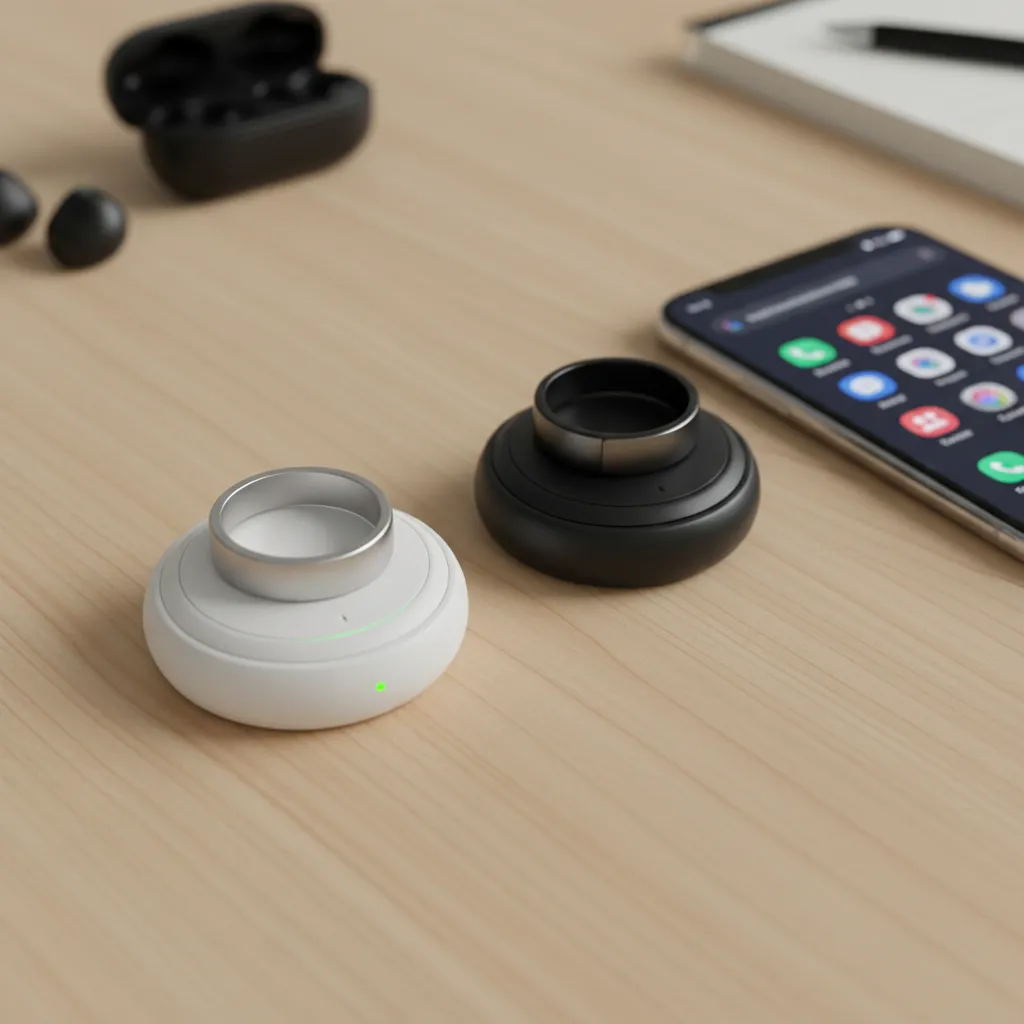
The Oura Ring 3 typically delivers 4 to 7 days of battery life, depending on feature usage (like continuous SpO2 monitoring). It charges quickly, often taking only 20 to 80 minutes to achieve a full charge. This balance of longevity and fast charging is a key part of its appeal.
The Samsung Galaxy Ring must meet or exceed this benchmark. Given Samsung’s ability to optimize components, industry speculation suggests Samsung is aiming for the higher end of the range, perhaps consistently hitting 6-8 days to clearly distinguish itself in the Oura Gen 3 vs Galaxy Ring battery life challenge. Since the ring has no screen, the power drain comes almost entirely from continuous sensor operation and Bluetooth transmission. The efficiency of the new generation of Samsung’s sensors will dictate its success here.
The Deciding Factor: Price and Subscription
When comparing the best smart ring options, the initial cost and the recurring expenses (the subscription) often decide the winner for consumers.
Oura Ring Price and the Membership Model
The Oura Ring 3 typically sells for between $300 and $450, depending on the material and finish. However, the true cost of ownership is higher due to the mandatory subscription.
- The Oura Membership: Oura charges a monthly fee (typically around $5.99) for full access to its data, including its proprietary Readiness and Sleep Scores, personalized insights, and trend analysis. Without the subscription, the ring is largely limited to basic activity tracking—rendering its sophisticated hardware useless. This recurring cost is a significant barrier for many potential buyers and a major talking point in every Oura Ring review.
Galaxy Ring Price and Long-Term Value
The anticipated Galaxy Ring price is rumored to be competitive with Oura, likely falling in the $300 to $400 range. The critical question, however, is the subscription model.
Samsung, historically, has included basic health monitoring features (like those found in Samsung Health) for free with its hardware. For the Samsung Galaxy Ring, this approach could fundamentally disrupt the market.
If Samsung provides full access to all essential data, including sleep stages and recovery metrics, without a mandatory monthly fee, the long-term value proposition dramatically favors the Galaxy Ring. While Samsung may introduce a “Premium” tier for advanced AI coaching or personalized programs, the ability to use the core features without continuous payment would make it one of the most compelling Oura Ring alternatives overnight. This factor alone will be the decisive element for many consumers when choosing their smart ring 2024.
Wearable Technology Trends and the Future of the Smart Ring
The arrival of a global tech powerhouse like Samsung validates the smart ring market. It accelerates competition and, crucially, drives innovation in sensor technology and AI integration.
AI-Driven Insights and Personalized Health
Both rings are positioned to benefit from the ongoing AI revolution. The data collected by a health tracker ring—HRV, temperature, and sleep cycles—is perfectly suited for machine learning models to provide genuinely personalized health coaching.
-
Samsung’s AI Advantage: Samsung’s massive scale and integrated AI push (across its devices and Bixby/Galaxy AI) suggest the Galaxy Ring will heavily leverage artificial intelligence to deliver predictive health alerts. Imagine the ring noticing subtle changes in your vitals and integrating with your calendar or smart home to proactively recommend a rest day or adjust the lighting for better sleep.
-
Oura’s Focus: Oura has already successfully used proprietary algorithms to generate its Readiness and Sleep Scores. Their future growth hinges on deepening these insights and maintaining their reputation for clinical-grade data accuracy.
The Competition on the Horizon: Apple
The success of the Samsung Galaxy Ring might finally spur the development of the long-rumored Apple smart ring. If Apple enters the market, the competition would shift from a duopoly to a three-way tech titan war, further cementing the ring form factor as a legitimate, superior alternative to the watch for passive health monitoring.
The current smart ring comparison between Oura and Samsung is paving the way for a generation of discreet, powerful health monitoring devices that seamlessly integrate into the digital lifestyle.

[Related: ai-in-healthcare-revolutionizing-personalized-medicine/]
Conclusion: Which Smart Ring Is Right For You?
The Galaxy Ring vs Oura showdown represents the choice between a proven specialized leader and a massive, ecosystem-driven challenger.
Choose the Oura Ring 3 if:
- You prioritize sleep tracking above all else. Oura remains the benchmark for comprehensive, consistent, and actionable sleep data and recovery metrics.
- You are an iPhone user or use a non-Samsung Android phone. Oura offers full functionality across both major operating systems.
- You prefer a minimalist, established design with a titanium build.
Choose the Samsung Galaxy Ring if:
- You are deeply invested in the Samsung ecosystem (Galaxy phone, watch, Samsung Health). The synergy and data integration potential will be unmatched.
- You value utility features like NFC payment ring capability. The potential for smart home control and mobile payments makes it a more versatile piece of smart jewelry.
- You are seeking the most value in terms of smart ring price and long-term cost. If Samsung avoids a mandatory monthly subscription for core features, the Galaxy Ring is the clear winner for cost-conscious users seeking the best smart ring.
Ultimately, the Samsung Galaxy Ring is set to be the catalyst that pushes the entire industry forward, forcing the established Oura Ring to innovate rapidly, especially concerning its subscription model. For consumers, this intense competition means one thing: the era of the discreet, powerful health tracker ring has truly arrived.
FAQs: Your Most Pressing Smart Ring Questions Answered
Q1. When is the Samsung Galaxy Ring release date expected?
The Galaxy Ring release date is highly anticipated, with most industry analysts and media reports pointing toward a launch in the latter half of 2024, likely coinciding with Samsung’s major Galaxy Unpacked event in the summer or early autumn.
Q2. Is the Oura Ring 3 subscription mandatory to use the device?
Yes. While you can track basic steps and heart rate without it, the core intellectual property that makes the Oura Ring 3 effective—including the Readiness Score, Sleep Stages, advanced personalized insights, and skin temperature data—requires the monthly Oura Membership subscription (approximately $5.99/month).
Q3. Which device is better for dedicated sleep tracking: Galaxy Ring or Oura?
The Oura Ring has a long-standing reputation for having the most validated and accurate sleep tracking ring capabilities among consumer wearables. However, the Samsung Galaxy Ring is expected to introduce cutting-edge sensors and potential medical-grade certification efforts, challenging Oura’s supremacy. Until independent validation is available, Oura remains the current sleep champion.
Q4. Are smart rings waterproof enough for swimming?
Yes, both the Oura Ring 3 and the expected Samsung Galaxy Ring are designed to be highly water-resistant. The Oura Ring is rated up to 100 meters (about 330 feet), making it safe for swimming, showering, and shallow diving. The Galaxy Ring is expected to meet similar IP ratings, making both suitable fitness ring devices for water sports.
Q5. What is the biggest advantage of the Galaxy Ring over the Oura Ring 3?
The biggest potential advantage is ecosystem integration and utility. If the Galaxy Ring features a standard, integrated NFC payment ring capability and provides all core health features without a mandatory monthly fee, its long-term value and versatility will dramatically surpass the Oura Ring 3 for Samsung users.
Q6. Are there any Apple smart ring rumors?
While Apple has secured numerous patents related to smart ring technology, there is no official confirmation or definitive Apple smart ring product timeline. The success and competition generated by the Samsung Galaxy Ring and Oura are likely influencing Apple’s strategic decisions in this rapidly growing market segment.
Q7. How does the battery life of Oura Gen 3 vs Galaxy Ring compare?
The Oura Ring 3 typically offers 4 to 7 days of battery life. The Samsung Galaxy Ring is rumored to target the higher end of this range, potentially offering 6 to 8 days, but both rings generally outperform smartwatches by a significant margin, making them ideal wearable tech for continuous health monitoring.