Fractional Real Estate Investing: Tech-Powered Paths to Property Ownership

For generations, the path to building wealth through property was a straightforward but exclusive one: save a massive down payment, qualify for a mortgage, and buy a whole property. That dream, however, has become increasingly distant for many. But what if you could own a piece of a high-rise apartment building in Austin, a share of a luxury vacation rental in Miami, or a slice of a bustling commercial warehouse, all for less than the cost of a new laptop?
Welcome to the world of fractional real estate investing, a powerful movement dismantling the traditional barriers to property ownership. This isn’t just a new investment trend; it’s a fundamental shift powered by a wave of real estate technology that is democratizing real estate investment for everyone.
In this comprehensive guide, we’ll dive deep into this exciting landscape. You’ll learn what fractional ownership truly means, explore the innovative technology making it possible, understand the pros and cons, and discover the concrete steps to begin your journey as a digital real estate investor. Get ready to rethink everything you thought you knew about owning property.
What is Fractional Real Estate Investing, Really?
At its core, fractional real estate investing is the practice of splitting a single property’s ownership and cost among multiple investors. Instead of one person buying a $500,000 house, 500 people could each invest $1,000 to collectively own it. Each investor holds a “fraction” or share of the property, entitling them to a proportional share of the financial benefits, such as rental income and appreciation in value.
Think of it like buying shares of a public company. When you buy a share of Apple, you don’t own the entire Apple Park campus, but you own a small, legally recognized piece of the entire company and have a claim on its profits. Fractional real estate applies the same principle to a specific, tangible asset—a piece of property. This model transforms an illiquid, high-cost asset into a form of micro real estate investing, making it one of the most accessible property investment strategies today.
The Engine Room: How Technology Makes Fractional Ownership Possible
While the concept of co-owning property isn’t new, traditional syndicates were often opaque, illiquid, and reserved for accredited investors with deep pockets and connections. The game-changer has been the explosive growth of real estate fintech, or “PropTech,” which has created a transparent, efficient, and user-friendly ecosystem.
The Rise of Real Estate Investment Platforms
The most significant innovation has been the emergence of property ownership platforms and fractional ownership apps. These online marketplaces act as the bridge between investors and properties, handling all the complex backend work.
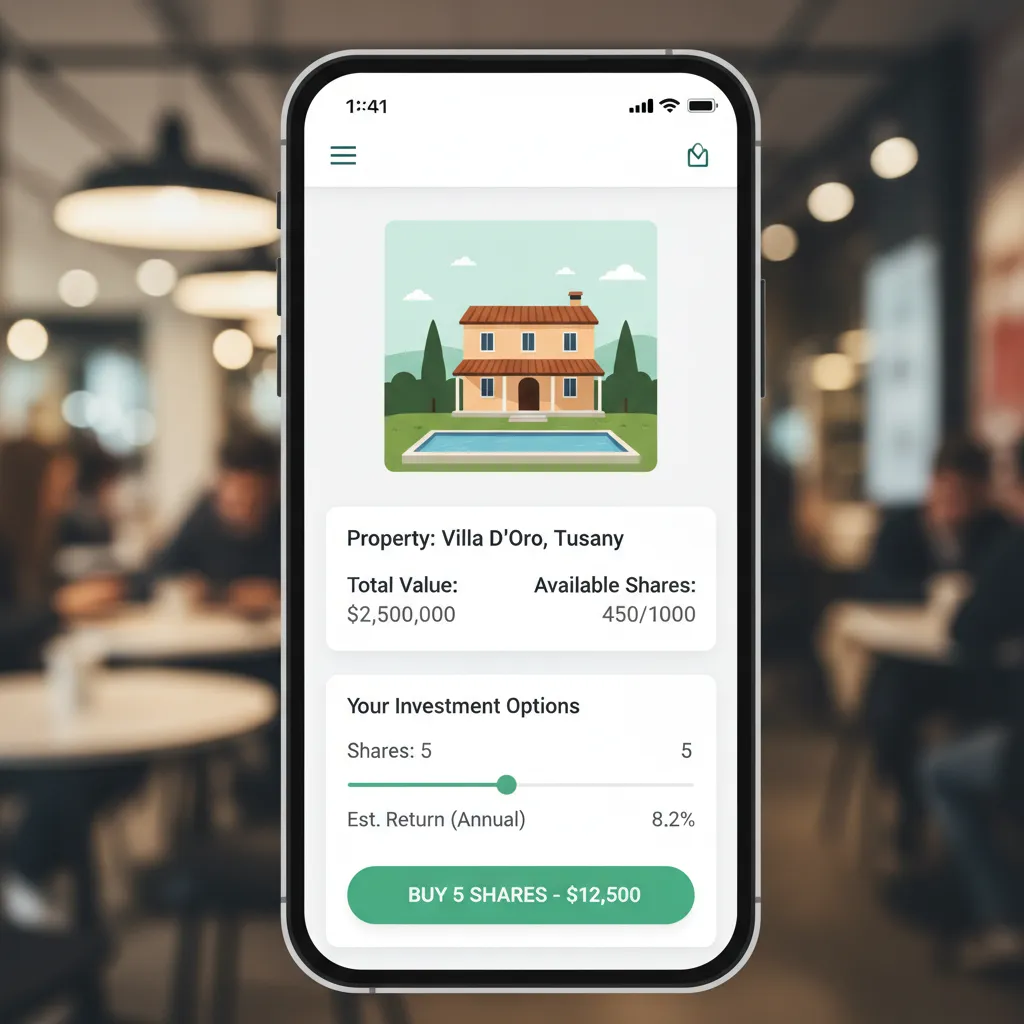
Here’s a typical workflow:
- Curation & Vetting: The platform’s experts use data analytics and market research to identify and acquire properties with high potential for rental income and/or appreciation.
- Legal Structuring: For each property, the platform creates a separate legal entity, usually a Limited Liability Company (LLC). This protects investors by separating the asset from the platform’s own finances and limiting individual liability.
- “Initial Public Offering”: The platform then divides the LLC’s ownership into shares (or “fractions”) and offers them to investors on its website or app, complete with detailed financial projections, property inspections, and market analysis.
- Management & Payouts: Once funded, a professional property management company (either in-house or a partner) handles all landlord duties: finding tenants, collecting rent, and maintaining the property. The platform collects the revenue, deducts fees and expenses, and distributes the net income to investors quarterly or monthly.
- Reporting: Investors can track their portfolio’s performance, view financial documents, and receive updates directly through a personalized dashboard, much like a modern stock trading app. [Related: Copilot+ PCs Unveiled: A New Era of AI-Powered Laptops] that make managing these investments even more seamless.
These real estate investment platforms have made online real estate investing as simple as a few clicks.
Crowdfunding Meets Real Estate
This entire model is a specialized form of real estate crowdfunding. It leverages the power of the internet to pool small amounts of capital from a large number of people to finance a project that would be impossible for them to fund individually. It’s the ultimate expression of how to invest in real estate with little money, turning what was once an exclusive club into an open community.
The Cutting Edge: Blockchain and the Future of Property Ownership
While crowdfunding platforms have revolutionized access, the next wave of innovation is already here, driven by blockchain technology. This is where digital real estate investing takes a giant leap into the future.
Tokenized Real Estate: The Digital Deed
Imagine each “fraction” of a property being represented not just by an entry in a company’s database, but by a unique digital token on a blockchain. This is tokenized real estate.
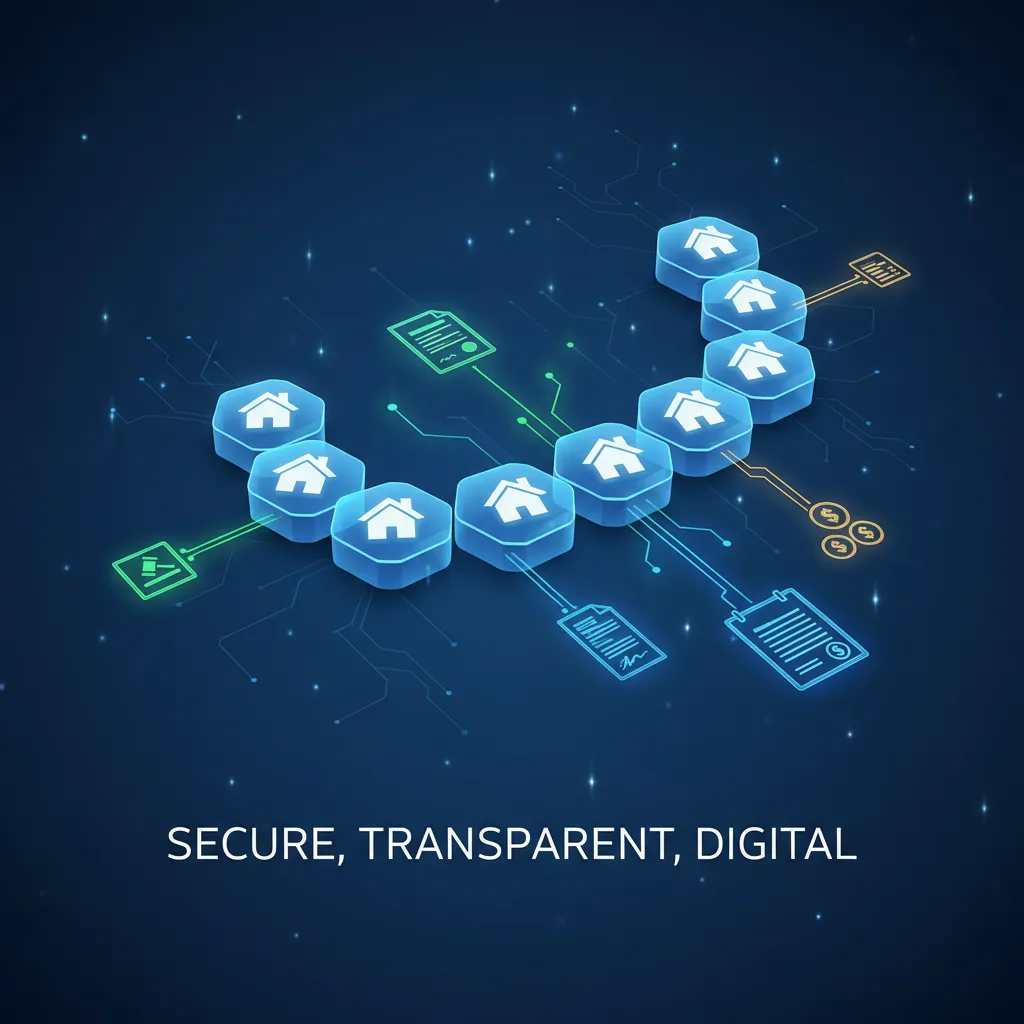
This approach offers several groundbreaking advantages:
- Enhanced Liquidity: Traditionally, selling a fraction of a property was difficult and slow. With tokenization, you can potentially trade your property tokens on secondary digital marketplaces, 24/7, much like cryptocurrencies or stocks.
- Greater Transparency: Every transaction, from the initial purchase to rent distribution, can be recorded on an immutable public ledger, drastically reducing the potential for fraud and disputes.
- Lower Costs: By removing many of the traditional intermediaries like brokers, banks, and title agents, blockchain real estate transactions can be faster and cheaper.
Smart Contracts: Automating Trust in Real Estate
The engine behind tokenization is smart contracts real estate. These are self-executing contracts with the terms of the agreement directly written into code. They can automatically execute actions when certain conditions are met.
For example, a smart contract could be programmed to:
- Automatically distribute rental income to token holders’ digital wallets on the first of every month.
- Initiate a vote among token holders for a major property decision (e.g., selling the property).
- Facilitate the transfer of ownership tokens from seller to buyer once payment is confirmed.
This automation builds a “trustless” system where the rules are enforced by code, not by a fallible intermediary. This is a core principle in the wider financial tech space. [Related: DeFi for Beginners: Ultimate Guide to Decentralized Finance].
A Tale of Two Properties: Commercial vs. Residential Fractional Investing
Fractional investing isn’t limited to one type of property. The technology has unlocked access to a diverse range of real estate assets, each with its own risk-and-reward profile.

Investing in Fractional Residential Real Estate
This is the most common and easily understood category. It includes single-family homes, vacation rentals, and multi-family apartment buildings.
- Pros: The market is familiar to most people. Rental income can be steady, especially in high-demand areas. There’s also the potential for significant appreciation. The management of these properties is also becoming more efficient with modern tech. [Related: AI Smart Home Automation: The Future of Connected Living].
- Cons: Residential markets can be volatile. Tenant turnover can lead to vacancies and associated costs. Regulations like rent control can impact profitability.
Unlocking Fractional Commercial Real Estate
This was once the exclusive domain of institutional investors and real estate investment funds. Now, through fractional platforms, you can own a piece of an office building, a strip mall, an industrial warehouse, or even a data center.
- Pros: Commercial leases are typically long-term (5-10 years), providing more predictable cash flow. Tenants are businesses, which are often more reliable than individual renters. Certain sectors, like logistics and data centers, are experiencing massive growth.
- Cons: The commercial market is more complex and sensitive to economic cycles. A major tenant leaving can create a significant vacancy. The initial investment, even fractionally, can sometimes be higher than for residential properties.
The Investor’s Blueprint: Pros, Cons, and Getting Started
Like any investment, alternative real estate investments such as fractional ownership come with both huge benefits and inherent risks. A successful strategy requires a clear understanding of both.
The Upside: Why Fractional Investing is Gaining Traction
- Unprecedented Accessibility: With minimums often as low as $100, almost anyone can start building a real estate portfolio.
- Powerful Diversification: Instead of putting all your capital into one property, you can spread a smaller amount across many. This allows for real estate diversification across different property types (residential, commercial) and geographic locations (different cities or even countries).
- True Passive Real Estate Income: You can earn income from rent without ever having to screen a tenant, fix a leaky faucet, or deal with a late-night emergency call.
- Access to Professional Management: Your investment is managed by experienced real estate professionals who handle everything from acquisition to day-to-day operations.
- Data-Driven Transparency: Modern platforms provide a wealth of data, performance metrics, and financial reporting that were previously unavailable to the average investor.

The Risks: What to Watch Out For
- Illiquidity: Unlike stocks, you can’t sell your shares instantly. While some platforms are developing secondary markets to address this, you should be prepared to hold your investment for a target period, typically 3-10 years.
- Platform Risk: You are trusting the fractional property platforms to manage your investment wisely. It’s crucial to research the platform’s track record, leadership team, and financial stability before investing.
- Fees: Platforms charge fees for their services, which can include acquisition fees, asset management fees, and sometimes a share of the profits. These fees impact your net returns, so read the fine print carefully.
- Market Risk: Real estate is not immune to economic downturns. Property values can decrease, and rental demand can soften, affecting both your income and the final sale price.
Your First Steps: How to Invest in Property Digitally
Ready to take the plunge? Here’s a simple roadmap to get started with tech property investment.
- Define Your Goals: Are you seeking steady cash flow from rental income, long-term appreciation, or a mix of both? Your goals will determine the types of properties and platforms you should consider.
- Research, Research, Research: Vigorously vet different real estate investment platforms. Compare their fee structures, minimum investment amounts, historical returns, and the types of properties they offer. Read reviews and understand their investment philosophy.
- Perform Due Diligence on Properties: Don’t just trust the platform’s summary. Dive into the investment documents for any property you’re considering. Understand the local market, the rationale for the purchase, the projected financials, and the exit strategy.
- Start Small and Diversify: Don’t put all your eggs in one basket. Start with a small investment in one or two properties to understand the process. As you get more comfortable, you can gradually build a diversified portfolio across different assets. The latest personal AI assistants can help you organize this research. [Related: The Best AI Personal Assistants for Next-Level Productivity].
The Global Frontier: The Expanding World of Fractional Ownership
The revolution isn’t just local. A growing number of real estate tech startups are breaking down international barriers, creating platforms for global fractional real estate investing. This means you could be sitting in Chicago while owning a piece of a beachfront condo in Portugal or a commercial building in Tokyo. This trend is intertwined with the rise of global mobility and remote work. [Related: Affordable Digital Nomad Havens: Work Remotely, Live the Dream].
Technology is not only making this possible but also handling the complex legal and currency conversion challenges, opening up a world of opportunities for portfolio diversification that was unimaginable just a decade ago.
The Verdict: The Future of Real Estate Investing is Here
Fractional real estate investing is far more than a passing fad. It represents a permanent, tech-driven evolution in how we access and own one of the world’s most historically stable and profitable asset classes. By leveraging crowdfunding platforms, property investment apps, and the emerging power of blockchain, it puts the power of property ownership back into the hands of the individual.
The barriers to entry have been shattered. Whether you’re a seasoned investor looking for diversification or a complete beginner wondering how to invest in real estate with little money, the path is now open. The future of real estate investing is accessible, digital, and fractional. Your journey to becoming a property owner can start today, not with a mortgage application, but with a click of a button.
Frequently Asked Questions (FAQs)
Q1. What exactly is fractional real estate investing?
Fractional real estate investing allows multiple investors to pool their money to collectively buy a property. Each investor owns a share, or “fraction,” of the asset and is entitled to a proportional share of the income and potential appreciation, without needing the capital to buy the entire property alone.
Q2. How do you make money from fractional real estate?
There are two primary ways to earn a return. First is through passive real estate income, which is your share of the net rental income collected from tenants, typically distributed monthly or quarterly. The second is through long-term appreciation when the property is eventually sold for a higher price than it was purchased for.
Q3. Is fractional real estate a good investment?
It can be a very good investment, particularly for those seeking diversification and access to real estate without large capital outlays. It offers the potential for passive income and appreciation. However, like all investments, it carries risks, including market downturns and illiquidity, so thorough research is essential.
Q4. What are the main risks of fractional ownership?
The main risks include: illiquidity (it can be difficult to sell your shares quickly), platform risk (the company managing the property could underperform or fail), market risk (property values can fall), and fees (which can reduce your net returns).
Q5. Can you live in a fractional ownership property?
Generally, no. The fractional investing model discussed here is purely for investment purposes, focusing on rental properties (both residential and commercial). While a different model of fractional ownership exists for luxury vacation homes where owners get usage rights (similar to a timeshare), the platforms focused on passive income do not include personal use.
Q6. How is fractional ownership different from a timeshare?
The key difference is ownership vs. usage rights. With investment-focused fractional ownership, you own an equity stake (a real asset) in the property with the goal of financial return. With a timeshare, you are typically just buying the right to use the property for a specific period each year, and it is often considered a lifestyle expense rather than a sound financial investment as they tend to depreciate in value.
Q7. What is the minimum investment for fractional real estate?
This varies significantly by platform, but the rise of real estate crowdfunding and micro real estate investing platforms has dramatically lowered the barrier. Many popular platforms have minimums as low as $100, while some may require $1,000, $5,000, or more, especially for specific funds or commercial properties.