Finfluencers & Your Finances: Navigating Social Media Money Advice

Introduction
You’re scrolling through your feed. Between a dance challenge and a recipe for whipped coffee, a charismatic creator flashes across your screen. They’re standing in front of a whiteboard, passionately explaining how a single, obscure cryptocurrency is about to “go to the moon,” or how you can retire by 30 using a simple savings hack. This is the world of “finfluencers”—financial influencers who have turned platforms like TikTok, Instagram, and YouTube into hubs for money talk.
For many, especially in the Gen Z and Millennial demographics, these personal finance content creators are the first touchpoint in their financial journey. They break down complex topics, offer seemingly simple solutions, and create a sense of community around the often-taboo subject of money. But with this rise in accessible online money advice comes a critical question: Is finfluencer advice reliable?
This article is your comprehensive guide to navigating the complex world of social media finance. We’ll explore the incredible potential of finfluencers to boost financial literacy, but also equip you with the critical thinking skills to identify the red flags. You’ll learn how to separate valuable insights from dangerous hype, how to spot bad financial advice online, and ultimately, how to use social media as a tool for building wealth with social media, not derailing your financial future.
The Rise of the Finfluencer: Why We’re All Watching
The explosion of financial influencers isn’t a random phenomenon. It’s a direct response to a gap in the market. Traditional financial advice has often been perceived as inaccessible, expensive, and shrouded in intimidating jargon. Certified Financial Planners (CFPs) are invaluable, but their services can feel out of reach for someone just starting with a few hundred dollars to invest.
Finfluencers shattered this barrier to entry. They speak our language, create content for the platforms we use daily, and present information in easily digestible, visually engaging formats.
Here’s why they’ve become so influential:
- Relatability: Many finfluencers share their own stories of paying off debt or starting their investment journey, making them feel more like a knowledgeable friend than a stuffy banker. This is a cornerstone of Millennial money advice and Gen Z finance trends.
- Accessibility: Their advice is free and available 24/7 on your phone. You don’t need an appointment or a minimum net worth to watch a 60-second video on budgeting hacks from TikTok.
- Simplicity: They excel at understanding financial jargon and breaking it down. Concepts like compound interest or Roth IRAs, which might seem daunting in a textbook, become clear and actionable in a short, animated video.
- Community: The comment sections and forums associated with these creators have become vibrant online financial communities, where users share their own successes and struggles, fostering a sense of shared purpose.
This new wave of digital finance education has undeniably lowered the barrier to entry, sparking an interest in personal finance for a generation that desperately needs it.
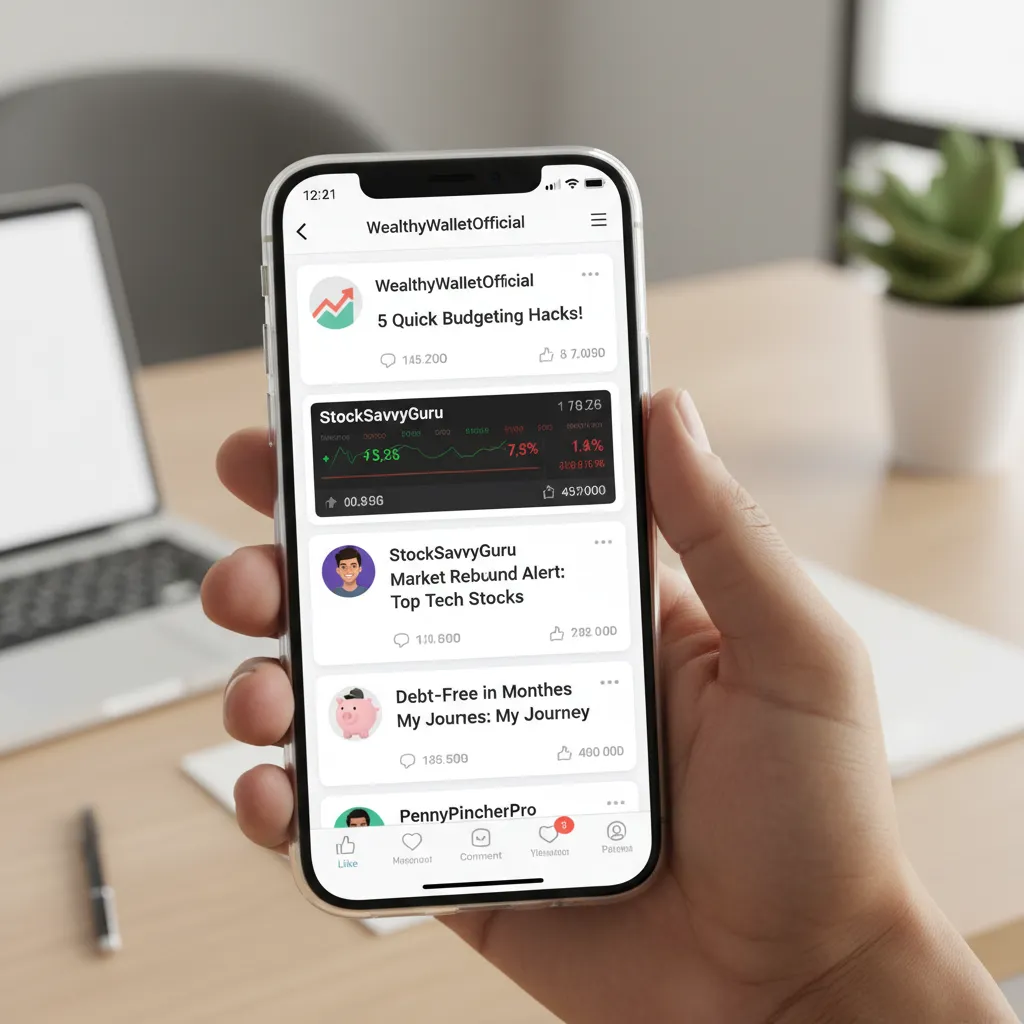
The Bright Side: The Pros of Following Financial Influencers
When approached with a healthy dose of skepticism, the world of finfluencers can be an incredible resource. The best creators are passionate educators who are genuinely committed to improving financial literacy on social media.
Democratizing Digital Finance Education
For decades, quality financial knowledge was locked behind paywalls or academic language. Finfluencers have effectively taken this information and open-sourced it. They create engaging content on everything from credit score tips from influencers to complex passive income strategies finfluencers often discuss. This democratization is a massive win for anyone who wants to learn but doesn’t know where to start.
A Gateway to Deeper Financial Learning
Perhaps the greatest benefit is that finfluencers act as a launchpad. A short video about the S&P 500 might not make you an expert, but it might pique your interest enough to read a book, take an online course, or start exploring reputable financial education platforms. They are the spark that can ignite a lifelong journey of financial self-improvement. For many, they provide the perfect beginner investor advice to get started.
Building Community and Confidence
Talking about money can be isolating. Finfluencers have helped normalize conversations around debt, saving, and investing. By sharing their own vulnerabilities and triumphs, they empower their followers to take control of their financial lives. This sense of community reduces financial anxiety and builds the confidence needed to make positive changes.

Actionable, Bite-Sized Tips
The best finfluencers provide practical, actionable advice that you can implement immediately. This includes everything from strategies for saving money online to guidance from debt management finfluencers on tackling student loans or credit card debt. These small, manageable steps can lead to significant long-term financial improvements.
Navigating the Minefield: The Cons and Dangers of Finfluencer Advice
For all their benefits, the finfluencer landscape is unregulated and fraught with risk. The very things that make them appealing—accessibility and simplicity—can also be their greatest downfalls. It’s crucial to understand the pros and cons of finfluencers before you act on their advice.
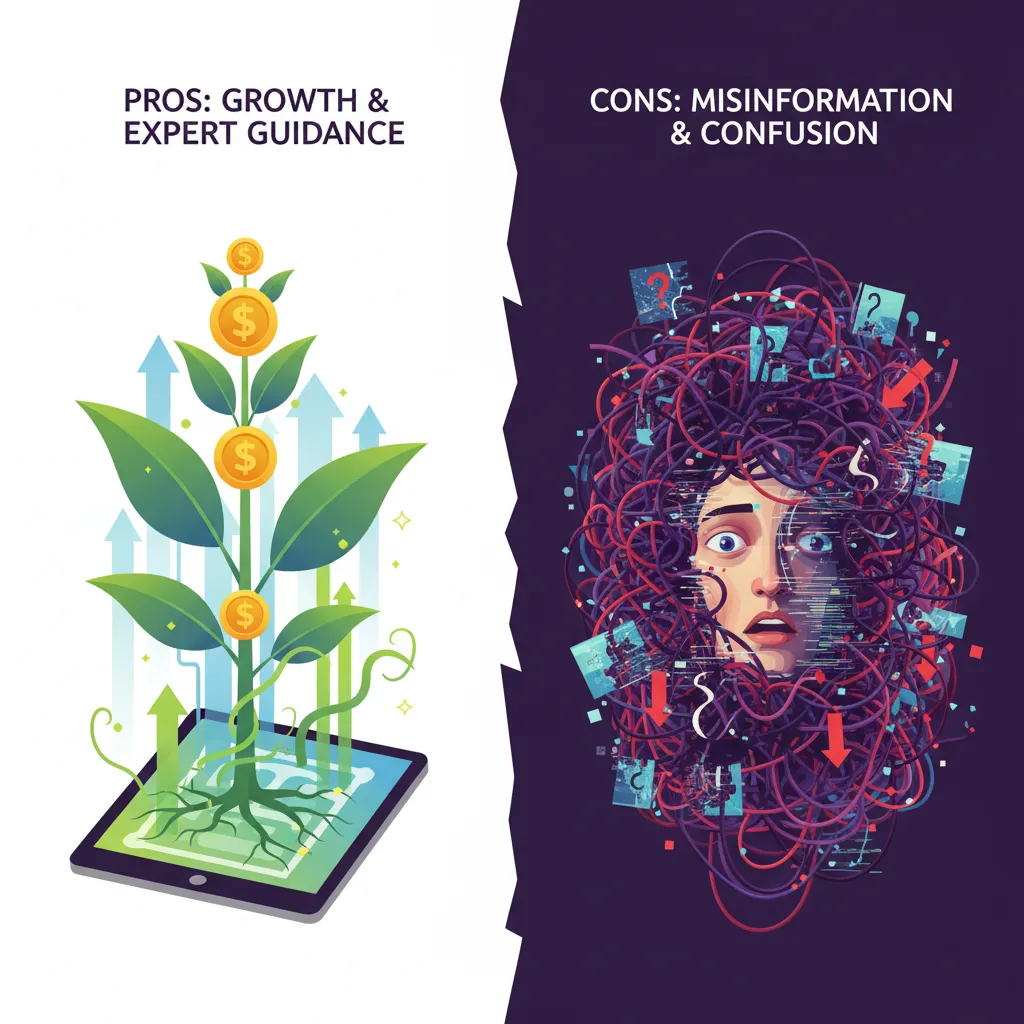
The Qualification Question: Is Finfluencer Advice Reliable?
This is the most critical issue. The vast majority of financial influencers are not licensed professionals. They may be excellent marketers or charismatic storytellers, but they often lack the credentials (like a Certified Financial Planner or Chartered Financial Analyst designation) required to give personalized financial advice. Their content is legally considered “entertainment” or “general information,” which is a crucial distinction. Acting on advice from an unqualified individual can have devastating consequences.
Conflicts of Interest and Hidden Agendas
Finfluencers are running a business. They make money through brand sponsorships, affiliate marketing, selling their own courses, and ad revenue. This creates significant conflicts of interest. Is that “hot stock” they’re promoting truly a good investment, or are they being paid to create hype? Is that high-fee financial product the best for you, or does it just offer them the highest affiliate commission? The lack of transparency around these incentives is a major red flag for anyone seeking ethical financial advice.
One-Size-Fits-All Fails in Finance
Personal finance is just that—personal. The right financial strategy for you depends on your age, income, goals, risk tolerance, and existing debt. Finfluencers, by nature, provide generalized advice to a mass audience. A strategy that worked for a 22-year-old software engineer in a low-cost-of-living area will likely not work for a 35-year-old freelance artist with a family. This one-size-fits-all approach can be incredibly dangerous if not adapted to your unique situation.
The Rise of Financial Scams and Get-Rich-Quick Schemes
The unregulated nature of social media makes it a breeding ground for scams. From “pump and dump” crypto schemes to forex trading bots that promise unrealistic returns, finfluencers (both malicious and naive) can amplify dangerous ideas. The allure of quick, effortless wealth is strong, and it’s a primary tool used for avoiding financial scams. If it sounds too good to be true, it almost certainly is. The digital world is full of threats, and protecting your finances is just as important as protecting your data. Related: AI Cybersecurity: Advanced Threat Detection and Defense
Your Ultimate Vetting Checklist: How to Spot Bad Financial Advice Online
The goal isn’t to abandon social media finance content altogether, but to become a discerning consumer. Use this checklist to vet every piece of advice and every creator you follow.
Step 1: Check for Credentials and Transparency
- Who are they? Look in their bio or “About Me” page. Do they list any professional certifications (CFP®, CFA, CPA)? Or is their expertise based solely on their “personal journey”?
- Are they transparent? Do they clearly label sponsored content with #ad or #sponsored? Do they disclose their affiliate relationships? Honesty about how they make money is a sign of a more trustworthy creator.
Step 2: Analyze the Tone and Promises
- Hype vs. Education: Is the content focused on teaching you a concept, or is it creating a sense of urgency and FOMO (Fear Of Missing Out)? Educational content empowers you; hype pressures you.
- Guaranteed Returns: This is the single biggest red flag. No one can guarantee returns in the stock market or any other investment. Any finfluencer who uses words like “guaranteed,” “no-risk,” or “secret formula” is selling snake oil.
Step 3: Look for a Discussion of Risk
- A Balanced View: Credible investing tips on social media will always include a discussion of the potential downsides and risks. They will remind you to only invest what you can afford to lose and emphasize the importance of diversification. If a creator only talks about the upside, they are not giving you the full picture.
Step 4: Verify, Verify, Verify
- Treat it as a Starting Point: Never take a finfluencer’s advice as gospel. Use their content to discover a new topic, then verify it with independent, reputable sources like the SEC’s Investor.gov, established financial news outlets, or books by respected authors.
- Check the Comments: While not foolproof, the comment section can be revealing. Are other knowledgeable people pointing out flaws or asking critical questions? Or is the creator deleting any form of dissent?
Step 5: Understand Their “Why”
- What are they selling? More often than not, the free content is a funnel to a paid product—a course, a newsletter, a coaching program. This isn’t inherently bad, but you must evaluate the free content on its own merits. Is it genuinely helpful, or is it just a teaser designed to upsell you?
Building a Healthy Financial Information Diet
Mastering your finances in the digital age is about curation and balance. You need to build a system that leverages the best of what Instagram financial gurus and TikTok finance tips have to offer while shielding yourself from the risks.
Use Finfluencers as a Launchpad, Not a Gospel
The ideal way to use a finfluencer is as a search engine. When you see a video about retirement planning on social media, don’t just follow the creator’s three steps. Use it as a prompt to Google “What is a Roth 401(k)?”, “How much should I contribute to retirement?”, and “Best low-cost index funds.” Let their content guide your curiosity, which then leads you to do your own deep-dive research.

Diversify Your Sources
Your financial education should never come from a single source, especially not just one platform.
- Social Media: Follow a few vetted finfluencers for motivation and topic ideas.
- Reputable Websites: Bookmark sites like NerdWallet, Investopedia, and the Wall Street Journal for reliable, well-researched articles.
- Books: Read classic personal finance books. The foundational knowledge they provide is timeless.
- Podcasts: Listen to long-form discussions from financial experts who have the time to explore nuance.
Leverage Technology and AI to Your Advantage
Beyond social media, powerful tools can help you manage and grow your money. Modern budgeting apps can automate tracking, and AI-powered platforms can help you analyze your spending and identify savings opportunities. Using technology to automate the boring parts of finance frees up your time to focus on learning and strategy. Smart tools can make a world of difference. Related: AI Tools Revolutionizing Everyday Productivity
Know When to Seek a Professional
Finally, understand the limits of online advice. For major life decisions—like buying a house, planning for retirement, or handling an inheritance—the generalized advice from a finfluencer is not enough. This is when it’s time to hire a fee-only financial advisor. They can provide personalized, legally accountable advice tailored specifically to your life and your goals. Consider financial planning social media as the starting block, and a professional as the coach who gets you across the finish line.
Conclusion
The rise of the finfluencer is a double-edged sword. On one hand, it represents a monumental shift towards a more open, accessible, and engaging form of digital finance education. These creators have inspired millions to start budgeting, saving, and investing for the first time. On the other hand, the space is an unregulated Wild West, filled with potential conflicts of interest, unqualified advice, and outright scams.
Your success in this new landscape doesn’t depend on finding the “perfect” finfluencer to follow. It depends on you. By adopting a mindset of healthy skepticism, committing to independent verification, and using social media content as a starting point for your own research, you can harness its power for good. Build a diversified information diet, learn to spot the red flags, and never forget that personal finance is personal. Take control of your education, and you’ll be well on your way to building a secure and prosperous financial future.
FAQs
Q1. What exactly is a finfluencer?
A finfluencer, or financial influencer, is a content creator who uses social media platforms like TikTok, Instagram, and YouTube to share information and advice about personal finance. Their topics range widely from budgeting and saving to investing in stocks and cryptocurrencies. They are known for making complex financial topics more accessible and relatable to a broad audience, particularly younger generations.
Q2. Is it safe to follow financial advice from social media?
It can be, but you must be extremely cautious. Social media finance advice should be treated as a starting point for your own research, not as a definitive guide. Many finfluencers lack formal qualifications, and their advice is not personalized to your situation. Always verify information with trusted, independent sources and be wary of anyone promising guaranteed returns.
Q3. What are the red flags of a bad finfluencer?
Key red flags include: guaranteeing high returns on investments, creating a false sense of urgency (FOMO), failing to disclose sponsored posts or affiliate links, not discussing the risks involved in an investment, and lacking any verifiable credentials or qualifications in the financial industry.
Q4. Are finfluencers regulated by the government?
Largely, no. In most countries, the term “finfluencer” is not a legally defined or regulated profession. While they are subject to advertising standards about disclosing paid partnerships, the financial “information” they provide is typically considered entertainment or general education, not official financial advice. This means they don’t have the same legal and ethical obligations as a licensed financial advisor.
Q5. How do finfluencers make money?
Finfluencers have several income streams. The most common include brand sponsorships (promoting a financial product or service), affiliate marketing (earning a commission when followers sign up for a service through their link), selling their own digital products like courses or e-books, and earning ad revenue from platforms like YouTube.
Q6. What is the difference between a finfluencer and a financial advisor?
A licensed financial advisor (like a CFP®) has formal education, has passed rigorous exams, is regulated by government bodies, and has a fiduciary duty to act in their client’s best interest. A finfluencer is a content creator who may have no formal training and is not legally accountable for the outcomes of their general advice.
Q7. How can I find the best finfluencers to follow?
Look for creators who prioritize education over hype. The best finfluencers are transparent about their qualifications (or lack thereof), openly discuss risks, encourage independent research, and disclose their sponsorships. They focus on teaching foundational concepts rather than shilling specific “hot” stocks or products.