AI Wearables 2025: The Next Generation of Smart Tech

Introduction: The Shift from Tracking to True Intelligence
For years, we’ve strapped “smart” devices to our wrists. They tracked steps, counted calories, and mirrored notifications. But they were, fundamentally, passive data collectors tethered to our phones. Now, as we look toward wearable technology 2025, the paradigm is undergoing a revolutionary shift. We are moving from mere smart devices to true AI wearables.
The fusion of Artificial Intelligence (AI) with miniaturized sensors is creating the next generation wearable technology—devices that don’t just track data, but analyze, predict, and proactively guide us. This is the future of personal tech, where our gadgets become integrated, contextual, and deeply personalized AI personal assistants wearables.
This article dives deep into the landscape of wearable AI devices in 2025. We will explore the technologies making this leap possible—from advanced biometric sensors to the emerging brain-computer interface—and examine the revolutionary new forms these gadgets are taking, including smart glasses, the AI smart ring, and smart textiles. If you want to know what are AI wearables and how they will redefine daily life, you’re in the right place.
The Defining Difference: AI vs. ‘Smart’
Before diving into the hardware, it’s crucial to understand the fundamental distinction driving this evolution.
A traditional smartwatch is “smart” because it connects to the internet and executes programmed functions (like notifying you of an email). A modern AI wearable, however, utilizes advanced machine learning models, often leveraging on-device AI, to deliver predictive, context-aware utility without constantly relying on a cloud server.
1. Generative AI Wearables and Contextual Computing
The biggest differentiator is the integration of large language models (LLMs) and other generative AI technologies.
Generative AI wearables are capable of summarizing, drafting communications, translating conversations in real-time, or even generating customized workout routines based on instantaneous physiological feedback. Think of the functionality offered by devices like the Humane AI Pin or Rabbit R1, but integrated seamlessly into a ring, a pair of glasses, or even your shirt.
This allows for ambient computing devices—technology that operates in the background, subtly responding to your needs and environment. The user interface moves beyond a screen; interaction often relies on voice, gesture, or even intent inferred by the AI.
2. The Power of On-Device AI
For health data, speed and privacy are paramount. Sending raw, high-frequency heart rate variability or stress data to the cloud for processing is slow and raises security concerns. On-device AI changes this.
By embedding specialized AI chips (like edge TPUs) directly into the gadget, the device can:
- Process sensor data instantly.
- Identify anomalies (e.g., detecting an imminent atrial fibrillation episode).
- Conserve battery by only sending key summaries to the cloud.
This local processing capability is what transforms passive data logging into proactive, actionable insights, cementing the authority of best AI wearables in the market.
The Core Technological Pillars of Wearable AI
The innovation in AI wearables is fueled by breakthroughs in sensor technology and neural processing.
Advanced Biometric Sensors
The standard PPG (photoplethysmography) heart rate sensor found in older smartwatches is being supplemented by increasingly sophisticated biometric sensors:
- Continuous Glucose Monitoring (CGM): Non-invasive CGM technology, leveraging micro-radars or advanced infrared sensors, is finally making its way into consumer wearables, offering unprecedented AI health tracking capabilities for everyone, not just diabetics.
- Multimodal Sensing: Future health monitoring wearables will integrate ECG (electrocardiogram), EDA (electrodermal activity, measuring stress), and continuous core body temperature readings. AI models then synthesize this multimodal data to provide a holistic view of well-being, fatigue, and potential illness.
- Blood Pressure Monitoring: Accurate, calibration-free wrist or finger-based blood pressure monitoring is becoming a standard feature, moving the technology from medical devices to daily wearable tech trends.
The Emergence of the Brain-Computer Interface (BCI)
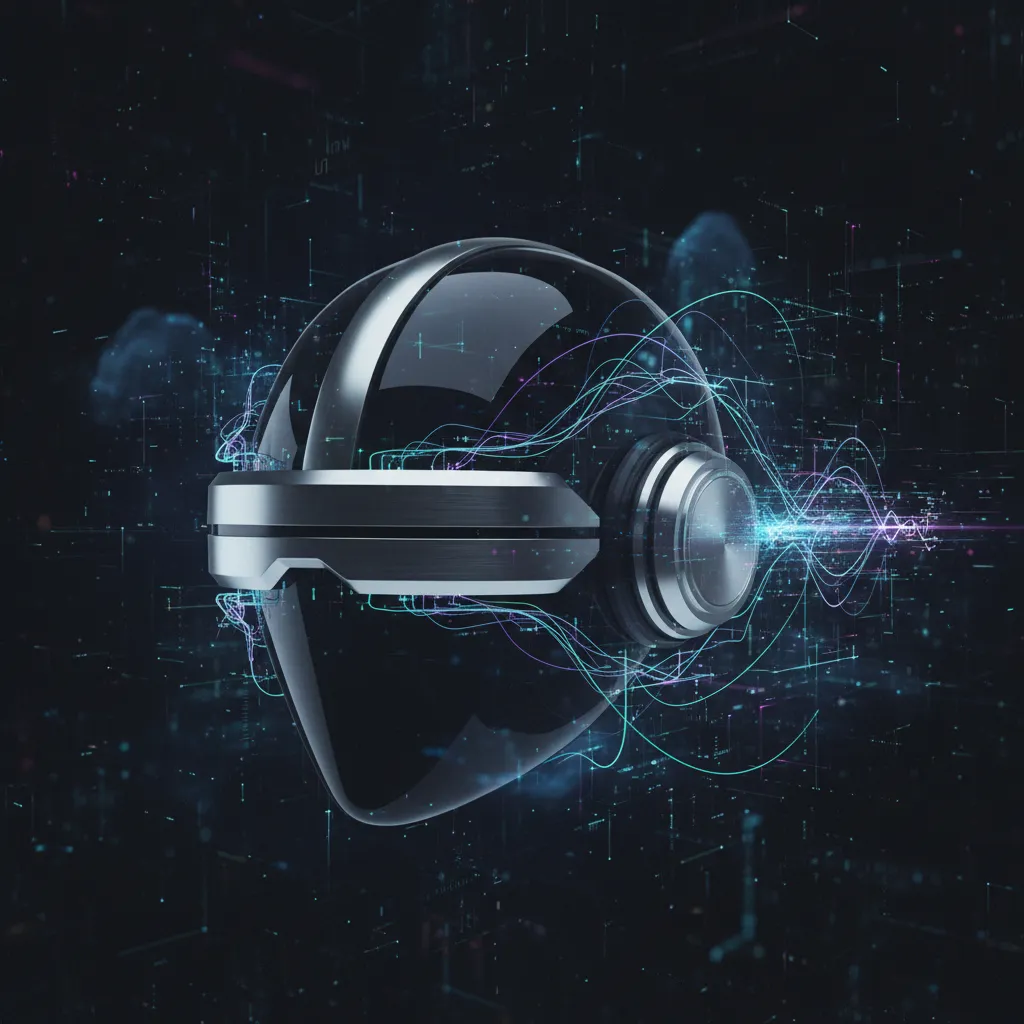
Perhaps the most futuristic element of wearable technology 2025 is the miniaturization and normalization of the brain-computer interface (BCI) for consumer use.
Early BCI and neural interface technology are focusing on non-invasive applications, primarily for measuring mental state and cognitive load:
- Focus and Attention: Headbands or smart glasses that use EEG (electroencephalography) sensors to detect when the user is distracted or in a state of deep focus.
- Mental Command: While full-scale thought control remains years away, rudimentary BCIs are enabling users to trigger simple commands (e.g., playing music, accepting a call) through focused concentration.
This area is critical to the concept of the wearable user interface—the goal is to move beyond tapping and swiping to interacting with tech using pure thought or intent.
Categorizing the Next Generation of AI-Powered Gadgets
The market is diversifying rapidly beyond the smartwatch form factor. AI-powered gadgets are becoming embedded into everyday items, prioritizing discretion and comfort.
1. The AI Smart Ring: Discreet Power
The AI smart ring is rapidly becoming one of the most popular forms of the future of wearables. Brands like Oura, and competitors entering the market, are proving that minimal form factor can deliver maximum insight.
The ring’s placement on the finger provides superior pulse wave velocity and temperature readings compared to the wrist, making it an ideal device for:
- Sleep Analysis: Highly accurate tracking of sleep stages and restorative metrics.
- Predictive Health: AI models trained on temperature and heart rate variability (HRV) can alert users to potential stress overload, incoming illness, or menstrual cycle shifts days before symptoms appear.
- Passive Interaction: Future rings will include micro-haptics and gesture control, allowing for subtle interaction with other ambient computing devices.
[Related: affordable-digital-nomad-havens-work-remotely-live-dream/]

2. Smart Glasses and Augmented Reality
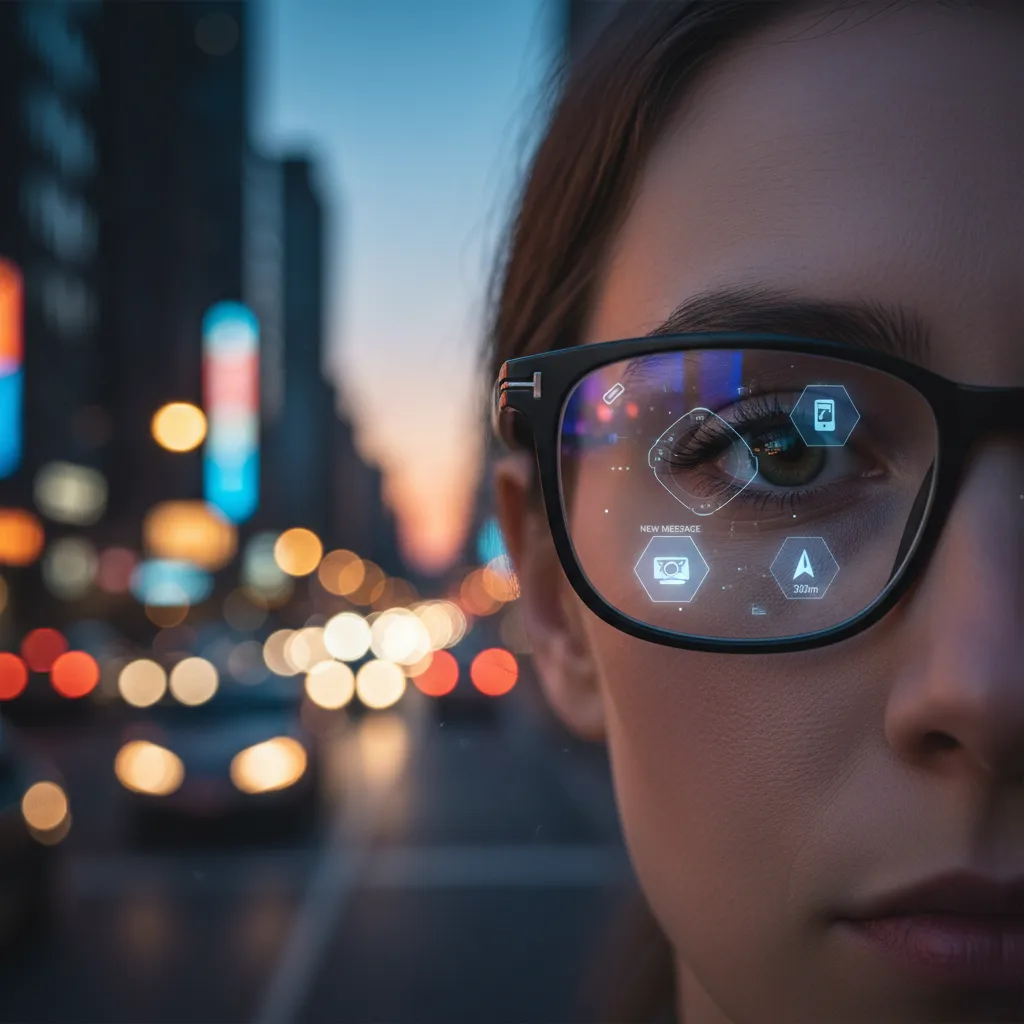
Smart glasses are transitioning from clunky developer tools into truly consumer-friendly devices. The integration of advanced AI is the key differentiator for wearable technology 2025.
These new-era augmented reality glasses feature:
- Real-time Context: Using generative AI wearables capabilities, they offer instant, relevant information based on what the user is seeing. For example, looking at a restaurant menu can prompt the AI to display customer reviews or dietary warnings in the peripheral vision.
- Spatial Computing: They enable a true wearable user interface that overlays digital information onto the real world, assisting with navigation, language translation, and complex task execution.
- AI Personal Assistants: Unlike previous generations, the embedded AI understands the user’s field of view, making for a much more natural and powerful assistant experience than voice-only interfaces.
This fusion of vision, language, and on-device AI makes smart glasses a critical component of the future of wearables.
3. Smart Textiles and Smart Clothing
We often focus on gadgets, but the most seamless wearable AI devices may soon be the clothes we wear. The rise of smart textiles and smart clothing promises continuous, undetectable monitoring.
These fabrics integrate ultra-thin, conductive fibers and washable biometric sensors to monitor large areas of the body:
- Posture Correction: Shirts can detect subtle changes in spine alignment and provide gentle haptic feedback.
- Long-Term Health Monitoring: Sleepwear can track respiration rate, movement, and temperature with clinical-grade accuracy over extended periods, providing deep data for AI health tracking.
- Athlete Performance: AI in fitness is revolutionized by smart compression gear that monitors muscle strain, hydration levels, and fatigue markers directly, preventing injury before it occurs.
The integration into smart clothing means the technology is completely ambient and frictionless—you don’t need to remember to put it on; you’re already wearing it.
[Related: sustainable-smart-homes-eco-friendly-tech/]

4. Next-Gen Smartwatches: Refined Intelligence
While the form factor of the smartwatch remains popular, next-gen smartwatches are leveraging AI to become more than just phone accessories.
The focus areas for 2025 include:
- Micro-Contextual Awareness: The watch is no longer just logging movement; it understands why you are moving—are you commuting, exercising, or stressing? This contextual data improves the accuracy of calorie burn estimations and stress scores.
- Diagnostic Capabilities: Beyond simple ECG, AI-enhanced smartwatches are gaining FDA clearances for advanced monitoring, detecting subtle physiological changes that indicate the onset of conditions long before traditional symptoms appear.
- Power Management: AI optimizes background processes, drastically improving battery life—a historical Achilles’ heel of wrist-worn devices—making multi-day wear without charging a standard feature.
AI Applications: Transforming Health, Fitness, and Productivity
The true value of AI wearables lies in the actionable intelligence they provide, moving beyond raw data to genuine behavioral change and advanced prediction.
Hyper-Personalized Health and Wellness
The future of preventative care is wearable. Health monitoring wearables are now providing comprehensive, continuous personalized data that can significantly impact longevity and quality of life.
- AI-Powered Predictive Diagnostics: Instead of waiting for an annual check-up, AI models continuously analyze subtle shifts in biomarkers (HRV, resting heart rate, sleep metrics). If the data pattern suggests an increased risk of specific events (e.g., cardiac issues, high-stress burnout), the device provides a timely, targeted warning, encouraging the user to consult a physician. [Related: ai-revolution-healthcare-diagnostics-patient-care/]
- Drug and Treatment Optimization: In collaboration with medical professionals, AI can track how a patient’s body reacts to medication in real-time. This allows for personalized dosing adjustments based on the individual’s unique circadian rhythms and metabolic response, rather than generalized guidelines.
Revolutionizing Fitness and Training
AI in fitness is moving past simple step counting toward highly sophisticated, adaptive training protocols delivered via wearable AI devices.
- Optimal Recovery Scheduling: AI understands that recovery is just as important as the workout. By monitoring sleep quality and muscle recovery signals (e.g., muscle oxygen saturation measured by smart textiles), the wearable can advise on whether today should be a high-intensity session or a mandated rest day, maximizing gains while minimizing injury risk.
- Form Correction: Integrated sensors in shoes or apparel can analyze gait and posture during exercise, providing real-time audio or haptic feedback to correct errors—a personal coach constantly analyzing your biomechanics.
- Nutritional Guidance: Combined with image recognition on smart glasses or voice input, AI wearables can suggest real-time adjustments to hydration and caloric intake based on instantaneous energy expenditure and upcoming performance needs.
The Ambient Computing Era: Humane, Rabbit, and the Future of Interaction
The launch of non-traditional wearable AI devices like the Humane AI Pin and the Rabbit R1 stirred the pot, demonstrating a growing desire for screen-less, context-aware interaction.
The Challenge of the Wearable User Interface
These products are early attempts to realize the concept of ambient computing devices. Their goal is to eliminate the friction of pulling out a phone by integrating AI personal assistants wearables directly into the environment.
- The Humane AI Pin alternative: The Pin focused heavily on a projector-based interface and sophisticated camera/mic array for real-time information. While the initial reception was mixed, it showed the potential for an AI-powered gadget dedicated solely to contextual assistance. Future competitors are focusing on integrating this AI-first approach into more familiar form factors, such as the smart glasses or AI smart ring, rather than a standalone device.
- Rabbit R1 vs wearables: The Rabbit R1, while technically pocketable rather than wearable, focuses on the L.A.M. (Large Action Model) to execute complex tasks across applications based on natural language input. The key takeaway for the future of wearables is the need for devices that don’t just answer questions, but perform actions on the user’s behalf. The next generation wearable technology will absorb this action-execution capability.
The success of these ambient computing devices will depend on achieving seamless integration, robust on-device AI performance, and a low-friction wearable user interface that feels intuitive and not intrusive.
[Related: master-your-day-10-ai-tools-to-skyrocket-your-personal-productivity/]
Integrating AI Wearables into the Digital Lifestyle
As AI wearables become ubiquitous, they won’t just track us—they will act as the hub for our entire digital and physical ecosystem.
Security and Privacy in the AI Era
With constant collection of sensitive biometric sensors data, security becomes paramount. The widespread use of on-device AI is a major step forward, as it keeps the most granular, personal data local.
However, companies producing the best AI wearables are also investing heavily in advanced encryption, anonymization techniques, and clear user controls to maintain trust. Consumers need confidence that their neural interface technology data, or their detailed AI health tracking metrics, are secure from unauthorized access.
The Future of Personalization
The ultimate promise of wearable technology 2025 is deep personalization.
Imagine a world where your AI smart ring detects a rise in your stress hormones (via EDA), and simultaneously your smart glasses receive a notification from your calendar about an upcoming high-pressure meeting. The wearable AI device proactively activates a soothing playlist (integrated with generative AI wearables to create a unique soundscape), adjusts the temperature in your smart home, and pushes a guided breathing exercise prompt to your wearable user interface. This level of integration—anticipatory, proactive, and cross-device—is the true hallmark of the future of personal tech.
Conclusion: The Era of Invisible Computing
The transition to AI wearables marks an evolution from technology as a tool to technology as a sixth sense. In 2025, wearable AI devices are becoming smarter, more subtle, and significantly more integrated into the physical body and the environment.
Whether it’s the discreet power of the AI smart ring, the augmented vision of smart glasses, or the continuous monitoring provided by smart textiles, the future of wearables is one where AI quietly and constantly optimizes our health, productivity, and connection to the world.
These ambient computing devices are not just new gadgets; they are foundational building blocks for a future where technology is responsive, predictive, and ultimately, human-centric. The shift is already underway, and the next generation wearable technology promises to be the most intimate, insightful technology we have ever encountered.
FAQs: Frequently Asked Questions About AI Wearables
Q1. What are AI wearables and how do they differ from smart devices?
AI wearables are devices like smart rings, smart glasses, or smart clothing that integrate miniaturized sensors with advanced on-device AI and machine learning capabilities. Unlike traditional smart devices that primarily track and display data, AI wearables analyze complex data patterns, make predictions, and proactively offer personalized, contextual assistance without constant reliance on a smartphone. They move beyond passive tracking to active intelligence.
Q2. How will AI smart rings change health monitoring wearables?
The AI smart ring improves health monitoring wearables by offering superior accuracy for key metrics like heart rate variability (HRV) and basal body temperature, due to its stable placement on the finger. AI models use this high-fidelity data to provide highly accurate sleep staging, detect subtle shifts indicating stress or illness days in advance, and offer personalized insights into recovery and performance, enhancing overall AI health tracking.
Q3. What is the role of the Brain-Computer Interface (BCI) in consumer wearables?
In consumer wearable technology 2025, the brain-computer interface (BCI) is primarily focused on non-invasive monitoring of cognitive and emotional states. Devices utilizing neural interface technology, such as specialized headbands or integrated sensors in smart glasses, can measure attention levels, stress load, and focus, helping users manage cognitive fatigue and optimize their productivity.
Q4. Are devices like the Humane AI Pin and Rabbit R1 considered AI wearables?
Yes, the Humane AI Pin and Rabbit R1 are early examples of ambient computing devices designed to function as AI personal assistants wearables. They represent a movement toward screen-less, context-aware interaction. While not traditional fitness trackers, they use advanced AI to perform complex actions and provide real-time information, challenging conventional form factors and setting a precedent for the future of personal tech.
Q5. What is the benefit of incorporating generative AI into wearables?
The benefit of integrating generative AI wearables is the ability to create customized, real-time output. This could mean instantly summarizing a meeting, translating a foreign language conversation displayed in augmented reality glasses, or dynamically generating a tailored training plan based on instantaneous physiological readings gathered by biometric sensors and fed to AI in fitness models.
Q6. How are smart textiles and smart clothing different from regular tech?
Smart textiles and smart clothing embed conductive fibers and unobtrusive biometric sensors directly into the fabric. This allows for continuous, comfortable, and large-area monitoring of the body (e.g., posture, respiration, muscle strain) that is often superior to single-point wrist monitoring. It is a key element of frictionless, next generation wearable technology.