AI Unleashed: Revolutionizing Drug Discovery & Medical Breakthroughs

Introduction
For decades, the journey from a nascent scientific idea to a life-saving drug has been a marathon—a grueling, expensive, and often disheartening process fraught with high failure rates. The traditional drug discovery pipeline demands immense resources, takes an average of 10-15 years, and costs billions of dollars, with no guarantee of success. This arduous path leaves countless patients waiting for effective treatments for debilitating diseases.
But what if there was a way to accelerate this intricate process, to sift through vast scientific data with unprecedented speed and accuracy, and to predict the efficacy and safety of potential drugs before they even reach a lab? Enter Artificial Intelligence (AI).
AI is no longer a futuristic concept confined to science fiction; it’s a powerful force revolutionizing medicine with AI, especially in the pharmaceutical industry. From identifying novel disease targets to designing new molecules and streamlining clinical trials, AI drug discovery is fundamentally transforming how we develop medicines. This isn’t just about efficiency; it’s about unlocking new frontiers in human health, making the impossible, possible. In this deep dive, we’ll explore how Artificial intelligence in pharma is unleashed to redefine medical breakthroughs, promising a future where innovative treatments reach patients faster and more effectively than ever before.
The Traditional Drug Discovery Dilemma: Why Innovation is Critical
To truly appreciate the seismic shift AI brings, we must first understand the landscape it seeks to transform. The conventional drug discovery and development process is a complex, multi-stage endeavor, often likened to finding a needle in a haystack—if the haystack were composed of billions of potential molecules and the needle’s properties were constantly shifting.
Here’s a snapshot of the challenges that have plagued the industry for decades:
- Astronomical Costs: Developing a new drug can cost anywhere from $1 billion to $2.6 billion, a figure that continues to climb. A significant portion of this cost is due to the high failure rate at various stages.
- Protracted Timelines: The timeline from initial research to market approval typically spans over a decade, with some projects extending to 15 years or more. This delay means patients often wait too long for desperately needed therapies.
- High Failure Rates: A staggering 90% of experimental drugs fail in clinical trials. Many compounds that show promise in early lab tests prove ineffective or unsafe in human subjects, leading to massive financial losses and setbacks.
- Data Overload: The volume of biological, chemical, and medical data generated daily is immense. Scientists struggle to manually process and extract meaningful insights from genomic sequences, proteomic profiles, and clinical records.
- Limited Predictive Power: Traditional methods often rely on educated guesses and empirical testing, which offer limited predictive power regarding how a compound will behave in the complex biological systems of the human body.
These inherent inefficiencies underscore the urgent need for disruptive innovation. Without it, the pace of medical advancement would remain constrained, leaving many diseases untreatable and countless lives unchanged. This is where the power of machine learning drug development and deep learning drug discovery steps in, offering a beacon of hope to overcome these long-standing hurdles.
Target Identification and Validation: Pinpointing Disease Vulnerabilities
The very first step in drug discovery is arguably the most crucial: identifying the specific biological targets, such as genes, proteins, or pathways, that play a key role in a disease. If you pick the wrong target, even the most brilliantly designed drug will fail. Historically, this has been a slow, painstaking process involving extensive manual experimentation and literature review.
AI is fundamentally transforming this initial, critical phase. By leveraging advanced algorithms, AI systems can analyze vast and diverse datasets—including genomic sequences, proteomic data, gene expression profiles, patient medical records, and scientific literature—with unparalleled speed and accuracy.
Here’s how AI in medical research is making a difference:
- Uncovering Novel Targets: AI can spot subtle patterns and correlations in complex biological networks that human researchers might miss. For example, by analyzing thousands of genetic profiles from patients with a particular disease, AI can identify specific genes or protein mutations that are consistently implicated, suggesting them as potential new drug targets. This capability is at the heart of AI and genomics.
- Predicting Disease Mechanisms: Beyond just identifying targets, AI can help build sophisticated models of disease progression. By integrating data from various “omics” fields (genomics, transcriptomics, proteomics, metabolomics), AI can create a holistic view of how a disease develops at a molecular level. This deep understanding allows researchers to target the most impactful points in a disease pathway. This falls under AI for disease modeling, enabling a more precise understanding of intricate biological processes.
- Prioritizing Targets for Drugability: Not all identified targets are equally “druggable” (meaning they can be effectively modulated by a small molecule or biologic drug). AI can predict the likelihood of a target being amenable to drug development, saving valuable time and resources by focusing on the most promising avenues.
- Accelerating Validation: Once a potential target is identified, it needs to be validated to ensure it truly plays a role in the disease and that modulating it will have the desired therapeutic effect. AI can integrate data from various experimental models, including in vitro and in vivo studies, to accelerate this validation process, helping researchers make more informed decisions about which targets to pursue.
The insights generated by Biotech AI solutions in this phase are revolutionizing how we understand diseases at their most fundamental level. Instead of searching blindly, AI provides a data-driven roadmap, guiding scientists toward the most promising avenues for intervention. This precision in target identification is a critical first step towards developing truly effective and innovative therapies.

Accelerating Lead Discovery and Optimization: Crafting the Right Molecules
Once a promising biological target is identified, the next challenge is to find or design a molecule—a “lead compound”—that can effectively interact with that target to produce a therapeutic effect. This phase, historically a brute-force endeavor, is now being supercharged by AI.
Virtual Screening and Drug Design
Traditional drug screening involves physically testing millions of compounds in a lab, a process that is both time-consuming and incredibly expensive. AI offers a powerful alternative: virtual screening AI.
- Sifting Through Billions of Compounds: AI algorithms can computationally screen vast chemical libraries, containing billions of potential molecules, in a fraction of the time it would take human researchers. These algorithms predict how well each compound might bind to a specific disease target based on its molecular structure and properties.
- Predicting Binding Affinity and Efficacy: Deep learning drug discovery models can learn from existing drug-target interaction data to predict the binding affinity and potential efficacy of new compounds. This allows researchers to prioritize only the most promising candidates for synthesis and experimental validation, drastically reducing the number of compounds that need to be physically tested.
- De Novo Drug Design: Beyond screening existing libraries, AI-driven drug design can generate entirely new molecular structures from scratch. Given a target, AI can design molecules with specific properties tailored to that target, optimizing for factors like potency, selectivity, and pharmacokinetic profiles (how the drug is absorbed, distributed, metabolized, and excreted). This represents a true paradigm shift in computational drug discovery, moving from discovery to invention.
- Optimizing Molecular Properties: AI is also invaluable in the lead optimization phase, where initial lead compounds are refined to improve their properties. This includes enhancing potency, reducing toxicity, improving solubility, and ensuring drug-likeness. AI molecular design helps predict these crucial parameters, guiding chemists toward optimal modifications.
Drug Repurposing: Finding New Uses for Old Drugs
One of the most exciting applications of AI is in drug repurposing AI. This involves identifying existing drugs that are already approved for one condition but could be effective in treating another. The advantages are immense:
- Reduced Risk: Repurposed drugs have already undergone extensive safety testing, meaning their toxicity profiles are well-understood. This significantly de-risks the development process.
- Accelerated Development: Since safety data is already available, the development timeline for a repurposed drug can be dramatically shortened, potentially bringing new treatments to patients years faster than developing a novel compound.
- Cost-Effectiveness: Repurposing drugs is far more cost-effective than developing entirely new ones, making it an attractive strategy, especially for rare diseases or urgent public health crises.
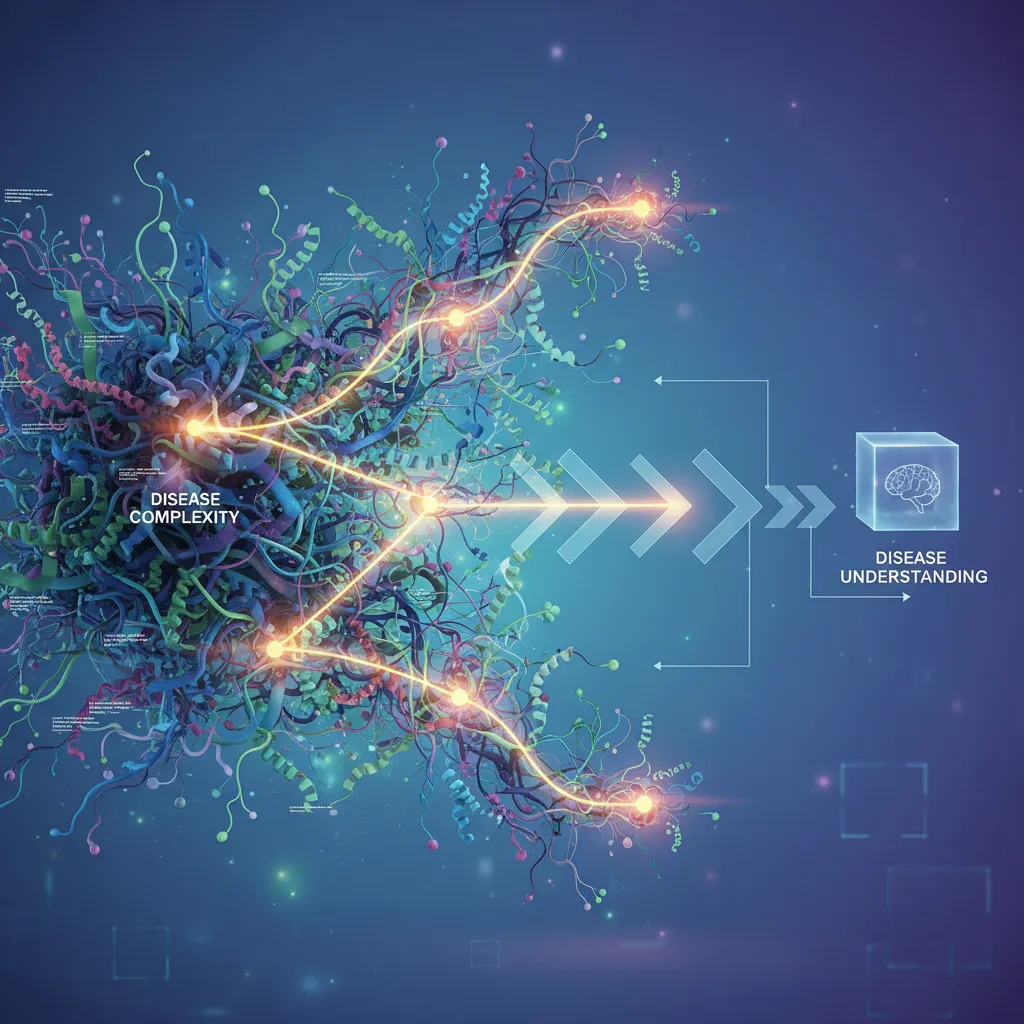
AI systems achieve this by analyzing vast datasets, including drug side effects, genetic profiles of diseases, molecular structures, and scientific literature, to find unexpected connections between existing drugs and new therapeutic indications. For instance, AI might identify that a drug used for inflammation could also be effective against a specific type of cancer due to shared molecular pathways.
Streamlining Pre-Clinical and Clinical Development
Even after a promising lead compound is identified and optimized, the path to market is still long and fraught with challenges. Pre-clinical studies test the drug in lab and animal models, followed by rigorous human clinical trials across three phases. AI is now stepping in to bring much-needed efficiency and higher success rates to these later, high-stakes stages.
Predictive Modeling for Clinical Trials
Clinical trials are the most expensive and time-consuming part of drug development, with high attrition rates. AI’s predictive capabilities are proving invaluable here:
- Patient Selection and Stratification: Identifying the right patients for a clinical trial is crucial for its success. AI can analyze electronic health records, genomic data, and other patient parameters to identify individuals who are most likely to respond positively to a drug or those who meet very specific trial criteria. This intelligent AI in clinical trials patient selection can significantly improve trial outcomes and reduce variability.
- Trial Design Optimization: AI can simulate trial scenarios and optimize parameters like dosage, treatment duration, and endpoint selection, leading to more efficient and targeted studies. This capability helps in understanding potential challenges before they arise, saving time and resources.
- Predicting Trial Outcomes: By analyzing historical clinical trial data, real-world evidence, and pre-clinical results, AI models can predict the likelihood of a drug succeeding in different phases of a trial. This allows pharmaceutical companies to make data-driven decisions about whether to continue, modify, or halt a trial, preventing costly late-stage failures. This intelligent risk assessment is key to successful pharmaceutical AI implementation.
- Monitoring and Data Analysis: During trials, AI can continuously monitor vast amounts of patient data, identifying adverse events early, tracking patient adherence, and providing real-time insights into drug efficacy. This enables quicker adjustments and more robust data collection.
Biomarker Discovery and Patient Stratification
Biomarkers—biological indicators that can be measured to assess disease presence, progression, or drug response—are critical for modern medicine. AI in biomarker discovery is accelerating this field dramatically:
- Identifying Novel Biomarkers: AI can analyze complex biological data (genomics, proteomics, metabolomics, imaging data) to identify new biomarkers that predict disease susceptibility, progression, or response to specific treatments. These insights are vital for both diagnostics and therapeutic development.
- Personalized Dosing and Treatment: Once biomarkers are identified, AI can help stratify patient populations, allowing for more precise dosing and tailored treatment regimens. This moves us closer to a future where medicine is truly personalized, ensuring that the right patient receives the right treatment at the right time.
- Early Disease Detection: AI-powered diagnostics can leverage these biomarkers for earlier and more accurate disease detection, often before symptoms become apparent. This early intervention can dramatically improve patient outcomes for many conditions.
By integrating these AI capabilities, the entire drug development process becomes more intelligent, predictive, and agile, leading to accelerating drug discovery with AI and ultimately bringing life-changing medications to patients faster.

The Dawn of Precision and Personalized Medicine with AI
The ultimate goal of medical innovation is to move beyond a “one-size-fits-all” approach to healthcare. Precision medicine AI aims to tailor medical treatment to the individual characteristics of each patient, considering their genes, environment, and lifestyle. AI is not just an enabler of this vision; it’s the very engine driving it forward.
- Understanding Individual Variabilities: Every person is unique at a molecular level. Our genetic makeup, microbiome, environmental exposures, and lifestyle choices all influence how we respond to disease and medication. AI excels at processing and integrating these multi-modal data points on a massive scale. By analyzing a patient’s entire profile—from their DNA (leveraging AI and genomics) to their electronic health records and even wearable device data—AI can identify subtle patterns that predict individual risk for disease, disease progression, and most importantly, their likely response to specific therapies.
- Optimizing Treatment Regimens: For a patient diagnosed with cancer, for example, AI can analyze the tumor’s genetic mutations, compare them against vast databases of drug responses, and recommend the most effective targeted therapy or combination of therapies. This capability in AI in personalized medicine significantly improves treatment efficacy and minimizes adverse side effects, moving beyond trial-and-error approaches.
- Predicting Drug Response and Adverse Events: AI models can predict not only which patients will respond well to a drug but also which ones might experience severe side effects. This foresight allows clinicians to proactively adjust treatment plans, ensuring patient safety and improving overall care.
- Continuous Monitoring and Adaptive Treatment: With the rise of digital health tools and wearables, patients can generate a continuous stream of health data. AI can monitor this data in real-time, detecting early signs of disease recurrence, treatment non-adherence, or emerging complications. This allows for adaptive treatment strategies, where interventions are adjusted dynamically based on the patient’s evolving health status. This proactive and highly individualized approach is a hallmark of AI-driven therapeutics.
- Pharmacogenomics in Action: A critical component of personalized medicine is pharmacogenomics—studying how genes affect a person’s response to drugs. AI can analyze an individual’s genetic variations to predict how quickly they will metabolize a particular drug, whether they will experience adverse reactions, or if a standard dose will be effective. This allows for personalized dosing and drug selection, particularly in areas like oncology, psychiatry, and cardiology. [Related: AI in healthcare: revolutionizing personalized medicine]
The integration of AI into precision medicine promises a future where healthcare is not just reactive but profoundly predictive and personalized. It’s about delivering the right intervention to the right patient at precisely the right time, fundamentally changing the patient experience and improving health outcomes globally.
Addressing Grand Challenges: Rare Diseases and Vaccine Development
Beyond the everyday pharmaceutical challenges, AI is proving to be an indispensable tool in tackling some of humanity’s most daunting medical hurdles: rare diseases and the urgent need for rapid vaccine development during global health crises.
AI for Rare Diseases: Unlocking Treatments for the Underserved
Rare diseases, by definition, affect a small percentage of the population, often making them less attractive for traditional drug development due to limited market size and complex, varied presentations. This leads to a significant unmet medical need for millions worldwide. AI for rare diseases is changing this narrative:
- Accelerating Diagnosis: Many rare diseases go undiagnosed for years, leading to delayed or incorrect treatments. AI can analyze subtle patterns in patient data, including clinical symptoms, genetic information, and imaging results, to rapidly and accurately diagnose rare conditions, often long before human experts might.
- Identifying Therapeutic Targets: The molecular mechanisms of rare diseases are often poorly understood. AI can sift through fragmented scientific literature, patient registries, and genomic data to identify potential disease targets and pathways that could be amenable to therapeutic intervention.
- Drug Repurposing for Orphan Drugs: As discussed earlier, drug repurposing is a powerful strategy for rare diseases. AI can efficiently scan existing drug libraries and connect them with rare disease mechanisms, offering a faster and less costly path to developing “orphan drugs” (drugs developed specifically for rare diseases). This leverages existing safety data, expediting the entire process.
- Predicting Efficacy and Toxicity: With limited patient populations, clinical trials for rare diseases are particularly challenging. AI can use computational modeling to predict drug efficacy and potential toxicity in specific rare disease contexts, helping researchers prioritize the most promising candidates for limited human trials.
AI in Vaccine Development: A Rapid Response to Global Threats
The COVID-19 pandemic starkly illustrated the critical need for rapid vaccine development. AI is now at the forefront of this crucial field, drastically compressing timelines and enhancing efficacy:
- Antigen Design and Optimization: AI can analyze viral genomes and protein structures to identify the most effective antigens (parts of the virus that trigger an immune response) for vaccine development. It can predict which molecular structures will elicit the strongest and most protective immune responses.
- Accelerated Pre-clinical Testing: AI models can simulate viral infections and evaluate the potential efficacy of vaccine candidates in silico, reducing the need for extensive animal testing and significantly speeding up the pre-clinical phase.
- Manufacturing Optimization: AI can optimize manufacturing processes for new vaccines, predicting the best conditions for yield and stability, which is vital for rapid, large-scale production during a pandemic.
- Predicting Vaccine Efficacy and Safety: By analyzing epidemiological data and viral mutations, AI can help predict how effective a vaccine will be against emerging variants and identify potential side effects early in development. This ability to adapt and respond quickly is paramount for global health security, making AI in vaccine development a game-changer.
Through these applications, AI is not only providing hope for those affected by rare diseases but also fortifying our defenses against future global health threats, showcasing its profound impact across the entire spectrum of medical breakthroughs.
Navigating the Ethical Landscape and Future Outlook
While the promise of AI in drug discovery and medical breakthroughs is immense, its integration is not without challenges. Thoughtful consideration of ethical implications and a clear vision for the future are paramount to harnessing its full potential responsibly.
Ethical AI in Drug Development: Responsibility and Fairness
The power of AI comes with significant ethical responsibilities. As AI systems become more autonomous and influential in decision-making, it’s crucial to address potential pitfalls:
- Bias in Data and Algorithms: AI models are only as good as the data they are trained on. If historical clinical data is skewed towards certain demographics, AI might inadvertently perpetuate or even amplify existing health disparities, leading to less effective treatments for underrepresented populations. Ensuring diverse and representative datasets is an ongoing challenge.
- Transparency and Explainability (XAI): Many advanced AI models, particularly deep learning networks, operate as “black boxes,” making it difficult for humans to understand how they arrive at their conclusions. In drug development, where patient lives are at stake, the ability to interpret and explain AI’s recommendations is critical for trust and accountability. Developing ethical AI in drug development requires a focus on explainable AI (XAI).
- Data Privacy and Security: The use of vast amounts of sensitive patient data for AI training raises significant concerns about privacy and security. Robust regulatory frameworks and advanced encryption technologies are essential to protect patient information.
- Human Oversight and Accountability: While AI can augment human capabilities, it should not replace human judgment entirely. Establishing clear lines of accountability for AI-driven decisions in drug development and clinical practice is vital. Who is responsible if an AI-designed drug has unforeseen consequences?
- Equitable Access: As AI-driven therapies become more advanced and potentially expensive, there’s a risk of widening health inequalities. Ensuring equitable access to these transformative technologies and treatments globally will be a major ethical challenge.
The Future of Drug Discovery: A Synergistic Approach
Despite these challenges, the trajectory of the future of drug discovery with AI is undeniably upward. We are moving towards a symbiotic future where AI and human ingenuity coalesce, creating a more efficient, precise, and patient-centric pharmaceutical ecosystem.
- Integration of Multi-Omics and Real-World Evidence: AI will increasingly integrate data from genomics, proteomics, metabolomics, epigenomics, and real-world evidence (RWE) from electronic health records, wearables, and patient registries. This holistic data landscape will enable more comprehensive disease modeling and drug response prediction.
- Advanced AI Architectures: Expect to see further advancements in AI architectures, including quantum computing’s potential to simulate molecular interactions with unprecedented accuracy, accelerating discovery at a fundamental level. Generative AI will become even more sophisticated in designing novel molecules with desired properties.
- Robotics and Automation in Labs: AI will continue to drive automation in laboratories, from high-throughput screening to automated synthesis, freeing human researchers to focus on hypothesis generation, experimental design, and interpretation.
- Digital Twins and In Silico Trials: The concept of “digital twins”—virtual replicas of patients or organs—could allow for in silico clinical trials, significantly reducing the need for animal testing and accelerating human trials by predicting individual responses to drugs.
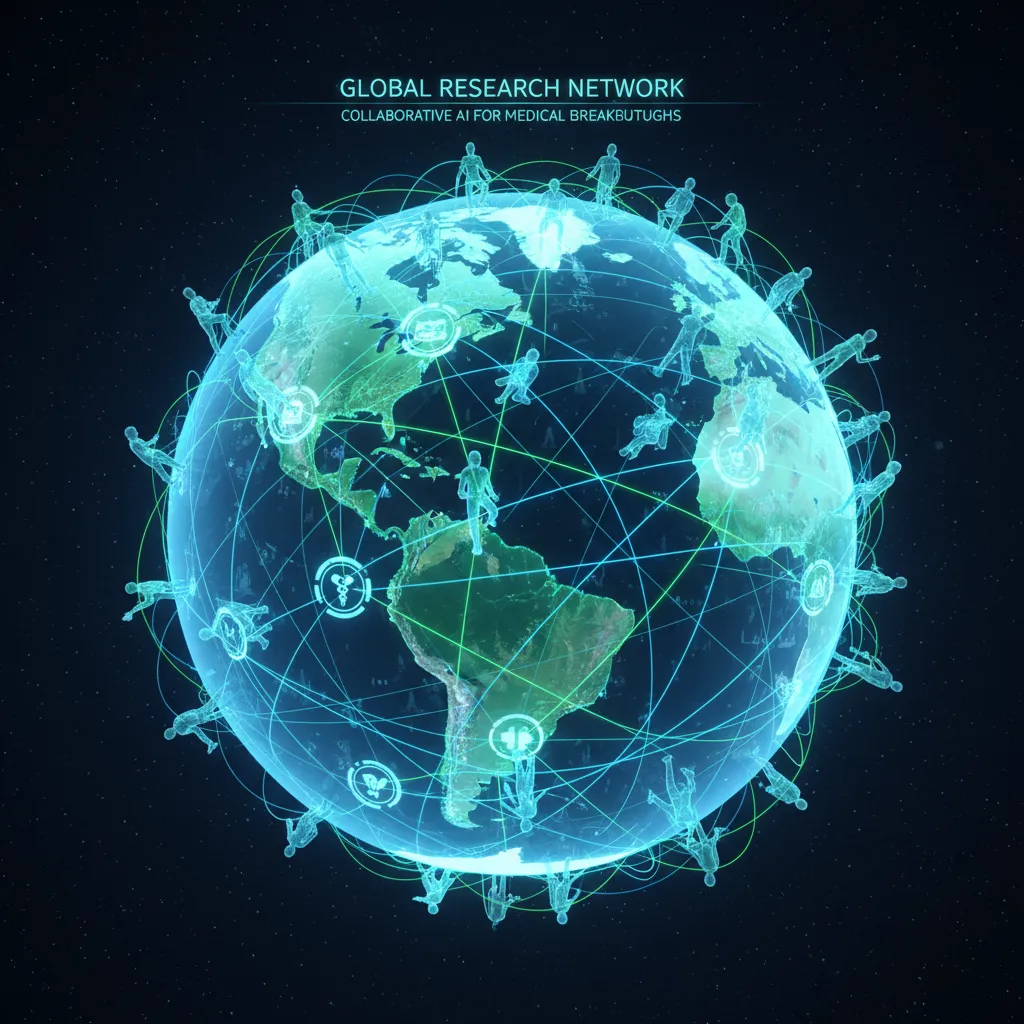
- Global Collaboration and Data Sharing: The future will likely see increased global collaboration, with AI platforms facilitating the secure sharing and analysis of diverse datasets across research institutions and pharmaceutical companies, fostering a collective approach to revolutionizing medicine with AI.
The journey ahead involves navigating these ethical considerations with care and foresight, ensuring that technological progress serves humanity’s best interests. However, one thing is clear: AI is not merely optimizing the existing drug discovery pipeline; it is fundamentally redefining it, paving the way for a new era of medical breakthroughs.
Conclusion
The traditional drug discovery process, with its protracted timelines, exorbitant costs, and high failure rates, has long been a formidable barrier to rapidly bringing life-saving treatments to patients. However, the advent of Artificial Intelligence has ushered in an unprecedented era of innovation, fundamentally revolutionizing drug discovery & medical breakthroughs.
From the earliest stages of AI drug discovery, where algorithms analyze vast biological and genetic datasets to pinpoint novel disease targets, to the intricate process of AI-driven drug design and virtual screening AI, AI is proving to be an indispensable partner. It’s not just about speed; it’s about precision. Machine learning drug development is enabling scientists to craft molecules with unprecedented accuracy, predict their interactions within the human body, and even drug repurposing AI to find new uses for existing medicines, slashing development times and costs.
Furthermore, AI in clinical trials is streamlining the most expensive and time-consuming phase of drug development. By optimizing patient selection, predicting trial outcomes, and identifying crucial biomarkers, AI helps reduce failure rates and accelerate the journey from lab to patient. This intelligence extends to precision medicine AI and AI in personalized medicine, promising a future where treatments are tailored to individual genetic makeups, ensuring higher efficacy and fewer side effects. Even grand challenges like AI for rare diseases and AI in vaccine development are now within more immediate reach, offering hope where previously there was little.
The future of drug discovery is undeniably intertwined with AI. While navigating the crucial ethical considerations of data bias, privacy, and explainability is paramount, the synergistic collaboration between human experts and intelligent algorithms promises a future where medical innovation is faster, more efficient, and more equitable.
The journey is complex, but the destination—a healthier, more vibrant future where debilitating diseases are conquered and medical breakthroughs become the norm—is within reach, all thanks to the relentless power of AI unleashed.
FAQs
Q1. How is AI transforming drug discovery?
AI is transforming drug discovery by accelerating nearly every stage of the process. It enhances target identification by analyzing vast biological data, speeds up lead compound discovery through virtual screening and de novo design, facilitates drug repurposing, optimizes clinical trial design and patient selection, and drives the development of personalized medicines. This leads to faster, more efficient, and more successful drug development.
Q2. What are the key benefits of using AI in pharmaceutical research?
The key benefits include significantly reducing the time and cost associated with drug development, improving the success rates of new drug candidates, enabling the discovery of novel therapeutic targets and molecules, facilitating drug repurposing, enhancing personalized medicine approaches, and providing more accurate predictive insights throughout the research pipeline.
Q3. Can AI really accelerate clinical trials?
Yes, AI can significantly accelerate clinical trials. It achieves this by precisely identifying eligible patients, optimizing trial designs for efficiency, monitoring patient data in real-time to detect adverse events or efficacy signals, and predicting the likelihood of success for a drug in different trial phases. This minimizes delays and increases the probability of bringing drugs to market faster.
Q4. What is AI’s role in personalized medicine?
AI plays a pivotal role in personalized medicine by analyzing an individual’s unique genetic profile, lifestyle, environmental factors, and medical history. It uses this comprehensive data to predict disease risk, forecast drug responses, identify optimal treatments, and tailor dosages, ensuring that each patient receives the most effective and safest therapy for their specific condition.
Q5. What are the ethical considerations for AI in drug development?
Key ethical considerations include ensuring data privacy and security, addressing potential biases in AI algorithms and training data that could lead to health disparities, ensuring transparency and explainability in AI decision-making (especially for “black box” models), establishing clear human oversight and accountability for AI-driven outcomes, and promoting equitable access to AI-enabled therapies.
Q6. How does AI contribute to drug repurposing?
AI contributes to drug repurposing by rapidly identifying existing, approved drugs that can be used to treat new diseases. It achieves this by analyzing vast datasets including molecular structures, drug side effects, genetic profiles of diseases, and scientific literature to uncover novel connections and predict which established drugs might be effective against different conditions, thereby saving immense time and cost.
Q7. What is the future outlook for AI in medical breakthroughs?
The future outlook is highly optimistic, with AI expected to deepen its integration across all phases of medical research. This includes advanced AI architectures for molecular simulation, further automation in laboratories, the development of “digital twins” for in silico trials, and enhanced global data sharing platforms. AI will continue to drive a synergistic approach, combining with human expertise to unlock unprecedented medical breakthroughs and address complex global health challenges.