AI Tutors: Unlocking Student Potential with Adaptive Learning Paths

Introduction
In a traditional classroom of thirty students, a single teacher faces an impossible task: catering to thirty unique learning speeds, styles, and knowledge gaps. It’s a one-size-fits-all model in a world that thrives on personalization. Some students get left behind, while others are held back, waiting for the class to catch up. But what if every student could have a dedicated, infinitely patient, and incredibly knowledgeable mentor available 24/7? This is the promise of AI tutors, a groundbreaking shift in educational technology set to redefine how we learn.
This isn’t science fiction anymore. We’re witnessing the rise of intelligent tutoring systems and smart learning systems that don’t just present information but actively adapt to each user. These platforms are at the forefront of the future of education AI, creating adaptive learning paths that guide students through complex subjects at their own pace. This article dives deep into the world of AI-driven education, exploring how these virtual tutors work, the transformative benefits they offer, and how they are poised to unlock unprecedented student potential. Get ready to explore the new frontier of personalized learning.
What Exactly Are AI Tutors? Beyond Glorified Chatbots
When you hear “AI tutor,” you might picture a simple Q&A chatbot or a glorified search engine. The reality is far more sophisticated. True AI tutors, often referred to as Intelligent Tutoring Systems (ITS), are complex software designed to simulate the guidance and feedback of a skilled human educator. They go far beyond providing answers; they aim to teach the underlying concepts and foster genuine understanding.
At their core, these systems are built on three crucial pillars:
- The Expert Model: This component holds the knowledge of the subject being taught. It contains the facts, concepts, problem-solving strategies, and common misconceptions within a specific domain, like algebra or biology.
- The Student Model: This is the brains of the personalization engine. It builds a dynamic profile of each learner, tracking their correct answers, mistakes, hesitation times, and the hints they require. It essentially “learns the learner.”
- The Tutoring Model: This component acts as the teacher. Using information from the student model, it decides what to do next. Should it present a new problem? Offer a targeted hint? Provide a detailed explanation of a recurring error? Or perhaps switch to a different teaching strategy altogether?
Unlike a static textbook or video lecture, an AI-based learning platform is in a constant state of dialogue with the student. It’s this interactive, adaptive loop that separates a true virtual tutor from a simple information-delivery tool.
The Engine of Personalization: How AI Creates Adaptive Learning Paths
The magic of AI tutors lies in their ability to answer the question: “What does this specific student need to learn right now?” This is the essence of adaptive learning. The system doesn’t follow a rigid, linear curriculum; it carves out a unique educational journey for every user. Here’s how this remarkable process unfolds.
Step 1: Continuous Data Collection and Analysis
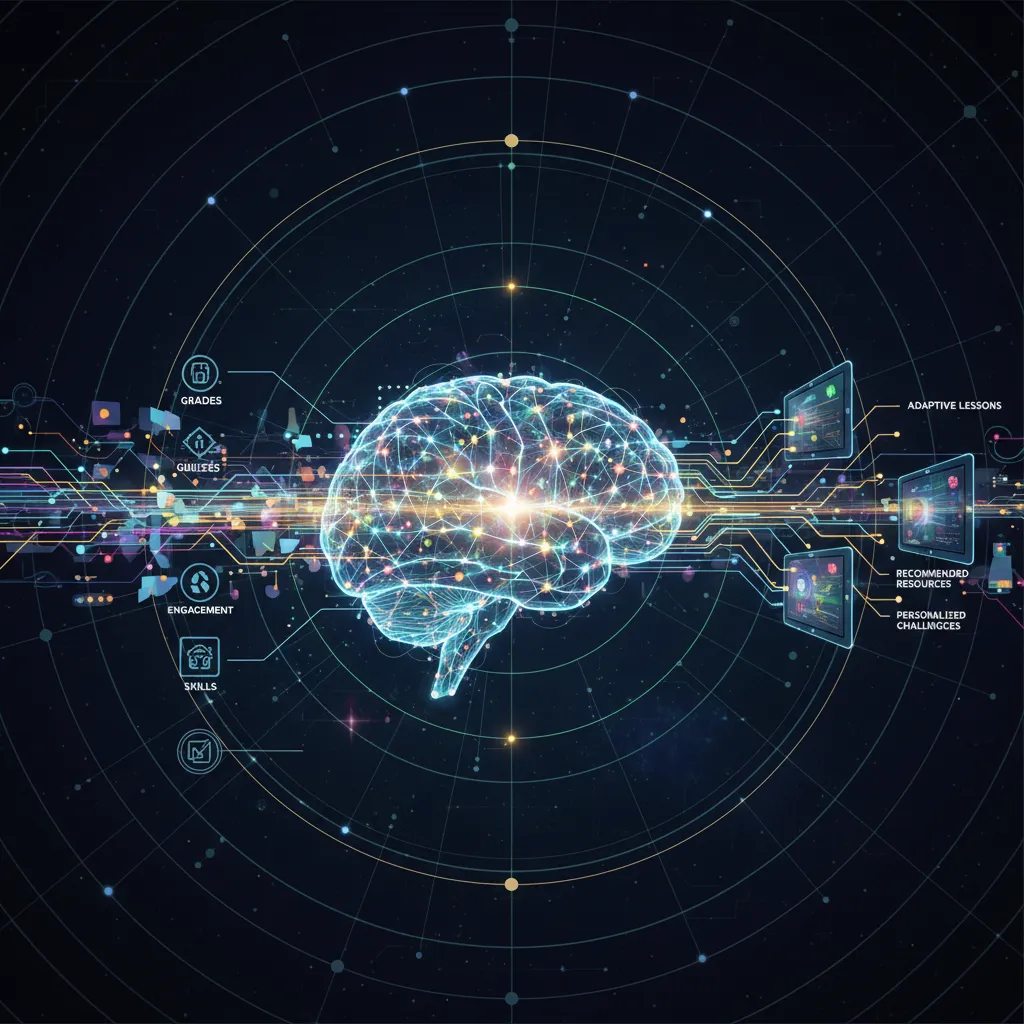
Every click, every answer, every pause is a data point. An AI tutor meticulously gathers information as a student interacts with the material. This isn’t just about whether an answer is right or wrong. The system analyzes:
- Error Patterns: Is the student consistently making the same type of mistake in algebraic equations?
- Time to Mastery: How long does it take the student to grasp a new concept?
- Hint Dependency: How often do they need a nudge in the right direction?
- Content Engagement: Which types of resources (videos, text, interactive simulations) does the student prefer?
This vast stream of information is processed by sophisticated learning analytics AI algorithms to build a rich, multi-dimensional understanding of the student’s knowledge.
Step 2: Building a Dynamic Student Profile
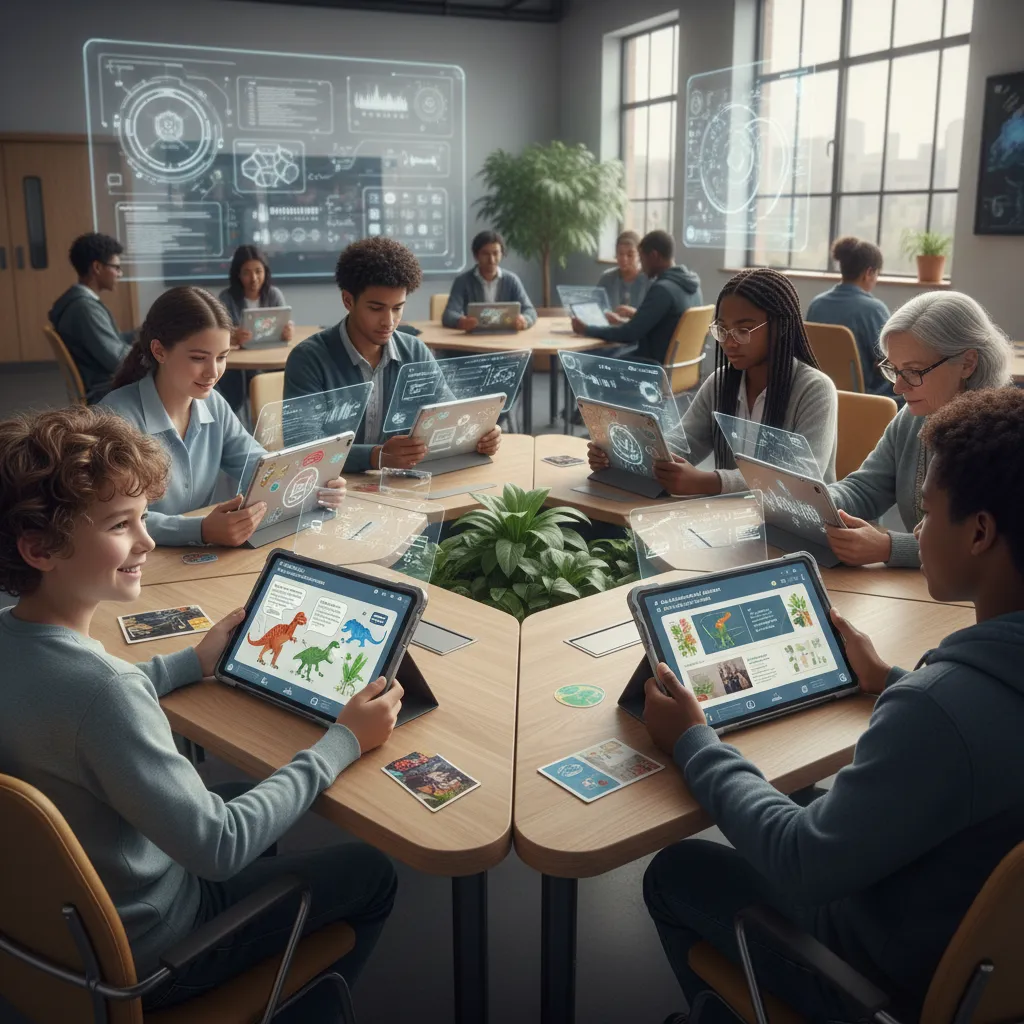
From the collected data, the AI constructs a detailed, evolving profile of the learner. This profile maps out their precise strengths and weaknesses. It might identify that a student is excellent at geometry but struggles with fractions, or that they understand the theory of photosynthesis but can’t apply it to practical problems. This granular insight allows the system to create truly personalized study plans.
Step 3: Tailoring Content and Difficulty in Real-Time
This is where the adaptation happens. Based on the student’s profile, the AI powered curriculum adjusts on the fly.
- Struggling with a concept? The system will break it down into smaller, more manageable steps, offer foundational exercises, and provide different explanatory resources until mastery is achieved. This is known as “scaffolding.”
- Excelling and getting bored? The AI will introduce more challenging problems, advanced concepts, or enrichment activities to keep the student engaged and stimulated.
- Prefer visual learning? The platform might prioritize video explanations and interactive diagrams over dense text.
This creates customized learning experiences that are perfectly calibrated to the individual’s “zone of proximal development”—the sweet spot where learning is most effective. [Related: AI Tools Revolutionizing Everyday Productivity]
The Transformative Benefits of AI Tutors in Modern Education
The shift towards tailored education technology isn’t just a novelty; it brings tangible, game-changing advantages that address some of the most persistent challenges in education.
True 1-on-1 Personalized Learning at Scale
For centuries, one-on-one tutoring has been the gold standard of education, but it’s a luxury few can afford. AI tutors democratize this experience. They provide every student with an individualized learning companion, effectively scaling the benefits of personal instruction to millions. This is crucial for AI for academic success, as it ensures no student is overlooked in a crowded classroom.
Immediate, Constructive Feedback
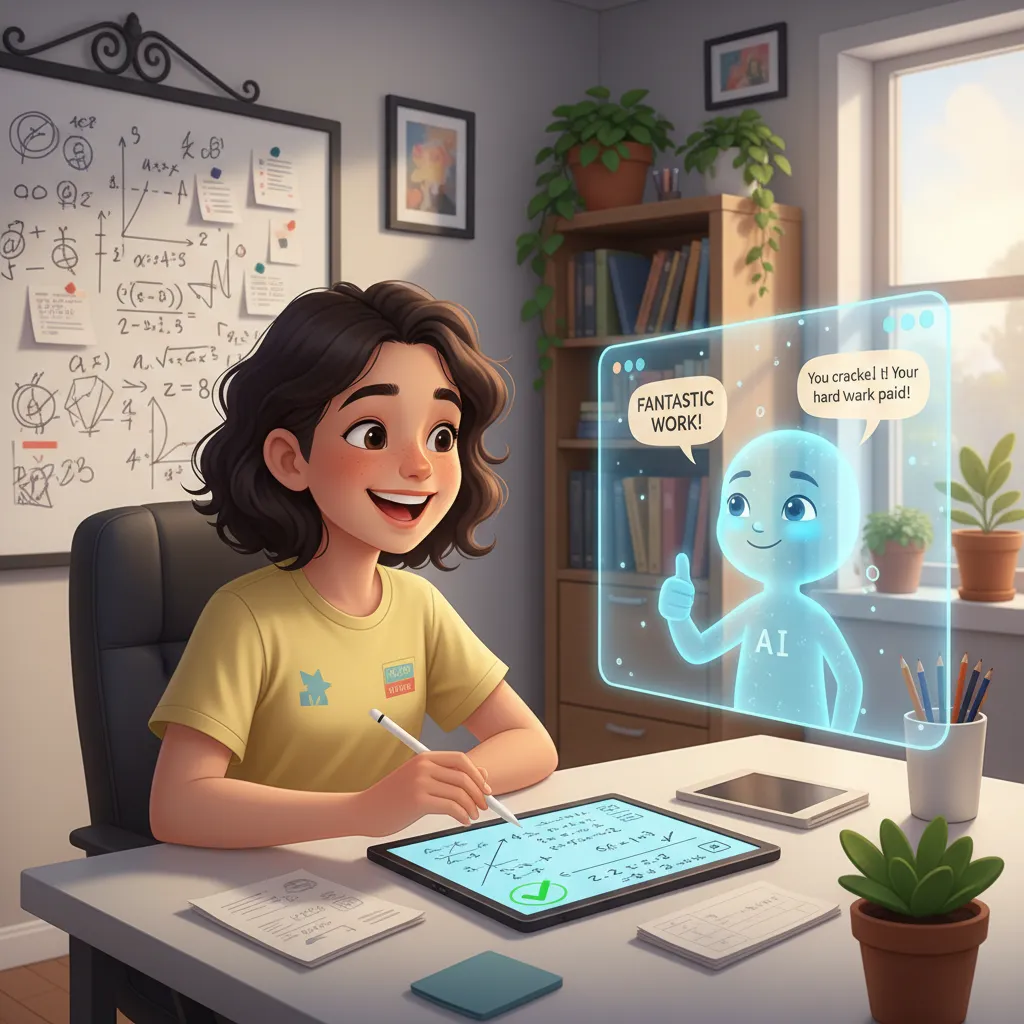
In a traditional setting, a student might have to wait a day or even a week to get feedback on their homework. By then, the context is lost, and misconceptions can become ingrained. AI learning platforms provide instant, actionable feedback. If a student makes a mistake, the system can immediately explain why it was a mistake and guide them toward the correct approach, reinforcing learning when it matters most.
Boosting Student Engagement and Confidence
The fear of being wrong in front of peers can be a major barrier to learning. AI tutors create a private, judgment-free zone where students can make mistakes, ask “silly” questions, and learn at their own pace without anxiety. Many platforms incorporate gamified learning AI elements—points, badges, and progress bars—to make learning feel more like a rewarding game, which significantly boosts motivation and confidence.
Accessibility and Flexibility
Learning is no longer confined to the classroom schedule. With online tutoring AI, students can get AI homework help or study a new topic late at night, on the bus, or during a study hall. This 24/7 accessibility provides invaluable AI student support, catering to different lifestyles and schedules, and empowering students to take control of their own education.
Unlocking Deeper Insights for Educators
Paradoxically, one of the greatest benefits of AI tutors is how they empower human teachers. The learning analytics AI dashboard can provide an educator with a bird’s-eye view of their entire class’s progress, instantly highlighting which students are struggling and with which specific concepts. This frees teachers from hours of grading and allows them to focus their time on targeted interventions, small group instruction, and fostering higher-order skills like creativity and collaboration. [Related: AI’s Role in Preventative Healthcare: A Personalized Path to Wellness]
AI Tutors in Action: Real-World Platforms Leading the Charge
The theory behind intelligent tutoring systems is compelling, but where can we see this technology at work today? Several innovative companies are already making a significant impact.
- Khanmigo by Khan Academy: Perhaps the most well-known example, Khanmigo is an educational AI assistant that acts as both a student tutor and a teacher’s assistant. It doesn’t just give answers; it guides students through problems using the Socratic method, prompting them with questions to help them think critically and arrive at the solution themselves.
- Duolingo Max: The popular language-learning app uses GPT-4 to power two key features: “Explain My Answer,” which provides detailed breakdowns of grammar and mistakes, and “Roleplay,” an interactive AI conversation partner that allows users to practice their new language skills in realistic scenarios.
- Quizlet Q-Chat: Building on its famous digital flashcards, Quizlet’s Q-Chat is an adaptive tutor that can turn study materials into interactive quizzes, challenge students with new questions, and help them achieve a deeper understanding of their subjects.
- Carnegie Learning’s MATHia: A pioneer in this space, MATHia is a sophisticated AI tutor software for mathematics that has been developed over decades of research. It provides a 1-to-1 coaching experience that adapts to each student’s unique learning process, helping them build deep conceptual understanding.
These platforms are just the beginning, representing the vanguard of EdTech innovations that are making personalized learning a practical reality.
The Evolving Role of the Human Teacher in an AI-Driven Classroom
A common fear surrounding AI in teaching is that it will make human educators obsolete. The reality is far more nuanced and, frankly, more exciting. AI tutors are not here to replace teachers but to augment their capabilities, freeing them to do what they do best.
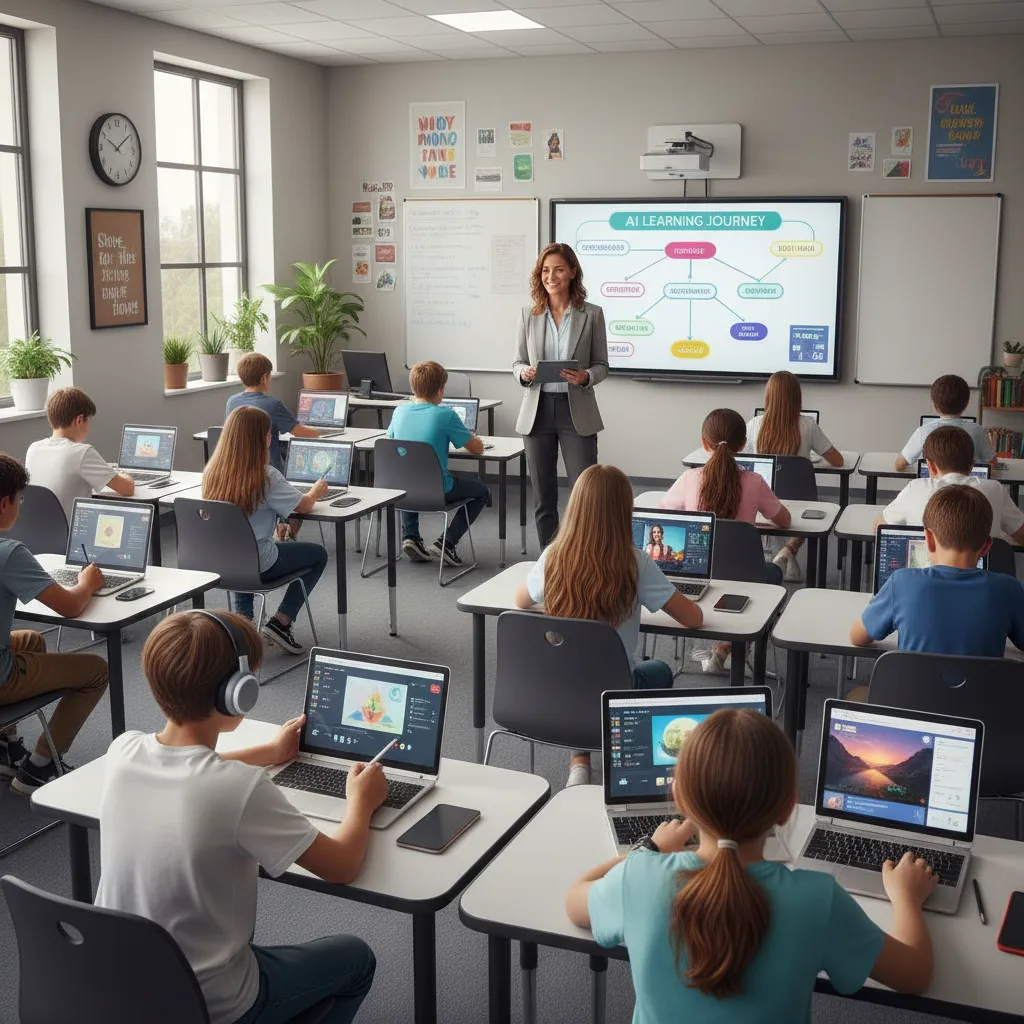
The role of the teacher is shifting from being the “sage on the stage” (the primary source of information) to the “guide on the side” (a facilitator of learning). While AI can handle the personalized instruction of core concepts and skills, teachers can focus on:
- Higher-Order Thinking: Fostering creativity, critical thinking, collaboration, and communication skills—areas where human mentorship is irreplaceable.
- Social-Emotional Learning (SEL): Providing emotional support, building relationships, and mentoring students.
- Project-Based Learning: Guiding complex, hands-on projects that require real-world problem-solving.
- Personalized Interventions: Using the data from AI learning platforms to identify and provide targeted support to students who need it most.
In this model, technology and teachers collaborate. The AI provides the personalized content delivery and practice, while the teacher provides the context, inspiration, and human connection essential for holistic development. [Related: AI in Cybersecurity: Revolutionizing Defense and Threat Detection]
Navigating the Challenges and Ethical Considerations
Like any powerful technology, the rise of AI-driven education comes with challenges that must be addressed thoughtfully and proactively.
- Data Privacy and Security: Smart learning systems collect vast amounts of data on student performance. It is crucial to have robust regulations and transparent policies about how this data is stored, used, and protected to prevent misuse.
- Algorithmic Bias: AI models are trained on data, and if that data reflects existing societal biases, the AI can perpetuate or even amplify them. Ensuring fairness and equity in AI powered curriculum is a critical ongoing challenge.
- The Digital Divide: Not every student has access to the high-speed internet and modern devices required to use these AI education tools. We must ensure that these EdTech innovations bridge equity gaps rather than widen them.
- Over-reliance and Critical Thinking: There’s a risk that students could become too dependent on AI homework help, using it as a shortcut to get answers rather than a tool to learn. A healthy balance must be struck to ensure students still develop independent problem-solving and critical-thinking skills.
The Future is Now: What’s Next for AI in Education?
The field of educational AI is evolving at a breathtaking pace. The educational technology trends we see today are just a glimpse of what’s to come. We can anticipate even more sophisticated systems that will further personalize the learning experience.
Future AI tutors may be able to detect a student’s emotional state—like frustration or boredom—through webcam analysis and adjust their teaching strategy accordingly. We’ll see deeper integration with immersive technologies like VR and AR, allowing a biology student to virtually dissect a frog or a history student to walk through ancient Rome. The focus on future skills education will also grow, with AI mentors helping individuals of all ages navigate career changes and engage in lifelong learning to stay relevant in a rapidly changing job market.
Conclusion
The one-size-fits-all model of education is finally giving way to a new paradigm—one that is dynamic, responsive, and deeply personal. AI tutors and adaptive learning technologies are no longer a distant dream but a powerful reality, offering a scalable solution to the age-old challenge of meeting every student’s individual needs. By providing immediate feedback, fostering a safe learning environment, and creating truly customized learning experiences, these tools are unlocking student potential on an unprecedented scale.
The journey ahead involves careful navigation of ethical challenges and a thoughtful redefinition of the teacher’s role. But the destination is clear: a future where technology and humanity collaborate to create a more equitable, engaging, and effective educational landscape for all. The future of education AI is not about replacing the human element but empowering it, ensuring every learner has the support they need to succeed.
FAQs
Q1. What is an AI tutor?
An AI tutor, or Intelligent Tutoring System (ITS), is a sophisticated software program designed to provide personalized instruction, feedback, and guidance to students without the need for a human teacher. It uses artificial intelligence to adapt its teaching methods and curriculum to each student’s individual learning pace, strengths, and weaknesses.
Q2. How effective are AI tutors?
Research has shown that AI tutors can be highly effective. Studies indicate they can significantly improve student test scores, engagement, and confidence by providing immediate, personalized feedback and allowing students to learn at their own pace. Their effectiveness is highest when used to supplement, not replace, traditional classroom instruction.
Q3. How does AI personalize learning?
AI personalizes learning primarily through data analysis. It tracks a student’s interactions—correct answers, errors, time spent on tasks—to build a unique learner profile. Based on this profile, the AI’s algorithms then create an adaptive learning path, adjusting the difficulty of questions, providing targeted hints, and recommending specific resources to address knowledge gaps.
Q4. Can AI replace human tutors?
While AI tutors are powerful tools, they are unlikely to fully replace human tutors. AI excels at providing systematic instruction and practice for well-defined subjects. However, human tutors provide empathy, mentorship, and the ability to teach complex, nuanced skills like creativity and critical analysis, which AI currently cannot replicate. The future is a collaborative model.
Q5. What are the disadvantages of AI in education?
The main disadvantages include the risk of algorithmic bias perpetuating inequalities, concerns over student data privacy, and the potential for a “digital divide” where not all students have equal access to the necessary technology. There is also a risk of students becoming over-reliant on AI for answers, potentially hindering the development of independent problem-solving skills.
Q6. What is an example of an intelligent tutoring system?
A prominent example is Khan Academy’s Khanmigo. It functions as an AI learning platform that doesn’t just provide answers but engages students in a Socratic dialogue, asking guiding questions to help them think through problems and discover the solutions themselves, fostering deeper conceptual understanding.
Q7. How does AI help students with homework?
AI helps with homework by acting as a 24/7 virtual tutor. Instead of just giving out the final answer, AI homework help tools can break down a difficult problem into smaller steps, explain the underlying concepts, provide similar practice questions, and offer immediate feedback on a student’s work to correct misunderstandings in real-time.