Unlock Inner Peace: AI Tools for Personal Wellness & Mental Health

Introduction
In an increasingly fast-paced world, the quest for inner peace and robust mental health has never been more vital. We juggle demanding careers, personal responsibilities, and the constant digital hum, often leaving little room for self-care. But what if cutting-edge technology could offer a supportive hand? Enter the fascinating realm where artificial intelligence (AI) converges with personal wellness and mental health.
Far from being a dystopian concept, AI is rapidly emerging as a powerful ally in our journey toward a more balanced and fulfilling life. From sophisticated sleep tracking AI that deciphers our nocturnal rhythms to mindfulness AI tools that guide us through meditation, these innovations are redefining what’s possible in self-care. This article delves deep into how AI mental health apps, AI wellness coaches, and other smart wellness technology are making personalized wellness AI accessible to everyone, empowering us to better understand our emotions, manage stress, and cultivate lasting emotional well-being. We’ll explore the diverse landscape of AI self-care tools, their benefits, and how they contribute to a healthier, more mindful living experience.
The Rise of AI in Wellness and Mental Health
The digital revolution has dramatically reshaped how we approach healthcare, and mental health is no exception. For decades, mental health support often came with significant barriers: societal stigma, high costs, geographical limitations, and long waiting lists for appointments. The advent of digital mental health solutions began to chip away at these challenges, but it’s the integration of AI that marks a true paradigm shift.
AI’s capacity to process vast amounts of data, recognize patterns, and offer personalized interactions has made it an invaluable asset in the wellness space. This isn’t about replacing human connection or professional therapy entirely; rather, it’s about augmenting existing support systems and providing accessible, on-demand resources for a wider population. The global mental health tech market is booming, fueled by a growing awareness of mental well-being and the innovative solutions AI brings to the table. We’re witnessing a proactive embrace of AI for personal wellness, moving beyond traditional approaches to integrate technology into our daily routines for better emotional and psychological support.
Categories of AI-Powered Wellness Tools
The landscape of AI wellness tools is incredibly diverse, offering solutions tailored to various aspects of our well-being. From managing sleep to fostering mindfulness, these technologies are designed to meet individual needs with unprecedented precision.
AI for Sleep Tracking & Optimization
Quality sleep is the bedrock of both physical and mental health. Yet, for many, a restful night remains elusive. This is where sleep tracking AI steps in. Devices, from smartwatches to under-mattress sensors, utilize AI to monitor sleep patterns, including sleep stages (REM, light, deep), disturbances, and duration.
- How it works: These AI health trackers collect biometric data such as heart rate, breathing rate, body movement, and even environmental factors like room temperature. AI algorithms then analyze this data to identify individual sleep cycles, pinpoint potential issues like sleep apnea indicators, and assess overall sleep quality.
- Benefits: Users receive personalized insights and recommendations to optimize their sleep environment and habits. This might include suggestions for consistent bedtimes, winding down routines, or even adjusting bedroom temperature. Some advanced systems can even gently wake you during an optimal sleep cycle, reducing morning grogginess. The goal is not just to track, but to actively improve sleep for enhanced cognitive function and emotional resilience.

Mindfulness & Meditation AI Tools
Cultivating mindfulness and practicing meditation are powerful techniques for stress management AI and fostering inner peace. However, starting a meditation practice can be daunting. AI meditation apps and mindfulness AI tools bridge this gap, making these ancient practices more accessible and engaging.
- Guided Practices: Many apps offer AI-driven guided meditations tailored to your preferences, mood, and even real-time stress levels. They can adapt the session length, style, and focus based on your input and historical data.
- Biofeedback Integration: Some advanced tools integrate with wearables to provide biofeedback, monitoring heart rate variability or skin conductance to give real-time insights into your physiological state during meditation. This helps users understand how effectively they are relaxing and can personalize future sessions.
- Personalized Progress: AI can track your meditation consistency, identify patterns in your emotional responses, and suggest new techniques or themes to explore, supporting your journey towards AI for mindful living.
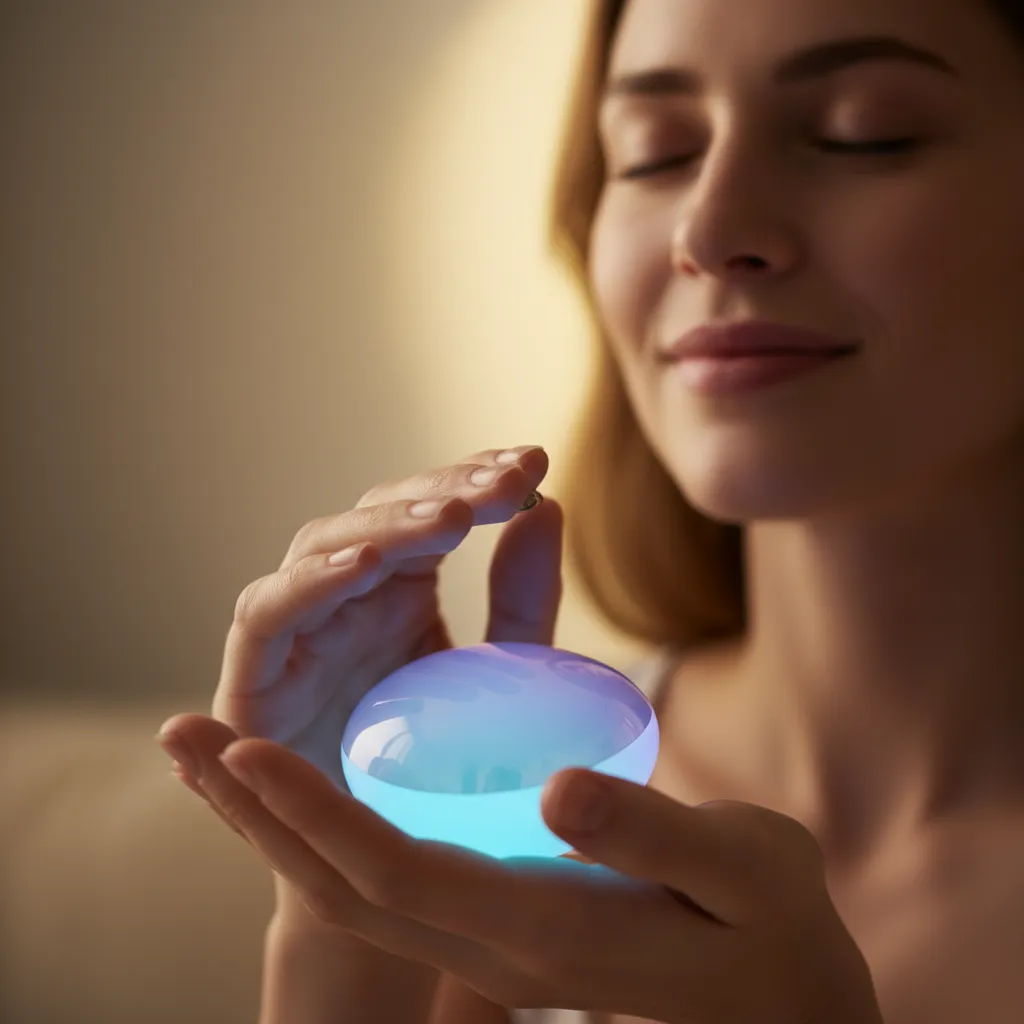
Mood Tracking & Emotional Intelligence AI
Understanding our emotions is a crucial step toward AI emotional well-being. Mood tracking AI tools provide a structured way to monitor emotional states, identify triggers, and recognize patterns over time.
- Digital Journaling & Sentiment Analysis: Many apps allow users to log their moods and journal their thoughts. AI algorithms then analyze the text for sentiment, identifying underlying emotional patterns and correlations with daily activities or events.
- Predictive Insights: By recognizing trends, AI can help users anticipate potential mood shifts, understand their personal triggers for stress or anxiety, and develop proactive coping strategies. This capability enhances AI and emotional intelligence, offering a deeper understanding of one’s own psychological landscape.
- Stress Reduction: The insights gained from mood tracking are invaluable for AI for stress reduction. By understanding what causes stress and when, individuals can implement targeted interventions, leading to improved overall mental wellness technology.

Virtual Wellness Coaches & AI Therapy Bots
Perhaps one of the most innovative applications of AI in personal wellness is the development of AI wellness coaches and AI therapy bots. These tools offer on-demand support, guidance, and even therapeutic interventions, bridging gaps in traditional care.
- Cognitive Behavioral AI (CBT-I, CBT-T): Many AI tools are built on principles of Cognitive Behavioral Therapy (CBT), a highly effective form of psychotherapy. Cognitive behavioral AI applications can guide users through exercises to challenge negative thought patterns, manage anxiety, or improve sleep (CBT-I). They offer structured programs for self-improvement, helping users build resilience and develop healthier coping mechanisms.
- Personalized Guidance: A virtual wellness coach can offer tailored advice based on user input, goals, and progress. They might suggest specific exercises, offer motivational support, or provide strategies for dealing with stress or difficult emotions.
- Accessible Psychological Support: For many, the idea of traditional therapy can be intimidating or inaccessible. AI therapy bots offer a discreet and immediate alternative for those seeking AI psychological support, helping them process feelings, learn new skills, and navigate mental health challenges without the pressure of a human interaction. It’s a significant step forward in making mental health tech more pervasive and less stigmatized.
Personalized Fitness & Habit Formation AI
While the core focus here is mental health, physical wellness is inextricably linked. AI-driven personalized fitness tools contribute significantly to overall well-being and can indirectly enhance mental health. These AI tools go beyond simple step counting.
- Tailored Workout Plans: AI can analyze your fitness level, goals, available equipment, and even past performance to create dynamic, evolving workout routines.
- Nutrition and Hydration Guidance: Integrating with food tracking apps, AI can offer personalized dietary recommendations, ensuring you fuel your body optimally for both physical and mental energy.
- Building Healthier Habits: Many AI health trackers focus on forming sustainable habits, providing nudges, reminders, and positive reinforcement for everything from drinking enough water to taking short breaks during work. This is part of the broader application of AI for healthier habits, recognizing that small, consistent changes lead to significant improvements in holistic wellness.
[Related: AI-Driven Personalized Fitness: Smart Strategies for a Healthier You]
How AI Enhances Your Path to Inner Peace
The integration of AI into personal wellness is not just about novelty; it offers tangible benefits that profoundly impact our ability to achieve and maintain inner peace.
Accessibility & Convenience
One of the most significant advantages of smart wellness technology is its unparalleled accessibility. Mental health support is no longer confined to specific office hours or geographical locations. With AI mental health apps, support is literally in your pocket, 24/7. This democratizes access to resources that were once out of reach for many, enabling immediate help during moments of distress or when needing a quick mindfulness break. This continuous availability is crucial for sustained AI psychological support and for integrating wellness practices seamlessly into busy lives.
Personalization & Precision
Traditional wellness advice often takes a one-size-fits-all approach. AI, however, excels at tailoring experiences. Personalized wellness AI analyzes your unique data—from sleep patterns and mood logs to fitness levels and stress triggers—to offer recommendations that are truly relevant to you. This might mean a meditation practice designed specifically for your current anxiety levels, a sleep routine based on your body’s natural rhythms, or coping strategies that resonate with your personal challenges. This precision leads to more effective interventions and a deeper sense of being understood.
Data-Driven Insights
Human introspection can be biased or incomplete. AI health trackers provide objective, data-driven insights into our behaviors, moods, and physiological states. By identifying patterns we might miss, such as the correlation between late-night screen time and poor sleep, or certain social interactions and mood dips, AI empowers us with actionable knowledge. This objective feedback from mood tracking AI and other tools is vital for understanding ourselves better, fostering AI emotional well-being, and making informed decisions for AI for self-improvement.
Stigma Reduction
Despite growing awareness, seeking help for mental health still carries a stigma for some. Digital mental health solutions, particularly those involving AI therapy bots or virtual wellness coaches, offer a private and discreet way to engage with mental health support. The anonymity and lack of human judgment can make individuals more comfortable exploring their feelings and challenges, encouraging engagement from those who might otherwise shy away from traditional therapy. This quiet form of AI psychological support can be a crucial first step for many.
Proactive & Preventive Health
AI’s ability to recognize subtle changes and patterns makes it an excellent tool for AI in preventive health. By continuously monitoring various biomarkers and behavioral inputs, AI can identify early warning signs of potential mental health issues or escalating stress levels before they become critical. For instance, a stress management AI might notice changes in your sleep, activity, or communication patterns that suggest an impending burnout. This proactive approach enables early intervention, allowing individuals to take preventative measures and maintain their mental wellness technology equilibrium, rather than reacting to a crisis. [Related: AI Revolutionizing Healthcare: Innovations & Future Trends] [Related: AI in Healthcare: Revolutionizing Patient Care and Medical Innovation]
Navigating the Landscape: Choosing the Right AI Wellness Tool
With the proliferation of AI tools for personal wellness, choosing the right one can feel overwhelming. It’s crucial to approach this selection thoughtfully, ensuring the tools you adopt genuinely support your journey to inner peace.
What to Look For
- Evidence-Based Approach: Prioritize apps and tools that are grounded in scientific research and therapeutic principles (e.g., CBT, mindfulness-based stress reduction). Many reputable AI mental health apps will cite their methodologies.
- Data Privacy and Security: Your personal wellness data is highly sensitive. Thoroughly read privacy policies to understand how your data is collected, stored, and used. Look for tools that emphasize strong encryption and user control over their information. This is paramount for any digital well-being solutions.
- User-Friendly Interface: An intuitive and engaging interface enhances consistency. If a tool is difficult to navigate or feels clunky, you’re less likely to integrate it into your daily routine for AI for healthier habits.
- Personalization Capabilities: The best AI tools offer adaptable experiences. Ensure the tool can learn from your interactions and tailor its recommendations to your evolving needs, delivering truly personalized wellness AI.
- Integration with Other Devices: Consider how the tool integrates with your existing smart wellness technology, such as wearables or other health trackers, to provide a holistic view of your well-being.
- Cost and Subscription Models: Many apps offer free basic versions with premium subscriptions for advanced features. Evaluate if the paid features align with your needs and budget.
Understanding Limitations
While AI offers incredible potential, it’s vital to recognize its limitations:
- AI is Not a Substitute for Professional Therapy (for severe conditions): For serious mental health conditions, chronic issues, or crisis situations, AI therapy bots and virtual wellness coaches should complement, not replace, human therapists or medical professionals. They lack empathy, nuanced understanding of complex human experiences, and the ability to intervene in emergencies.
- Bias in Algorithms: AI algorithms are only as good as the data they’re trained on. Biases in training data can lead to skewed or less effective recommendations for certain demographics.
- Lack of Human Connection: While AI can simulate conversation, it cannot replicate the profound therapeutic benefits of genuine human connection, empathy, and the therapeutic alliance formed with a human therapist.
- Data Interpretation: While AI can identify patterns, the interpretation and deeper meaning often still require human insight.
Using AI self-care tools effectively means integrating them thoughtfully into a broader wellness strategy that may include traditional care, social connection, and healthy lifestyle choices. It’s about empowering yourself with technology, not relinquishing control to it.
Ethical Considerations and the Future of AI in Mental Health
As health tech innovation continues to accelerate, particularly in the realm of mental wellness technology, several critical ethical considerations must be addressed to ensure these tools genuinely serve humanity’s best interests. Understanding these challenges is key to shaping the future of mental health tech.
Data Privacy and Security
The collection of sensitive personal data – mood patterns, sleep cycles, biometric information, and even conversational snippets with AI therapy bots – raises significant privacy concerns. Who owns this data? How is it stored? Who has access to it? Ensuring robust encryption, transparent data usage policies, and strict compliance with regulations like GDPR and HIPAA is paramount. Users must have clear control over their data and understand the risks and benefits of sharing it with digital well-being solutions. The trust placed in these AI tools hinges entirely on their commitment to safeguarding personal information.
Bias in AI Algorithms
AI models learn from the data they are fed. If this data is biased, the algorithms can perpetuate and even amplify existing societal inequalities. For instance, if an AI for stress reduction is primarily trained on data from a specific demographic, its recommendations might be less effective or even inappropriate for individuals from different cultural backgrounds or with unique experiences. Addressing algorithmic bias requires diverse training datasets and meticulous auditing to ensure equitable and effective AI psychological support for everyone.
The Role of Human Oversight and Connection
While AI wellness coaches offer incredible convenience, they should not fully replace human interaction, especially for complex mental health conditions. There’s a vital human element in therapy – empathy, intuition, and the ability to understand nuanced emotional cues – that AI cannot yet fully replicate. The future likely involves a hybrid model where AI augments human professionals, providing data-driven insights and scalable support, while human therapists offer the deeper, qualitative connection and intervention. The ethical imperative is to ensure AI enhances, rather than diminishes, genuine human connection in mental health care.
Integration with Traditional Healthcare
For AI tools to reach their full potential, they need seamless integration with established healthcare systems. This means developing clear pathways for data sharing (with patient consent), ensuring interoperability between different platforms, and establishing regulatory frameworks. Collaboration between tech developers, mental health professionals, and policymakers will be crucial for creating a cohesive ecosystem where AI for personal wellness becomes a recognized and valuable component of comprehensive care. This integration will also pave the way for more widespread adoption of AI in preventive health.
The Future Horizon
The future of mental health tech is bright with possibilities. We can anticipate:
- Hyper-Personalization: Even more sophisticated AI capable of adapting to real-time physiological and environmental changes for truly dynamic support.
- Proactive Intervention: AI systems that can identify individuals at risk of mental health crises even before symptoms fully manifest, enabling earlier and more effective intervention.
- Immersive Experiences: The convergence of AI with virtual and augmented reality could create highly immersive therapeutic environments and stress reduction tools.
- Ethical AI Frameworks: Continued development of ethical guidelines and regulations to ensure responsible innovation and deployment of AI for mindful living and emotional well-being.
The journey towards inner peace and optimal mental health is a deeply personal one, but it doesn’t have to be walked alone. AI tools are emerging as compassionate, intelligent companions, offering new avenues for self-discovery, stress relief, and sustained well-being. By embracing these innovations thoughtfully and ethically, we can truly unlock a future where inner peace is more accessible to all.
Conclusion
The pursuit of inner peace and robust mental health is a universal human endeavor, and in the 21st century, AI for personal wellness has emerged as a truly transformative force. We’ve explored how a diverse range of AI mental health apps, from sleep tracking AI to mindfulness AI tools and even sophisticated AI therapy bots, are revolutionizing how we approach self-care. These smart wellness technology solutions are breaking down barriers of access, offering unprecedented personalized wellness AI, and providing data-driven insights that empower us to understand and manage our emotional landscapes more effectively.
Whether it’s a virtual wellness coach guiding you through cognitive behavioral AI exercises, a mood tracking AI helping you pinpoint stress triggers, or an AI meditation app fostering AI for mindful living, the benefits are clear: enhanced AI emotional well-being, improved stress management AI, and a proactive approach to AI in preventive health. While these AI self-care tools come with ethical considerations regarding privacy and human oversight, their potential to augment traditional mental health support and make digital mental health accessible on a grand scale is undeniable.
As health tech innovation continues to evolve, the future of mental health tech promises even more sophisticated and integrated solutions. By thoughtfully adopting these cutting-edge technologies, we can take proactive steps towards cultivating healthier habits, reducing stress, and ultimately, unlocking a deeper, more sustainable sense of inner peace in our daily lives.
FAQs
Q1. What are the primary benefits of using AI for personal wellness?
AI for personal wellness offers numerous benefits, including 24/7 accessibility, highly personalized support tailored to individual needs, data-driven insights into behavior and mood patterns, and a reduction in the stigma often associated with seeking mental health support. It empowers users with tools for self-improvement and proactive health management.
Q2. Can AI mental health apps replace human therapists?
No, AI mental health apps are generally not designed to replace human therapists, especially for severe mental health conditions, crises, or complex emotional needs. They serve as valuable supplementary tools, offering accessible support, self-help exercises, and early intervention, but they lack the nuanced empathy and clinical judgment of a trained human professional.
Q3. How does sleep tracking AI work to improve my sleep?
Sleep tracking AI utilizes sensors in wearables or smart home devices to monitor biometrics like heart rate, breathing, and movement during sleep. AI algorithms then analyze this data to identify sleep stages, disturbances, and overall quality. Based on these insights, it provides personalized recommendations to optimize your sleep environment and habits, such as suggesting ideal bedtimes or creating soothing soundscapes.
Q4. Are AI meditation apps effective for stress management?
Yes, AI meditation apps and mindfulness AI tools can be highly effective for stress management. They offer guided meditations, breathing exercises, and personalized mindfulness practices that help users cultivate focus, reduce anxiety, and improve emotional regulation. Many apps also track progress and adapt content based on user feedback and physiological data, enhancing their effectiveness for stress reduction.
Q5. What should I look for when choosing an AI wellness tool?
When selecting an AI wellness tool, prioritize options that are evidence-based, have strong data privacy and security protocols, offer a user-friendly interface, and provide personalized experiences. Consider how well it integrates with your existing devices and whether its features align with your specific wellness goals, such as mood tracking AI or a virtual wellness coach.
Q6. How do AI wellness coaches differ from traditional coaches?
AI wellness coaches offer automated, on-demand, and often more affordable guidance compared to traditional human coaches. They utilize AI algorithms to provide personalized advice, track progress, and suggest exercises based on data. While they lack the human empathy and nuanced understanding of a human coach, they excel in consistency, accessibility, and data-driven personalization for AI self-care tools.
Q7. What are the main ethical concerns surrounding AI in mental health?
Key ethical concerns include the privacy and security of sensitive personal data, the potential for algorithmic bias leading to inequitable support, the lack of genuine human connection, and the responsible integration of AI with traditional healthcare systems. Ensuring transparency, user control, and robust regulatory frameworks are crucial for the ethical deployment of mental wellness technology.