AI Stress Relief: Top Mindfulness Apps & Techniques for Calm

In the relentless hum of modern life, where notifications buzz and deadlines loom, finding a moment of genuine peace can feel like a monumental task. Stress and anxiety have become unwelcome companions for many, silently chipping away at our well-being. But what if the very technology that contributes to our digital overload could also be our most powerful ally in finding calm?
Enter the world of AI stress relief. This isn’t science fiction; it’s the new frontier of mental wellness. Artificial intelligence is quietly powering a revolution in how we manage stress, regulate emotions, and cultivate mindfulness. From personalized meditation apps that adapt to your mood to wearable tech that senses your anxiety levels in real-time, AI mental wellness tools are making mental health support more accessible, personalized, and effective than ever before.
This comprehensive guide will explore the fascinating intersection of mindfulness technology and artificial intelligence. We’ll demystify how stress reduction AI actually works, dive deep into the best AI-powered mindfulness apps available today, and introduce you to practical techniques that can help you reclaim your calm. Get ready to discover how AI is not just changing the world, but also changing how we care for our minds.
The Unseen Connection: How AI is Revolutionizing Mental Wellness
For years, technology and mindfulness seemed like opposing forces. One represented distraction and digital noise, the other, quiet contemplation. Today, that paradigm is shifting dramatically. The rise of sophisticated algorithms and machine learning has paved the way for a new category of tech for mental health that is both intelligent and intuitive.
So, how exactly does an algorithm help you de-stress? The magic lies in personalization and data-driven insight.
From Data to De-Stress: The Science Behind AI Stress Reduction
Traditional wellness apps offer a one-size-fits-all approach. AI-driven wellness platforms, however, function like a personal mental health coach, learning and adapting to your unique needs.
- Hyper-Personalization: At the core of personalized mindfulness AI is the ability to analyze vast amounts of user data. Your mood entries, sleep patterns, journal logs, and even biometric data are processed by an algorithm to create a wellness plan just for you. If you report feeling anxious in the mornings, the AI might suggest a 5-minute breathing exercise. If your sleep quality is poor, it could recommend a specific sleep story or soundscape.
- Biofeedback and Wearables: The real game-changer is the integration with wearable technology like smartwatches and fitness trackers. These devices monitor physiological indicators of stress, such as Heart Rate Variability (HRV), skin temperature, and resting heart rate. An AI can interpret a sudden drop in your HRV as a sign of stress and proactively prompt your watch to guide you through a calming breathwork session.
- Cognitive Behavioral Therapy (CBT) at Scale: AI-powered chatbots are now sophisticated enough to deliver exercises based on proven therapeutic methods like CBT. These AI therapy tools can help you identify negative thought patterns, reframe them, and build emotional resilience through guided conversations, making basic mental health support accessible 24/7. [Related: GPT-4o: The Future of AI, Now Free for Everyone]
- Neuro-Adaptive Technology: The most advanced AI relaxation tools use neuro-feedback. Apps paired with EEG headbands can monitor your brainwave activity and adjust audio or visual stimuli in real-time to guide you into a state of focus or relaxation. It’s a direct conversation between your brain and the technology designed to help it.

The Best AI-Powered Mindfulness Apps for Daily Calm in 2024
Navigating the crowded market of wellness apps can be overwhelming. To help you find the right fit, we’ve broken down the top AI wellness apps based on their unique strengths and the technology they employ.
For Personalized Meditation Journeys: Headspace & Calm
While both have been around for a while, their integration of AI has significantly enhanced the user experience.
- Headspace: Known for its structured, user-friendly approach to meditation, Headspace uses AI to recommend specific courses and “SOS” exercises based on your immediate feelings. Its algorithm learns from your session history and stated goals (e.g., “reduce anxiety,” “improve focus”) to curate a daily path for you.
- Calm: Famous for its Sleep Stories and serene interface, Calm leverages AI to personalize its vast library of content. The “Daily Calm” is tailored based on the time of day and your past listening habits. The AI also powers its “mood check-in” feature, suggesting relevant meditations, music, or soundscapes to match your current emotional state.
For Biofeedback & Real-Time Relief: Apollo Neuro
This is where mindfulness technology gets tangible. Apollo Neuro is not just an app but a wearable device that clips to your wrist or ankle.
- How its AI Works: The device uses haptic feedback—gentle, soothing vibrations—to actively influence your nervous system. The AI in the app helps you choose the right program (“Relax and Unwind,” “Sleep and Renew,” “Focus”) and learns over time which patterns are most effective for your body. It analyzes your usage data and can build a personalized schedule to help you manage energy and stress throughout the day.
- Who it’s Best For: Individuals who want a passive, non-intrusive tool that works in the background to build resilience to stress. It’s a prime example of AI powered calm without requiring active meditation.
For AI-Driven Therapy & Coaching: Wysa & Woebot
These apps represent the forefront of accessible AI therapy tools, offering conversational support whenever you need it.
- Wysa: This AI penguin chatbot is designed as an “emotionally intelligent” companion. It uses natural language processing (NLP) to understand your typed-out concerns and responds with empathy and evidence-based techniques from CBT and Dialectical Behavior Therapy (DBT). The AI can guide you through mindfulness exercises, reframing techniques, and even connect you to a human therapist if needed.
- Woebot: Developed by Stanford psychologists, Woebot is another leading CBT-based chatbot. Its AI is excellent at teaching AI emotional regulation through daily check-ins and guided lessons. It helps you track your mood and understand the connections between your thoughts and feelings, making it a powerful AI self-care tool. [Related: Humane AI Pin Review: Future or Failure?]
For Focus and Productivity: Endel & Brain.fm
Stress isn’t just about anxiety; it’s also about the inability to focus. These apps use AI to create functional soundscapes.
- Endel: This app creates personalized, generative soundscapes that adapt to your environment and biometrics. It can pull data like your location, the weather, your heart rate (from a smartwatch), and your natural circadian rhythm to create the perfect audio backdrop for focus, relaxation, or sleep. It’s a leading example of digital well-being AI.
- Brain.fm: This platform takes a more scientific approach, with a patented AI engine that generates music specifically designed to influence brainwave activity. Users can choose streams for “Focus,” “Relax,” or “Sleep,” and the AI composes rhythmic patterns to help your brain reach the desired state. It’s a powerful tool for anyone looking for AI for focus. [Related: Master Your Day: 10 AI Tools to Skyrocket Your Personal Productivity]
| App | Key AI Feature | Pricing Model | Best For |
|---|---|---|---|
| Headspace | Personalized meditation recommendations | Subscription | Structured, guided meditation for beginners |
| Calm | Mood-based content curation | Subscription | Sleep improvement and diverse relaxation content |
| Apollo Neuro | AI-driven haptic feedback | Device + Subscription | Passive, real-time stress management |
| Wysa | Empathetic AI chatbot with CBT/DBT | Freemium | 24/7 emotional support and guided exercises |
| Endel | Adaptive, generative soundscapes | Subscription | Enhancing focus and creating a calm environment |
Beyond the App: AI-Powered Stress Relief Techniques
The best digital mindfulness tools are those that empower you to build lasting habits. Here are some techniques, powered by AI, that you can integrate into your daily life.
AI-Guided Meditation and Breathwork
Forget generic, pre-recorded sessions. AI guided meditation offers a dynamic experience. An AI can adjust the pacing of a meditation based on your real-time heart rate, lengthen a pause if it senses you’re distracted, or select a theme based on your morning mood entry. This responsive guidance makes the practice feel less like a recording and more like a live session tailored just for you.
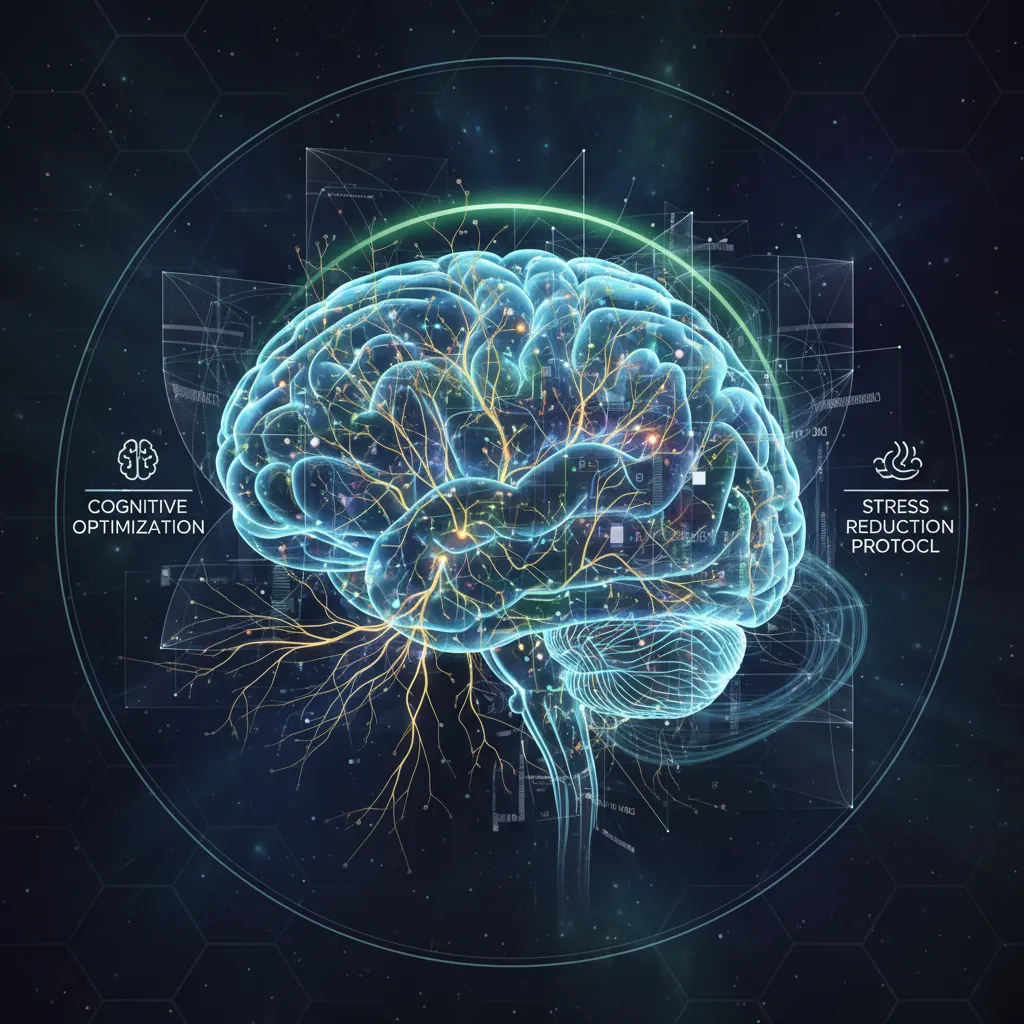
Smart Mindfulness: Cognitive Well-being Exercises
Your cognitive well-being is the foundation of stress management. AI tools are emerging to strengthen this foundation.
- AI Journaling: Apps like Reflectly or Jour use AI to analyze your journal entries. They can identify recurring emotional themes, highlight cognitive distortions in your writing, and prompt you with insightful questions to deepen your self-awareness. It’s like having a therapist review your journal and point out patterns you might have missed.
- Gamified Brain Training: Other platforms use cognitive well-being AI to create fun, engaging games that improve focus, memory, and problem-solving skills. By strengthening these cognitive functions, you become more resilient to the mental fog that often accompanies stress. [Related: Boosting Productivity: Top AI Tools Revolutionizing Workflows & Creativity]
AI for Better Sleep and Relaxation
Sleep is a cornerstone of mental health, and sleep improvement AI is one of the most impactful areas of wellness tech. AI algorithms analyze data from your phone’s microphone (for snoring/breathing patterns) and your wearable’s sensors (for movement and heart rate) to provide a detailed breakdown of your sleep cycles. Based on this data, they can identify issues and suggest solutions, such as:
- Smart Alarms: Waking you up during a light sleep cycle to avoid grogginess.
- Personalized Soundscapes: Generating pink noise or binaural beats that adapt throughout the night to deepen your sleep.
- Behavioral Recommendations: Suggesting an earlier bedtime or a pre-sleep meditation based on your patterns of restlessness.
The Future of Stress Management: What’s Next for AI in Mental Health?
We are only at the beginning of the future of stress relief. The technology is evolving rapidly, and the next wave of mental health tech promises even deeper integration and more proactive support.
Hyper-Personalization and Predictive Wellness
Imagine an AI that integrates with your digital calendar, fitness app, and work communications. It could notice you have a high-stakes presentation coming up and see from your wearable that your sleep quality has dipped. Before you even feel overwhelmed, it could proactively block off 15 minutes in your schedule for a mindfulness session or adjust your smart home lighting to be more calming in the evening. This predictive, preventative approach is the holy grail of stress management AI.
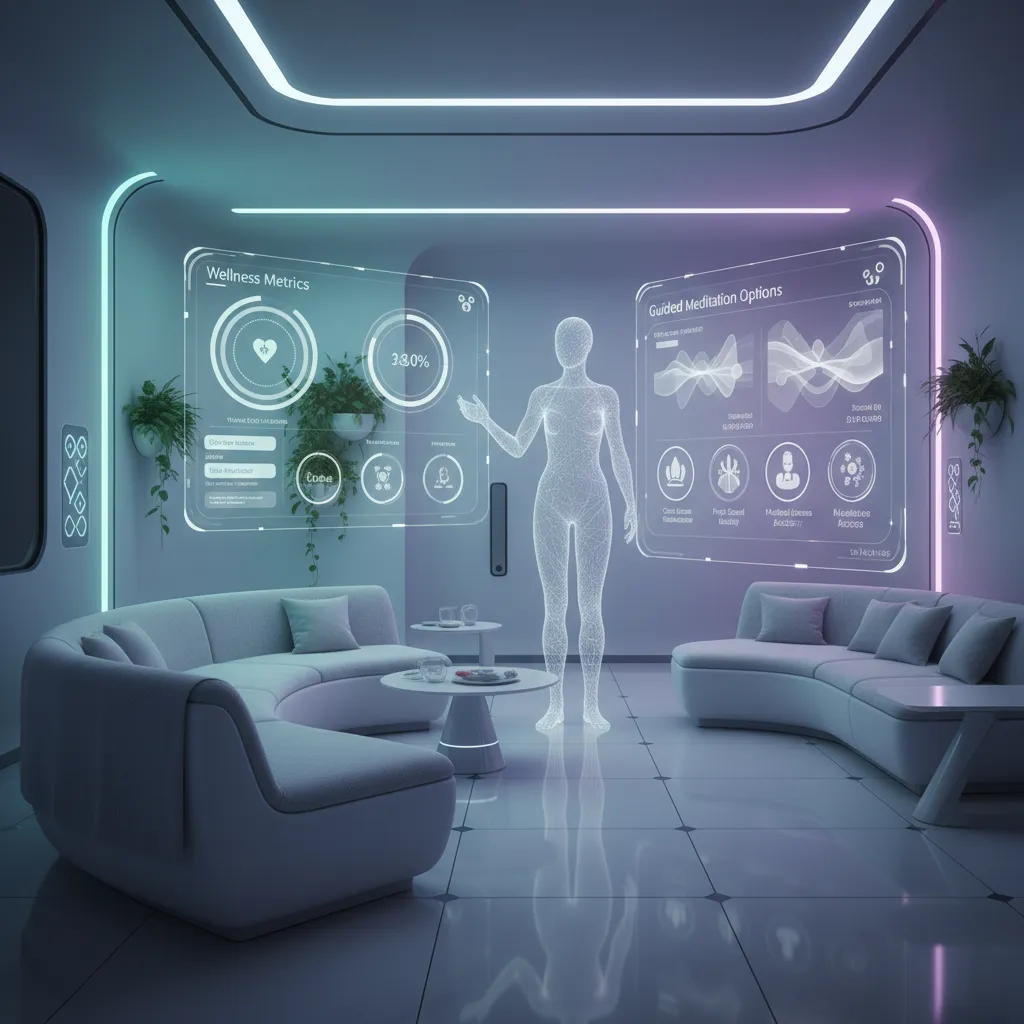
The Rise of Calm Tech and Digital Sanctuaries
The concept of calm tech apps will expand beyond our phones and into our environments. Your smart home, powered by a digital well-being AI, could become a sanctuary. Your lights could slowly brighten in the morning to match your circadian rhythm, your smart speakers could play a focus-enhancing soundscape when you sit down to work, and your thermostat could lower slightly before bed—all orchestrated by an AI dedicated to your cognitive and emotional well-being. [Related: Spatial Computing’s Next Leap: Redefining Digital Interaction]
Ethical Considerations and the Human Touch
With great power comes great responsibility. The collection of sensitive health and emotional data requires robust privacy and security measures. It’s crucial for users to understand how their data is being used and for developers to be transparent.
Furthermore, it’s vital to remember that AI is a tool, not a replacement for human connection. While AI therapy tools can provide incredible support and bridge gaps in mental healthcare, they are best used to augment, not replace, the nuanced understanding and empathy of a human therapist, especially for complex conditions.

Conclusion: Your Partner in Calm
The narrative of technology as a source of stress is being rewritten. Today, AI stress relief represents a profound shift towards a future where our digital tools are not just smart, but wise. They are becoming our partners in cultivating calm, focus, and emotional resilience.
From AI-guided meditation that adapts to your heartbeat to chatbots that help you navigate difficult emotions, these mindfulness exercises AI and platforms offer a new toolkit for mental well-being. By embracing these innovations, we can harness the power of artificial intelligence to not only manage the stresses of modern life but to truly thrive within it.
The first step is simply to begin. Explore one of the apps mentioned, try a new technique, and discover how a little bit of artificial intelligence can bring a great deal of real, human peace to your day.
Frequently Asked Questions (FAQs)
Q1. Can AI really help with stress and anxiety?
Absolutely. AI can help manage stress and anxiety by providing personalized, real-time support. It powers apps that offer guided meditations tailored to your mood, uses biofeedback from wearables to detect stress signals, and offers CBT-based exercises through chatbots, making mental wellness tools more accessible and responsive.
Q2. What is the best AI app for mindfulness?
The “best” app depends on your needs. For beginners seeking structured meditation, Headspace is excellent. For those who want variety and sleep aids, Calm is a great choice. If you prefer real-time, passive stress management through a wearable, Apollo Neuro is a leader. For 24/7 conversational support, Wysa is highly regarded.
Q3. How does AI guided meditation work?
AI guided meditation goes beyond static recordings. It uses algorithms to personalize your session. For example, it might select a meditation theme based on your recent mood journal entries, adjust the session length based on your schedule, or even modify audio cues in response to biometric data like your heart rate to deepen your state of relaxation.
Q4. Is using AI for mental health safe?
Safety is a primary concern. Reputable mental health apps use data encryption and adhere to privacy regulations like GDPR and HIPAA to protect your information. However, it’s always important to read the privacy policy of any app you use. These tools are designed for wellness support and are not a substitute for professional medical advice or therapy for serious mental health conditions.
Q5. What is ‘calm tech’?
“Calm Technology” or “Calm Tech” refers to technology designed to exist peacefully in the user’s life without demanding their constant attention. In the context of mental wellness, calm tech apps and devices work in the background to reduce stress and improve focus, like a wearable that provides soothing vibrations or an app that generates adaptive soundscapes without requiring constant interaction.
Q6. Can AI replace a therapist?
No, AI is not intended to replace a human therapist. While AI therapy tools and chatbots are incredibly valuable for providing immediate support, teaching coping skills (like CBT), and making mental health care more accessible, they cannot replicate the nuanced empathy, life experience, and deep understanding of a trained human professional. AI is best viewed as a powerful tool to supplement and support traditional therapy.