AI Revolutionizing Sports: Boost Performance & Accelerate Recovery
Introduction
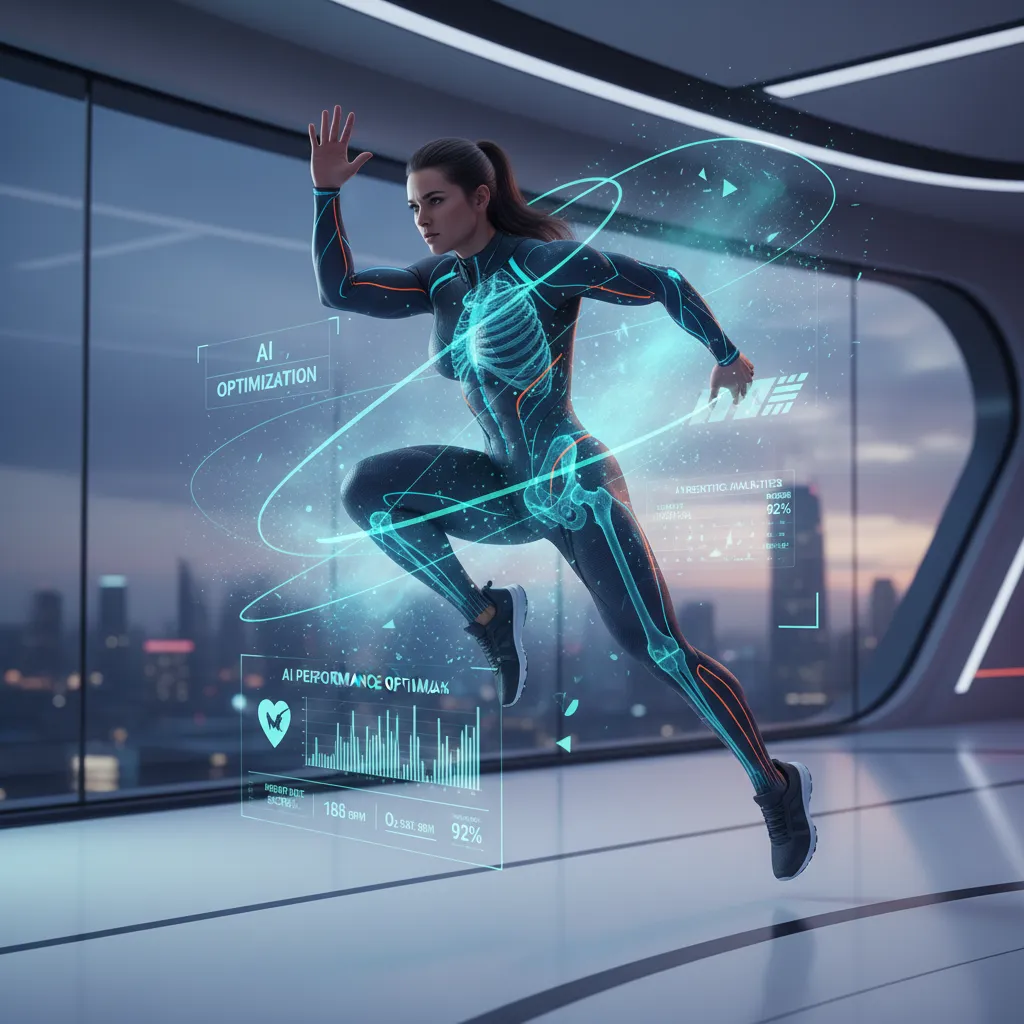
The roar of the crowd, the thrill of the last-second victory, the dedication of a lifetime—sports have always been a spectacle of human potential. For decades, the formula for success was a grueling mix of talent, relentless practice, and instinct. But today, a silent revolution is underway, powered by algorithms and data. Artificial Intelligence (AI) has entered the arena, not as a competitor, but as the ultimate coach, strategist, and physician, fundamentally reshaping what it means to be an athlete. This isn’t science fiction; it’s the new reality of AI in professional sports.
From the training ground to the recovery room, sports tech innovation is creating a new paradigm of excellence. We’re moving beyond one-size-fits-all regimens and into an era of hyper-personalization. This article explores the profound impact of AI on athletics, diving deep into how this technology is unlocking unprecedented levels of performance and accelerating recovery in ways previously unimaginable. You’ll learn how data-driven athlete development is no longer a buzzword but the core of modern sports science, and how everything from your smartwatch to the team’s game plan is becoming part of a vast, intelligent system.
The New Playbook: How AI is Redefining Athletic Performance
At its core, athletic greatness is about optimizing a thousand tiny variables. AI’s superpower lies in its ability to see, analyze, and interpret these variables at a scale and speed no human can match. It’s transforming raw data into actionable, game-winning insights.
From Raw Data to Winning Insights: The Power of Sports Analytics
For years, sports analysis was limited to box scores and video replays. Today, sports analytics artificial intelligence processes terabytes of data from every match, practice, and even sleep cycle. Using sophisticated machine learning sports science, algorithms can identify complex patterns that are invisible to the human eye.
This isn’t just about who ran the fastest or scored the most. Advanced sports analytics can reveal:
- Player Efficiency: How much energy a player expends relative to their impact on the game.
- Tactical Vulnerabilities: Identifying an opponent’s weaknesses based on formation and player positioning data.
- Performance Forecasting: Predicting a player’s performance trajectory based on current training data and historical trends.
This transition from descriptive analytics (what happened) to predictive and prescriptive analytics (what will happen and what we should do) is the cornerstone of the AI sports performance revolution.
The Rise of the Virtual Coach: Personalized AI Training Programs
Imagine a coach who watches every single one of your movements, understands your unique biomechanics, and provides instant, corrective feedback. This is the promise of AI-powered sports coaching.
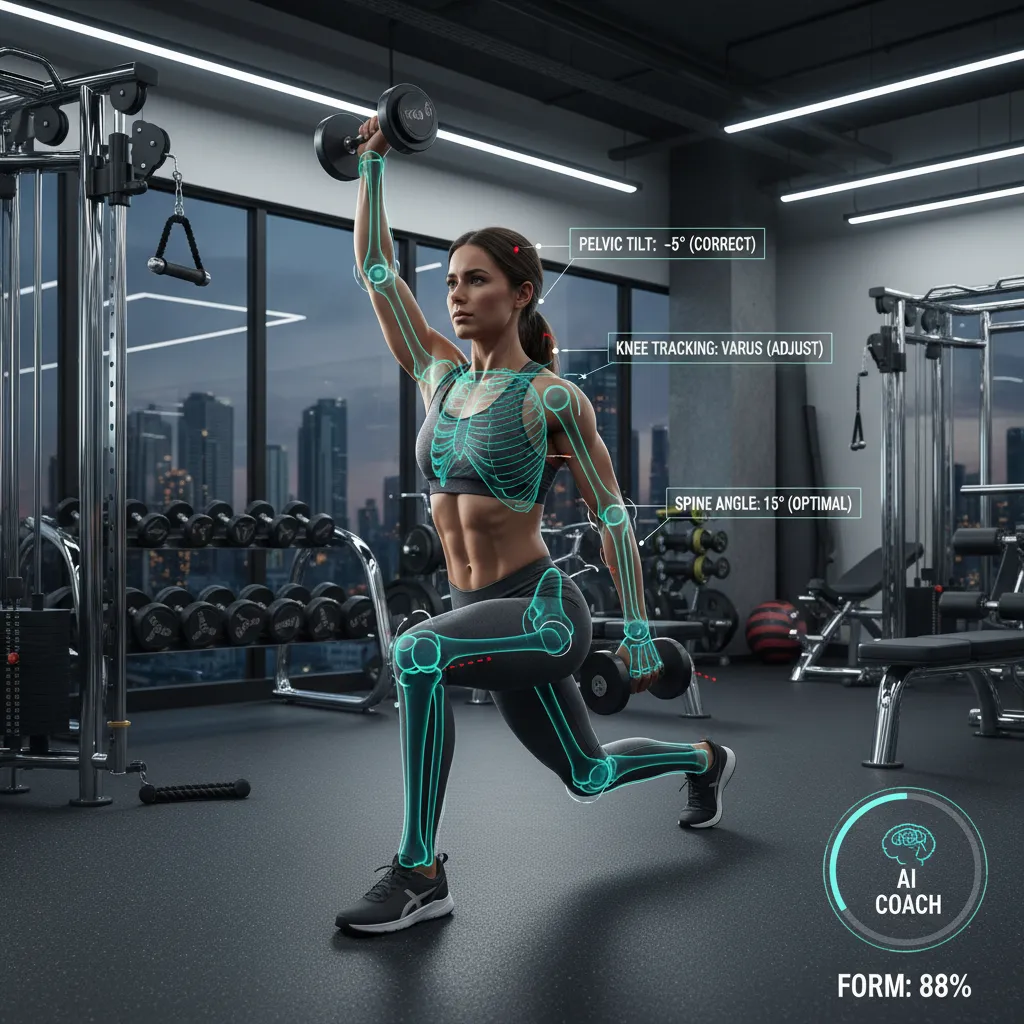
Using computer vision, AI systems can analyze an athlete’s form during a lift, a swing, or a stride. It can pinpoint subtle inefficiencies that could lead to injury or hinder performance. This leads to truly personalized athlete coaching AI, where AI training programs are no longer generic templates but dynamic plans that adapt daily based on an athlete’s readiness and progress.
This virtual coaching AI offers real-time performance feedback, correcting a tennis player’s serve as it happens or adjusting a runner’s gait mid-stride. This constant, data-driven optimization is how elite athletes find that extra 1% edge that separates champions from contenders. Related: The Best AI Personal Assistants to Boost Your Productivity
The Unseen Advantage: AI-Powered Athlete Monitoring
The most significant gains often happen when no one is watching—during rest, recovery, and the mundane moments of an athlete’s day. AI and wearable technology have turned the athlete’s body into a 24/7 data source, providing a holistic view of their physical and mental state.
More Than Just Steps: The Role of Smart Sportswear and Wearables
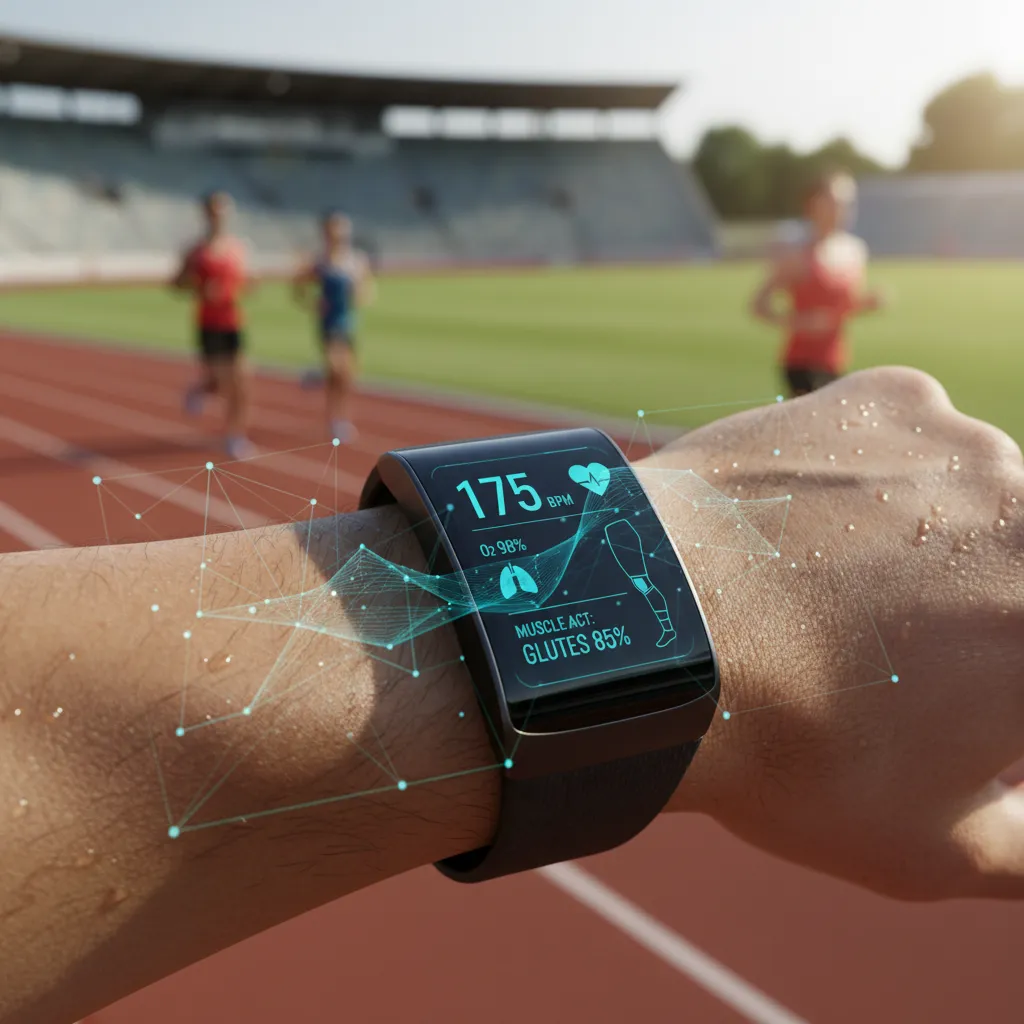
The explosion of wearable tech athletes use daily—from smartwatches and rings to advanced biometric sensors woven into smart sportswear—is the primary data pipeline for sports AI. These devices capture a continuous stream of biometric data athletes can use, including:
- Heart Rate Variability (HRV): A key indicator of nervous system recovery and readiness to train.
- Sleep Quality: Tracking sleep stages (REM, deep, light) to ensure cognitive and physical restoration.
- Strain and Exertion: Quantifying the physiological load of workouts and daily activities.
This data flows into performance tracking AI platforms that translate raw numbers into simple, actionable insights. An AI might advise an athlete to opt for a light session instead of a high-intensity one based on poor sleep and a low HRV score, preventing overtraining before it occurs. Related: Apple Intelligence in iOS 18: A Deep Dive into the New AI Features
Predicting the Unpredictable: AI for Injury Prevention
Perhaps the most valuable application of AI in sports is AI injury prevention. An injury can derail a career, and preventing them is the holy grail of sports medicine. By combining workload data from practices, biomechanical data from video analysis, and physiological data from wearables, predictive analytics sports models can identify athletes at high risk of injury.
These systems work by learning an athlete’s unique baseline and flagging deviations. For example, if a soccer player’s gait changes subtly, indicating they are compensating for fatigue in their hamstring, the AI can alert the medical staff days before a potential strain occurs. This proactive approach allows teams to intervene with targeted rest, therapy, or training modifications, keeping their most valuable assets healthy and on the field.
The Science of Bouncing Back: AI-Driven Recovery and Rehabilitation
Performance is only half the equation. An athlete’s ability to recover and adapt determines their longevity and peak potential. AI is transforming recovery from a passive process into an active, data-driven science.
Beyond Ice Baths: Crafting Personalized Recovery Protocols
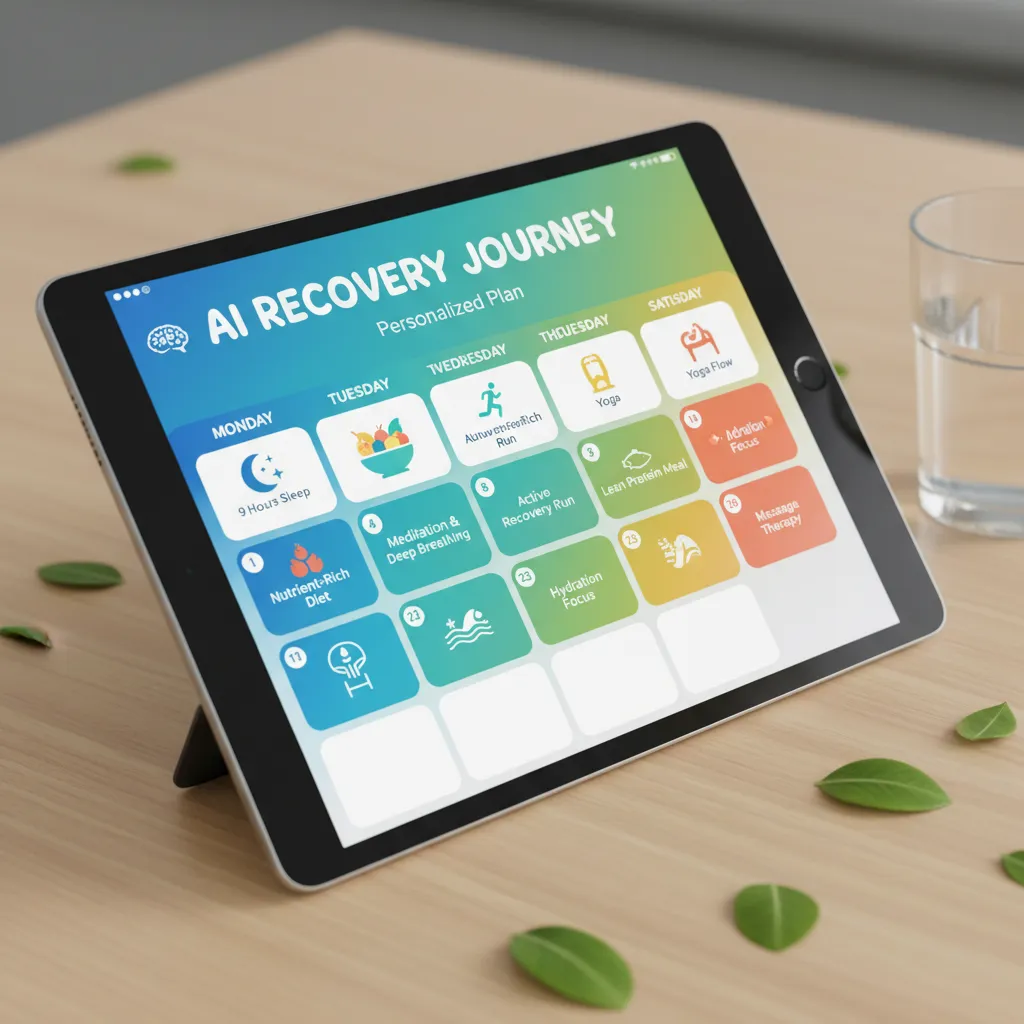
The days of generic recovery advice are over. Athlete recovery technology powered by AI creates personalized recovery protocols tailored to the individual. After a grueling match, an AI system analyzes an athlete’s exertion data and prescribes a specific sequence of recovery modalities.
This recovery optimization AI might recommend:
- 20 minutes of pneumatic compression for a player who covered a lot of distance.
- 15 minutes of cryotherapy for an athlete whose data shows high levels of inflammation.
- A specific stretching routine focusing on overused muscle groups.
This level of personalization ensures that recovery is as efficient and effective as possible, speeding up the body’s natural repair processes.
Intelligent Fueling: The Rise of AI Nutrition Plans
Nutrition is the fuel that powers performance and recovery. AI nutrition plans athletes follow are dynamic and adaptive. These systems can analyze biometric data, training load, and even blood markers to recommend the precise macronutrients and micronutrients an athlete needs at any given moment.
An AI might suggest a higher carbohydrate intake on a heavy training day or recommend specific anti-inflammatory foods after a competition. It can even integrate with meal delivery services to make optimal nutrition seamless and convenient.
Mastering the Mind: Mental Training and Stress Monitoring with AI
The mental game is just as critical as the physical one. Modern AI tools are now focusing on cognitive performance and mental well-being. Mental training AI sports applications use neurofeedback and virtual reality to help athletes improve focus, reaction time, and decision-making under pressure.
Furthermore, stress monitoring sports AI, often using data from wearables, can track an athlete’s psychological load. By analyzing trends in resting heart rate and HRV, the system can identify periods of high stress, prompting interventions like meditation or a session with a sports psychologist. Effective sleep tracking athletes AI also plays a crucial role, as quality sleep is essential for mental recovery and learning. Related: Inside Out 2 and New Emotions: A Guide to Adolescent Psychology
Accelerating the Comeback: AI-Driven Rehabilitation
When injuries do happen, AI is there to streamline the path back to peak performance. AI-driven rehabilitation uses sensors and computer vision to monitor an athlete’s movement during physical therapy exercises, ensuring perfect form and adherence to the program. The AI can track progress with objective data, helping clinicians decide when it’s safe for an athlete to increase intensity or return to play. This data-first approach minimizes the risk of re-injury and builds confidence during the challenging rehabilitation process. Related: The Future of Fitness: How AI is Personalizing Your Health Journey
Beyond the Individual: AI’s Impact on Team Strategy and the Future
AI’s influence extends from individual athletes to the entire team and organization. It’s becoming the ultimate strategic advisor and the foundation for the next generation of sports.
The Master Strategist: AI in Game Strategy and Scouting
Coaches are using AI game strategy models to simulate thousands of game scenarios and identify the optimal plays against a specific opponent. AI can analyze video of opposing teams to uncover subtle tactical patterns that human scouts might miss, providing a significant competitive advantage.
In scouting, AI is revolutionizing how teams identify talent. Instead of relying solely on subjective observation, teams use machine learning to analyze a prospect’s performance data and predict their potential for success at the professional level. This makes data-driven athlete development a core part of building a winning franchise for the long term.

The Dawn of Intelligent Sports Systems
The future of sports training lies in creating fully integrated, intelligent sports systems. This is where data from wearables, video analysis, medical records, and scouting reports all feed into a central AI platform. This holistic ecosystem provides a 360-degree view of athlete and team performance.
For AI for elite athletes, this means every aspect of their professional life is optimized. For coaches and managers, it means making smarter, data-backed decisions about everything from starting lineups to contract negotiations. This is more than just a collection of tools; it’s a new operating system for sports. Related: AI’s Cosmic Leap: Revolutionizing Space Exploration for Humanity
Conclusion: The New Era of the AI-Enhanced Athlete
The integration of Artificial Intelligence into sports is not a passing trend; it is a fundamental shift that is redefining the limits of human athletic potential. From personalized AI training programs that perfect technique to predictive analytics that prevent career-threatening injuries, AI is the unseen force behind the next generation of champions.
We’ve seen how it enhances performance with real-time feedback, deepens our understanding of recovery through athlete recovery technology, and sharpens team strategy with unparalleled analytical power. The synergy between human talent and machine intelligence is creating athletes who are stronger, faster, and more resilient than ever before. The future of sports isn’t about replacing the human element but augmenting it, creating a new era where every athlete has the tools to achieve their absolute peak.
The game has changed forever. The question is no longer if AI will be a part of sports, but how teams and athletes can best leverage its power to win.
Frequently Asked Questions (FAQs)
Q1. How is AI changing the world of sports?
AI is changing sports by introducing data-driven decision-making to every aspect of the game. It enables hyper-personalized training, predicts and prevents injuries, optimizes recovery protocols, and provides deep strategic insights. This leads to healthier athletes, enhanced performance, and more sophisticated game strategies.
Q2. What is an example of artificial intelligence in sports?
A prominent example is the use of computer vision technology. Systems like Hawk-Eye in tennis and VAR in soccer use AI to track the ball and players in real-time for officiating. Another example is wearable technology, where AI platforms like WHOOP or Oura analyze biometric data to provide athletes with daily recovery and strain scores.
Q3. How does AI help in injury prevention for athletes?
AI helps prevent injuries by analyzing vast datasets—including training load, biomechanics from video, and sleep data from wearables. Machine learning models identify patterns and anomalies that correlate with a higher risk of injury. This allows medical staff to intervene proactively with rest or corrective exercises before a potential injury occurs.
Q4. What is the role of data analytics in sports performance?
Data analytics in sports performance serves to translate raw data into actionable intelligence. It helps coaches and athletes understand performance metrics, identify strengths and weaknesses, analyze opponent strategies, and make informed, objective decisions. It is the foundation of data-driven athlete development and modern coaching.
Q5. How does wearable technology help athletes?
Wearable technology, such as smartwatches, rings, and GPS trackers, continuously collects objective biometric data like heart rate, sleep patterns, and physical exertion. This data feeds into AI systems that help athletes and coaches monitor recovery, manage training load, prevent overtraining, and make daily adjustments to optimize health and performance.
Q6. Can AI replace sports coaches?
It’s highly unlikely that AI will completely replace human coaches. Instead, AI is becoming a powerful tool that augments a coach’s abilities. While AI excels at data analysis and pattern recognition, human coaches provide essential mentorship, motivation, and leadership. The future is a collaborative model where coaches use AI insights to make better decisions.