AI Revolution: Personalized & Predictive Healthcare for a Healthier You

Introduction
Imagine a healthcare system that doesn’t just react to illness but actively predicts and prevents it. A system where treatments are custom-tailored to your unique genetic makeup and lifestyle, rather than a one-size-fits-all approach. This isn’t a scene from a futuristic sci-fi movie; it’s the rapidly unfolding reality of AI in healthcare. The AI revolution is here, fundamentally reshaping how we approach health and wellness, ushering in an era of personalized & predictive healthcare.
For decades, medicine has largely operated on a reactive model – treating symptoms after they appear. But with the incredible advancements in artificial intelligence and machine learning healthcare, we’re witnessing a paradigm shift. AI is no longer just a buzzword; it’s a powerful tool unlocking unprecedented insights from vast oceans of medical data, promising a future of AI health predictions and personalized treatment plans AI.
This article will delve deep into how AI is transforming every facet of healthcare, from early diagnosis and drug discovery to chronic disease management and proactive wellness. We’ll explore the groundbreaking applications of AI personalized medicine and predictive healthcare AI, examine the incredible AI health benefits, and also confront the crucial ethical considerations that come with such powerful technology. Get ready to discover how AI is paving the way for a healthier, more precise, and more proactive future for you.
The Dawn of a New Era: Understanding Personalized & Predictive Healthcare
Before we dive into the specific applications, let’s establish a clear understanding of the core concepts driving this transformation: personalized medicine and predictive healthcare. These aren’t just buzzwords; they represent a fundamental shift in medical philosophy, powered by the analytical might of AI.
What is Personalized Medicine?
At its heart, personalized medicine artificial intelligence moves beyond the traditional “average patient” model. It recognizes that each individual is unique, with distinct genetic profiles, lifestyles, environmental exposures, and health histories. Therefore, a treatment or preventative strategy that works for one person might be ineffective or even harmful to another.
AI’s role in this is transformative. By analyzing an individual’s specific data – including genomics, proteomics, metabolomics, lifestyle choices, and even social determinants of health – AI can help clinicians understand the precise nature of a disease in that person. This leads to personalized treatment plans AI, where therapies are selected, dosed, and administered based on the patient’s unique biological and personal characteristics. It’s about getting the right treatment to the right patient at the right time. This precision is what makes precision medicine artificial intelligence such a game-changer.
What is Predictive Healthcare?
While personalized medicine focuses on tailoring current treatments, predictive healthcare AI looks to the future. It leverages sophisticated algorithms and massive datasets to identify patterns and forecast potential health issues before they manifest as symptoms or diseases. Think of it as an early warning system for your body.
Through AI health predictions, doctors can assess an individual’s risk of developing certain conditions – from diabetes and heart disease to specific types of cancer. This isn’t just about general risk factors; AI can analyze genetic predispositions, lifestyle data from wearables, medical history, and even population health trends to provide highly individualized risk assessments. The goal is to enable AI preventative health strategies, allowing for proactive interventions like lifestyle changes, targeted screenings, or early pharmaceutical interventions that can prevent disease entirely or significantly mitigate its impact.
The Synergy: How AI Connects the Dots
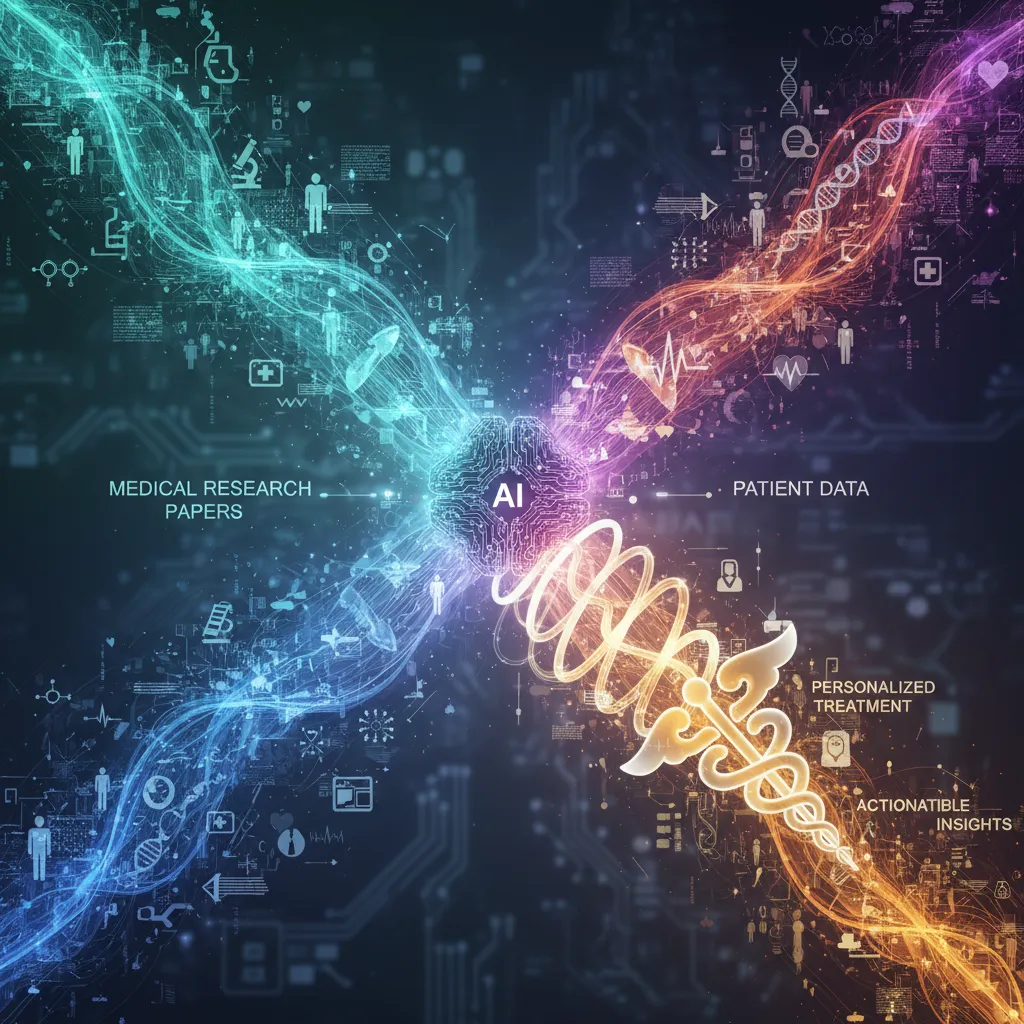
The true power lies in the synergy between personalized and predictive approaches, both heavily reliant on AI driven health. AI acts as the connective tissue, integrating vast, disparate datasets from multiple sources – electronic health records, genomic sequencing, real-time sensor data from wearable AI health devices, medical imaging, and even environmental factors.
This integrated approach allows for:
- Holistic Patient Profiles: AI synthesizes all available data to create a comprehensive, dynamic profile of each patient’s health.
- Actionable Insights: It identifies subtle patterns and correlations that human analysis might miss, turning raw data into actionable insights for clinicians.
- Continuous Learning: As more data is fed into the system, AI models continuously learn and refine their predictions and recommendations, leading to increasingly accurate and effective healthcare.
- Optimized Resource Allocation: By predicting outbreaks or identifying at-risk populations, AI can help healthcare systems allocate resources more efficiently, improving public health outcomes.
This combined approach isn’t just about treating illness; it’s about fostering lifelong wellness, making the vision of smart healthcare solutions a tangible reality.
AI in Diagnostics and Early Detection: Unmasking Illnesses Sooner
One of the most immediate and impactful areas where AI is making waves is in diagnostics and early disease detection. The ability to identify diseases at their earliest, most treatable stages can dramatically improve patient outcomes and even save lives.
Revolutionizing Medical Imaging
AI medical imaging is transforming how radiologists and pathologists interpret scans. From X-rays and CTs to MRIs and ultrasounds, AI algorithms can analyze images with incredible speed and precision, often identifying subtle anomalies that might be missed by the human eye.
For example, AI systems can:
- Detect Early Cancers: Algorithms can spot minuscule tumors or pre-cancerous lesions in mammograms or lung CT scans, leading to earlier diagnosis and higher survival rates.
- Identify Neurological Conditions: AI assists in detecting early signs of Alzheimer’s disease, Parkinson’s, or stroke by analyzing brain scans for subtle structural or functional changes.
- Improve Efficiency: AI can triage images, highlighting critical cases for immediate review by human experts, thereby reducing workload and improving turnaround times in busy departments.
This augmentation of human expertise with AI’s analytical power is a cornerstone of AI in diagnostics.
Early Warning Systems and AI Preventative Health
Beyond imaging, AI is powering sophisticated early warning systems that monitor various physiological signals and patient data to predict the onset of acute conditions.
- Sepsis Detection: AI models can analyze vital signs, lab results, and electronic health record data in real-time to predict the likelihood of sepsis, a life-threatening response to infection, often hours before clinical symptoms become obvious. This allows for critical early intervention.
- Cardiac Event Prediction: By monitoring heart rate variability, blood pressure trends, and genetic markers, AI can flag individuals at high risk for heart attacks or strokes, enabling proactive cardiology.
- Diabetic Retinopathy Screening: AI can analyze retinal images to detect early signs of diabetic retinopathy, a leading cause of blindness, allowing for timely treatment to preserve vision.
These capabilities are central to AI preventative health, shifting the focus from treatment to proactive management.
Genomics and Precision Diagnostics
The explosion of genomic data presents both a challenge and an immense opportunity. A human genome contains billions of base pairs, and identifying disease-causing mutations or predispositions requires massive analytical power. This is where AI and genomics truly shine.
AI algorithms can:
- Analyze Genomic Data: Rapidly sift through vast genomic datasets to identify genetic markers associated with specific diseases, drug responses, or inherited conditions.
- Personalized Risk Assessment: Combine genomic information with lifestyle data to provide a highly granular risk profile for various diseases.
- Diagnose Rare Diseases: For patients with undiagnosed rare diseases, AI can compare their genomic sequence against known disease databases, accelerating diagnosis that might otherwise take years.
The integration of health data analytics AI with genomic sequencing is unlocking unprecedented insights, driving us closer to truly understanding the individual blueprints of health and disease. [Related: boosting-productivity-top-ai-tools-revolutionizing-workflows-creativity/]
Tailored Treatments: The Heart of Personalized Medicine
Once a diagnosis is made, or a risk is identified, the next critical step is effective treatment. Here too, AI is revolutionizing how we approach therapy, ensuring that interventions are as effective and safe as possible for each patient. This is the essence of AI personalized medicine.
Drug Discovery Accelerated
Traditional drug discovery is an incredibly long, expensive, and often unsuccessful process. AI is dramatically speeding up and enhancing this endeavor.
- Target Identification: AI can analyze biological pathways, protein structures, and disease mechanisms to identify novel drug targets with higher precision.
- Molecule Design: Generative AI models can design new drug candidates from scratch, predicting their efficacy, toxicity, and potential side effects even before they are synthesized in a lab.
- Repurposing Existing Drugs: AI can sift through vast databases of approved drugs to identify those that might be effective for new indications, accelerating the path to patient access.
- Clinical Trial Optimization: AI can help identify suitable patient populations for clinical trials, predict trial outcomes, and monitor patient responses, making trials more efficient and successful.
These medical AI advancements are cutting years off the drug development timeline, bringing new therapies to patients faster and at a potentially lower cost.
Optimizing Treatment Plans
Even with established drugs, determining the optimal dosage and combination for an individual can be complex. Personalized treatment plans AI ensures that therapy is not just effective but also tailored to minimize adverse effects.
- Pharmacogenomics: AI analyzes an individual’s genetic profile to predict how they will metabolize certain drugs, helping doctors prescribe the correct medication and dosage from the outset, reducing trial-and-error.
- Oncology: In cancer treatment, AI helps oncologists choose the most effective chemotherapy regimens, radiation doses, or immunotherapies based on the tumor’s genetic mutations and the patient’s overall health.
- Mental Health: AI can help clinicians predict which antidepressant or therapeutic approach might be most effective for an individual patient based on various factors, moving beyond generalized recommendations.
This level of precision significantly improves patient outcomes and reduces the burden of ineffective treatments.
AI for Chronic Disease Management
Chronic diseases like diabetes, heart disease, and asthma require continuous management and often complex medication regimens. AI for chronic disease management offers tools that empower both patients and healthcare providers.
- Remote Monitoring and Alerts: AI-powered systems can monitor blood glucose levels, blood pressure, or respiratory function in real-time, alerting patients and caregivers to potential issues before they become critical.
- Personalized Coaching: AI-driven apps can provide personalized diet and exercise recommendations, medication reminders, and educational content, helping patients adhere to their treatment plans and make healthier choices.
- Predictive Interventions: For patients with chronic heart failure, AI can predict decompensation events, allowing for pre-emptive adjustments to medication or lifestyle to prevent hospitalizations.
By providing continuous support and insights, AI helps individuals with chronic conditions lead fuller, healthier lives.

Empowering Patients: Wearables, Remote Monitoring, and Digital Health
The AI revolution isn’t confined to hospitals and research labs; it’s increasingly moving into our daily lives, empowering individuals to take a more active role in their health management. This shift is largely driven by personalized health tech and the proliferation of smart devices.
The Rise of Wearable AI Health
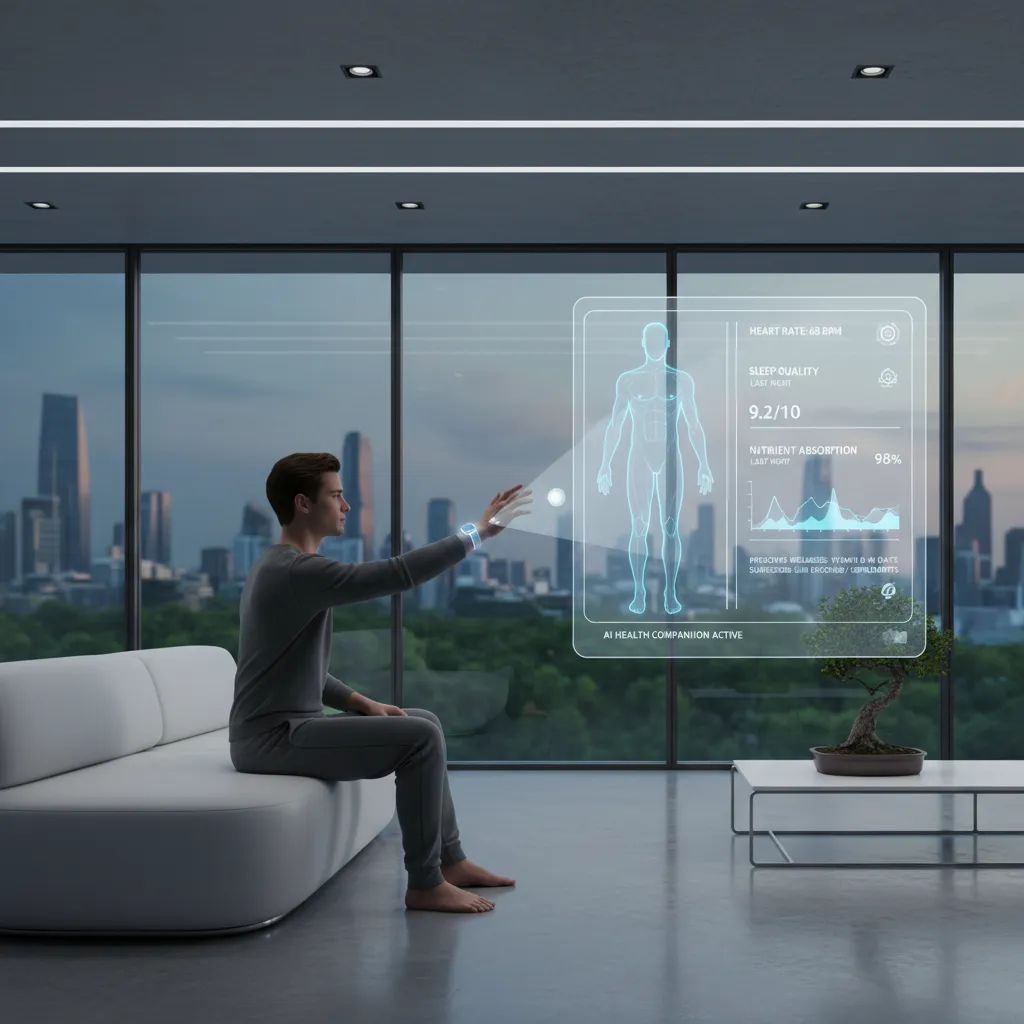
Wearable devices have evolved far beyond simple step counters. Modern wearable AI health devices, such as smartwatches, fitness trackers, and even smart rings, collect a wealth of physiological data in real-time: heart rate, sleep patterns, activity levels, skin temperature, blood oxygen, and even ECG readings.
AI plays a crucial role in:
- Data Interpretation: These devices generate massive amounts of raw data. AI algorithms process this data, identify meaningful trends, and provide actionable insights. For example, AI can detect irregular heart rhythms (like atrial fibrillation), analyze sleep stages, or track stress levels based on physiological markers.
- Personalized Wellness AI: Based on your activity, sleep, and recovery data, AI can offer personalized recommendations for exercise, nutrition, and stress management, helping you optimize your overall well-being.
- Early Anomaly Detection: AI can learn your baseline health patterns and alert you to significant deviations, prompting you to consult a doctor if something seems amiss.
This continuous, passive monitoring transforms personal health management, offering unprecedented insights into our bodies.
Remote Patient Monitoring AI
For patients with chronic conditions or those recovering from surgery, remote patient monitoring AI is a game-changer. It allows healthcare providers to keep a close eye on their patients’ health from a distance, improving convenience and reducing the need for frequent in-person visits.
- Continuous Data Collection: Devices connected to patients (e.g., blood pressure cuffs, glucose meters, smart scales) transmit data directly to a secure platform.
- AI-Powered Analysis: AI algorithms analyze this incoming data for concerning trends, changes in vital signs, or non-adherence to medication.
- Proactive Intervention: If AI detects a potential issue, it can alert the care team, allowing for timely intervention, adjusting medication, or scheduling a virtual consultation, preventing hospital readmissions or worsening conditions.
This form of digital health AI is particularly vital for aging populations, individuals in rural areas with limited access to specialists, and those requiring post-operative care.
AI-Powered Health Assistants and Smart Healthcare Solutions
Beyond monitoring, AI is also powering intelligent health assistants and platforms that offer personalized guidance and support.
- Virtual Nurses and Chatbots: AI-driven chatbots can answer patient questions, provide health information, help schedule appointments, and offer medication reminders, reducing the burden on human staff.
- Personalized Health Journeys: Some platforms use AI to create personalized health programs, guiding users through lifestyle changes, exercise routines, or stress reduction techniques based on their unique profiles and goals.
- Symptom Checkers: While not a substitute for professional medical advice, AI-powered symptom checkers can help users understand potential causes of their symptoms and guide them on whether to seek immediate medical attention or self-care.
These AI patient care innovations are making healthcare more accessible, engaging, and personalized, representing a key aspect of smart healthcare solutions. [Related: master-your-day-10-ai-tools-to-skyrocket-your-personal-productivity/]
Navigating the Future: Challenges and Ethical Considerations
While the promise of AI healthcare trends is immense, the journey isn’t without its complexities. As with any powerful technology, particularly one dealing with something as sensitive as human health, careful consideration of challenges and ethical implications is paramount. The successful integration of AI into healthcare requires more than just technological prowess; it demands thoughtful planning, robust safeguards, and ongoing societal dialogue.
Data Privacy and Security
The foundation of personalized and predictive healthcare is data – often highly sensitive personal health information (PHI). The collection, storage, and analysis of this data raise significant concerns about privacy and security.
- Breaches and Misuse: There is a constant risk of data breaches, which could expose confidential patient information to malicious actors. Ensuring robust cybersecurity measures is non-negotiable.
- Consent and Control: Patients must have clear understanding and control over how their health data is used, shared, and managed by AI systems.
- Anonymization Challenges: While efforts are made to anonymize data, completely de-identifying large, complex datasets can be challenging, especially when combining multiple data sources.
Protecting patient confidentiality and ensuring data integrity are foundational to building trust in AI driven health systems.
Algorithmic Bias and Fairness
AI algorithms learn from the data they are trained on. If this data is biased – for example, primarily reflecting the health profiles of a specific demographic – the AI’s predictions and recommendations may perpetuate or even amplify existing health disparities. This is a critical concern for ethical AI in medicine.
- Training Data Representation: Ensuring diverse and representative datasets is crucial to prevent biased outcomes, particularly in diagnostic tools or risk prediction models. If an AI is trained predominantly on data from one ethnic group, it might perform poorly when applied to another.
- Transparency and Explainability: The “black box” nature of some advanced AI models makes it difficult to understand why they make certain recommendations. In healthcare, where decisions have life-or-death implications, explainable AI (XAI) is vital for building trust among clinicians and patients.
- Fairness in Access: The benefits of advanced AI healthcare must be accessible to all, not just privileged populations or those in developed nations. Addressing digital divides and equitable distribution of smart healthcare solutions is key.
Addressing algorithmic bias requires continuous vigilance, diverse research teams, and a commitment to fair and equitable outcomes.
Regulatory Frameworks and Integration
The rapid pace of AI healthcare innovation often outstrips the development of regulatory frameworks. Governments and health authorities worldwide are grappling with how to effectively regulate AI-powered medical devices, diagnostic tools, and treatment recommendations.
- Safety and Efficacy: How do we validate the safety and efficacy of constantly evolving AI algorithms, especially those that learn and adapt over time? Traditional regulatory approval processes may not be agile enough.
- Accountability: Who is responsible when an AI makes a diagnostic error or recommends an ineffective treatment? Is it the developer, the clinician, or the hospital? Clear lines of accountability are needed.
- Integration into Workflow: Integrating AI tools seamlessly into existing clinical workflows, electronic health records, and medical practices is a significant logistical and cultural challenge. Clinicians need training and confidence in these new tools.
Establishing robust yet flexible regulatory pathways is essential to foster innovation while safeguarding patient well-being and promoting the widespread adoption of future of medicine technology.
The Road Ahead: Future of Healthcare AI
Despite the challenges, the trajectory of AI in healthcare is overwhelmingly positive. We are just scratching the surface of what’s possible, and the future of healthcare AI promises even more transformative advancements.
AI Healthcare Startups and Innovation
The healthcare AI landscape is teeming with innovation, driven by a vibrant ecosystem of AI healthcare startups. These agile companies are often at the forefront of developing specialized AI solutions for niche problems, from ultra-early disease detection to highly personalized wellness platforms. Venture capital funding in this sector continues to grow, fueling research and development in areas like:
- Digital Therapeutics: AI-powered software programs that deliver evidence-based therapeutic interventions to patients, sometimes replacing or complementing traditional drugs.
- Robotics in Surgery and Care: AI-guided surgical robots enhance precision and minimize invasiveness, while companion robots assist elderly or disabled individuals.
- Federated Learning: A privacy-preserving machine learning approach where AI models are trained on decentralized datasets at their source, without the data ever leaving the institutions, addressing privacy concerns.
These startups, often collaborating with established pharmaceutical companies and academic institutions, are pushing the boundaries of what’s achievable in AI medical research.
Continuous Learning and Adaptation
One of the most powerful aspects of AI, particularly machine learning healthcare, is its capacity for continuous learning and adaptation. As more patient data becomes available, as new research emerges, and as clinical outcomes are observed, AI models can refine their understanding and improve their performance.
- Real-time Optimization: Treatment algorithms can be continuously updated based on population-level responses, allowing for immediate improvements in patient care strategies.
- Personalized Evolution: An individual’s personalized health profile, monitored by AI, can evolve over time, adapting to changes in their lifestyle, aging, or new medical findings.
- Epidemiological Insights: AI can detect emerging health trends or disease outbreaks more rapidly than traditional surveillance methods, informing public health responses.
This dynamic nature ensures that AI health predictions and recommendations are always based on the most current and comprehensive knowledge available.
A Healthier You: The Ultimate AI Health Benefits
Ultimately, the goal of this entire AI revolution in healthcare is to foster a healthier global population. The AI health benefits are profound and multi-faceted:
- Improved Health Outcomes: Earlier diagnosis, more effective treatments, and proactive prevention lead to higher survival rates, better quality of life, and reduced disease burden.
- Greater Accessibility: AI-powered tools can extend the reach of specialized medical expertise to underserved populations, especially through telehealth and remote monitoring.
- Reduced Healthcare Costs: By preventing disease, optimizing treatments, and increasing efficiency, AI has the potential to significantly lower healthcare expenditures in the long run.
- Empowered Patients: Individuals gain unprecedented insights into their own health, enabling them to make more informed decisions and engage actively in their wellness journey.
- Accelerated Medical Progress: AI accelerates every stage of medical research and development, bringing us closer to cures for currently intractable diseases.

The vision of personalized wellness AI is not merely about extending lifespan, but about enhancing healthspan – ensuring more years of vibrant, active living. The future of medicine technology is bright, with AI as its guiding star, leading us toward a world where health is truly personalized, proactive, and within reach for everyone. [Related: master-your-day-10-ai-tools-to-skyrocket-your-personal-productivity/]
Conclusion
The AI revolution is not just a technological shift; it’s a profound transformation in how we understand, manage, and optimize human health. From the earliest moments of diagnosis through highly personalized treatment plans AI and continuous proactive wellness, artificial intelligence is reshaping every facet of the medical landscape. We’ve explored how AI in diagnostics is unmasking illnesses sooner, how AI and genomics are unlocking the secrets of our individual blueprints, and how wearable AI health devices are empowering us to become active participants in our own health journeys.
While challenges related to data privacy, algorithmic bias, and regulatory frameworks require careful navigation, the promise of predictive healthcare AI and precision medicine artificial intelligence remains undeniably compelling. The drive to leverage medical AI advancements for the greater good is fueled by dedicated researchers, innovative AI healthcare startups, and forward-thinking medical professionals.
At HiFi Studio And Mobile, we believe in a future where technology serves humanity, making our lives better, healthier, and more informed. The future of medicine technology is here, and it’s being written by the powerful synergy of human ingenuity and artificial intelligence. Embrace this revolution, understand its potential, and get ready for a healthier, more personalized future with AI as your intelligent health companion.
FAQs
Q1. What is the main difference between personalized and predictive healthcare?
Personalized healthcare uses an individual’s unique data (genetics, lifestyle, etc.) to tailor current treatments. Predictive healthcare uses AI to forecast potential health issues before they occur, enabling proactive prevention strategies. Both are integral to AI driven health.
Q2. How is AI improving disease diagnosis?
AI improves disease diagnosis through AI in diagnostics by analyzing medical images (like X-rays and MRIs) with high precision to detect subtle anomalies, processing vast amounts of patient data for early warning signs, and sifting through genomic information to identify disease markers, often faster and more accurately than traditional methods.
Q3. Can AI really help with drug discovery?
Yes, AI in drug discovery significantly accelerates the process by identifying novel drug targets, designing new molecular compounds, predicting their efficacy and toxicity, and optimizing clinical trials. This leads to faster development of new treatments and potential drug repurposing.
Q4. What role do wearables play in AI healthcare?
Wearable AI health devices collect real-time physiological data (heart rate, sleep, activity). AI algorithms then interpret this data to provide personalized wellness AI insights, detect health anomalies, and support remote patient monitoring, empowering individuals to manage their health proactively.
Q5. What are the ethical concerns surrounding AI in medicine?
Key ethical concerns for ethical AI in medicine include data privacy and security (protecting sensitive patient information), algorithmic bias (ensuring AI models are fair and don’t perpetuate health disparities), and accountability (determining responsibility for AI-driven decisions).
Q6. How does AI help manage chronic diseases?
AI for chronic disease management leverages remote monitoring, personalized alerts, and AI-driven coaching apps to track patient health parameters, provide medication reminders, offer lifestyle advice, and predict potential complications, helping patients adhere to treatment plans and improve their quality of life.
Q7. Is AI replacing doctors?
No, AI is not replacing doctors. Instead, it acts as a powerful tool to augment and enhance a clinician’s capabilities. AI assists with data analysis, diagnostics, and treatment planning, freeing up doctors to focus on complex decision-making, patient interaction, and empathetic care, leading to better outcomes for AI patient care innovation.
Q8. What does “precision medicine artificial intelligence” mean?
Precision medicine artificial intelligence refers to using AI to analyze an individual’s genetic, environmental, and lifestyle factors to guide personalized decisions about disease prevention, diagnosis, and treatment. It ensures therapies are precisely targeted for maximum effectiveness and minimal side effects, forming the core of AI personalized medicine.