Unlock Your Best Self: AI-Powered Personalized Wellness Journeys

Introduction
Have you ever felt lost in a sea of generic health advice? One-size-fits-all diets, cookie-cutter workout plans, and mindfulness tips that just don’t resonate. You’re not alone. For decades, wellness has been a broadcast, not a conversation. But what if your wellness plan knew you—your unique biology, your daily habits, your stress levels, and your personal goals? This isn’t science fiction; it’s the reality of the AI-powered personalized wellness journey.
Artificial intelligence is quietly revolutionizing our approach to health, shifting the paradigm from reactive treatments to proactive, AI-driven self-care. This new era of digital wellness AI moves beyond simple step counting. It’s about creating a deeply integrated, holistic wellness ecosystem tailored specifically to you. From your morning workout to your nightly sleep, AI is becoming the ultimate co-pilot on your AI health journey.
In this guide, we’ll explore how intelligent wellness systems are transforming every facet of our lives. You’ll discover how AI crafts bespoke fitness and nutrition plans, supports your mental well-being, and even helps predict future health risks, paving the way for a longer, healthier life. Get ready to unlock your best self.
The Dawn of Hyper-Personalization: Why Generic Wellness Fails
The fundamental flaw in traditional wellness is its failure to account for bio-individuality. Your body’s response to a particular food, exercise, or sleep pattern is as unique as your fingerprint, influenced by your genetics, lifestyle, and environment. A high-carb diet might work wonders for an endurance athlete but not for a sedentary office worker. This is where AI changes the game.
AI algorithms can process billions of data points that are impossible for the human mind to correlate. By analyzing your unique inputs, these systems deliver customized health solutions that evolve with you. This isn’t just about tracking data; it’s about translating that data into actionable, personalized insights. This commitment to AI for healthy living marks the end of guesswork and the beginning of precision-guided well-being.
The Core Engine: How AI Gathers and Interprets Your Data
The foundation of any personalized wellness journey is data. Modern smart health tech, particularly wearables, acts as the primary sensor for your body’s intricate ecosystem.
Devices like smartwatches, fitness trackers, and continuous glucose monitors are constantly collecting information:
- Heart Rate Variability (HRV): A key indicator of your body’s recovery state and readiness for stress.
- Sleep Cycles: Analyzing REM, deep, and light sleep to determine sleep quality.
- Activity Levels: Tracking not just steps, but intensity, duration, and type of movement.
- Blood Oxygen & Glucose Levels: Providing real-time metabolic health insights.
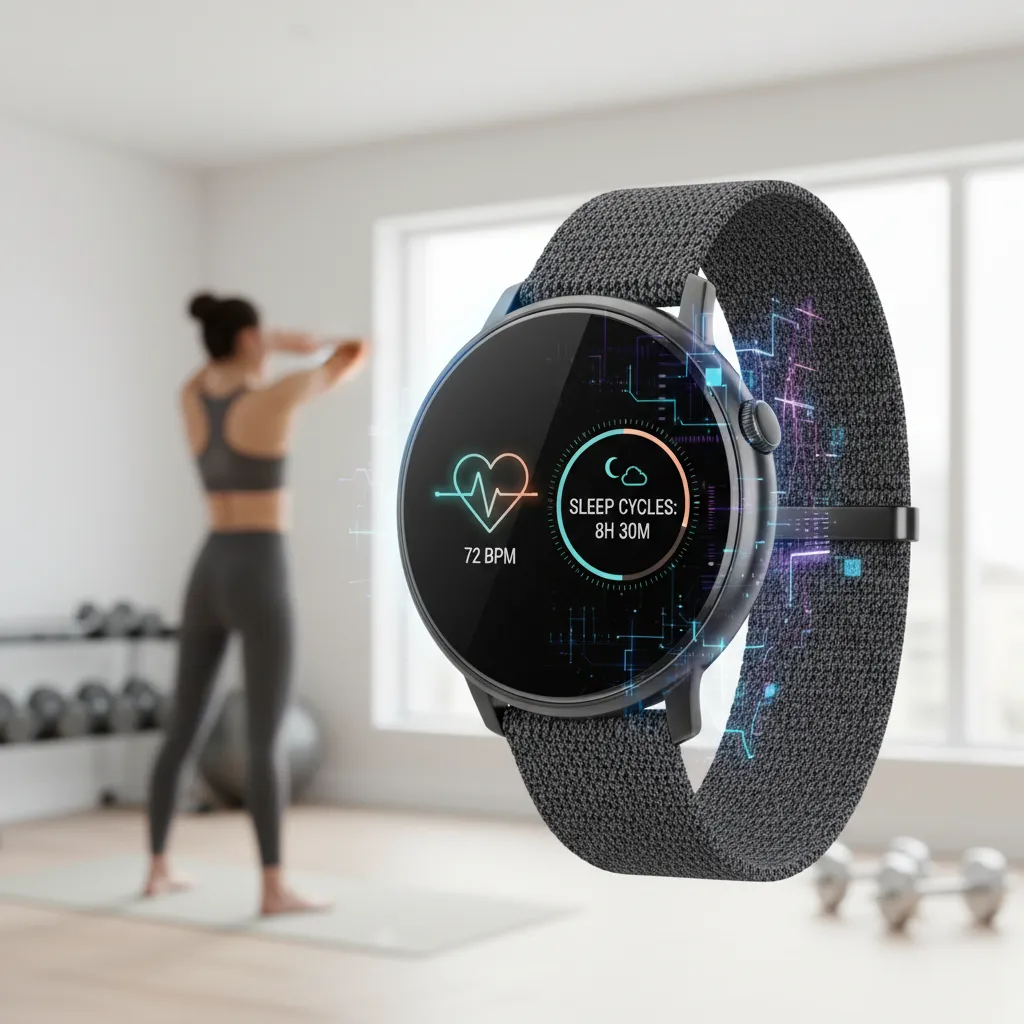
This stream of information is where AI health analytics shines. Sophisticated machine learning models analyze these inputs, identify hidden patterns, and build a comprehensive digital twin of your health profile. This allows your wearable AI health companion to understand cause and effect. For instance, it can correlate a poor night’s sleep with the late-afternoon coffee you had, or link a drop in HRV to an impending illness, offering you predictive health AI warnings. It’s a dynamic feedback loop designed for continuous health optimization AI.
Related: The Rise of Smart Rings: Your Next Wearable Tech Obsession
Crafting Your AI-Powered Fitness & Recovery Plan
Generic workout apps are a thing of the past. The future is adaptive, responsive, and incredibly personal. AI is not just your trainer; it’s your performance analyst and recovery coach rolled into one.
Beyond Rep Counting: Personalized Fitness AI in Action
Personalized fitness AI platforms do more than just give you a list of exercises. They create dynamic training plans that adjust based on your real-time performance and feedback.
- Adaptive Workouts: If you’re crushing your goals, the AI might increase the intensity. If your sleep data shows you’re fatigued, it might suggest a lighter session or a rest day.
- Real-Time Form Correction: Using your phone’s camera, some advanced AI apps can analyze your form during exercises like squats or push-ups, providing instant feedback to maximize effectiveness and prevent injury.
- Goal-Oriented Progression: Whether you’re training for a marathon or just want to improve your overall strength, the AI constantly adjusts your program to ensure you’re on the most efficient path to your goal.

Smart Recovery: The Key to Consistent Progress
Gains aren’t made in the gym; they’re made during recovery. Personalized recovery AI is a critical component of any serious fitness journey. By analyzing your HRV, sleep quality, and daily strain, these systems tell you when to push and when to pull back.
AI sleep tracking is the cornerstone of this process. Instead of just telling you how long you slept, it provides a detailed breakdown of your sleep architecture. It then offers actionable advice, like adjusting your room temperature, avoiding certain foods before bed, or suggesting a guided meditation to help you wind down. This intelligent approach ensures your body has the resources it needs to repair and grow stronger.
Related: AI Fitness Revolution: Personalized Workouts & Recovery
The AI Nutritionist: Fueling Your Body with Precision
Nutrition is arguably the most complex piece of the wellness puzzle. With endless conflicting diets and nutritional advice, it’s easy to get overwhelmed. AI cuts through the noise by delivering hyper-personalized dietary guidance.
AI nutrition plans go far beyond simple calorie counting. These systems can:
- Analyze Your Goals: Tailor recommendations for weight loss, muscle gain, or athletic performance.
- Consider Your Biometrics: Integrate data from wearables to adjust carb, protein, and fat ratios based on your daily activity.
- Factor in Preferences and Restrictions: Create meal plans that you’ll actually enjoy and can stick to, whether you’re vegan, gluten-free, or have specific allergies.
- Provide Smart Shopping Lists: Some apps can even generate a grocery list based on your week’s meal plan, streamlining the entire process.
Imagine pointing your phone at a plate of food and instantly getting a full macronutrient breakdown. Or receiving a recipe suggestion for dinner based on the ingredients you have in your fridge. This level of personalized diet AI makes healthy eating accessible, intuitive, and sustainable. This is a core part of creating a smart living AI environment in your home.

Related: AI for Eco-Friendly Smart Homes & Sustainable Living
Nurturing Your Mind: The Rise of AI in Mental Well-being
A truly holistic AI wellness approach must prioritize mental health. In our fast-paced world, stress, anxiety, and burnout are rampant. AI is emerging as a powerful, accessible tool for supporting our mental and emotional resilience.
Your Pocket Companion for AI Stress Management
AI mental well-being apps are providing on-demand support to millions. AI-powered chatbots, trained in methodologies like Cognitive Behavioral Therapy (CBT), can guide you through moments of anxiety, help you reframe negative thoughts, and teach you coping mechanisms. This form of AI emotional support is available 24/7, offering a judgment-free space to process your feelings.
Furthermore, biofeedback AI systems can connect with your wearable devices to detect physiological signs of stress, like an elevated heart rate. When stress is detected, the app might proactively suggest a 5-minute breathing exercise or a short walk, intervening before the stress becomes overwhelming.
Enhancing Mindfulness and Sleep
Meditation and mindfulness are proven stress-reducers, but many find it difficult to start or maintain a practice. AI-guided meditation apps personalize sessions based on your mood and experience level. Some use biofeedback to create responsive soundscapes that adapt to your brainwaves or heart rate, deepening your meditative state.

This ties directly back to sleep. Many apps offer AI-generated bedtime stories or soundscapes designed to calm a racing mind, using insights from your AI sleep tracking data to understand what works best for you.
Related: AI for Mental Wellness: A Personalized Path to a Healthier Mind
The Future is Predictive: From Prevention to Longevity
While today’s AI wellness tools are impressive, the most exciting wellness technology trends are focused on the future. The ultimate goal is to move from optimization to prediction and prevention.
Predictive health AI is the frontier. By analyzing long-term health data, AI models are beginning to identify subtle patterns that may signal the risk of chronic diseases like diabetes or heart conditions years in advance. This is the core of preventative health tech. Imagine your AI companion flagging a concerning trend in your blood pressure and suggesting specific lifestyle changes to mitigate the risk long before a doctor would notice a problem.
Some advanced systems are also making inroads in AI medical diagnostics. While not a replacement for a physician, AI can analyze images (like a skin mole) or symptoms to suggest when it might be time to seek professional medical advice.
Looking even further ahead, the field of AI longevity solutions aims to not just extend lifespan, but healthspan—the number of years we live in good health. By optimizing every facet of our biology, AI could become our most powerful ally in the quest for a long and vibrant life.
Related: Unlocking Claude 3.5 Sonnet: Real-World AI Applications & Use Cases
Choosing Your AI Wellness Companion: Navigating the App Landscape
With a flood of AI wellness apps on the market, choosing the right one can be daunting. Here are a few key factors to consider:
- Data Privacy & Security: Your health data is incredibly sensitive. Look for apps with a clear, transparent privacy policy. Understand who owns your data and how it’s being used.
- Scientific Backing: Are the app’s recommendations based on peer-reviewed science? The best platforms often have a scientific advisory board or partner with research institutions.
- Integration: A great AI wellness app should integrate seamlessly with your existing devices (Apple Watch, Oura Ring, etc.) to create a unified data picture.
- User Experience: The best tool is the one you’ll actually use. Find an app with an intuitive interface that presents complex data in an understandable and actionable way.
The Human Element: Ethical Considerations and Finding Balance
As we embrace this future of wellness tech, it’s crucial to remain mindful of the potential pitfalls. Over-reliance on technology can lead to a disconnect from our own intuition. Data privacy is a paramount concern, and we must be vigilant about how our sensitive health information is protected. Algorithmic bias is another risk; models trained on limited demographic data may not provide accurate recommendations for everyone.
The goal is not to outsource your well-being to a machine, but to use AI as an intelligent AI lifestyle coaching tool. It should empower you with information, not dictate your every move. It’s about augmenting your own judgment, not replacing it.
Related: The Ultimate Guide to a Digital Detox: Reclaim Your Focus
Conclusion
The AI-powered personalized wellness journey represents a seismic shift in how we manage our health. We are moving away from a world of generic advice and into an era of hyper-personalized, predictive, and preventative care. From the food we eat to the way we exercise, sleep, and manage stress, AI is providing the tools for unprecedented levels of self-awareness and optimization.
This is more than just a technological trend; it’s a movement towards democratizing personal health, giving everyone the power to become the architect of their own well-being. Your journey to unlocking your best self has a new co-pilot, and it’s powered by data, driven by intelligence, and centered entirely around you.
Ready to start your journey? Begin by exploring the apps connected to the wearables you already own and discover the insights waiting for you.
Related: Explore more articles on AI and digital lifestyle on our blog
FAQs
Q1. What is AI personalized wellness?
AI personalized wellness is the use of artificial intelligence to create customized health, fitness, and nutrition plans based on an individual’s unique biological data, lifestyle habits, and personal goals. It analyzes data from wearables and other sources to provide real-time, actionable insights for optimizing well-being.
Q2. How does AI create a personalized fitness plan?
AI creates a personalized fitness plan by analyzing your current fitness level, goals, available equipment, and biometric data like heart rate and sleep quality. The system then designs a dynamic workout schedule that adapts in real-time. If you’re fatigued, it might suggest a lighter workout; if you’re progressing well, it will increase the challenge to prevent plateaus.
Q3. Can AI help with mental health?
Yes, AI can be a valuable tool for mental well-being. AI-powered apps offer resources like guided meditations, stress-management exercises, and chatbots trained in therapeutic techniques like CBT. They provide accessible, 24/7 support for managing anxiety and improving emotional resilience.
Q4. Are AI wellness apps accurate and safe?
The accuracy of AI wellness apps varies. Reputable apps use scientifically validated methods and are transparent about their algorithms. For safety, it’s crucial to choose apps with strong privacy policies that protect your sensitive health data. Always remember that these apps are tools for well-being and not a substitute for professional medical advice.
Q5. What are the main benefits of using AI for your health journey?
The main benefits include hyper-personalization (plans tailored just for you), data-driven insights (discovering patterns you’d otherwise miss), proactive health management (identifying potential issues early), and consistency (providing motivation and adaptive coaching to help you stick to your goals).
Q6. What is the future of wellness technology?
The future of wellness tech is focused on being more predictive and preventative. Expect to see more integrated systems that analyze long-term data to forecast health risks, offer AI longevity solutions, and provide seamless coaching across all aspects of life, from nutrition and fitness to mental and emotional health.
Q7. How does wearable AI health technology work?
Wearable AI health technology uses sensors in devices like smartwatches or rings to collect continuous biometric data (e.g., heart rate, sleep patterns, activity). AI algorithms then process this data to identify trends, calculate readiness scores, and provide personalized feedback and recommendations directly to the user.