AI Powered Mindfulness: The Future of Stress Relief & Mental Well-being

In our hyper-connected world, the quest for a quiet mind feels more urgent than ever. We’re constantly bombarded with notifications, deadlines, and a relentless stream of information. While traditional mindfulness and meditation offer a powerful antidote, they often follow a one-size-fits-all approach that doesn’t resonate with everyone. What if you had a guide that understood your unique stress patterns, knew exactly when you needed to breathe, and tailored every session to your emotional state?
This isn’t science fiction. This is the reality of AI-powered mindfulness, a revolutionary intersection of ancient wisdom and cutting-edge technology. Artificial intelligence is no longer just for automating tasks or analyzing big data; it’s stepping into the deeply personal realm of mental wellness, offering sophisticated and accessible tools for stress relief.
In this comprehensive guide, we’ll explore the exciting world of AI mindfulness. We’ll break down how AI is personalizing meditation, providing real-time emotional support, and fundamentally changing our approach to mental well-being. From smart apps that act as virtual mindfulness coaches to the ethical considerations we must navigate, you’ll discover the future of stress relief and how you can harness these innovative tools for a calmer, more focused life.
The Dawn of a New Era: What Exactly is AI Mindfulness?
At its core, AI mindfulness is the application of artificial intelligence technologies to enhance and personalize mindfulness practices. Unlike a standard meditation app that offers a static library of pre-recorded sessions, AI-driven platforms create a dynamic, interactive, and adaptive experience.
Think of it as the difference between a generic workout video and a personal trainer. The video is helpful, but the trainer observes your form, understands your goals, and adjusts the plan in real-time. Similarly, AI for well-being moves beyond simple timers and audio tracks. It uses machine learning, natural language processing (NLP), and biometric data to understand you on a deeper level.
This technology aims to:
- Personalize Guidance: Offer meditation techniques and relaxation exercises tailored to your current mood and long-term patterns.
- Provide Data-Driven Insights: Help you recognize your stress triggers and understand the connections between your activities, mood, and physiological state.
- Increase Accessibility: Offer on-demand support, 24/7, making mental wellness tools more available than ever before.
- Promote Engagement: Create interactive experiences, like conversations with an AI coach, that keep you committed to your practice.
Essentially, AI mindfulness isn’t about replacing the core tenets of awareness and presence. It’s about building a smarter, more responsive framework to help you cultivate them more effectively in the context of your modern life.
How AI is Revolutionizing Stress Management and Mental Wellness
The true power of AI in this space lies in its ability to transform a passive listening experience into an active, responsive partnership for your mental health. It analyzes data to deliver precisely what you need, right when you need it, creating a new paradigm for digital well-being with AI.
Hyper-Personalization: Your Own Virtual Mindfulness Coach
The one-size-fits-all model is fading fast. Personalized mindfulness AI is the flagship benefit of this technological shift. These systems learn from your interactions to become highly attuned to your individual needs.
For example, an AI meditation app might start by asking about your current emotional state, energy levels, and the challenges you’re facing. Based on your answers, and by analyzing your past session ratings and journal entries, it can generate a unique guided meditation. If it learns that nature sounds help you relax but vocal guidance for breathing makes you anxious, it will adjust future sessions accordingly. This level of customization ensures that the practice resonates deeply, increasing its effectiveness.
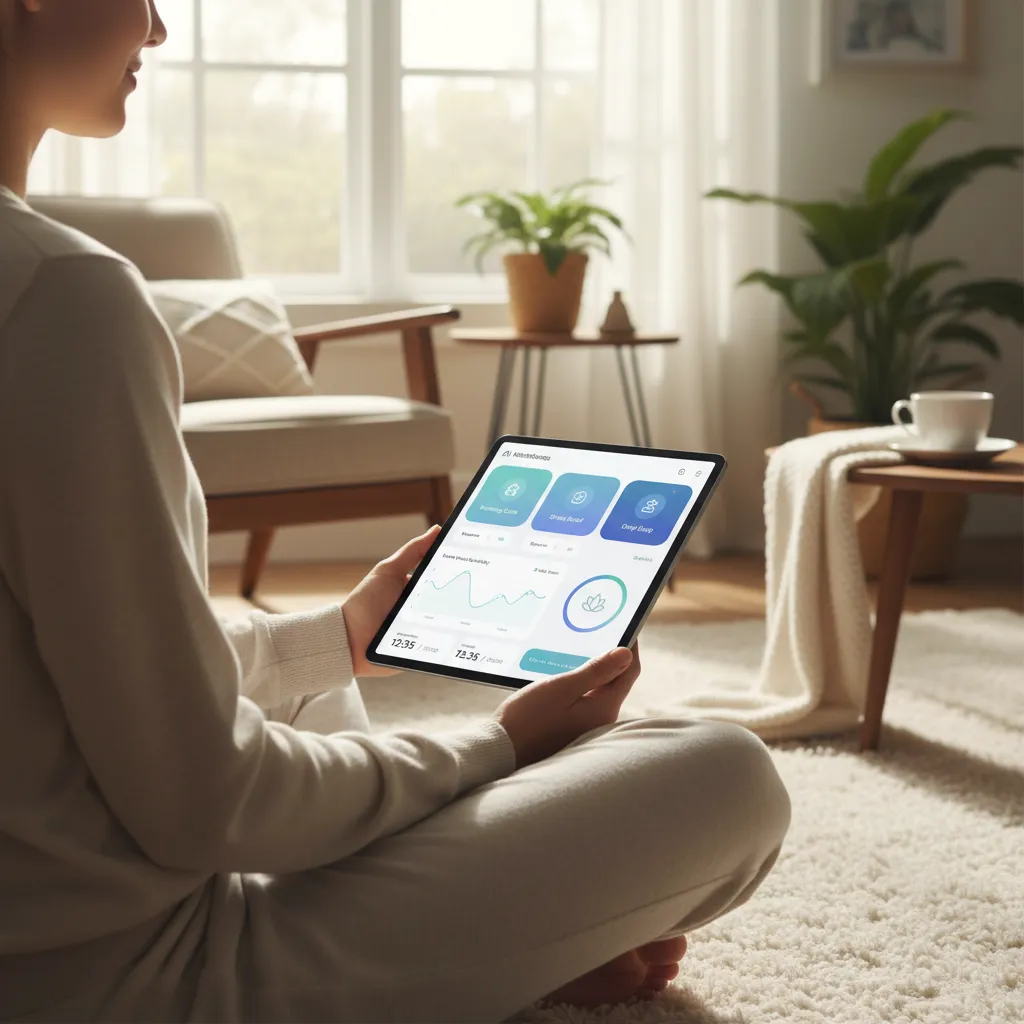
This is a profound shift. Instead of you searching for the right tool, the right tool is being built for you, dynamically, every single day. This is similar to how AI is changing other sectors, making experiences more relevant and effective. Related: The Future is Now: AI Revolutionizing Personalized Learning & Education
Real-Time Biofeedback and Emotional Regulation
One of the most exciting frontiers in AI for well-being is its integration with wearable technology. Your smartwatch, fitness tracker, or smart ring is constantly collecting a wealth of biometric data:
- Heart Rate (HR): A key indicator of your immediate stress response.
- Heart Rate Variability (HRV): A measure of the variation in time between heartbeats, which is a strong indicator of your nervous system’s resilience and recovery state.
- Skin Temperature: Can fluctuate with emotional arousal.
- Electrodermal Activity (EDA): Measures sweat gland activity, a marker of stress and emotional engagement.
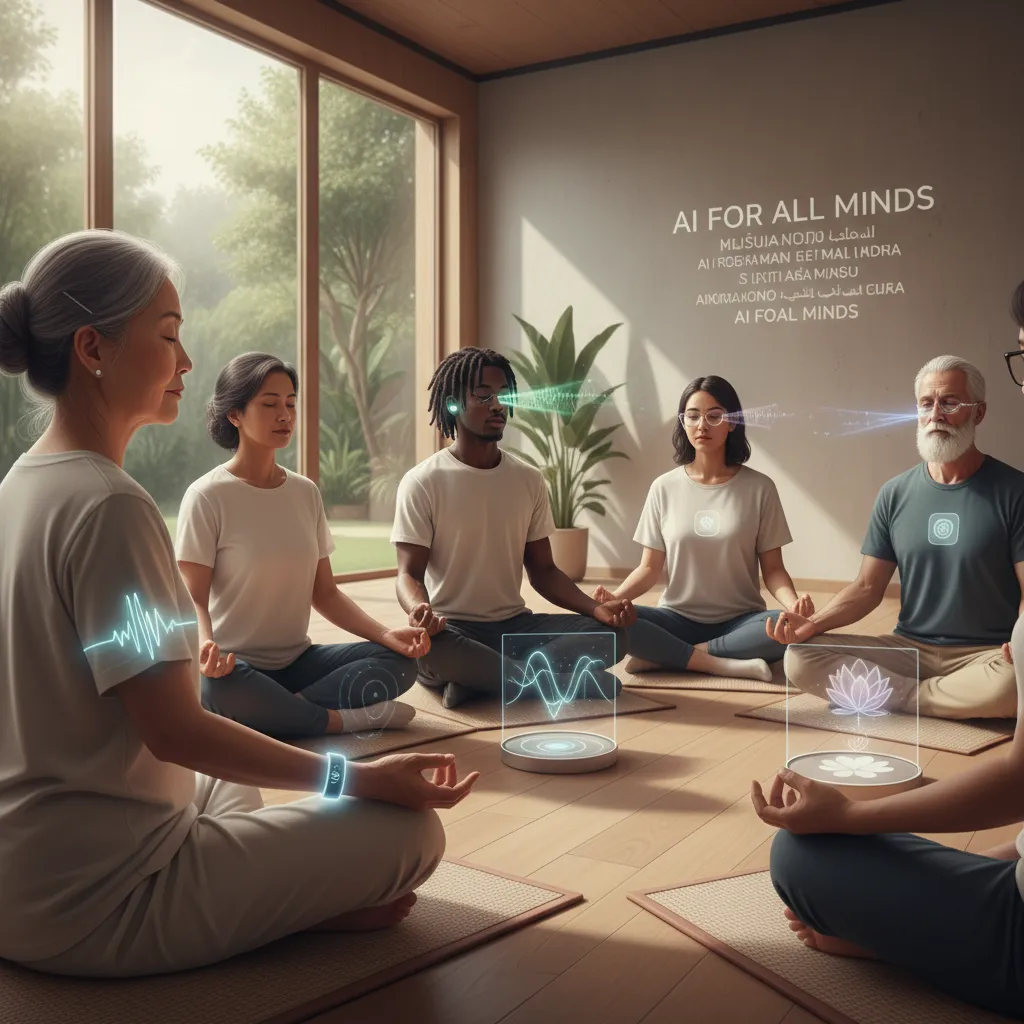
AI algorithms can analyze this data in real-time. If your smartwatch detects a sudden spike in your heart rate and a drop in your HRV during a busy workday, an AI mindfulness app could send a gentle notification: “It looks like you might be feeling stressed. Would you like to take three minutes for a guided breathing exercise?” This proactive intervention can be a game-changer, helping you develop AI emotional regulation skills by addressing stress in the moment it occurs, rather than long after it has built up.
Intelligent Mood Tracking and Pattern Recognition
How often do you feel anxious or irritable without knowing why? AI tools for anxiety relief are becoming incredibly sophisticated at helping us connect the dots. By using AI for cognitive well-being, apps can move beyond simple mood logging (“I feel happy/sad/anxious”) to uncover the underlying patterns driving your emotional health.
Through NLP, an AI journaling app can analyze your written entries for sentiment, key themes, and recurring topics. Over time, it might identify a correlation you missed—for example, that you tend to report higher stress levels on days following poor sleep or after meetings with a specific person.
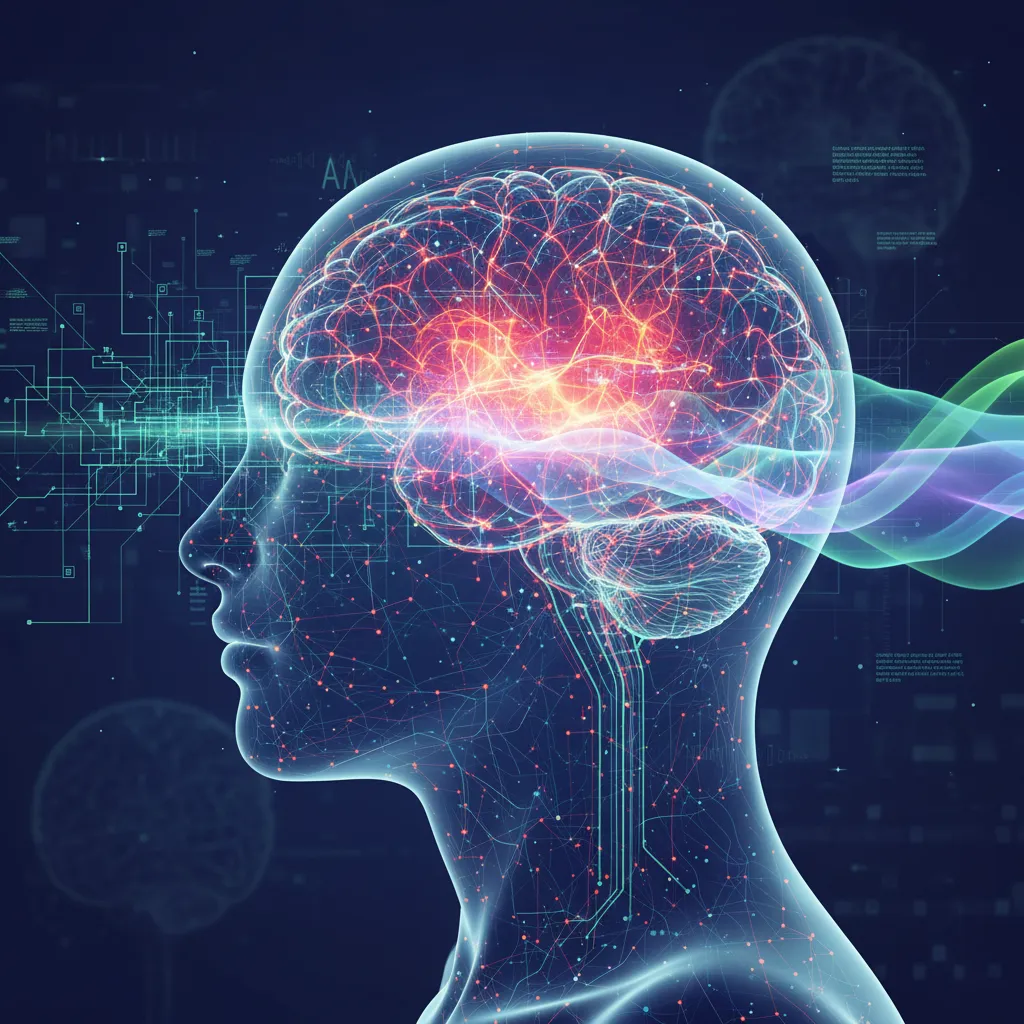
These insights, presented in clear, easy-to-understand visuals, empower you to make proactive changes to your lifestyle and environment. This data-driven self-awareness is a cornerstone of how AI improves mental health, turning your smartphone into a powerful tool for self-discovery.
Accessible and On-Demand Mental Health Support
While AI is not a substitute for professional therapy, it offers a crucial first line of support. AI mental health support in the form of chatbots and virtual coaches provides an accessible, non-judgmental space for users to talk through their feelings, 24/7.
These virtual mindfulness coaches can guide users through cognitive behavioral therapy (CBT) exercises, teach AI relaxation techniques, and offer a listening ear during a moment of crisis. For many, the anonymity and immediate availability of an AI tool can lower the barrier to seeking help, serving as a vital bridge to more traditional forms of care. The conversational nature of modern AI makes these interactions feel increasingly natural and supportive. Related: GPT-4o: The Future of AI is Here and It’s Free
A Closer Look: The Technology Powering AI Mindfulness
To truly appreciate the innovation, it helps to understand the core technologies working behind the scenes. This isn’t magic; it’s a sophisticated symphony of algorithms and data processing.
- Machine Learning (ML): This is the engine of personalization. ML algorithms analyze your feedback, usage patterns, and biometric data to continuously refine their recommendations. The more you use the app, the smarter it gets at predicting which meditation style, duration, or topic will benefit you most.
- Natural Language Processing (NLP): NLP allows AI to understand and interpret human language. This is crucial for analyzing journal entries, understanding your spoken requests, and enabling conversational AI coaches to respond with empathy and relevance.
- Sensor Fusion: This involves combining data from multiple sources—your phone’s accelerometer, your smartwatch’s heart rate sensor, your manual mood entries—to create a holistic, multi-dimensional view of your well-being.
- Generative AI: The latest evolution in AI can create entirely new content. In mindfulness, this means generating dynamic meditation scripts on the fly, tailored to your specific situation, rather than just playing a pre-recorded file. This is a game-changer for variety and personalization. Related: Mastering Generative AI: Your Guide to Next-Gen Content Creation
Top AI-Powered Apps and Smart Tools for Stress Reduction
The market for AI apps for stress management is booming. While many apps claim to use AI, some are more sophisticated than others. Here’s a look at some of the key players and categories shaping the mindfulness technology trends.
Category 1: AI-Guided Meditation Apps
These apps are the cornerstone of the AI mindfulness movement, using algorithms to create personalized meditation pathways.
- Balance: This app stands out for its deep personalization. It asks daily questions about your experience and goals to build a completely unique program for you.
- Headspace: While known for its vast library, Headspace integrates AI to recommend specific sessions based on your mood and recent activity, helping you navigate their extensive content.
- Calm: Similar to Headspace, Calm uses AI to personalize recommendations and surface relevant content, from sleep stories to meditations, based on your usage patterns.
Category 2: AI Conversational Agents & Chatbots
These apps provide interactive mental health support, acting as AI therapy alternatives for daily check-ins and guided exercises.
- Wysa: This AI chatbot is designed as an emotionally intelligent “penguin” companion. It uses evidence-based techniques like CBT and DBT to help you talk through challenges and learn coping skills.
- Youper: Positioned as an AI-powered emotional health assistant, Youper guides you through interactive conversations to understand your emotions, track your mood, and monitor symptoms.
Category 3: AI-Integrated Wearables & Biofeedback Devices
These smart tools for stress reduction connect your physical state to your mental state.
- Oura Ring & Whoop: These devices provide detailed analysis of your sleep and recovery (including HRV). Their companion apps use this data to give you a “readiness” score, helping you understand when to push yourself and when to prioritize rest and mindfulness.
- Apple Watch: The “Mindfulness” app includes features like “Breathe” and “Reflect,” and its health tracking system monitors metrics like HRV, providing data that other AI apps can leverage for deeper insights into your AI and brain health.
The Ethical Compass: Navigating Challenges in AI Mental Health
With great power comes great responsibility. As we embrace AI mental health support, it’s crucial to address the ethical considerations. The conversation around ethical AI in mental health is vital for ensuring these tools are used safely and effectively.
Data Privacy and Security
Mental health data is among the most sensitive personal information there is. Users must be confident that their mood logs, journal entries, and biometric data are encrypted, secure, and used responsibly. It’s essential to choose services with transparent privacy policies that clearly state how your data is handled.
Algorithmic Bias and Inclusivity
AI models are trained on data. If that data is not diverse and representative of different cultures, genders, and life experiences, the resulting AI may not be effective or could even be harmful for certain populations. Ensuring these tools are inclusive and culturally competent is a major challenge for developers.
The Risk of Over-Reliance
It’s critical to remember that AI mindfulness tools are supplements, not replacements for professional human care. They are fantastic for building self-awareness and managing daily stress, but they cannot diagnose a condition or provide the nuanced support of a licensed therapist. The goal is to use AI to empower individuals, not to create a dependency that prevents them from seeking human connection when it’s needed most. This is a central debate in many new AI-human interfaces. Related: The Humane AI Pin: Future or Flop? A Deep Dive
The Horizon Beckons: The Future of AI in Mental Wellness
The field of AI-powered mindfulness is just getting started. The future of AI in mental wellness points toward even deeper integration and more profound capabilities.
Imagine a future where your smart home environment adjusts to support your mental state. If your wearable device detects high stress, your smart lighting could dim and shift to warmer tones, and your smart speaker might suggest a 5-minute breathing exercise. Related: Sustainable Smart Homes: The Ultimate Guide to Eco-Friendly Tech
We can also expect more sophisticated virtual mindfulness coaches that use advanced generative AI to hold deeply empathetic and insightful conversations. These digital companions could help with everything from improving focus with AI to providing long-term support for cognitive well-being. In clinical settings, AI could be used to detect early signs of mental health conditions from subtle changes in speech patterns or behavior, enabling earlier and more effective intervention.

Conclusion: Your Personalized Path to Peace
The intersection of artificial intelligence and mindfulness marks a pivotal moment in the history of mental well-being. We are moving away from a one-size-fits-all approach and into an era of deeply personalized, data-driven, and accessible support. AI-powered tools are giving us unprecedented insight into our own minds, helping us understand our stress triggers, regulate our emotions, and build resilient mental health practices.
From AI guided meditation apps that adapt to our mood to wearables that offer real-time biofeedback, these innovative stress solutions are empowering us to take an active role in our psychological health. While we must proceed with a mindful eye on the ethical implications of data privacy and algorithmic bias, the potential benefits are immense.
The future of stress relief isn’t about replacing ancient wisdom but augmenting it with the power of modern technology. The best AI for mental peace is the one that seamlessly integrates into your life, acting as a compassionate guide on your unique journey to calm and clarity. Why not explore one of these tools today and take the first step into the future of well-being?
Frequently Asked Questions (FAQs)
Q1. What is AI mindfulness?
AI mindfulness is the use of artificial intelligence technologies to create personalized and adaptive mindfulness experiences. Unlike traditional apps with static content, AI platforms analyze user data—such as mood, feedback, and biometrics—to tailor meditation sessions, relaxation techniques, and mental health support to an individual’s specific needs in real-time.
Q2. Is AI actually effective for stress relief?
Yes, many users find AI-powered tools effective for stress relief. By providing personalized guidance, real-time biofeedback from wearables (like heart rate variability), and identifying personal stress patterns, AI can help users intervene in moments of stress more effectively. The 24/7 accessibility also means support is available whenever it’s needed most.
Q3. Can AI replace a human therapist?
No. AI tools should be viewed as a supplement to, not a replacement for, professional human therapists. While AI mental health support is excellent for daily stress management, building coping skills, and providing immediate support, it cannot diagnose conditions or offer the nuanced, complex, and empathetic care that a licensed mental health professional provides.
Q4. How does AI personalize meditation?
AI personalizes meditation primarily through machine learning. It collects data from your session ratings, journal entries, mood check-ins, and sometimes biometric data from wearables. The algorithm then analyzes this information to understand what works for you—be it a specific guide’s voice, certain types of music, or particular breathing techniques—and recommends or generates new sessions that are more likely to be effective for you.
Q5. What are some examples of AI mental health apps?
Popular examples include Balance, which creates a highly personalized meditation plan; Wysa, an AI chatbot that acts as a conversational companion for emotional support; and Youper, an AI assistant that guides users through mood tracking and psychological exercises. Wearable apps from Oura and Whoop also use AI to analyze biometric data for mental wellness insights.
Q6. Is my data safe with AI wellness apps?
Data privacy is a major concern. Reputable apps use end-to-end encryption and have clear, transparent privacy policies explaining how your data is stored and used. It is crucial for users to read these policies before using an app and to choose services that prioritize data security, especially given the sensitive nature of mental health information.