AI’s Mental Health Revolution: Personalized Care & Future Well-being

Introduction
In an era defined by rapid technological advancement, artificial intelligence (AI) is not just transforming industries; it’s quietly initiating a profound revolution in perhaps one of the most personal and critical aspects of human existence: mental health. For too long, mental wellness has been shrouded in stigma, burdened by accessibility gaps, and often limited by one-size-fits-all approaches. However, the rise of AI mental health solutions promises a future where support is not only more accessible but also deeply personalized, proactive, and seamlessly integrated into our daily lives.
From sophisticated mental health chatbots providing immediate support to advanced algorithms offering personalized mental care AI based on individual needs, AI is reshaping how we understand, monitor, and manage our emotional and psychological well-being. This article delves into the heart of this transformation, exploring the innovative ways artificial intelligence therapy is being deployed, the significant benefits it offers, and the critical ethical considerations we must navigate. Join us as we uncover the future of mental health tech and how AI is paving the way for a more compassionate, efficient, and truly personalized approach to well-being.
The Unseen Crisis: Why Mental Health Needs a Revolution
The global landscape of mental health presents a stark reality. Millions worldwide grapple with conditions ranging from anxiety and depression to more complex disorders, often silently and without adequate support. The World Health Organization estimates that one in eight people globally lives with a mental disorder. Compounding this challenge are critical issues like:
- Access Barriers: Geographic isolation, financial constraints, and a severe shortage of qualified mental health professionals leave vast populations underserved.
- Stigma: The enduring societal stigma surrounding mental illness often prevents individuals from seeking help, delaying intervention and exacerbating conditions.
- Lack of Personalization: Traditional mental healthcare, while invaluable, can struggle to adapt to the nuanced and evolving needs of each individual. Treatment plans are often generalized, making it difficult to achieve optimal outcomes for everyone.
- Reactive Care: Mental health support often kicks in only when a crisis hits, rather than offering proactive, preventative measures.
These systemic shortcomings highlight an urgent need for innovative solutions that can bridge gaps, reduce stigma, and deliver more effective, scalable, and responsive care. This is precisely where AI steps in, offering a glimmer of hope for a truly revolutionary shift.
AI’s Foundational Role: More Than Just Chatbots
When many people think of AI in mental health, their minds often jump to mental health chatbots. While these conversational agents are indeed a prominent and impactful application, AI’s role extends far beyond simple dialogue systems.
Early iterations of AI in this space focused on providing immediate, text-based support, mimicking human conversation to offer guidance, coping strategies, and a non-judgmental listening ear. These AI psychological support tools have proven invaluable for individuals seeking initial help, particularly those hesitant to approach a human therapist due to stigma or accessibility issues.
 Smartwatch displaying health metrics for mental wellness
However, the real power of AI lies in its capacity for advanced data analysis and pattern recognition. AI algorithms can process vast amounts of data – from anonymized user interactions and survey responses to linguistic cues in speech and text – to identify trends, predict potential mental health deteriorations, and even recommend tailored interventions. This capability moves us beyond reactive measures towards a more proactive and preventative model of care.
For instance, natural language processing (NLP), a branch of AI, allows these systems to understand the subtleties of human language, detecting shifts in mood, sentiment, and cognitive patterns. This deeper analytical capability forms the backbone of advanced digital mental health solutions, enabling them to offer more sophisticated support than ever before. [Related: The AI Revolution: Personalized and Predictive Healthcare for a Healthier You]
The Power of Personalization: AI-Driven Tailored Care
One of the most transformative aspects of AI in mental health is its ability to deliver truly personalized mental care AI. Unlike traditional approaches that might apply broad therapeutic frameworks, AI can adapt and evolve its support based on an individual’s unique data, progress, and preferences.
Imagine an AI system that learns your specific triggers, understands your communication style, and recommends coping mechanisms that have proven effective for you. This is the promise of AI-powered therapy. By analyzing anonymized data from user interactions, mood logs, and even biometric inputs, AI can:
- Tailor Interventions: If a user responds well to mindfulness exercises for anxiety, the AI can prioritize similar techniques. If cognitive restructuring proves more effective for managing negative thoughts, the AI can guide them through those processes. This dynamic adaptation makes treatment more effective and engaging.
- Match Resources: AI can connect users with the most appropriate content, exercises, or even human professionals based on their specific symptoms, cultural background, and expressed needs.
- Monitor Progress: Continuously track a user’s emotional state, adherence to suggestions, and overall well-being, adjusting its approach in real-time.
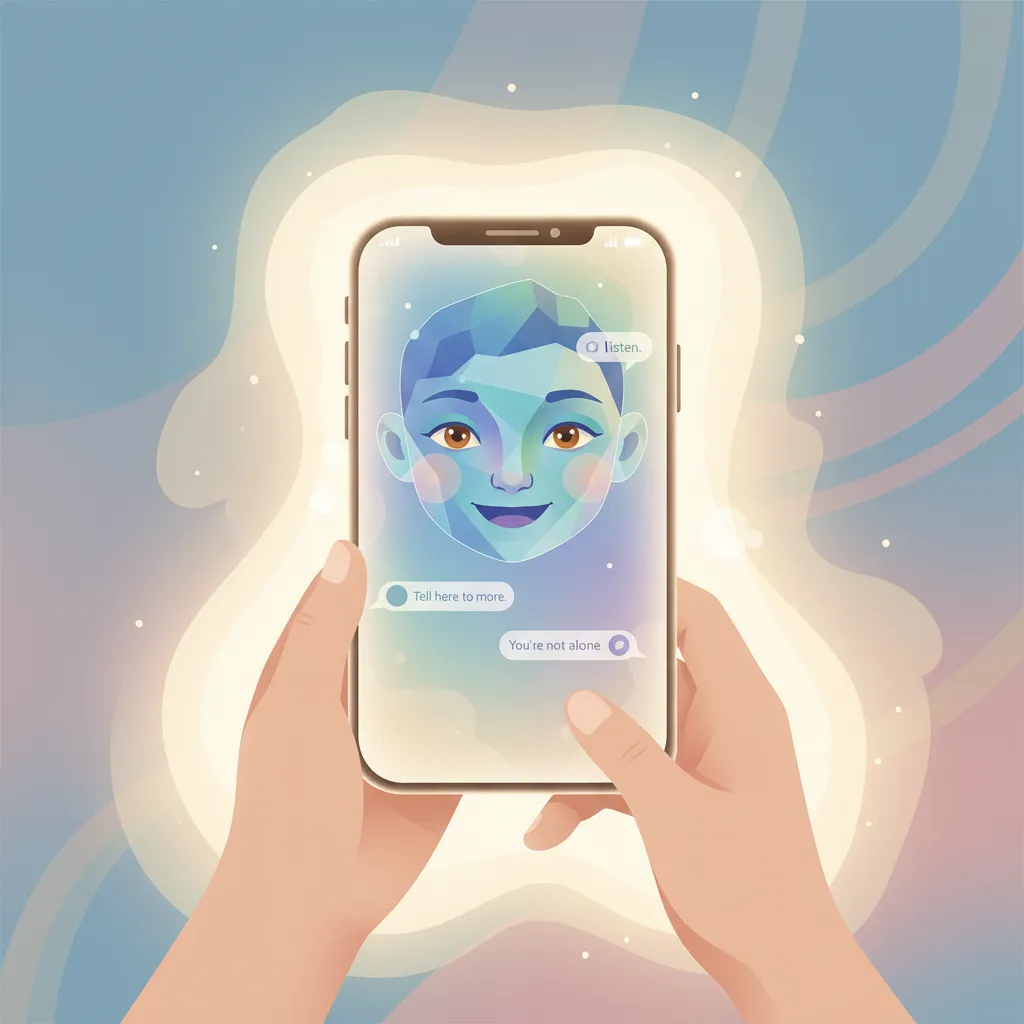
 AI-driven personalized therapy graphic
Dynamic Assessment and Real-time Support
The static nature of traditional assessment can be a limitation. A questionnaire completed once might not capture the fluctuations of a person’s mental state. AI changes this by enabling continuous, dynamic assessment. Through ongoing interactions within mental wellness apps AI, AI can detect subtle shifts in a user’s language, activity patterns, or reported mood. This allows for:
- Real-time Feedback: Providing immediate support or suggesting a specific coping tool precisely when it’s needed, rather than waiting for a scheduled session.
- Adaptive Learning: The AI continuously learns from its interactions, refining its models to become more effective for the individual over time.
Predictive Analytics for Proactive Intervention
Beyond reacting to current symptoms, AI offers an unprecedented opportunity for proactive mental health management. By leveraging AI mental health research and complex algorithms, AI can analyze patterns that might precede a mental health crisis. For example, changes in sleep patterns, social media activity, communication style, or even physical activity levels (detected through wearable tech mental health) could signal an impending depressive episode or anxiety attack.
This capability for mental health monitoring AI allows for early intervention, potentially preventing a crisis before it fully develops. A proactive alert, a gentle nudge towards a coping strategy, or a recommendation to connect with a human professional can make a profound difference. This shift from reactive to proactive care is a cornerstone of the future of mental health tech. [Related: AI Revolution: Personalized & Predictive Healthcare for a Healthier You]
A Spectrum of AI-Powered Mental Wellness Tools
The application of AI in mental health is incredibly diverse, encompassing a wide array of tools and platforms designed to support various aspects of well-being.
Virtual Therapists and CBT AI
One of the most significant advancements is the development of virtual mental health platforms and AI systems capable of delivering evidence-based therapeutic techniques. Cognitive behavioral therapy AI (CBT AI), for example, empowers users to identify and challenge negative thought patterns and develop healthier coping mechanisms. While not a replacement for human therapists, these AI systems can:
- Provide Structured Programs: Guide users through structured CBT modules, psychoeducation, and exercises at their own pace.
- Offer Practice Opportunities: Allow users to practice newly learned skills in a safe, private environment, reinforcing therapeutic concepts.
- Increase Accessibility: Make effective therapies available to individuals who might not have access to a human CBT therapist due to cost, location, or availability.
These AI-powered therapy solutions often integrate conversational AI with interactive exercises, journaling prompts, and mood tracking, offering a comprehensive self-help toolkit.
Mental Wellness Apps & Wearable Tech
The ubiquity of smartphones and smart devices has created a fertile ground for mental wellness apps AI. These applications leverage AI to:
- Mood Tracking: Analyze user-inputted mood data, identifying patterns and triggers.
- Mindfulness and Meditation: Personalize guided meditations and mindfulness exercises based on user preferences and goals. This is a powerful application of AI for mindfulness.
- Stress Management AI: Offer personalized breathing exercises, relaxation techniques, and activity suggestions to reduce stress.
- Sleep Improvement: Integrate with sleep tracking data to provide insights and recommendations for better sleep hygiene, which is crucial for mental well-being.
Furthermore, the rise of wearable tech mental health is adding another layer of data-driven insight. Smartwatches and rings can monitor physiological markers like heart rate variability, sleep quality, and activity levels – all of which are correlated with mental states.
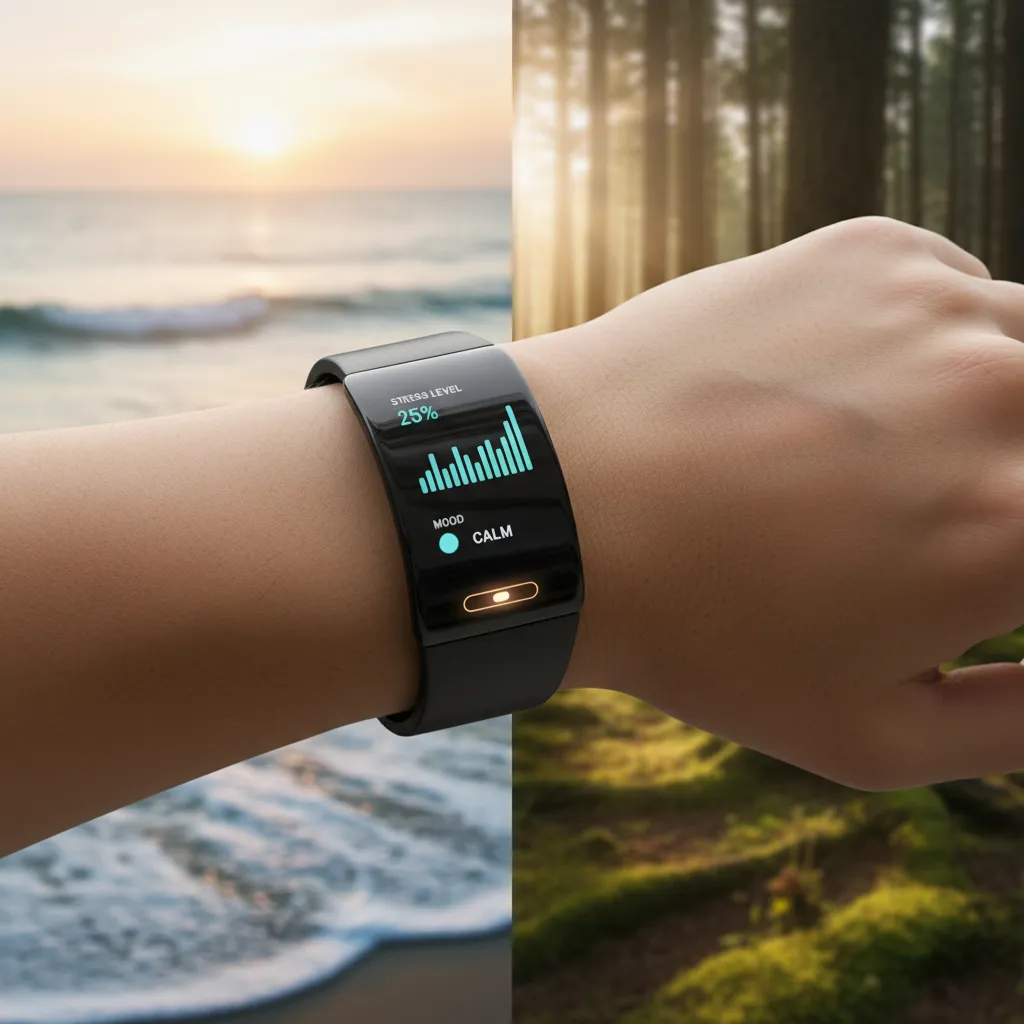 Smart ring or watch monitoring mental health
AI algorithms can interpret these complex data streams to detect anomalies or trends that might indicate rising stress levels, anxiety, or even early signs of depression. This continuous, passive monitoring allows for extremely early detection and intervention, moving beyond self-reported data to provide objective physiological insights.
AI in Psychiatry and Clinical Support
Beyond direct consumer applications, AI is also revolutionizing the clinical landscape, supporting psychiatrists and mental health professionals. AI in psychiatry can:
- Aid Diagnosis: By analyzing patient data, medical history, and even linguistic patterns in clinical interviews, AI can assist clinicians in making more accurate and timely diagnoses. This isn’t about AI diagnosing independently, but about providing powerful diagnostic support.
- Personalize Treatment Plans: Based on vast datasets of treatment outcomes, AI can suggest the most effective medication regimens or therapeutic approaches for specific patient profiles.
- Monitor Treatment Efficacy: Track patient progress in response to treatment, flagging if an intervention isn’t working as expected and suggesting adjustments.
- Reduce Administrative Burden: Automate routine tasks, freeing up clinicians to focus more on direct patient care.
This integration of AI is driving significant mental health innovation, making clinical practice more efficient, precise, and ultimately, more patient-centric. These are truly digital therapeutics mental health solutions.
Navigating the Ethical Labyrinth: Trust, Privacy, and Bias
While the potential of AI in mental health is immense, its implementation is not without complex ethical considerations. To ensure that this revolution truly benefits humanity, we must carefully navigate issues of trust, privacy, bias, and the crucial role of human connection. This is the realm of ethical AI mental health.
Data Privacy and Security
Mental health data is among the most sensitive personal information an individual possesses. The collection, storage, and processing of this data by AI systems raise significant privacy concerns. Privacy mental health AI demands:
- Robust Encryption: Ensuring all data is encrypted both in transit and at rest.
- Anonymization: Aggregating and anonymizing data wherever possible to protect individual identities.
- Transparent Policies: Clearly communicating to users what data is collected, how it’s used, and who has access to it.
- Compliance: Adhering to strict regulatory frameworks like HIPAA (in the US) and GDPR (in Europe) to safeguard patient information.
A breach of trust in this area could severely undermine the adoption and effectiveness of AI mental health solutions.
Algorithmic Bias and Fairness
AI systems are only as unbiased as the data they are trained on. If training data disproportionately represents certain demographics or cultural contexts, the AI might exhibit algorithmic bias, leading to less effective or even harmful outcomes for underserved populations. For example, an AI trained primarily on data from Western, English-speaking populations might misinterpret expressions of distress or cultural nuances from other groups.
Addressing bias requires:
- Diverse Data Sets: Training AI models on broad and representative datasets that account for cultural, linguistic, and socio-economic diversity.
- Bias Detection and Mitigation: Actively identifying and correcting biases within algorithms through rigorous testing and auditing.
- Continuous Improvement: Regularly evaluating and updating AI models to ensure fairness and equity across all user groups.
The Human Element: AI as a Supplement, Not a Replacement
Perhaps the most fundamental ethical consideration is the role of human connection. Can AI truly replicate empathy, intuition, and the nuanced understanding that a human therapist provides? Most experts agree: AI is a powerful tool to augment, not replace, human care.
AI therapist tools should be viewed as complements to, rather than substitutes for, human interaction. They can provide initial support, ongoing monitoring, coping strategies, and even act as a bridge to human therapists. The therapeutic relationship, built on trust and emotional connection, remains a unique and vital component of mental health healing. Ethical deployment of AI emphasizes collaboration between technology and human expertise.
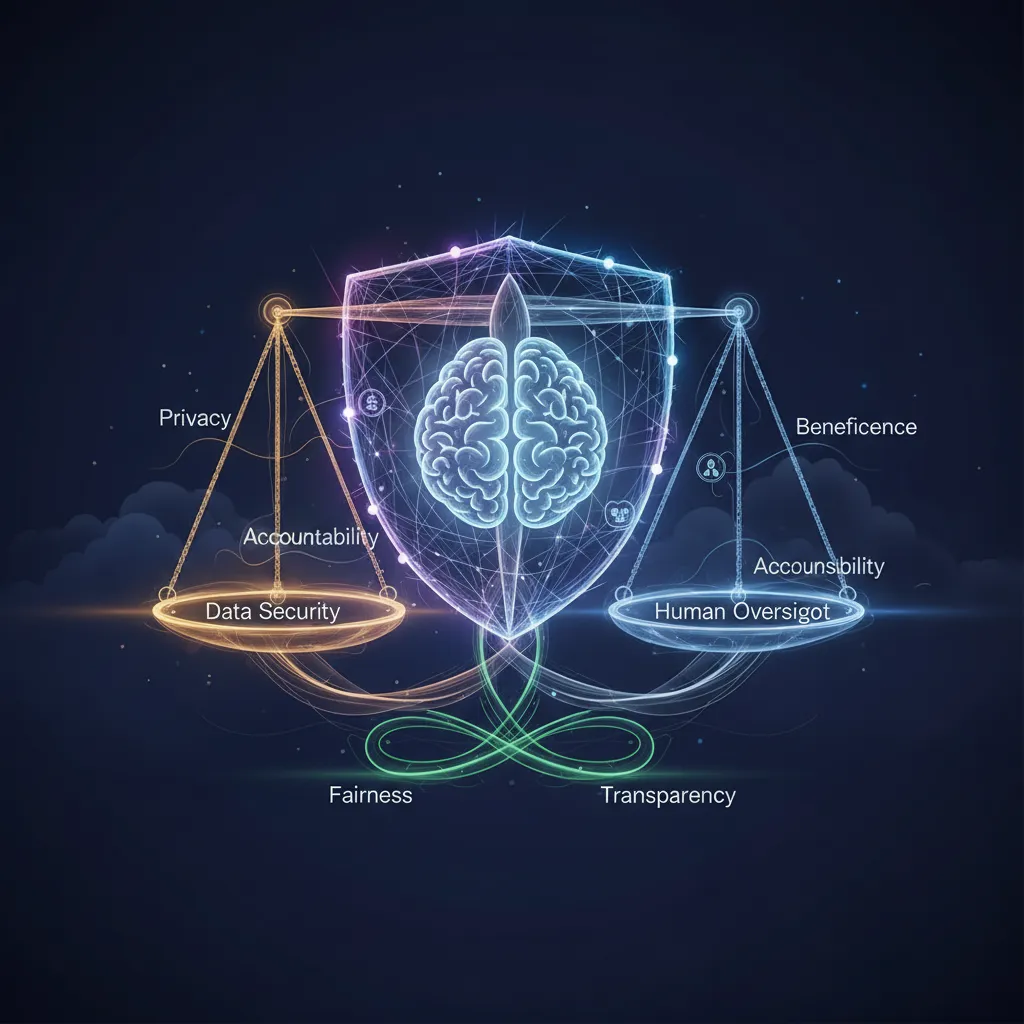 Abstract depiction of AI ethics in mental health
Striking this balance ensures that while AI enhances efficiency and accessibility, it doesn’t inadvertently diminish the profound impact of genuine human compassion.
The Road Ahead: Future of Mental Health Tech with AI
The journey of AI in mental health is still in its early stages, yet the trajectory points towards a future brimming with exciting possibilities and continuous innovation. The future of mental health tech will likely be characterized by increasingly sophisticated, integrated, and personalized solutions.
Deeper Integration with Holistic Wellness
Expect AI mental health platforms to integrate more seamlessly with broader wellness ecosystems. This means connecting with physical health data, nutrition tracking, social activity, and environmental factors. A truly holistic AI mental health approach will understand the interconnectedness of mind and body, offering integrated recommendations for overall well-being. Imagine an AI that not only suggests mindfulness exercises for stress but also flags dietary patterns contributing to fatigue or recommends specific physical activities known to boost mood. [Related: Spatial Computing Unveiled: The Next Frontier of Immersive Technology]
Advanced Predictive Models and Early Intervention
AI mental health research will continue to refine predictive analytics, moving beyond detecting potential issues to anticipating them with even greater accuracy. This will involve:
- Digital Biomarkers: Identifying more subtle “digital biomarkers” from our interactions with technology, speech patterns, and even keyboard dynamics that can signal early changes in mental state.
- Precision Psychiatry: Using AI to predict individual responses to different medications or therapies, enabling a more precise and effective treatment selection from the outset.
- Population Health: AI could analyze anonymized public health data to identify emerging mental health crises within communities, allowing for targeted public health interventions.
Immersive and Engaging Experiences
The integration of AI with augmented reality (AR) and virtual reality (VR) holds immense promise for creating immersive therapeutic experiences. Imagine an AI-guided VR environment designed to help individuals overcome phobias or manage social anxiety in a controlled setting. These technologies, powered by AI, could offer incredibly engaging and effective forms of virtual mental health therapy. [Related: Unleash Your Inner Artist: Best AI Art Generators 2024]
Global Accessibility and Equity
Ultimately, the goal of this revolution is to make high-quality mental health support universally accessible. AI has the potential to overcome geographical and socio-economic barriers, bringing personalized, evidence-based care to remote regions and underserved communities. By continually evolving and addressing ethical challenges, AI can democratize mental health support, ensuring that well-being is not a privilege but a fundamental right accessible to all.
The ongoing mental health tech trends indicate a shift towards systems that are not just smart, but also empathetic, accessible, and deeply integrated into our daily lives, paving the way for a healthier, happier future for everyone.
Conclusion
The journey into AI’s mental health revolution is a testament to humanity’s ongoing quest for solutions to some of our most pressing challenges. We stand at the precipice of a new era where personalized mental care AI is no longer a distant dream but a tangible reality, offering hope and practical support to millions. From the immediacy of mental health chatbots to the profound insights of AI-powered therapy and the proactive potential of mental health monitoring AI, technology is undeniably reshaping the landscape of emotional well-being.
While critical discussions around ethical AI mental health and privacy mental health AI remain paramount, the trajectory is clear: AI is poised to enhance accessibility, reduce stigma, and deliver more effective, tailored interventions. It serves not as a replacement for human connection, but as a powerful ally, empowering individuals and augmenting the capabilities of human professionals.
As we look towards the future of mental health tech, it’s clear that AI will continue to innovate, offering increasingly sophisticated tools for stress management, anxiety relief, depression support, and overall emotional well-being. By embracing these advancements responsibly and thoughtfully, we can collectively usher in a healthier, more compassionate future where personalized care is the standard, and mental wellness is within everyone’s reach. Let’s champion this revolution, ensuring that every individual has the support they need to thrive.
FAQs
Q1. How is AI being used in mental health?
AI is used in mental health in various ways, including mental health chatbots for immediate support, AI-powered therapy delivering evidence-based interventions like CBT, mental health monitoring AI through wearables, and analytical tools to assist clinicians with diagnosis and personalized treatment planning in AI in psychiatry.
Q2. Can AI truly provide personalized mental health care?
Yes, personalized mental care AI is one of its greatest strengths. By analyzing individual data such as mood logs, interaction patterns, and even physiological data, AI algorithms can tailor coping strategies, therapeutic content, and support recommendations to a user’s unique needs and progress, making interventions far more effective.
Q3. What are the main benefits of AI in mental health?
The primary benefits of AI mental health solutions include increased accessibility to care (especially in underserved areas), reduced stigma, early detection and proactive intervention through mental health monitoring AI, personalization of treatment, and enhanced efficiency for mental health professionals.
Q4. Are there any risks or ethical concerns with AI mental health solutions?
Yes, significant ethical concerns include privacy mental health AI (data security and confidentiality), algorithmic bias (if training data is not diverse), and the over-reliance on technology potentially diminishing the crucial human element of empathy and connection in therapy. Ethical AI mental health frameworks are crucial for responsible development.
Q5. Will AI replace human therapists?
Most experts agree that AI is unlikely to replace human therapists. Instead, AI therapist tools are designed to augment and complement human care. They can handle routine tasks, provide immediate support, and offer personalized exercises, freeing up human therapists to focus on complex cases and build deeper therapeutic relationships.
Q6. What role do mental wellness apps with AI play?
Mental wellness apps AI provide accessible, on-demand support for managing daily stress, anxiety, and general emotional well-being. They often feature AI-driven mood tracking, personalized mindfulness exercises (AI for mindfulness), journaling prompts, and guided programs for stress management AI, helping users build resilience and self-awareness.
Q7. How does AI help with conditions like anxiety and depression?
AI helps with anxiety and depression by offering accessible AI psychological support and tools. This includes Cognitive behavioral therapy AI programs that guide users through thought challenging, Anxiety relief AI tools offering breathing exercises and guided meditations, and Depression support AI platforms that track mood and suggest proactive coping mechanisms, often with early detection capabilities through mental health monitoring AI.