AI Longevity: The Tech Extending Your Healthy Lifespan
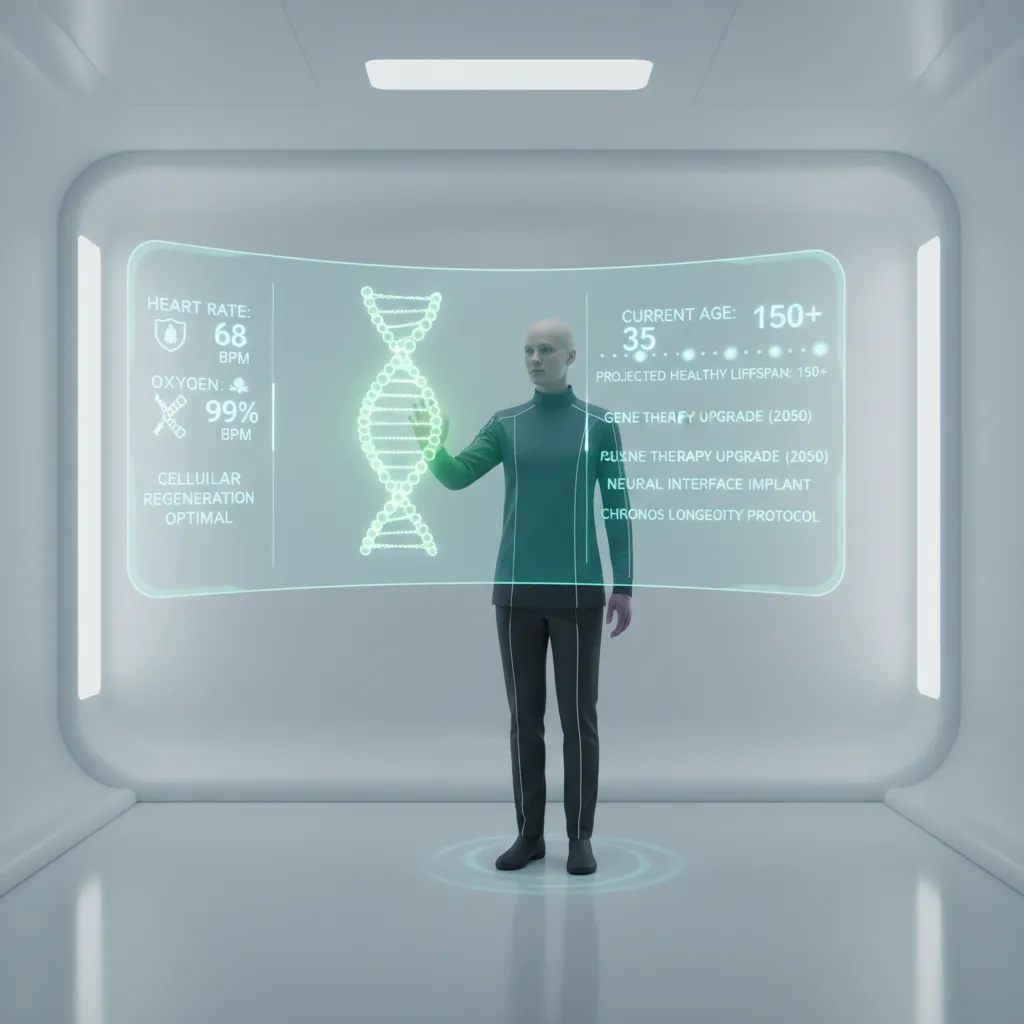
For centuries, humanity has dreamed of extending life. From mythical fountains of youth to ancient elixirs, the quest for longevity is woven into our history. Today, that quest has moved from the realm of fantasy into the high-tech world of data science and artificial intelligence. We are at the dawn of a new era where the conversation is shifting from merely adding years to our life, to adding life to our years. This is the world of AI longevity, a revolutionary field at the intersection of biotechnology and artificial intelligence, poised to redefine the future of human health.
The goal is no longer just about lifespan, but about healthspan—the period of life spent in good health, free from the burden of chronic disease. AI is the engine driving this paradigm shift. It can analyze billions of biological data points, uncover patterns invisible to the human eye, and deliver personalized health insights that were once the stuff of science fiction.
This article will journey into the heart of the AI longevity revolution. We will explore how this cutting-edge technology is accelerating anti-aging research, empowering individuals with personalized health plans, and creating a future where “healthy aging” is the norm, not the exception. Forget what you think you know about getting older; the rules are about to be rewritten.
What is AI Longevity? Decoding the New Frontier of Health
At its core, AI longevity is the application of artificial intelligence and machine learning to understand and combat the mechanisms of aging. It’s not about a single magic bullet, but a multi-faceted approach that leverages AI’s immense computational power to transform our approach to health from reactive to proactive.
For decades, medicine primarily focused on treating diseases after they appeared. AI longevity flips this model on its head. By sifting through vast datasets—from our genetic code and blood biomarkers to our daily sleep patterns and activity levels—AI helps us build a deeply personalized and preventative health strategy. The focus is on maintaining optimal function and resilience for as long as possible.
Think of it as the ultimate form of data-driven longevity. AI acts as a tireless researcher, a 24/7 health analyst, and a personalized wellness coach all in one. It identifies potential health risks long before they become critical, suggests hyper-personalized interventions, and continuously learns from new data to refine its recommendations. This is the essence of AI preventative health: stopping disease before it even starts.
The Engine Room: How AI is Revolutionizing Longevity Research
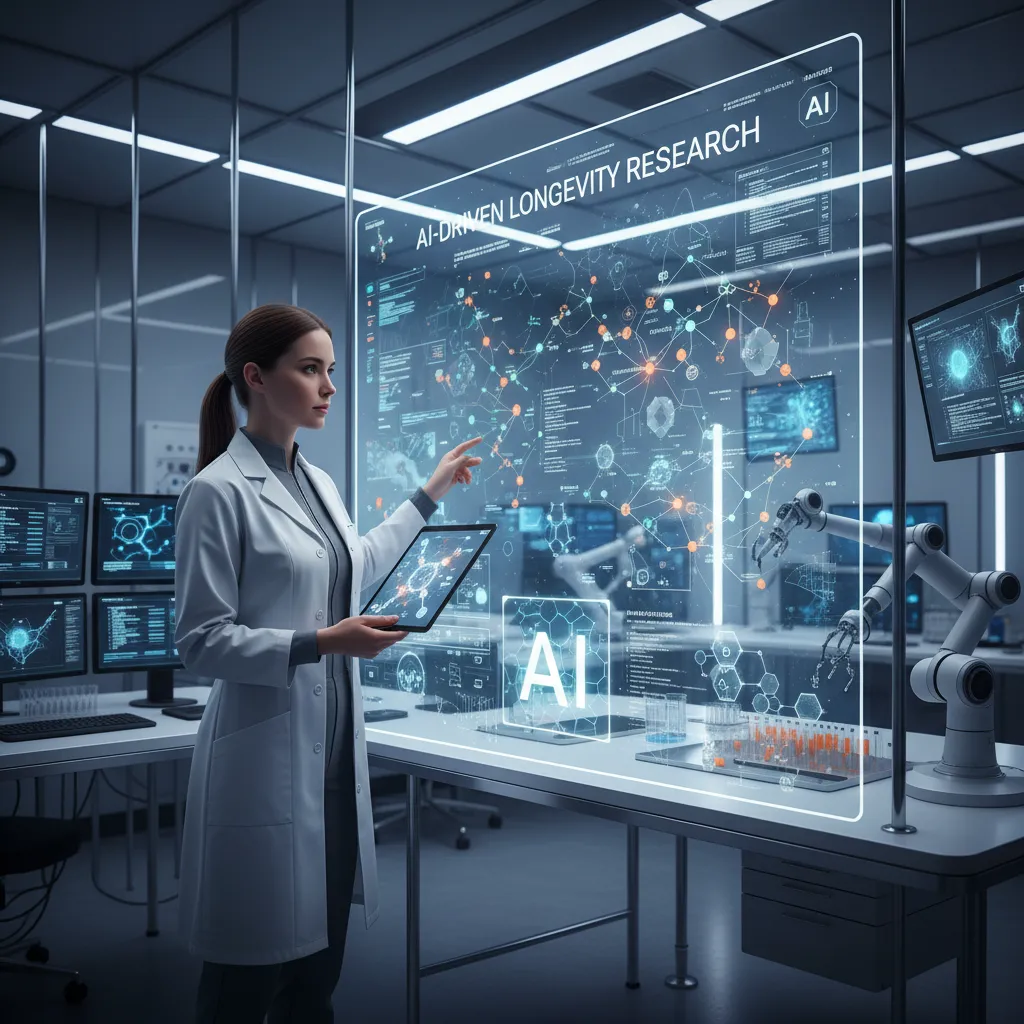
While consumer tech is exciting, the most profound impact of AI longevity is happening behind the scenes in research labs. AI is dramatically accelerating the pace of scientific discovery, tackling the fundamental “hallmarks of aging” at their source.
Accelerating Drug Discovery and Development
Bringing a new drug to market can take over a decade and cost billions of dollars. AI is changing that equation. Machine learning models can analyze complex biological data to predict how new molecules might affect age-related pathways. This allows scientists to:
- Identify Promising Compounds: AI can screen millions of potential drug candidates virtually, pinpointing those with the highest probability of success in a fraction of the time.
- Repurpose Existing Drugs: AI can find new uses for drugs already approved for other conditions, offering a faster and cheaper path to new anti-aging therapies. For instance, an existing diabetes drug might be found to have powerful anti-inflammatory effects that combat aging.
- Design Novel Molecules: Generative AI can even design entirely new molecules from scratch, optimized to target specific aging mechanisms like cellular senescence (the accumulation of “zombie cells”).
Unlocking Genetic Secrets with AI
Our DNA holds crucial clues to our health and lifespan, but it’s an incredibly complex code. AI is the master decoder. By analyzing thousands of genomes, AI algorithms can identify specific genes and genetic variations linked to exceptional longevity or, conversely, to a higher risk of age-related diseases.
This genetic insights for longevity approach is the foundation of personalized medicine. An AI-driven analysis of your genome could reveal that you have a predisposition to a certain type of inflammation. Armed with this knowledge, your personalized longevity plan might include specific dietary changes, supplements, or lifestyle adjustments to counteract that genetic tendency. This moves health guidance from generic advice to a strategy tailored specifically to your unique biology. [Related: The On-Device AI Revolution: Powering Private, Fast, Personalized Tech]
Understanding the Hallmarks of Aging
In 2013, scientists identified nine “Hallmarks of Aging”—the fundamental cellular and molecular processes that drive aging, such as genomic instability, telomere attrition, and mitochondrial dysfunction. These processes are deeply interconnected in a complex web. Longevity research AI is the perfect tool to map these connections, helping scientists understand how targeting one hallmark might affect another and leading to more effective, holistic therapies.
Your Personal Health Co-Pilot: AI Tools for Everyday Longevity
The AI longevity revolution isn’t just confined to the lab; it’s already in our hands and on our wrists. A new generation of AI tools for longevity is empowering individuals to take control of their healthspan like never before. This is the frontier of biohacking with AI.
Wearable Tech and Smart Devices: Your 24/7 Health Monitors
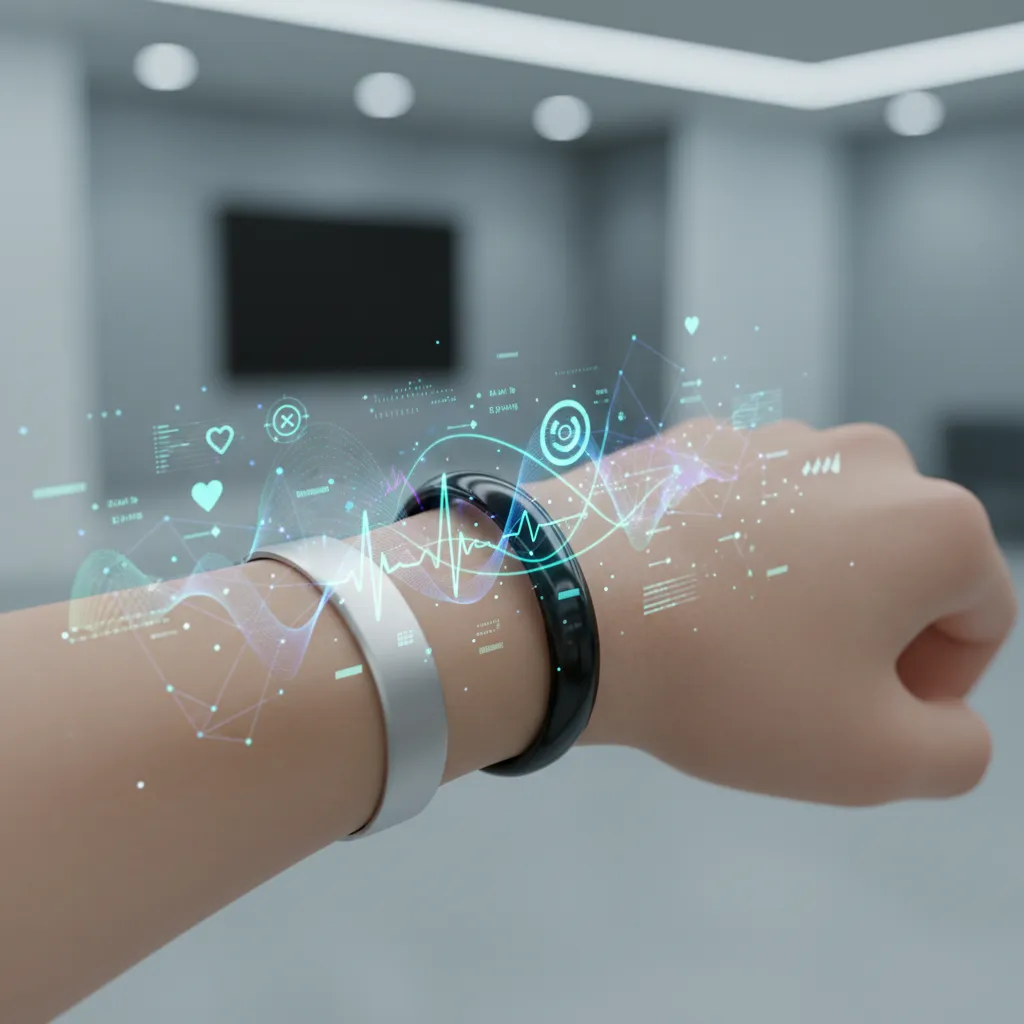
The smartwatches, rings, and patches we wear today are far more than glorified step counters. Devices from companies like Apple, Oura, and Levels are sophisticated biosensors collecting a continuous stream of data on your heart rate variability (HRV), sleep stages, body temperature, blood oxygen, and even glucose levels.
This is where AI comes in. The raw data itself isn’t the magic; the magic is in the AI algorithms that interpret it. They translate these billions of data points into simple, actionable insights. Your watch doesn’t just tell you that you slept 7 hours; it tells you your sleep was restorative because you spent enough time in deep and REM stages, and your resting heart rate was low. This is wearable tech for longevity in action, providing a real-time feedback loop on how your lifestyle choices are affecting your biology.
Data-Driven Wellness: Creating Your Personalized Longevity Plan
The true power of health optimization AI is its ability to integrate data from multiple sources to create a holistic picture of your health. Imagine a platform that combines:
- Your genetic report
- Your latest blood test results
- Real-time data from your wearable devices
- Your logged meals and workouts
An AI engine can analyze this composite data to create a personalized longevity plan that is uniquely yours. It might suggest you eat more foods rich in magnesium to improve your deep sleep, add a specific type of interval training to boost your mitochondrial health, or even recommend you get morning sunlight to optimize your circadian rhythm. This level of personalization was previously only available to elite athletes and billionaires.
The Rise of AI-Powered Preventative Health
One of the most exciting applications of AI is in early disease detection. AI algorithms are now being trained to analyze medical images like MRIs, CT scans, and retinal scans with a level of accuracy that can match or even exceed human radiologists.
This preventative medicine AI can spot the earliest signs of diseases like cancer, Alzheimer’s, and diabetic retinopathy, often years before symptoms would typically appear. Early detection dramatically improves treatment outcomes and is a cornerstone of extending healthspan. It’s the ultimate expression of using technology to get ahead of health problems.
The Future of Healthy Aging: A Glimpse into Tomorrow
If today’s technology is this impressive, what does the future hold? The convergence of AI, biotech, and digital health promises a future that will further transform our experience of aging.
Digital Twins: Your Virtual Health Avatar
Imagine a highly detailed, dynamic virtual model of your body—your “digital twin.” This model would be continuously updated with data from your wearables, medical records, and genomic tests. Doctors could use your digital twin to simulate the effects of different drugs or lifestyle interventions before ever trying them on your physical body. They could test which hypertension medication would work best with your specific genetics or how a particular diet would impact your metabolism, all without risk. This is the pinnacle of personalized, predictive medicine.
AI and Regenerative Medicine
Regenerative medicine, which includes therapies like stem cells and tissue engineering, aims to repair or replace damaged tissues in the body. AI is poised to supercharge this field. It can help scientists control the differentiation of stem cells more effectively, design better biomaterials for tissue scaffolds, and personalize regenerative treatments for maximum efficacy. This could one day lead to repairing worn-out joints, rejuvenating aging organs, and healing injuries in ways we can currently only imagine.
Integration with Smart Homes for Healthy Aging
The future of health is not just about what happens in the clinic, but also at home. Smart devices for healthy aging will be seamlessly integrated into our living spaces. A smart home could passively monitor an older adult’s gait to predict fall risk, ensure they are staying hydrated and nourished, and facilitate social connections to combat loneliness. [Related: AI Smart Home Automation: The Future of Connected Living] This creates a supportive environment that promotes independence and wellbeing throughout a person’s life.
Navigating the Challenges: The Ethical Landscape of AI Longevity
Like any powerful technology, AI longevity comes with significant ethical questions that we must address as a society. The promise is immense, but we need to navigate the path forward thoughtfully.
The Question of Access and Equity
One of the most pressing concerns is the “longevity divide.” Will these revolutionary treatments and technologies only be available to the wealthy? If so, we risk creating a world where the rich not only live better but also significantly longer, exacerbating social inequalities. Ensuring equitable access to these life-extending technologies will be a critical challenge for policymakers and society at large.
Data Privacy and Security
Personalized longevity relies on the most intimate data we have: our biological code. Who owns this data? How is it protected? We need robust regulations and secure systems to ensure that personal health information is used ethically and is not exploited by corporations or malicious actors. The trust of the public is paramount for this entire field to succeed. [Related: Ethical AI for Financial Wellness: Smart Money Habits, Secure Future]
The Philosophical Implications
Extending our healthy lifespans to 100, 120, or even beyond would have profound societal consequences. It would reshape everything from career structures and retirement planning to family dynamics and our use of global resources. These are not just scientific questions but philosophical ones about the meaning of life, work, and our role on the planet.
Conclusion
The era of AI longevity is here, and it represents one of the most significant leaps in the history of human health. We are moving beyond the old model of simply treating sickness and are now actively engineering wellness. By harnessing the power of AI to analyze our unique biology, we can build a future defined by vitality, resilience, and a dramatically extended healthspan.
From accelerating life-saving research to providing personalized, real-time feedback through the devices we wear every day, AI for healthy aging is transforming our potential. The journey is just beginning, and while there are ethical challenges to navigate, the destination is a world where more people can live not just longer lives, but healthier, more fulfilling ones.
The future of health is personalized, preventative, and predictive. While AI provides the powerful tools, the journey to a longer, healthier life starts with the choices we make today. Are you ready to embrace the future of wellness?
FAQs
Q1. What is AI longevity?
AI longevity is a field of science and technology that uses artificial intelligence to understand the biology of aging and develop interventions to extend a person’s healthy lifespan (healthspan). It involves analyzing massive datasets—like genomics, biometrics, and lifestyle data—to create personalized and preventative health strategies.
Q2. How can AI help you live longer?
AI can help you live a longer, healthier life in several ways. It accelerates the discovery of new anti-aging drugs, provides personalized health insights based on your unique DNA and lifestyle, enables early detection of diseases through medical imaging analysis, and powers wearable devices that offer real-time feedback to optimize your health.
Q3. What is the latest technology for anti-aging?
The latest anti-aging tech is heavily driven by AI. Key technologies include AI-powered drug discovery platforms, advanced wearable sensors for real-time health monitoring, at-home blood and genetic testing kits that feed data into AI algorithms, and the development of “digital twins” to simulate health interventions virtually.
Q4. How does AI contribute to preventative healthcare?
AI is a cornerstone of modern preventative healthcare. It excels at identifying subtle patterns in data that predict future health risks. This includes analyzing medical scans to detect cancer at its earliest stages, predicting the onset of chronic diseases like diabetes based on lifestyle data, and providing personalized recommendations to mitigate these risks before they become serious health issues.
Q5. What are the benefits of AI in anti-aging?
The primary benefits include highly personalized health plans tailored to an individual’s biology, dramatically accelerated research and drug development, earlier and more accurate disease detection, and the empowerment of individuals to make data-driven decisions about their own health and wellness, ultimately extending their healthspan.
Q6. Is longevity tech only for the wealthy?
Currently, some of the most advanced longevity technologies and treatments can be expensive, creating a risk of a “longevity divide.” However, as technology matures and becomes more widespread—much like computers or smartphones did—the costs are expected to decrease, making many AI-driven health tools, like wearable sensors and wellness apps, more accessible to the general public.
Q7. What is the difference between lifespan and healthspan?
Lifespan is the total number of years you live, while healthspan is the number of years you live in good health, free from chronic disease and disability. The primary goal of the AI longevity field is to increase healthspan, ensuring that a longer life is also a healthy and fulfilling one.