AI in Sports: How AI is Revolutionizing Athlete Training & Fan Engagement

The roar of the crowd, the thrill of a last-second victory, the dedication of an athlete pushing their limits—these are the timeless elements of sports. But behind the scenes, a quiet revolution is underway, powered by algorithms and data. Artificial Intelligence (AI) is no longer a futuristic concept; it’s a game-changing reality that is fundamentally reshaping every facet of the sporting world. From crafting hyper-personalized training regimens for elite athletes to creating mind-bendingly immersive experiences for fans, the impact of AI on sports is profound and accelerating.
This isn’t just about crunching numbers faster. We’re witnessing the dawn of data-driven sports performance, where AI provides insights that were previously invisible to the human eye. It’s about preventing career-threatening injuries before they happen, giving coaches the strategic edge with predictive analytics, and transforming how we, the fans, consume and interact with the games we love.
In this deep dive, we’ll explore the incredible applications of AI in sports, breaking down how this next-generation sports tech is revolutionizing both sides of the game: the athletes on the field and the supporters in the stands (and on their couches). Get ready to see how AI is turning sports into a smarter, safer, and more engaging spectacle than ever before.
The Data-Driven Revolution: AI’s Impact on Athlete Performance
For decades, athletic training was a mix of established science, gut instinct, and grueling repetition. Today, athlete performance AI is injecting an unprecedented level of precision into that formula. By leveraging sports big data AI from a variety of sources, teams and individual athletes can now optimize every aspect of their preparation and execution.
Personalized Athlete Training Programs at Scale
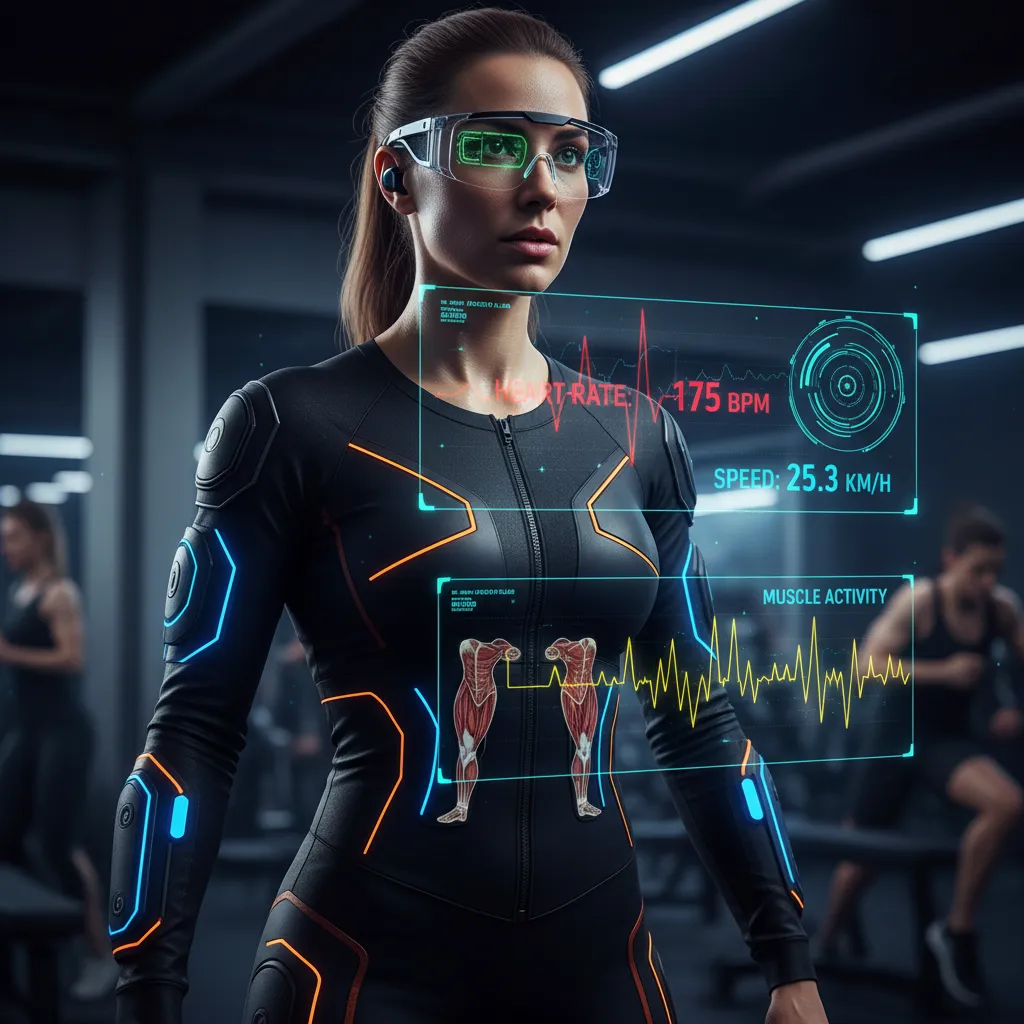
The one-size-fits-all training program is officially obsolete. Modern athletes are equipped with sophisticated wearable tech sports sensors—smartwatches, biometric vests, and even instrumented footwear—that track dozens of metrics in real-time. These devices monitor heart rate variability, sleep quality, muscle strain, hydration levels, and more.
This is where AI steps in. AI algorithms process this deluge of data to create truly personalized athlete training programs.
- Dynamic Load Management: AI can recommend adjusting a player’s workout intensity based on their recovery status, preventing overtraining and burnout.
- Nutritional Optimization: By analyzing energy expenditure and metabolic data, AI can suggest precise meal plans to fuel peak performance and speed up recovery.
- Skill Development: AI-powered cameras can analyze an athlete’s form—a tennis serve, a golf swing, a basketball jump shot—and provide immediate, data-backed feedback for improvement.
This allows for a level of individual optimization that was once only available to the world’s most elite, well-funded athletes. Related: AI Wearables 2025: The Next Generation of Smart Tech.
The End of Guesswork: AI for Sports Injury Prevention
One of the most significant contributions of AI in sports is in the realm of health and safety. A star player’s injury can derail an entire season, costing teams millions. Sports injury prevention AI uses predictive models to identify at-risk athletes before they get hurt.
By analyzing historical injury data alongside current biomechanical and workload metrics, AI systems can flag anomalies. For example, if a soccer player’s running gait changes subtly, it could be an early indicator of muscle fatigue that increases the risk of a hamstring tear. The AI can alert the medical staff, who can then intervene with preventative rest or targeted physical therapy. This proactive approach is a paradigm shift from the traditional reactive model of treating injuries after they occur.
AI Coaching and Tactical Genius
The coach’s clipboard is getting a massive upgrade. AI coaching sports platforms are becoming indispensable tools for strategy and game planning. These systems can analyze terabytes of game footage in minutes, a task that would take a team of human analysts weeks.
- Opponent Scouting: AI can identify an opposing team’s tendencies, favorite plays in specific situations, and individual player weaknesses with ruthless efficiency. This allows coaches to develop highly targeted game plans.
- In-Game Strategy: In sports like American football, football AI strategy models can run thousands of simulations to recommend the highest-probability play call based on the game situation (down, distance, time remaining).
- Player Performance Analysis: AI objectively grades every player’s performance on every play, removing human bias and providing concrete data for post-game feedback sessions. This is a core function of modern sports analytics AI.

Biomechanical Analysis with AI Vision
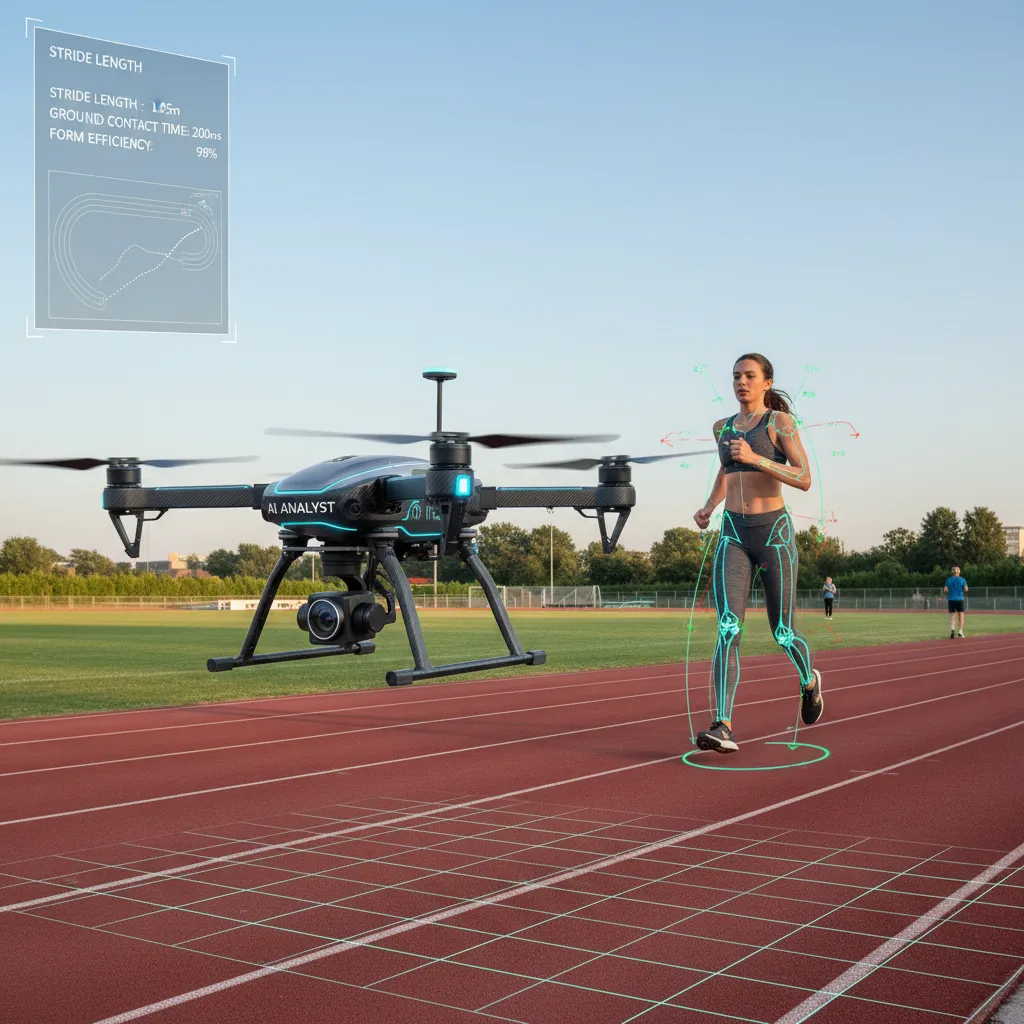
Computer vision, a subset of AI, is providing a microscopic view of athletic movement. High-speed cameras and AI-powered drones can capture every nuance of an athlete’s form. This AI in soccer analytics, for instance, can analyze a striker’s kicking motion to maximize power and accuracy. In swimming, it can pinpoint inefficiencies in a swimmer’s stroke that are invisible to the naked eye. This level of detail empowers athletes to make tiny adjustments that yield significant performance gains, turning good athletes into great ones.
More Than a Game: AI is Redefining the Fan Experience
While AI fine-tunes the athletes, it’s also completely overhauling the experience for the billions of fans who watch them. Fan engagement AI is all about creating more personalized, interactive, and immersive ways to enjoy sports.
The Rise of Smart Stadiums and Personalized Engagement
The future of live sports is the smart stadiums AI concept. These aren’t just venues; they are interconnected ecosystems designed to enhance every moment of the fan journey.
- Frictionless Experience: AI can manage traffic flow into the stadium, guide you to your parking spot via a mobile app, and allow you to enter with facial recognition. Inside, you can order food and merchandise from your seat and have it delivered, or use cashier-less “grab-and-go” markets.
- Personalized Content: Based on your location in the stadium and your purchase history, the stadium’s app can push personalized offers, player stats, and instant replays from different camera angles directly to your phone.
- Enhanced Safety: AI-powered security cameras can monitor crowd density and sentiment, identifying potential safety issues before they escalate, ensuring a safer environment for everyone.
This level of connectivity and personalization aims to make attending a live game an unforgettable, seamless event. Related: AI Smart Home Automation: The Future of Connected Living.
Immersive Viewing: VR, AR, and AI-Powered Broadcasting
For the millions watching from home, the experience is becoming just as dynamic. The convergence of AI with Virtual and Augmented Reality is blurring the lines between watching and participating.
- Augmented Reality Sports Experience: Imagine pointing your phone at the TV and seeing a player’s real-time stats hover above their head. Or using AR glasses to see a virtual overlay of the tactical play-call on the field. This technology is already being tested and provides a richer, more informative viewing experience.
- Virtual Reality Sports Fan: VR can transport you to the best seat in the house—or even onto the court itself. Companies are developing experiences that let you watch an entire game from a player’s perspective, offering an unparalleled sense of immersion.
- AI-Powered Sports Broadcasting: AI is automating parts of the broadcast itself. AI directors can automatically switch between camera angles to follow the most exciting action, generate instant slow-motion replays, and even create dynamic highlight packages on the fly, ensuring viewers never miss a key moment.

Content Your Way: AI-Generated Highlights and Storytelling
In our fast-paced world, not everyone can watch a full three-hour game. AI is solving this by acting as a personalized content curator. By understanding your favorite teams and players, AI platforms can automatically generate a unique highlight reel just for you, moments after the game ends. This goes beyond simple clips; AI can analyze player emotion and crowd noise to identify the most dramatic and important moments, weaving them into a compelling narrative.
AI Across the Sporting World: Specific Applications
The impact of AI isn’t uniform; it’s being adapted to the unique challenges and nuances of different sports.
- Soccer & Football: Teams like Liverpool FC have famously used AI in soccer analytics to identify undervalued players in the transfer market and optimize set-piece strategies. In the NFL, teams use predictive analytics sports models to guide draft selections and manage the salary cap.
- Basketball & Tennis: Systems like Hawk-Eye use computer vision and AI for ultra-precise line calls in tennis. In the NBA, basketball AI training platforms track every player’s movement on the court, providing deep insights into offensive efficiency and defensive positioning.
- The Digital Arena: Esports AI Analysis: In the world of competitive gaming, esports AI analysis is critical. AI coaches analyze gameplay to help players refine their strategies, improve reaction times, and understand complex in-game economies.
- Global Stage: Olympics AI Technology: At massive events like the Olympics, AI is indispensable. Olympics AI technology is used for everything from advanced judging assistance in sports like gymnastics to managing complex logistics and deploying state-of-the-art cybersecurity to protect the event’s digital infrastructure. Related: AI in Cybersecurity: Revolutionizing Defense and Threat Detection.
The Next Frontier: Ethical Considerations and the Future of Sports with AI
As with any transformative technology, the rise of AI in sports brings important questions and challenges. The path forward requires a thoughtful approach to ensure fairness, privacy, and the integrity of the game.
Navigating the Grey Areas: Ethical AI in Sports
The conversation around ethical AI sports is growing louder. Key concerns include:
- Data Privacy: Who owns the vast amounts of biometric data collected from athletes? How is it protected, and can it be used against them in contract negotiations? Clear governance and transparency are crucial.
- Algorithmic Bias: If AI models are trained on biased historical data, they could perpetuate those biases in player scouting and selection, potentially overlooking unconventional talent.
- The Human Element: Will an over-reliance on AI sideline the invaluable intuition and experience of human coaches? The future likely lies in a collaborative model, where AI serves as a powerful assistant, not a replacement.
Navigating these issues responsibly is key to ensuring that AI serves to elevate sport, not detract from its human core. Related: The AI Ethics Handbook: A Guide to Responsible Development.
What’s Next? The Future Trajectory of Sports Tech
The future of sports with AI is incredibly exciting. We are on the cusp of even more advanced breakthroughs. Expect to see AI-powered virtual opponents that can perfectly mimic any player’s style for training purposes, real-time health monitoring that can predict cardiac events, and fan experiences so personalized they feel completely unique to every individual. The integration of advanced AI, like Related: Apple Intelligence: The Ultimate Guide to Apple’s New AI, into consumer devices will only accelerate this trend.
Conclusion
From the training ground to the smart stadium, Artificial Intelligence is no longer on the sidelines—it’s a star player. The impact of AI on sports is a story of optimization and enhancement. For athletes, it means longer, healthier careers and the ability to reach new peaks of human performance. For fans, it means deeper connection, richer storytelling, and more engaging ways to experience the games they love.
While navigating the ethical landscape requires care, the trajectory is clear. The fusion of human athleticism and artificial intelligence is creating a new golden age for sports. The game will always have its heart and soul, but now, it also has a powerful new brain. The next big play, the next championship moment, might just be engineered by an algorithm.
Frequently Asked Questions (FAQs)
Q1. What is AI in sports?
AI in sports refers to the use of artificial intelligence technologies like machine learning, computer vision, and data analytics to improve athlete performance, enhance fan engagement, and optimize team strategies. It involves everything from analyzing player data to prevent injuries to creating personalized content for fans.
Q2. How does AI help athletes?
AI helps athletes in numerous ways. It enables hyper-personalized training and nutrition plans by analyzing biometric data from wearables. It also powers predictive models for injury prevention, provides detailed biomechanical analysis to refine technique, and offers strategic insights through game footage analysis.
Q3. What are some real-world examples of AI in sports?
Examples include the Hawk-Eye system in tennis for line calls, Catapult Sports’ wearable GPS trackers that monitor athlete workload, and AI platforms used by NFL and NBA teams for opponent scouting and drafting analysis. Many professional soccer clubs also use sports analytics AI to identify transfer targets.
Q4. How is AI changing the fan experience?
AI is making the fan experience more interactive and personalized. Smart stadiums use AI for seamless entry and concessions, while augmented reality sports experience apps overlay live stats onto the game. AI also powers automated highlight reels and personalized content streams, delivering the most relevant moments directly to each fan.
Q5. Can AI replace human coaches?
It’s highly unlikely that AI will completely replace human coaches. The future of sports coaching is seen as a human-AI collaboration. While AI can process vast amounts of data to provide tactical recommendations, human coaches provide essential leadership, motivation, and intuition that machines cannot replicate. AI is best viewed as a powerful assistant.
Q6. What are the ethical concerns of using AI in sports?
The main ethical concerns revolve around athlete data privacy, algorithmic bias in player scouting, and the potential for over-reliance on technology. Ensuring that data is used responsibly, models are fair and transparent, and the human element of sports is preserved are key challenges for the industry.
Q7. What is the future of AI in sports?
The future of sports with AI will likely involve even more integration. We can expect more advanced wearable tech sports sensors, more accurate predictive analytics for both performance and fan behavior, fully immersive VR viewing experiences, and AI-driven platforms becoming standard at all levels of sport, from amateur to professional.