AI in Mental Health: Revolutionizing Care & Well-being

Introduction
In an increasingly complex world, the conversation around mental health has never been more critical. Millions globally grapple with conditions like anxiety, depression, and stress, often facing barriers to accessible and timely support. Traditional mental health care systems, while invaluable, are frequently overwhelmed, leading to long wait times, high costs, and geographical disparities in access. This is where the power of artificial intelligence (AI) steps in, poised to become a transformative force in how we approach mental well-being.
The integration of AI in mental health is no longer a futuristic concept; it’s a rapidly evolving reality. From sophisticated AI therapy apps to empathetic mental health chatbots, intelligent systems are beginning to offer unprecedented levels of support, personalization, and accessibility. This revolution promises to democratize care, making vital resources available to those who need them most, regardless of their location or financial situation.
In this comprehensive guide, we’ll delve deep into the multifaceted ways AI is revolutionizing care & well-being. We’ll explore the innovative technologies driving this change, examine the profound benefits they offer, and candidly address the challenges and ethical considerations that must be navigated. Our journey will cover everything from AI for anxiety and AI for depression to the broader landscape of digital mental health, ultimately painting a clear picture of the future of therapy augmented by intelligent machines. Join us as we uncover how AI mental health platforms are shaping a new era of emotional support and psychological well-being.
The Global Mental Health Landscape and the Imperative for AI Innovation
The statistics paint a stark picture: mental health disorders are among the leading causes of disability worldwide. The World Health Organization (WHO) reports that one in eight people globally live with a mental disorder. Yet, a significant treatment gap persists, with many individuals unable to access the care they need. This gap is exacerbated by:
- Stigma: The societal prejudice associated with mental illness often deters individuals from seeking help.
- Accessibility: Shortages of mental health professionals, particularly in rural or underserved areas, leave vast populations without adequate support.
- Cost: The financial burden of long-term therapy and medication can be prohibitive for many.
- Waiting Lists: Demand often far outstrips supply, leading to frustrating and potentially detrimental delays in receiving care.
These challenges underscore an urgent need for innovative mental health solutions AI can provide. AI doesn’t aim to replace human therapists but rather to augment their capabilities, extend their reach, and offer complementary support that fills critical gaps in the existing system. The goal is to create a more resilient, responsive, and equitable mental health ecosystem.
How AI is Revolutionizing Mental Health Care
The applications of AI in psychological support are diverse and continually expanding. These technologies are bringing new hope and practical tools to individuals seeking to improve their mental well-being.
AI Therapy Apps and Mental Health Chatbots: Accessible Support at Your Fingertips
One of the most visible and widely adopted applications of AI is in the realm of AI therapy apps and mental health chatbots. These platforms offer immediate, 24/7 access to support, often at a fraction of the cost of traditional therapy.
- Democratizing Access: Chatbots like Woebot, Replika, and Wysa utilize natural language processing (NLP) to engage users in text-based conversations, providing cognitive behavioral therapy (CBT) techniques, mindfulness exercises, and emotional check-ins. They serve as a vital first point of contact for many, reducing the intimidation factor often associated with seeking help.
- Immediate Support: For individuals experiencing acute distress or simply needing a quick mood boost, these tools offer immediate comfort and guidance, bridging the gap between therapy sessions or providing support where professional help is scarce.
- Scalability: Unlike human therapists, AI chatbots can assist thousands, even millions, of users simultaneously, making digital mental health support incredibly scalable.

[Related: supercharge-your-content-top-ai-tools-for-creators-in-2024/]
Personalized Mental Health: Tailored Interventions with Predictive Analytics
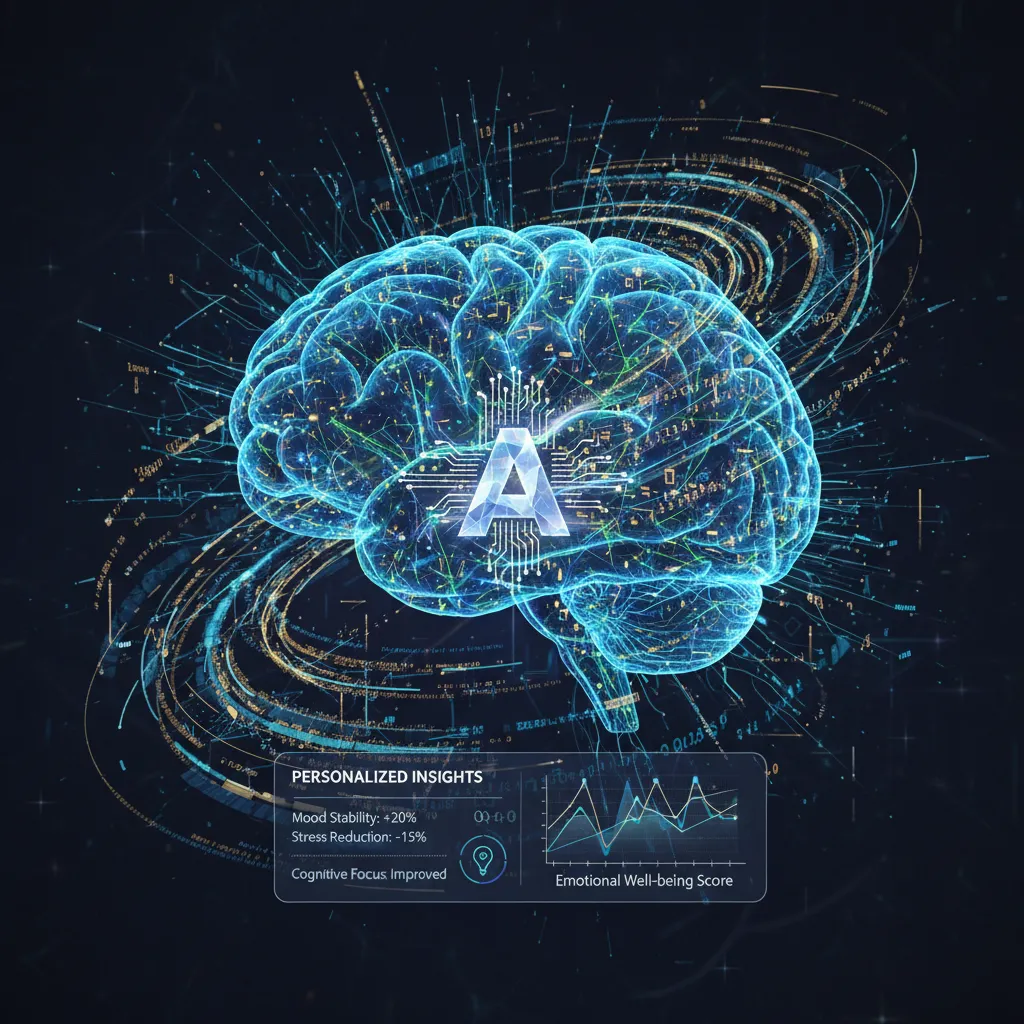
AI’s capacity to process vast amounts of data allows for an unprecedented level of personalized mental health care. Instead of a one-size-fits-all approach, AI can adapt interventions to individual needs and preferences.
- Dynamic Support: AI algorithms can analyze a user’s interactions, mood patterns, sleep data, and even wearable tech inputs to recommend specific exercises, coping strategies, or content. This ensures the support provided is highly relevant and effective for that individual.
- Predictive Insights: By identifying subtle changes in behavior, language, or physiological markers, AI can potentially predict the onset of a mental health crisis or the need for intervention, allowing for proactive support rather than reactive treatment. This represents a significant leap forward in preventative care.
- Treatment Optimization: AI can help clinicians determine which treatments are most likely to be effective for a particular patient based on their unique profile and historical data, streamlining the therapeutic process and improving outcomes.
Early Detection and Diagnosis: Analyzing Patterns for Proactive Care
The ability of AI to analyze complex data sets far surpasses human capabilities, making it an invaluable tool for early detection and diagnosis of mental health conditions.
- Sentiment Analysis: AI can analyze text, voice patterns, and even social media interactions to detect subtle indicators of distress, depression, or anxiety that might otherwise go unnoticed. This is particularly useful in large populations or for individuals who are reluctant to vocalize their struggles.
- Biomarker Identification: Researchers are exploring how AI can identify biological markers (e.g., in brain scans, genetic data, or speech patterns) that correlate with specific mental health disorders, leading to more objective and earlier diagnoses.
- Risk Assessment: AI algorithms can assess various risk factors – environmental, genetic, behavioral – to identify individuals at higher risk of developing mental health issues, enabling targeted early interventions. This can significantly impact conditions like AI for depression and AI for anxiety.
Virtual Reality (VR) and AI for Immersive Therapy
The synergy between AI and Virtual Reality (VR) is creating powerful, immersive therapeutic experiences, especially for conditions like PTSD, phobias, and social anxiety.
- Exposure Therapy: AI-powered VR environments allow patients to confront their fears in a safe, controlled, and customizable digital space. For instance, an individual with a fear of public speaking can practice in front of a virtual audience, gradually building confidence without the overwhelming real-world pressure.
- Skill Building: VR simulations can help individuals practice social skills, stress management techniques, or even mindfulness in highly realistic scenarios, with AI adapting the environment based on their responses.
- Accessibility to Specialized Therapies: This virtual mental health approach makes specialized and often expensive therapies more accessible, bringing sophisticated interventions to a broader audience.

[Related: spatial-computing-unveiled-next-frontier-immersive-technology/]
AI for Emotional Support and Well-being Tools
Beyond formal therapy, AI is increasingly integrated into everyday AI well-being tools aimed at general emotional support and mental wellness.
- Mindfulness and Meditation Apps: AI personalizes meditation guides, tracking user progress and suggesting practices tailored to their current emotional state or goals.
- Sleep Trackers: AI analyzes sleep patterns, offering insights and personalized recommendations to improve sleep hygiene, a critical component of mental well-being.
- Mood Trackers and Journals: AI can analyze journal entries for sentiment and patterns, providing users with insights into their emotional landscape and helping them identify triggers or positive influences. These tools offer continuous AI mental health support in daily life.
AI Cognitive Behavioral Therapy (CBT): Structured and Evidence-Based Support
Cognitive Behavioral Therapy (CBT) is an evidence-based psychotherapy that helps people identify and change destructive thought patterns that influence behavior. AI is proving highly effective in delivering structured CBT interventions.
- Structured Modules: AI-driven CBT programs guide users through modules focusing on identifying cognitive distortions, challenging negative thoughts, and developing healthier coping mechanisms.
- Homework & Practice: AI can assign “homework” and provide consistent practice opportunities, reinforcing learned skills between sessions or as standalone support.
- Data-Driven Adjustments: The AI can track user engagement and progress, adapting the pace and content of the CBT program to maximize effectiveness for each individual, making it a robust AI psychological support tool.
The Undeniable Benefits of AI in Mental Health
The integration of AI into mental health care brings a multitude of advantages that promise to reshape the landscape of well-being.
Enhanced Accessibility and Affordability
Perhaps the most significant benefit is the dramatic increase in accessibility. AI tools transcend geographical barriers, offering support to individuals in remote areas or those with limited mobility. The cost-effectiveness of AI-powered platforms can also make mental health care more affordable, reducing the financial strain on individuals and healthcare systems alike. This helps address the global crisis in mental health innovation.
Unprecedented Personalization
AI’s ability to analyze data and learn from individual interactions leads to highly personalized mental health interventions. This level of tailored support, where advice and exercises adapt to a user’s specific needs, mood, and progress, is often difficult to achieve in traditional therapy due to time and resource constraints.
Reduction of Stigma
Engaging with an AI mental health platform or chatbot can feel less intimidating than speaking with a human therapist for many. The anonymity and non-judgmental nature of AI can lower the barrier to seeking help, particularly for those concerned about stigma or privacy.
Objective Data-Driven Insights
AI can collect and analyze vast amounts of data on user behavior, sentiment, and progress over time. This provides mental health professionals and researchers with invaluable, objective insights into the effectiveness of different interventions, patterns of mental health, and the impact of various factors on well-being. This contributes significantly to AI mental health research.
Proactive and Preventative Care
By identifying subtle early warning signs through data analysis, AI enables a shift from reactive treatment to proactive and preventative care. This foresight can prevent mental health conditions from escalating, leading to better long-term outcomes and reducing the burden on crisis services. These AI driven mental wellness tools are transforming how we manage our emotional health.
Navigating the Challenges and Ethical Considerations
While the promise of AI in mental health is vast, its implementation is not without complex challenges and crucial ethical considerations. Addressing these responsibly is paramount to ensuring safe, effective, and equitable care.
Privacy and Data Security
Mental health data is inherently sensitive. The collection, storage, and processing of personal emotional and psychological information by AI mental health platforms raise significant privacy concerns. Robust encryption, anonymization techniques, and strict adherence to data protection regulations (like GDPR and HIPAA) are essential. Users must have clear control over their data and understand how it’s being used.
Bias and Fairness
AI algorithms are only as unbiased as the data they are trained on. If training data disproportionately represents certain demographics or cultural contexts, the AI could develop biases that lead to unequal or inaccurate support for minority groups. For example, an AI for anxiety trained predominantly on data from one cultural group might misinterpret emotional expressions or coping mechanisms from another. Ensuring diverse and representative datasets is crucial for ethical AI mental health.
Lack of Human Empathy and Nuance
While AI can simulate empathetic responses, it cannot genuinely understand or experience human emotions. The nuanced complexities of human relationships, lived experiences, and cultural contexts are beyond an AI’s current capabilities. This means AI should complement, not replace, human therapists, especially in complex cases requiring deep empathy, intuition, and clinical judgment. The human connection remains a vital component of holistic care.
Regulation and Oversight
The rapid pace of technological development often outstrips the ability of regulatory bodies to keep up. Clear guidelines, standards, and oversight mechanisms are needed for AI mental health startups and established platforms to ensure their tools are safe, effective, and ethically deployed. This includes certification processes for therapeutic AI applications.
The Digital Divide
While AI aims to increase accessibility, it can also exacerbate the digital divide. Individuals without access to smartphones, reliable internet, or digital literacy skills may be excluded from the benefits of digital mental health tools, further widening health disparities. Efforts must be made to ensure inclusive design and access.
The Future of Therapy: A Hybrid Approach
The prevailing consensus among experts is that the future of therapy will be a hybrid model, where AI and human expertise work in synergy. AI is not poised to replace therapists but rather to empower them and extend their reach.
- Augmenting Therapists: AI tools can assist therapists by handling routine tasks, monitoring client progress between sessions, identifying patterns, and providing data-driven insights. This frees up therapists to focus on the deeply human aspects of therapy: building rapport, complex problem-solving, and providing personalized, empathetic guidance.
- Stepped Care Models: AI can serve as a first line of defense, offering basic support and triage, then seamlessly referring users to human therapists when more complex or nuanced care is needed. This creates a “stepped care” model, optimizing resource allocation.
- Enhanced Training: AI simulations and data analysis can also be used to train future generations of mental health professionals, offering new insights into patient interactions and treatment effectiveness.
- Continuous Monitoring: For ongoing conditions or relapse prevention, AI in psychiatric care can provide continuous monitoring and check-ins, alerting professionals to potential issues before they escalate.
This collaborative approach harnesses the efficiency and analytical power of AI while preserving the irreplaceable human element essential for profound psychological healing. [Related: the-ai-revolution-in-healthcare-transforming-patient-care-medical-innovation/]
Impact on Psychiatric Care and Research
The impact of AI extends beyond therapy into the broader realms of psychiatric care and research, promising to revolutionize our understanding and treatment of mental illness.
- Drug Discovery and Development: AI can accelerate the discovery of new psychiatric medications by analyzing vast datasets of chemical compounds and biological interactions, identifying potential candidates much faster than traditional methods.
- Personalized Pharmacology: By analyzing genetic profiles, patient history, and treatment responses, AI can help predict which medications will be most effective for an individual, reducing trial-and-error and improving patient outcomes in AI in psychiatric care.
- Real-world Data Collection: AI tools facilitate the collection of real-world data on patient experiences, treatment adherence, and daily life factors, providing richer and more contextually relevant information for AI mental health research. This data can lead to a deeper understanding of mental disorders and more effective interventions.
- Diagnostic Tools for Complex Disorders: For complex disorders like schizophrenia or bipolar disorder, AI can analyze neuroimaging data, speech patterns, and other biomarkers to aid in earlier and more accurate diagnosis, paving the way for timely intervention.

Conclusion
The journey into the intersection of AI and mental health is an exciting and hopeful one. As we’ve explored, AI in mental health is not merely a technological advancement; it’s a paradigm shift with the potential to democratize access, personalize care, and fundamentally improve the well-being of millions. From the comforting presence of mental health chatbots providing AI for emotional support to sophisticated algorithms predicting the onset of conditions, AI mental health platforms are redefining what’s possible.
While significant challenges, particularly around ethics, privacy, and the digital divide, demand our careful attention, the benefits of AI driven mental wellness are too profound to ignore. The future envisions a synergistic relationship where AI therapy and human expertise complement each other, creating a more accessible, efficient, and deeply personalized system of care.
At HiFi Studio And Mobile, we believe in embracing innovation that genuinely enhances human life. The ongoing mental health innovation spearheaded by AI represents a beacon of hope, promising a future where support for our minds is as readily available and effective as care for our bodies. By continuing to research, develop, and implement these technologies responsibly, we can collectively build a world where well-being is within everyone’s reach. Let’s champion this revolution, fostering a future where technology empowers every individual on their path to mental wellness.
FAQs
Q1. What is AI mental health?
AI mental health refers to the application of artificial intelligence technologies to support, diagnose, treat, and manage mental health conditions. This includes AI-powered apps, chatbots, virtual reality therapy, and predictive analytics designed to enhance mental well-being and provide psychological support.
Q2. How does AI therapy work?
AI therapy typically works through algorithms and natural language processing (NLP) to simulate conversations, deliver therapeutic techniques (like CBT), analyze user input for emotional patterns, and offer personalized advice or exercises. These tools can provide immediate support, guide users through structured programs, and track progress over time.
Q3. Can AI replace human therapists?
No, AI is not expected to replace human therapists. Instead, it is seen as a powerful tool to augment and extend the reach of human care. While AI can provide accessible support and data-driven insights, it lacks the true empathy, nuanced understanding, and complex clinical judgment that human therapists offer. The future is likely a hybrid model.
Q4. What are the main benefits of using AI for mental health?
The primary benefits include increased accessibility to care (especially in underserved areas), greater affordability, personalized treatment plans tailored to individual needs, early detection of mental health issues, and a reduction in the stigma associated with seeking help. AI also provides valuable data for research and improved treatment outcomes.
Q5. What are the ethical concerns surrounding AI in mental health?
Key ethical concerns include privacy and data security of sensitive personal information, potential biases in AI algorithms leading to unequal care, the lack of genuine human empathy, and the need for robust regulation and oversight to ensure safety and effectiveness.
Q6. How does AI help with conditions like anxiety and depression?
For anxiety and depression, AI tools can offer accessible CBT-based exercises, mindfulness practices, mood tracking, and emotional support via chatbots. They can help users identify triggers, challenge negative thought patterns, and develop coping strategies, often providing support around the clock.
Q7. Are AI mental health apps safe and effective?
Many AI mental health apps are developed with input from mental health professionals and some have undergone clinical trials. Their safety and effectiveness depend on the specific app, its underlying algorithms, and how it is used. It’s crucial to choose reputable apps and consult with a human professional for severe conditions.
Q8. What is personalized mental health care with AI?
Personalized mental health care with AI involves using algorithms to analyze an individual’s unique data (interactions, mood, lifestyle, even genetics) to tailor interventions, recommendations, and therapeutic approaches specifically for them. This moves away from a one-size-fits-all model towards highly customized and effective support.