AI Guardians: The Future of Personal Safety with Smart Tech
Introduction
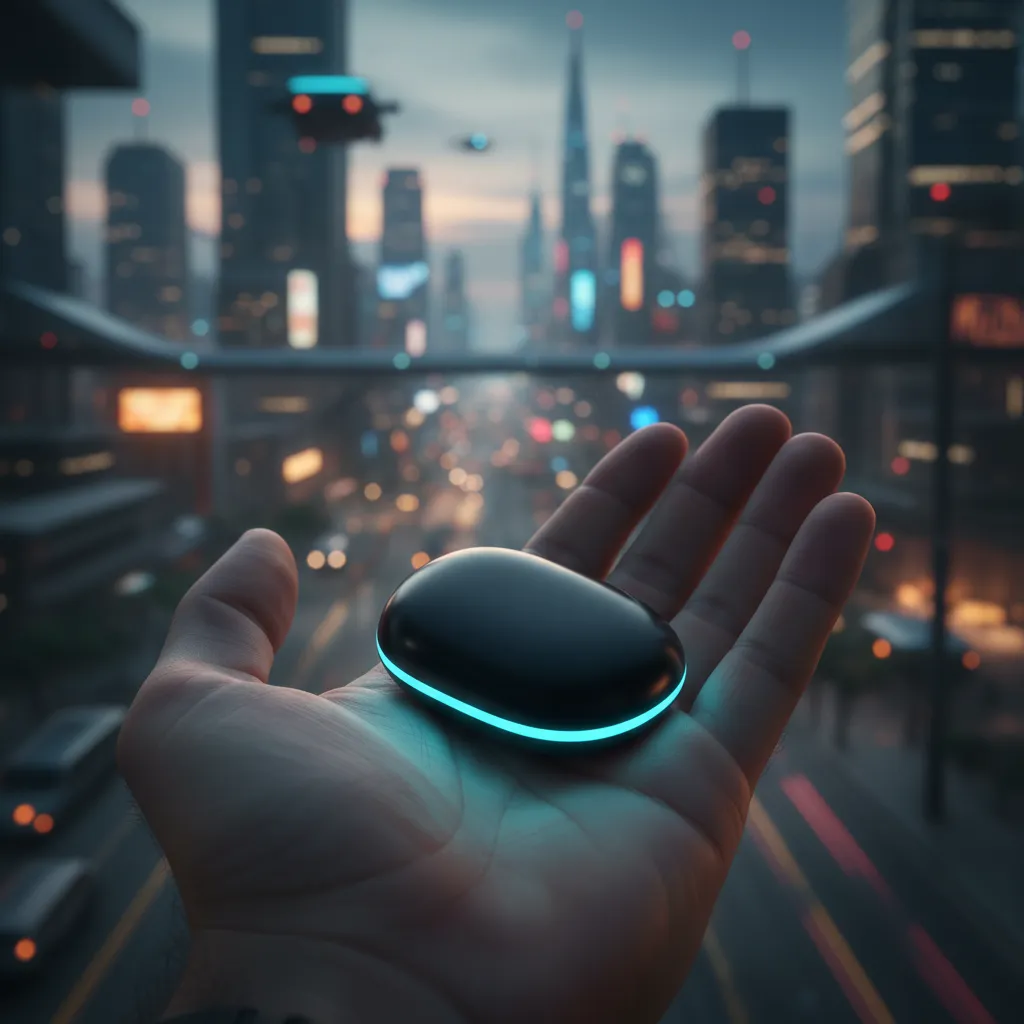
In a world that moves faster than ever, the concept of personal safety has taken on a new urgency. We walk home late, jog through unfamiliar parks, travel to new cities, and send our kids off to school, all while a quiet concern for safety hums in the background. For decades, our tools were reactive: a whistle, a can of pepper spray, or a speed-dial number for emergencies. But what if your safety net could think, learn, and act before a crisis escalates?
Welcome to the era of the AI Guardian. The convergence of artificial intelligence and smart technology is forging a new frontier in AI personal protection, moving us from a reactive stance to a proactive one. This isn’t science fiction; it’s the reality of AI-powered safety solutions that are transforming our smartphones, watches, and even our jewelry into intelligent, ever-vigilant protectors.
This article delves into the exciting and rapidly evolving world of AI personal safety. We’ll explore the core technologies powering this revolution, from personal threat detection AI to automated AI distress signals. We will uncover the arsenal of smart personal safety devices and AI security apps at your disposal and see how they are providing tailored protection for everyone, from lone workers and travelers to children and the elderly. Get ready to discover how smart safety tech is creating a safer future for us all.
Beyond the Panic Button: The Evolution of Personal Safety
The traditional panic button, a single-function device that alerts authorities, was a significant step forward. However, it relied entirely on the user’s ability to press it in a moment of distress. The modern landscape of connected safety tech represents a quantum leap beyond this simple concept.
The fundamental shift is from reaction to proaction. Proactive AI security doesn’t just wait for you to signal for help; it actively monitors your environment and your biometrics for signs of trouble. It leverages a network of sensors, machine learning algorithms, and seamless connectivity to create a dynamic safety net that understands context.
Imagine a system that detects the sound of a scream or breaking glass, senses the sudden impact of a fall, or recognizes a deviation from your normal route home and automatically asks if you’re okay. If you don’t respond, it can escalate the situation by alerting loved ones and emergency services with your precise location. This is the power of next-gen personal security—a system that acts as a true co-pilot in your personal safety journey.
How AI is Revolutionizing Personal Security: The Core Technologies
At the heart of this revolution are several key AI technologies working in concert. They turn ordinary devices into sophisticated guardians capable of understanding nuance, context, and imminent threats.
Intelligent Threat Detection and Analysis
Modern personal threat detection AI goes far beyond simple motion sensors. These systems employ a multi-layered approach:
- Acoustic Analysis: Advanced algorithms are trained to distinguish between ambient city noise and specific sounds of distress, such as screams, shouts for help, or aggressive tones of voice.
- Motion & Biometric Sensing: Accelerometers and gyroscopes in wearables or smartphones can detect sudden, violent movements, such as a fall, a struggle, or a car crash. Some systems can even monitor heart rate for sudden spikes indicative of fear or panic.
- Behavioral Pattern Recognition: The AI learns your daily routines—your commute, your typical jogging route, your regular hours. A significant deviation without explanation can trigger a check-in, offering a powerful layer of proactive security.
Real-Time Alerts and Automated Distress Signals
When a potential threat is detected, the system’s response is instantaneous. This is where AI alert systems and automated AI distress signals come into play. Instead of fumbling for a phone, the system can:
- Trigger Automated Actions: Automatically send a pre-written text message with your GPS coordinates and a distress signal to a pre-selected list of emergency contacts.
- Activate Live Monitoring: Open a live audio or video stream that is securely sent to a 24/7 monitoring service or your trusted contacts, allowing them to assess the situation in real-time.
- Utilize Voice-Activated AI Safety: Many platforms now integrate with voice assistants. A simple, discreet code phrase like “Hey Siri, I’m in danger” can initiate a full emergency protocol without alerting an aggressor. This turns your phone into a powerful emergency AI assistant.
Geolocation and Smart Tracking
While GPS has been around for years, location tracking AI safety is far more sophisticated. It offers:
- Enhanced Accuracy: Combining GPS, Wi-Fi triangulation, and cellular data for a more precise location, even indoors.
- “Breadcrumb” Trails: The system can record a user’s location at regular intervals, providing a detailed path for emergency services to follow.
- Geo-fencing: Creating virtual boundaries around safe areas like a school, home, or office. The system sends an alert if a user (like a child or an elderly parent with dementia) crosses this boundary unexpectedly.
The Arsenal of AI Guardians: Smart Devices and Apps
This powerful AI technology is being integrated into a growing ecosystem of user-friendly devices and applications, making advanced safety accessible to everyone.
Wearable AI for Safety: Your Guardian on the Go
The most significant innovation has been in the realm of wearables. These devices are designed to be with you at all times, offering a level of constant protection a phone in your pocket can’t match.
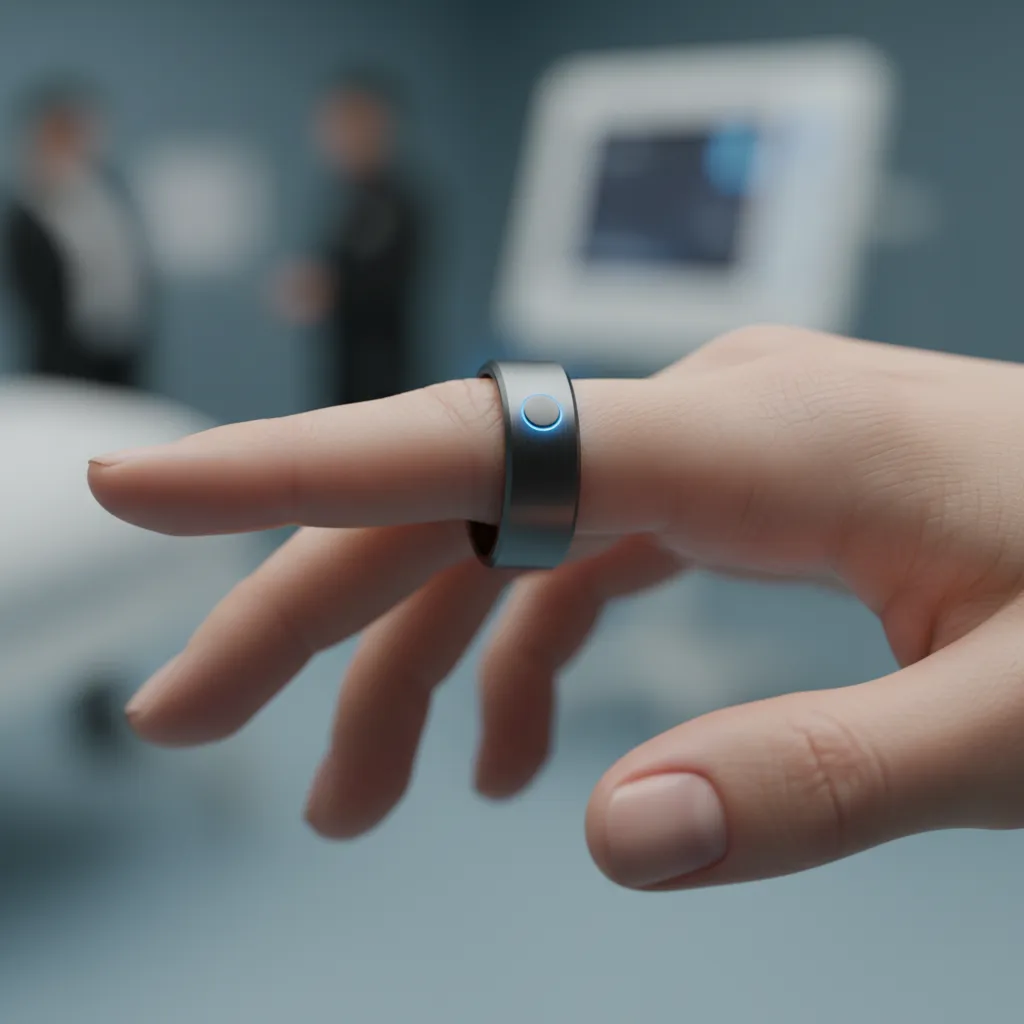
Discreet AI safety is the guiding principle here. Devices like smart rings (e.g., invisaWear), pendants, and bracelets look like ordinary fashion accessories but contain a hidden AI panic button. A simple double-press or a specific gesture can trigger a silent alert to friends, family, and even 911 dispatchers. This AI wearable alert technology is empowering because it allows a user to signal for help without escalating a dangerous situation. These wearables are a prime example of effective AI personal security tech.
Related: The AI Pin and Rabbit R1: Is This the Future of Wearable AI?
AI Security Apps: Transforming Your Smartphone into a Lifeline
Your smartphone is already a powerful computer with a suite of sensors, making it the perfect platform for an AI security app. Leading applications like Noonlight, Citizen, and bSafe offer a range of features:
- On-Demand Monitoring: Feeling uneasy on your walk home? Hold down a button in the app. If you release it and don’t enter your safety PIN, it automatically alerts the authorities.
- Virtual Companion: Schedule a timed “virtual walk” where a live agent or an automated system monitors your journey until you confirm you’ve arrived safely.
- Community Alerts: Apps like Citizen provide real-time, location-based safety alerts about incidents happening nearby, helping you avoid potential danger zones.
Specialized Devices for Specific Needs
Beyond mainstream apps and wearables, the market is seeing a rise in specialized smart personal safety devices. These include smart whistles that text your location when blown, keychain alarms that pair with your phone, and even smart car chargers that can automatically detect a crash and call for help. This diversification ensures there’s an AI-powered safety solution for nearly every lifestyle and risk profile.

AI-Powered Safety for Every Walk of Life
The beauty of AI personal safety lies in its adaptability. The technology can be tailored to meet the unique needs of different demographics, providing peace of mind to individuals and their families.
Protecting Our Most Vulnerable: AI for Elderly and Child Safety
For families, this technology is a game-changer.
- AI for Elderly Safety: Wearables with automatic fall detection are perhaps the most critical innovation. They can distinguish between a simple stumble and a serious fall, immediately alerting family and medical services. This technology grants seniors more independence while giving their loved ones peace of mind. Other features include GPS tracking for individuals with Alzheimer’s and automated medication reminders.
- Child Safety AI: Parents can use geo-fencing to receive alerts when their child arrives at or leaves school. Smartwatches designed for kids often include a dedicated SOS button and controlled contact lists, ensuring they can only communicate with trusted individuals. This provides a layer of protection without the full distractions of a smartphone.

Related: AI’s Lifesaving Leap: Revolutionizing Early Disease Detection with Smart Tech
Empowering Women with Smart Safety Tech
AI for women’s safety has been a major driving force in the industry. The focus is on discretion and rapid response. Wearable jewelry that can silently trigger an alert allows women to signal for help in uncomfortable or threatening situations without attracting unwanted attention. Features like sharing live location during a cab ride or a date provide an essential safety net that is easy to use and highly effective.
A Safety Net for Lone Workers and Travelers
Certain professions and activities carry inherent risks. AI for lone workers—such as real estate agents, healthcare workers on home visits, or utility engineers in remote locations—is becoming a workplace standard. These systems often include a mandatory check-in feature. If a worker fails to check in at a scheduled time, an alert is automatically triggered.
Similarly, AI for travel safety offers immense benefits. Apps can provide real-time alerts about civil unrest or natural disasters in your destination city. Some services even offer instant access to local emergency numbers and translation services, breaking down communication barriers in a crisis.
The Double-Edged Sword: Navigating Privacy in AI Safety
As with any technology that collects personal data, we must address the critical issue of privacy in AI safety. The very features that make these devices so effective—continuous location tracking, ambient audio monitoring—can feel intrusive if not handled responsibly.
The key to trust lies in transparency and user control. Reputable companies in this space prioritize:
- Data Encryption: Ensuring that your location history and personal information are encrypted and protected from hackers.
- User-Controlled Permissions: Giving you granular control over what data is collected and when. You should be able to easily turn off location tracking or microphone access.
- Clear Data Policies: Explicitly stating what data is collected, how it is used, and with whom it is shared (e.g., only with emergency services during an active alarm).
Before investing in any smart safety tech, it is crucial to read the privacy policy and choose brands that are committed to protecting your data as vigilantly as they protect your person.
Related: The AI Cybersecurity Revolution: Next-Gen Defense and Threat Detection
The Horizon of Personal Security: What’s Next?
The future of personal safety is poised for even more remarkable advancements. We are moving towards a world of predictive and community-integrated safety.

Expect to see:
- Predictive AI: Systems that analyze vast datasets (crime statistics, social media chatter, public event schedules) to predict high-risk areas or times, warning you before you even enter a potentially dangerous situation.
- AI Self-Defense: The concept of AI self-defense is evolving. In the future, a device might not just call for help but also take active countermeasures, such as emitting a deafening 130-decibel alarm and a disorienting strobe light to deter an attacker.
- Smart City Integration: Personal safety devices will communicate with smart city infrastructure. Imagine a scenario where triggering your alert automatically turns on streetlights in your immediate vicinity, points public CCTV cameras in your direction, and alerts nearby patrol drones.
Conclusion
The age of passive safety is over. We are now empowered with AI Guardians—intelligent, proactive partners that are fundamentally reshaping our approach to personal security. From wearable AI for safety that offers discreet protection to sophisticated AI security apps that turn our phones into lifelines, this technology provides a powerful sense of security in an uncertain world.
While we must remain mindful of privacy and choose our tools wisely, the trajectory is clear. The fusion of AI and smart safety tech is creating a future where help is not just a call away, but is anticipated, automated, and always by your side. This isn’t about living in fear; it’s about leveraging technology to live with greater freedom and confidence.
What are your thoughts on the role of AI in personal safety? Have you used any of these devices or apps? Share your experiences and insights in the comments below!
FAQs
Q1. What is an AI personal safety device?
An AI personal safety device is a wearable (like a ring or pendant) or a handheld gadget that uses artificial intelligence to detect signs of distress and automatically alert for help. It goes beyond a simple panic button by using sensors to detect falls, crashes, or sounds of aggression, and can share your real-time location with emergency contacts and authorities.
Q2. How does AI improve personal security?
AI improves personal security by shifting it from reactive to proactive. Instead of just waiting for a user to press a button, AI systems can analyze audio, motion, and location data to predict or detect a threat in real-time. They can then automatically trigger distress signals, open communication lines with monitoring centers, and provide precise location data to first responders, often faster and more reliably than a person could in a crisis.
Q3. Are AI safety apps effective?
Yes, AI safety apps can be very effective. They turn your smartphone into a powerful safety tool by leveraging its existing sensors (GPS, microphone, accelerometer). Features like live monitoring, virtual escorts, and silent alarms that send your location to contacts or 24/7 call centers have been instrumental in deterring threats and providing life-saving assistance in emergencies.
Q4. What is the best personal safety device for women?
The best personal safety device for women often prioritizes discretion and ease of use. Wearable AI devices disguised as jewelry, such as rings or pendants from brands like invisaWear or Flare, are extremely popular. They allow a woman to trigger a silent alert by a simple, non-obvious gesture, which is crucial for de-escalating a dangerous situation without alerting an aggressor.
Q5. Can personal safety devices be hacked?
Like any connected (IoT) device, personal safety devices have a potential risk of being hacked. However, reputable manufacturers mitigate this risk through strong data encryption, secure cloud infrastructure, and regular software updates. It is crucial for users to choose products from trusted brands, use strong and unique passwords, and be aware of the device’s privacy settings.
Q6. What is a proactive AI security system?
A proactive AI security system is one that doesn’t just wait for an alarm. It actively learns a user’s patterns and monitors their environment for anomalies. For example, it might detect that you’ve deviated from your normal jogging route late at night or that the accelerometer has registered a high-G impact consistent with a car crash, and it will automatically initiate a check-in or an emergency protocol without you needing to do anything.
Q7. How can AI help lone workers stay safe?
AI is a critical tool for lone worker safety. It powers automated systems that require workers in remote or high-risk environments to check in at regular intervals. If a check-in is missed, the AI automatically alerts a supervisor. Furthermore, wearables with “man-down” functionality can detect a fall or lack of motion and automatically call for help, which is vital for workers who may be injured or incapacitated.