AI for Mindful Living: Boost Your Digital Well-being

Introduction: The Double-Edged Sword of Modern Technology
Does your phone feel more like a demanding boss than a helpful assistant? You’re not alone. In our hyper-connected world, the constant barrage of notifications, the endless scroll of social media, and the pressure to be always-on can leave us feeling drained, anxious, and disconnected from the present moment. This state of digital overload has a name: digital fatigue. It’s the paradox of our time—the very devices designed to connect us often leave us feeling isolated and overwhelmed.
But what if we could use the same sophisticated technology that contributes to this problem to forge a solution? Enter the burgeoning field of AI for digital well-being. It’s a revolutionary approach that leverages artificial intelligence not to distract us, but to help us reclaim our focus, manage stress, and cultivate a healthier, more mindful relationship with our screens.
This article is your comprehensive guide to achieving tech-life balance through AI. We’ll explore how mindful tech tools and digital wellness apps are moving beyond simple timers and blockers to offer personalized, intelligent support. You’ll discover how AI can become your partner in building smart digital habits, from enhancing your sleep to sharpening your focus, ultimately paving the way for greater digital happiness and mental clarity.
The Digital Dilemma: Why Our Well-being is Under Siege
Before we dive into the solutions, it’s crucial to understand the problem. Modern digital platforms are engineered for engagement. Algorithms are designed to learn our behavior and serve us content that keeps us scrolling, clicking, and coming back for more. This creates powerful dopamine-driven feedback loops that can be genuinely addictive.
The consequences are significant and well-documented:
- Increased Stress & Anxiety: The pressure to respond instantly and the fear of missing out (FOMO) contribute to a constant state of low-grade anxiety.
- Decreased Focus: A 2019 study by Asurion found the average person checks their phone 96 times a day—once every 10 minutes. This constant context-switching shatters our ability to engage in deep, focused work.
- Poor Sleep Quality: The blue light emitted from screens suppresses melatonin, the hormone that regulates sleep. Using devices before bed can severely disrupt our natural sleep cycles.
- Erosion of In-Person Connection: When our attention is perpetually drawn to our screens, the quality of our real-world interactions can suffer, leading to feelings of loneliness.
This isn’t about demonizing technology. It’s about recognizing that the default settings of our digital lives are often at odds with our well-being. To thrive, we need a more conscious, intentional approach to our tech use.
The AI Paradox: Can Technology Solve the Problems It Created?
It sounds ironic, doesn’t it? Using more tech to solve our tech problem. But this is where the unique capabilities of Artificial Intelligence come into play. Unlike a simple app blocker, AI can understand nuance, context, and personal patterns. It can act as an intelligent filter and a personalized coach, helping us navigate the digital world more mindfully.
Here’s how AI is uniquely positioned to help:
- Personalization: AI algorithms can analyze your unique usage patterns—which apps drain your focus most, what time of day you’re most distracted, what content triggers stress—and offer tailored recommendations.
- Pattern Recognition: AI can identify subtle habits you might not even be aware of, like mindlessly opening social media every 15 minutes, and gently nudge you toward more intentional behavior.
- Adaptive Interventions: Instead of a one-size-fits-all digital detox, AI can suggest dynamic interventions, like locking a distracting app for 20 minutes when it detects you’re trying to focus on a work document.
- Data-Driven Insights: By tracking metrics like screen time, app usage, and even sleep patterns, AI can provide you with clear, actionable insights into your digital habits, empowering you to make meaningful changes. [Related: The AI Search Revolution: A New Era of Discovery]
Think of AI not as another layer of technology to manage, but as a “conscious co-pilot” working in the background to help you achieve your digital well-being goals.
Reclaiming Your Mind: AI-Powered Tools for Mental Clarity
One of the most exciting frontiers for AI in digital wellness is in the realm of mental and emotional health. These tools provide accessible, on-demand support for navigating the stresses of modern life.
AI Meditation and Mindfulness Apps
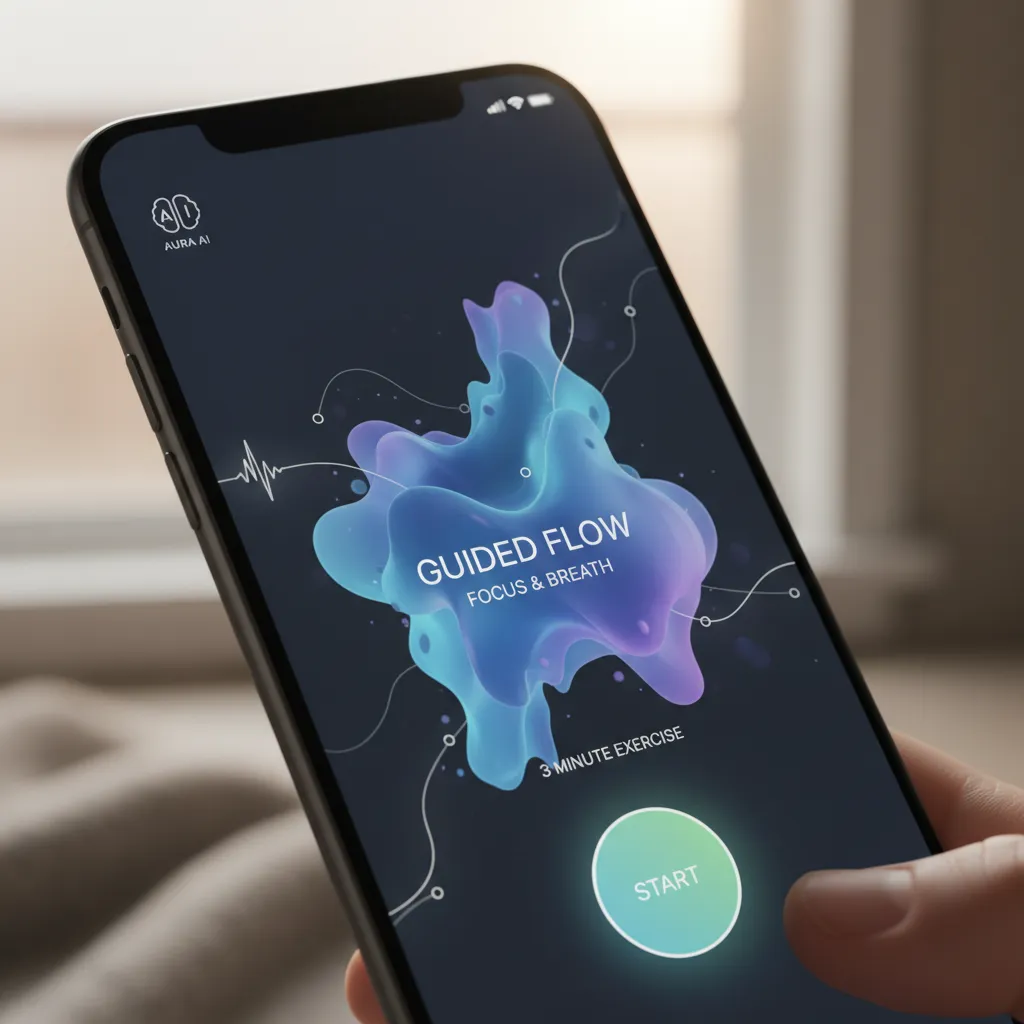
Traditional meditation apps offer a library of guided sessions. AI meditation apps take this a giant leap forward by creating a deeply personalized mindfulness journey.
Apps like Balance and Headspace are increasingly using AI to tailor their content. For example, an app might ask you how you’re feeling and then, using natural language processing (NLP), select the perfect meditation for your current emotional state. Some advanced systems are even exploring the use of smartphone camera data (with user consent) to analyze biometrics like heart rate variability, offering meditations designed to calm you down in real-time when it detects signs of stress. This transforms mindfulness from a generic practice into a responsive, personal experience.
AI for Stress Reduction and Emotional Well-being
Beyond mindfulness, AI is powering a new generation of AI mental health support tools. AI-driven chatbots like Woebot and Youper use principles from Cognitive Behavioral Therapy (CBT) to help users reframe negative thoughts, track their moods, and learn coping mechanisms.
These AI companions offer a safe, non-judgmental space to express feelings 24/7. While they are not a replacement for human therapists, they serve as powerful tech addiction solutions and stress management tools, providing immediate support and helping to destigmatize the act of seeking mental health assistance. The AI learns your emotional patterns and can proactively check in, offering a level of personalized care that is incredibly scalable. [Related: The AI Revolution in Healthcare: Transforming Patient Care & Medical Innovation]
Mastering Your Focus: How AI Helps You Beat Distractions
In a world competing for every second of our attention, focus is a superpower. AI is emerging as a critical ally in our fight against digital distractions, offering intelligent solutions that go far beyond simple website blockers.
Intelligent Screen Time Management AI
We’ve all seen the native screen time reports on our phones, but they often just tell us what we already know: we spend too much time on certain apps. Screen time management AI provides a more intelligent and proactive approach.
Instead of just reporting the data, these tools analyze it. An AI might notice that your productivity plummets after 15 minutes on Instagram and suggest a “smart break.” Or it might learn your work schedule and automatically silence non-essential notifications during your “deep work” blocks. This is about creating an environment where focus is the default, rather than a constant battle. It’s a core tenet of conscious tech use, where technology adapts to our intentions, not the other way around.
AI-Powered Productivity and Focus Apps
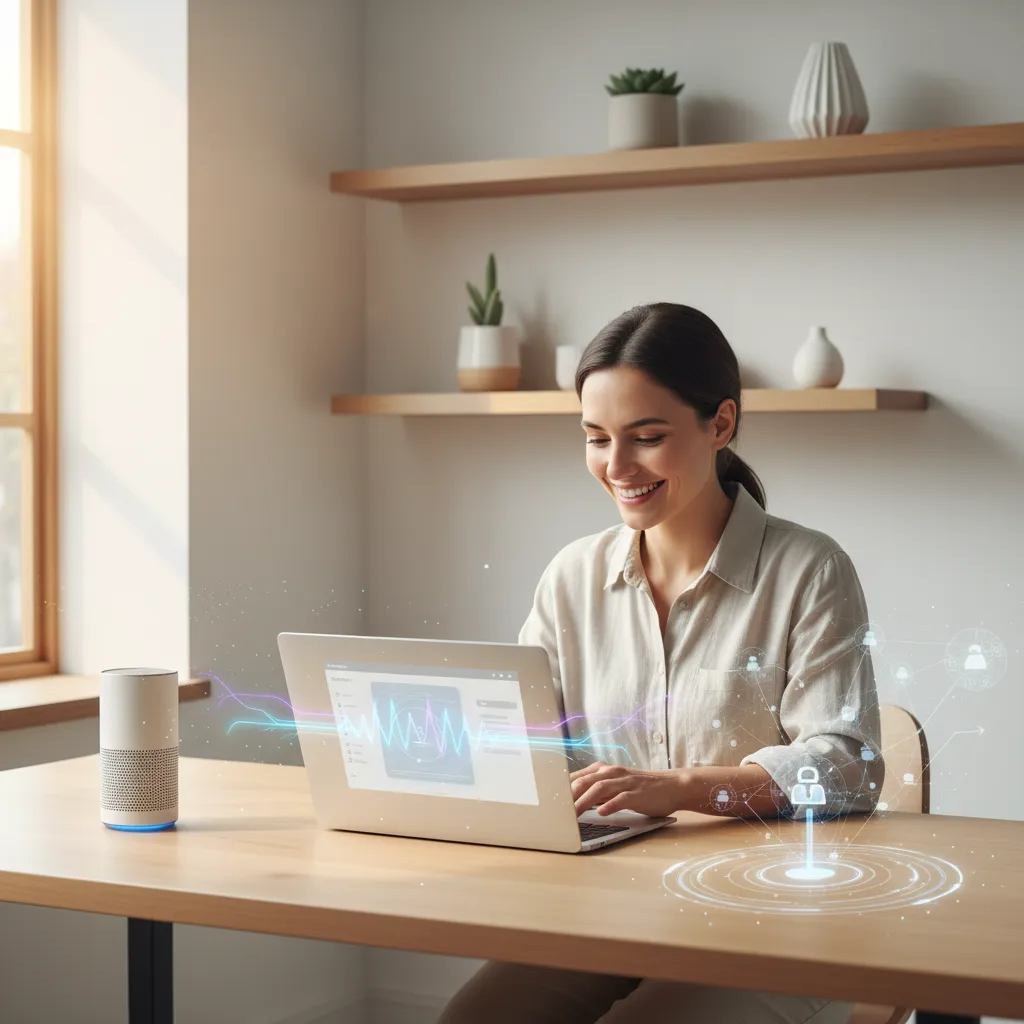
To enhance focus with AI, many are turning to a new breed of productivity tools. Services like Brain.fm or Focus@Will use AI to generate functional music and soundscapes scientifically designed to improve concentration and reduce distraction. The AI adjusts the audio in real-time based on the type of work you’re doing, helping you enter and maintain a flow state.
Other focus improvement apps with AI integrate with your calendar and to-do lists to help you prioritize tasks, block out time for deep work, and protect your schedule from distractions. They can learn when you are most productive and help you structure your day to leverage those peak performance windows. [Related: AI Personal Assistants: Revolutionizing Your Productivity]
Building Healthier Digital Habits, Powered by AI
True digital well-being isn’t about a one-time detox; it’s about building sustainable, healthy habits. AI can act as a personal coach, providing the gentle nudges and personalized insights needed to foster lasting change.
Personalized Digital Detox and Smart Disconnection
The idea of a “digital detox” can feel overwhelming and unrealistic. A personalized digital detox plan, powered by AI, offers a more manageable approach. By analyzing your device usage, an AI tool can help you identify the specific apps and behaviors that cause the most stress or distraction.
It might suggest starting with a “Twitter-free evening” or a “30-minute notification pause” after work. These small, achievable goals help build momentum. The AI can then track your progress, celebrate your wins, and gradually suggest new challenges, making the process of disconnecting feel empowering rather than punishing. This is a core component of effective digital well-being strategies.

AI for Better Sleep
The link between poor sleep and excessive screen time is undeniable. AI for better sleep is a rapidly growing area within digital health AI. Smart rings and wearables, like the Oura Ring, use AI to analyze your sleep stages, heart rate, and body temperature. [Related: Galaxy Ring vs. Oura: The Ultimate Smart Ring Showdown]
The device’s companion app then translates this complex data into a simple “Sleep Score” and provides actionable, AI-driven advice. It might tell you, “You went to bed later than usual, which impacted your deep sleep. Try to wind down 30 minutes earlier tonight.” It can also connect the dots between your daily activities—like a late-afternoon coffee or a stressful meeting—and their impact on your sleep quality, helping you make smarter lifestyle choices for better rest.
The Future of Conscious Tech: What’s Next for AI and Well-being?
We are just scratching the surface of what’s possible with AI-powered mindfulness. The future lies in making these tools more seamless, integrated, and proactive.
Imagine an operating system with a “well-being layer” that intelligently manages your digital environment based on your context and goals. Your phone might automatically switch to a “focus mode” when your calendar shows you have a deadline, or suggest a 5-minute breathing exercise when your wearable device detects a rising heart rate during a stressful email exchange. This is the promise of Edge AI, where these intelligent decisions happen directly on your device for enhanced privacy and speed. [Related: The Rise of Edge AI: Unleashing Intelligence at the Device Frontier]
Generative AI, like the models behind ChatGPT-4o, will also play a huge role. We’ll see hyper-personalized wellness content, from AI-generated bedtime stories designed to calm your specific anxieties to dynamic soundscapes that adapt to your brainwaves for optimal focus. The goal is to create a digital ecosystem that defaults to health and mindfulness, supporting our well-being by design.
Conclusion: Your Partner in Digital Flourishing
The digital world will only become more demanding. The solution isn’t to abandon technology, but to master it. Artificial intelligence, when designed and used with intention, offers a powerful pathway to achieving this mastery.
From personalized meditation guides and on-demand mental health support to intelligent focus tools and sleep coaches, AI for digital well-being is transforming our relationship with our devices. It empowers us to move from being passive consumers of technology to conscious architects of our digital lives. By embracing these mindful tech tools, we can mitigate the downsides of digital overload and harness the true potential of technology to enhance our focus, reduce our stress, and cultivate lasting well-being.
The journey to a healthier tech-life balance starts with a single, intentional step. Choose one area you’d like to improve—be it focus, sleep, or mindfulness—and explore an AI-powered tool designed to help. You might be surprised at how a little bit of artificial intelligence can lead to a great deal of genuine human happiness.
Frequently Asked Questions (FAQs)
Q1. How can AI improve mental well-being?
AI can improve mental well-being by providing personalized, on-demand support. AI-powered apps offer tailored meditation sessions, mood tracking, and access to CBT techniques through chatbots. This makes mental health support more accessible, private, and responsive to an individual’s specific emotional state and needs.
Q2. What is mindful technology?
Mindful technology refers to technology that is intentionally designed and used to support our well-being, focus, and presence. Instead of demanding our attention, mindful tech works in the background to help us achieve our goals, reduce distractions, and foster a healthier relationship with our digital devices.
Q3. Are AI wellness apps effective?
Many users find AI wellness apps to be highly effective. Their strength lies in personalization and consistency. Studies on AI-driven mental health tools, like those using CBT principles, have shown promising results in reducing symptoms of anxiety and depression. Their effectiveness depends on user engagement and the specific goals of the individual.
Q4. Can technology really help with a digital detox?
Yes, paradoxically, technology can be a great ally in a digital detox. AI-powered apps help by providing structure and insight. Instead of a drastic, all-or-nothing approach, they analyze your usage and suggest small, manageable changes, track your progress, and provide positive reinforcement, making the detox process more sustainable and effective.
Q5. Is it safe to use AI for mental health support?
Using AI for mental health support is generally considered safe for managing stress, practicing mindfulness, and learning coping skills. Reputable apps use data encryption and prioritize user privacy. However, it’s crucial to remember that they are not a replacement for professional human therapists, especially for serious mental health conditions.
Q6. How does AI help manage screen time?
AI helps manage screen time by going beyond simple timers. It analyzes your usage patterns to understand which apps are most distracting and when you are most vulnerable to them. It can then proactively intervene by suggesting breaks, silencing non-critical notifications during focus periods, and providing deeper insights into your digital habits.
Q7. What are some examples of AI-powered digital wellness tools?
Examples include meditation apps like Balance that personalize sessions, mental health chatbots like Woebot that offer CBT exercises, focus apps like Brain.fm that use AI to create focus-enhancing soundscapes, and wearables with companion apps like the Oura Ring that use AI to analyze sleep and provide health recommendations.